
8 Restaurant Dishes That Sound Simple but Are Hardest to Make Well

Some restaurant dishes look effortless on paper, yet they expose every weakness in timing, heat control, and seasoning once cooking begins. Eggs overcook in seconds, steak burns before the centers warm, and pasta sauces break without warning. These meals use familiar ingredients, which leaves no room to hide technique mistakes behind complex flavors. That is why simple menu staples often become the hardest dishes to perfect, even though they appear easy at first glance.
1. Scrambled Eggs

Eggs look simple because they cook fast, yet that speed is exactly what makes them difficult. Restaurant-quality scrambled eggs rely on controlled heat and constant attention. Timing decides whether they stay creamy or become rubbery.
Butter or cream helps slow cooking and create softness. Cooking over gentle heat also allows moisture to stay inside the eggs, which is why rushed, high-heat methods often lead to dryness and a dull flavor.
Seasoning and finishing complete the result. Salt added too early can thin the texture, while added late it sharpens the flavor without watering the mixture. Removing eggs slightly underdone lets residual heat finish cooking, and a final touch of butter or herbs keeps them glossy.
2. Pan-Seared Steak
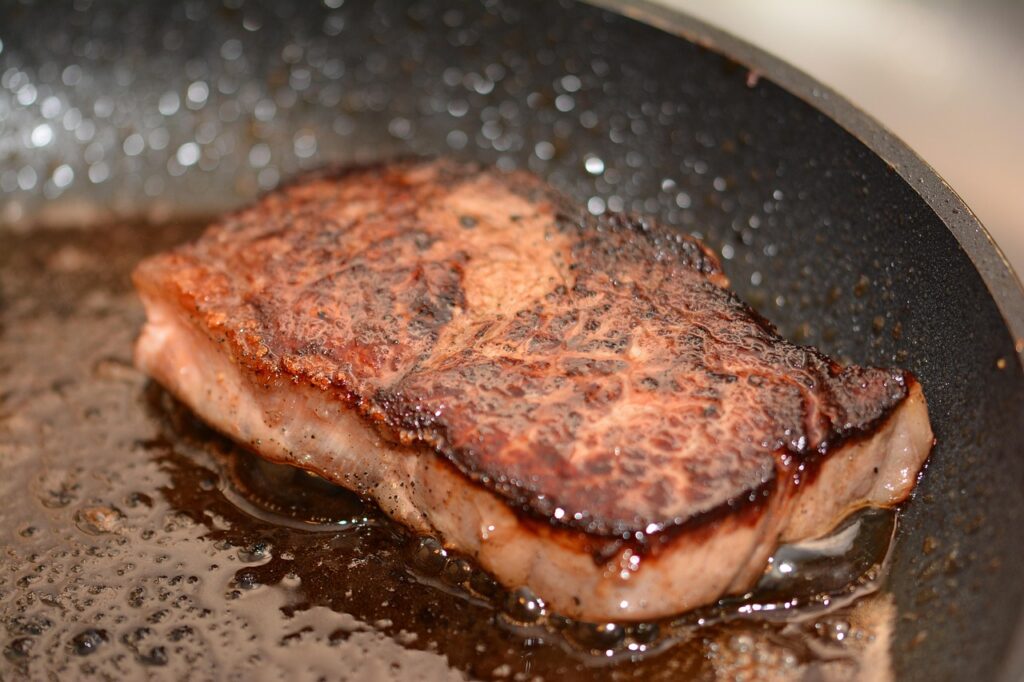
A steak feels basic, yet delivering restaurant-level results demands control over heat, timing, and resting, because each step shapes flavor and texture. A proper sear depends on high heat creating the Maillard reaction, which builds the savory crust people expect, but too much heat or time dries the interior.
Steak must be dry on the surface so moisture does not steam the meat, and seasoning should penetrate before cooking begins. Heavy pans retain heat better and help create even browning instead of patchy color.
Resting makes the final difference. Heat pushes juices toward the surface during cooking, and cutting immediately lets them spill out. Mastering steak is less about ingredients and more about managing heat with precision.
3. Roast Chicken
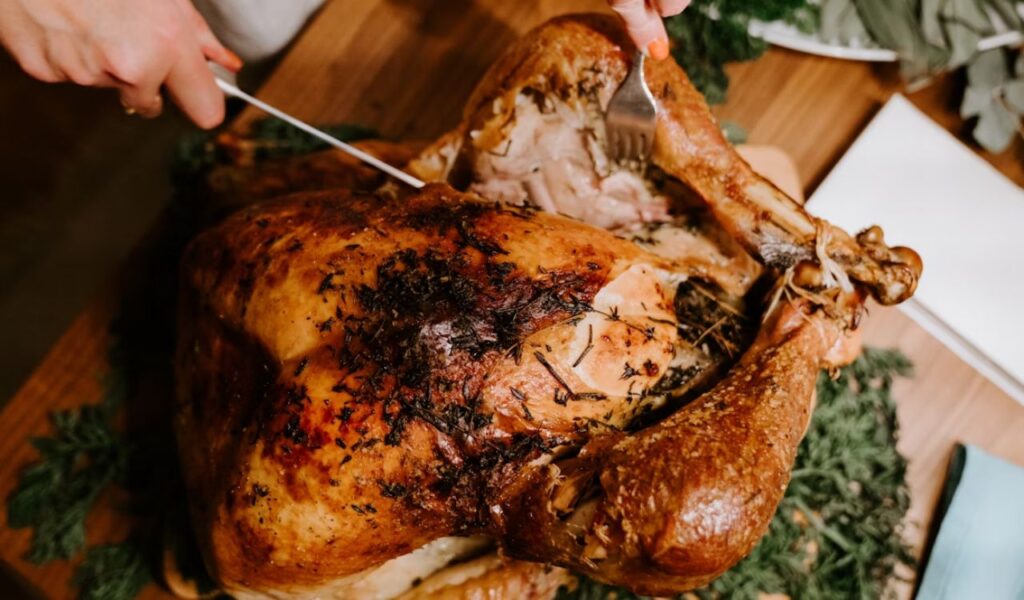
Roast chicken appears straightforward, yet cooking the entire bird evenly is one of the hardest kitchen balancing acts, because breast meat cooks faster than dark meat. A good roast chicken requires timing that delivers crisp skin and a juicy interior.
Air circulation and seasoning shape success. Drying the skin before roasting encourages crispness, while salt must reach both skin and interior to prevent bland meat.
Cooking at moderate heat allows fat to render and skin to brown, while resting afterward keeps juices inside the meat rather than on the cutting board. Done right, roast chicken tastes rich and comforting, yet achieving that consistency requires attention to detail that far exceeds the simplicity of the ingredient list.
4. Mashed Potatoes
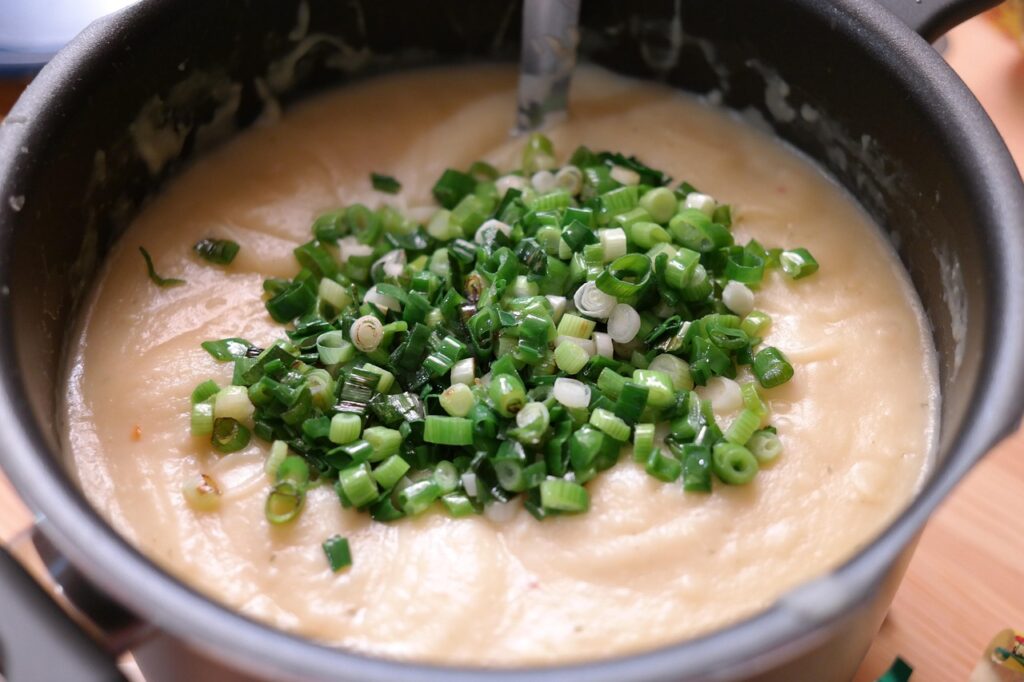
Mashed potatoes seem forgiving, yet texture mistakes happen easily because potatoes release starch differently depending on handling. Overworking them turns the mash gluey, while under-mashing leaves lumps that disrupt the smooth, comforting feel people expect.
Potato choice and cooking method matter first. Starchy varieties produce fluffier results, and cooking potatoes evenly prevents watery spots that dilute flavor.
Butter provides richness, cream or milk adds softness, and salt must be added generously enough to highlight the potato flavor. Warming dairy before mixing helps keep the texture smooth. When done well, mashed potatoes taste silky and savory, but achieving that consistency requires restraint and timing rather than heavy mixing.
5. Grilled Cheese Sandwich
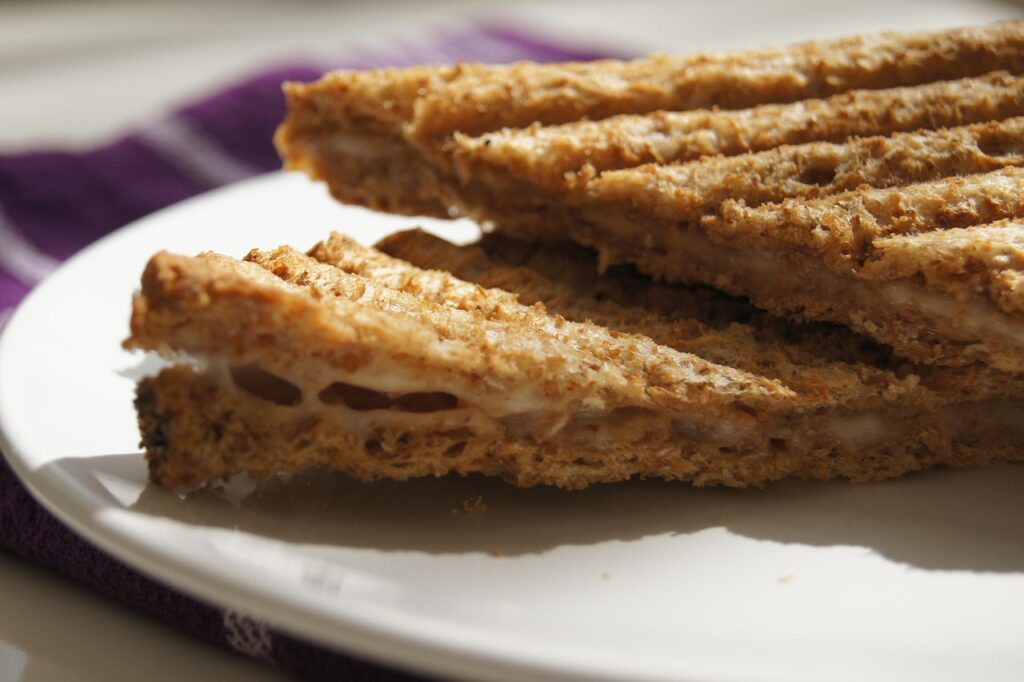
A grilled cheese sandwich looks effortless, yet perfect execution demands patience because the bread must brown slowly enough for the cheese to melt fully inside. Too much heat burns the exterior before the center softens, while too little heat leaves the sandwich pale and greasy.
Fat distribution plays a key role. Butter or mayonnaise spread evenly across bread helps produce consistent browning, and cheese choice affects meltability, since some cheeses soften smoothly while others separate into oil and solids. Layering cheese correctly also prevents cold pockets inside.
Served immediately, the result combines crunch and stretch in one bite. The dish sounds simple, yet delivering perfect texture every time takes real attention.
6. Pancakes
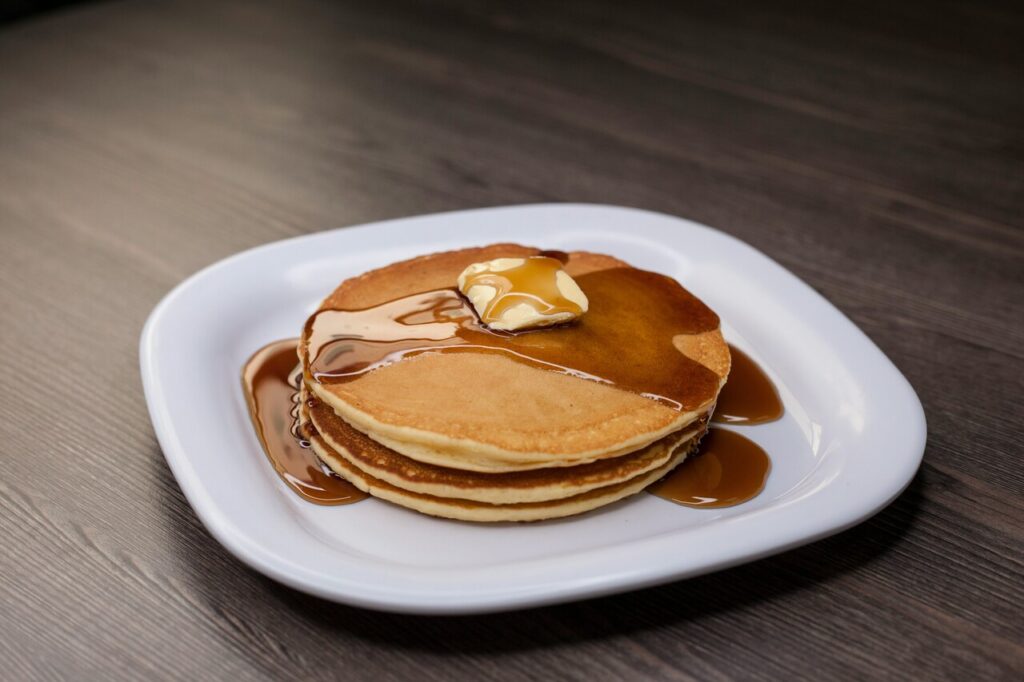
Pancakes appear basic, yet making them fluffy and evenly cooked requires attention to batter consistency and heat management. Too much mixing develops gluten, creating tough pancakes, while too little mixing leaves uneven texture and raw flour pockets.
A pan that is too hot browns the outside before the interior cooks, while low heat dries pancakes before color forms. Watching bubble formation and flipping at the right moment keeps the structure light while ensuring the center cooks through.
Ingredient balance also matters. Baking powder or baking soda must be fresh for lift, and sugar levels influence browning speed. The best pancakes feel airy and tender, but reaching that softness consistently depends on small technical decisions.
7. Pasta Carbonara
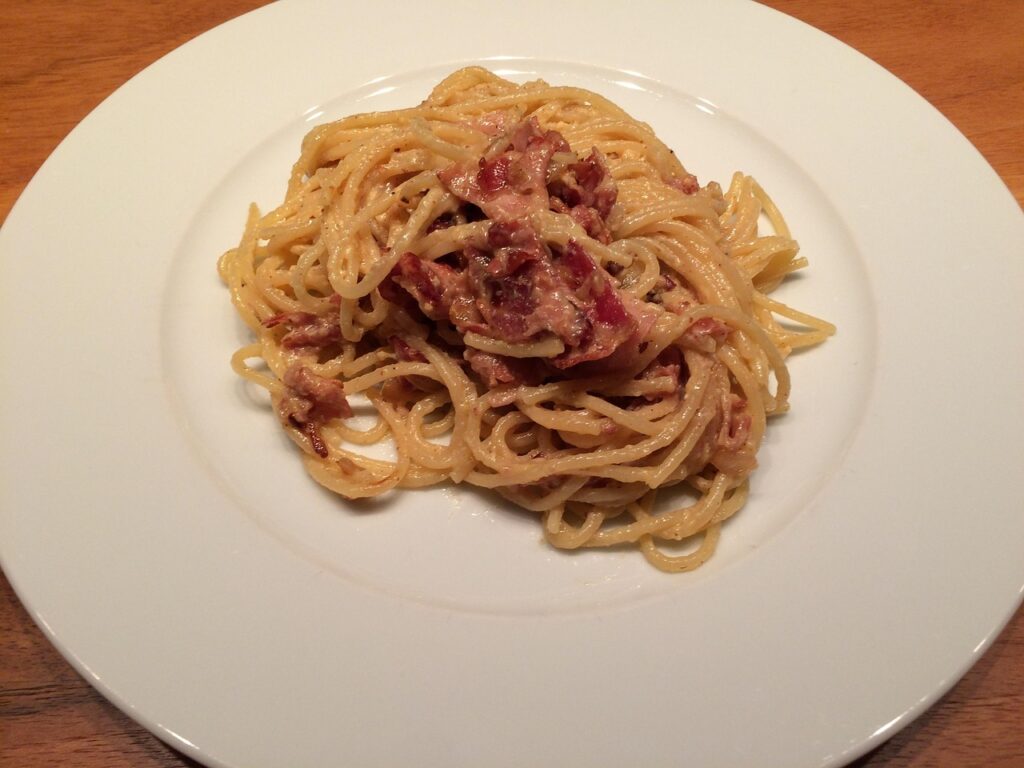
Carbonara contains only a handful of ingredients, yet that simplicity makes technique critical, because mistakes cannot hide behind heavy sauces. The defining challenge is creating a silky sauce from eggs and cheese without scrambling them into clumps.
Pasta must be hot enough to emulsify eggs and cheese, yet not so hot that eggs cook instantly. Tossing quickly with pasta water creates a glossy coating that clings rather than pooling at the bottom of the bowl.
Black pepper and cheese must be measured carefully so the dish tastes savory without becoming salty. When done right, carbonara tastes creamy without cream, yet achieving that effect demands timing measured in seconds.
8. Crispy French Fries
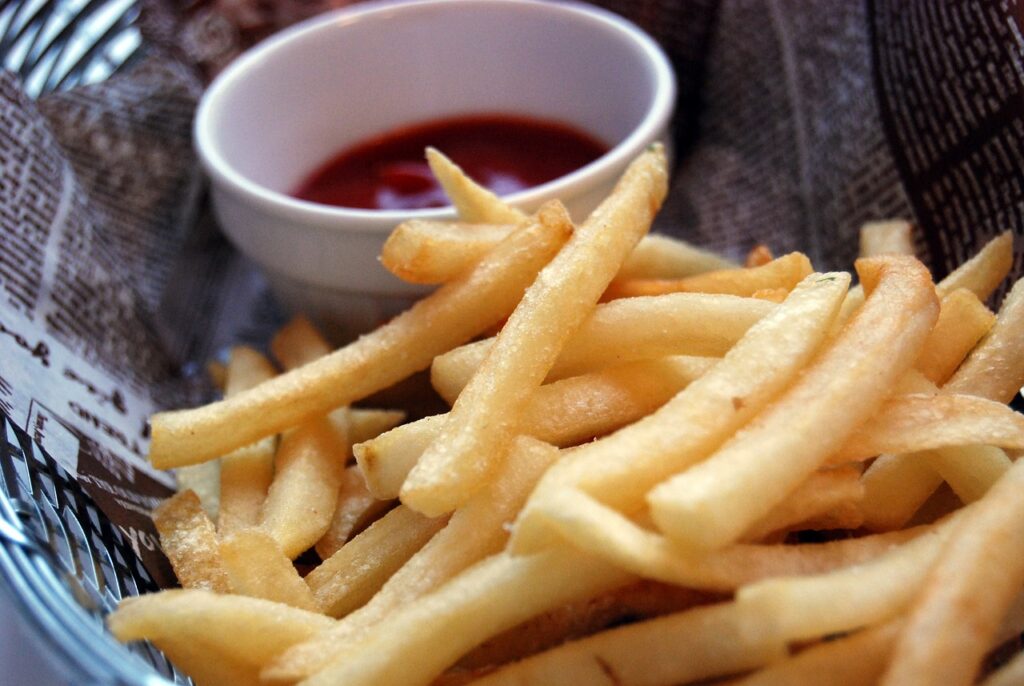
French fries look easy, yet achieving restaurant-level crispness requires understanding how moisture and oil interact. Potatoes contain water, and removing or controlling that moisture is the difference between limp fries and crisp ones.
Preparation builds structure. Cutting potatoes evenly ensures consistent cooking, and soaking or rinsing can remove excess starch that causes sticking. The classic double-fry method cooks fries first at a lower temperature to soften interiors, then at a higher heat to crisp exteriors, creating contrast.
Timing and oil control finish the process. Oil must stay hot enough to prevent absorption, and seasoning must happen immediately so salt sticks while surfaces are still hot.