13 Grocery Store Aisles That Look Totally Different Than They Did in the 1990s

Walking through a grocery store in the 1990s felt familiar and predictable. Each aisle followed a pattern shoppers barely had to think about. Over the decades, science, technology, and changing lifestyles quietly reshaped those same spaces. What once focused on convenience and price now reflects health awareness, global influence, and personal values. From breakfast staples to household basics, these aisles tell a larger story about how Americans shop, eat, and think today. This look back explores the grocery store sections that have transformed the most and why the changes happened slowly enough that many people barely noticed.
1. Cereal Aisle
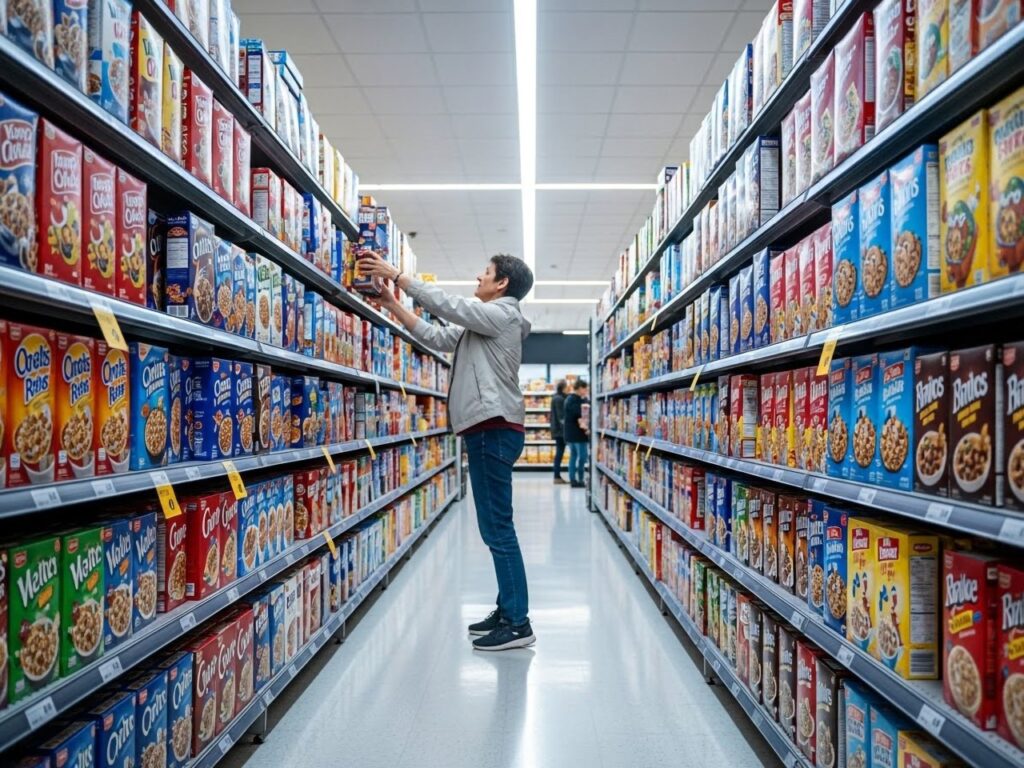
The cereal aisle of the 1990s felt like a Saturday morning cartoon brought to life. Bright boxes, animated mascots, games on the back panels, and prizes inside were designed to catch children’s eyes first. Sugar levels were rarely questioned, and nutrition labels were often ignored in favor of price and brand familiarity. As medical research began linking excess sugar to long-term health issues, parents became more cautious, and brands were forced to respond. Adults also began eating cereal well beyond childhood, shifting demand. Today, this aisle reflects intention rather than entertainment. Packaging highlights protein, fiber, whole grains, and reduced sugar.
2. Produce Section
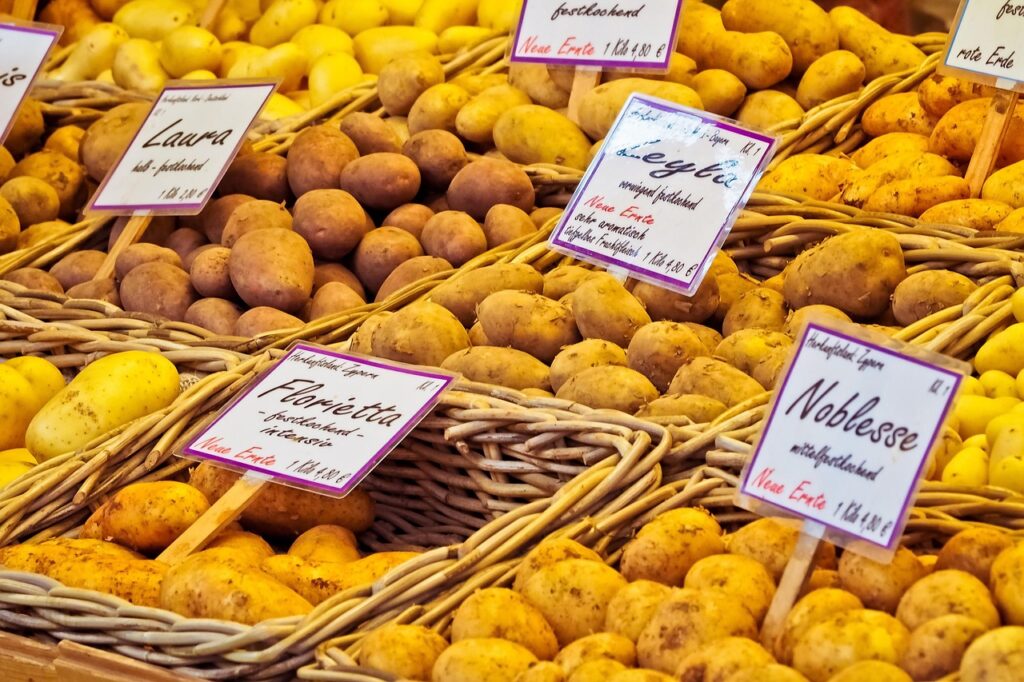
Produce departments in the 1990s were functional spaces meant to be passed through quickly. Selection was limited, displays were plain, and shoppers expected fruits and vegetables to be seasonal. Imported produce was uncommon, and organic labeling was rare enough to feel niche. As research consistently showed the benefits of fresh produce, stores began redesigning these areas to encourage purchases. Global distribution expanded choices year-round, while lighting, misting systems, and signage created a sense of freshness. Today’s produce sections resemble open markets, offering exotic fruits, pre-washed greens, and pre-cut options for convenience.
3. Frozen Foods
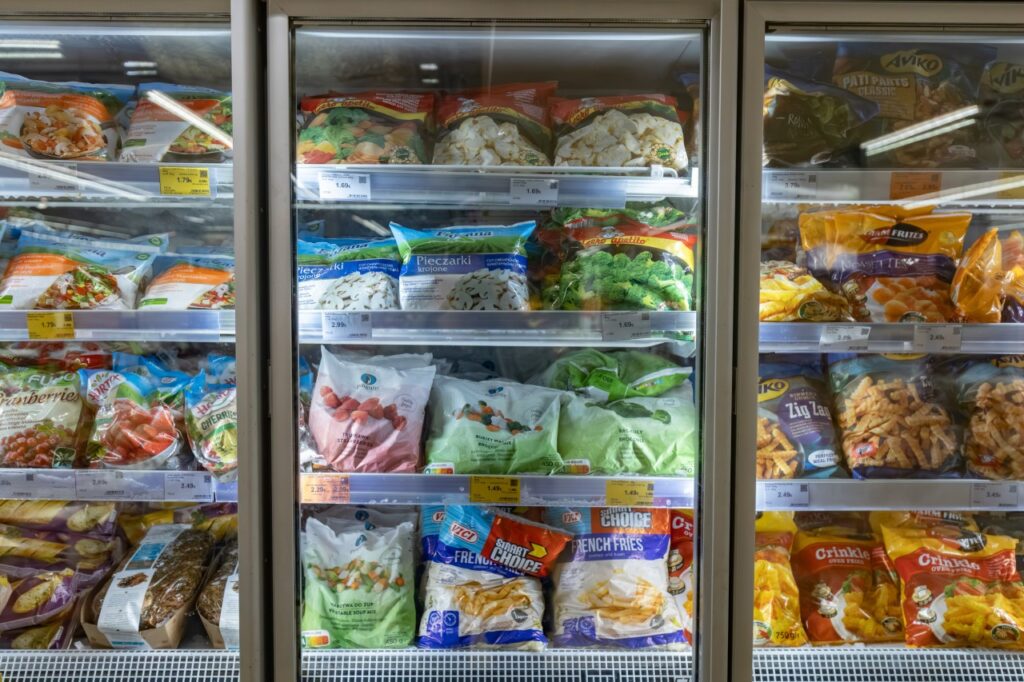
Frozen food aisles in the 1990s centered on convenience with little emphasis on quality. TV dinners, frozen pizzas, and plain vegetables dominated, and frozen meals were often considered last-resort options. Advances in freezing technology and nutritional research slowly changed this perception. Studies showed freezing could preserve nutrients effectively, opening the door to better ingredients and textures. As lifestyles grew busier, consumers wanted speed without sacrificing health. Today’s frozen aisles reflect that demand, featuring plant-based meals, global cuisines, and diet-specific options. Packaging emphasizes cooking methods and ingredient transparency.
4. Dairy Case
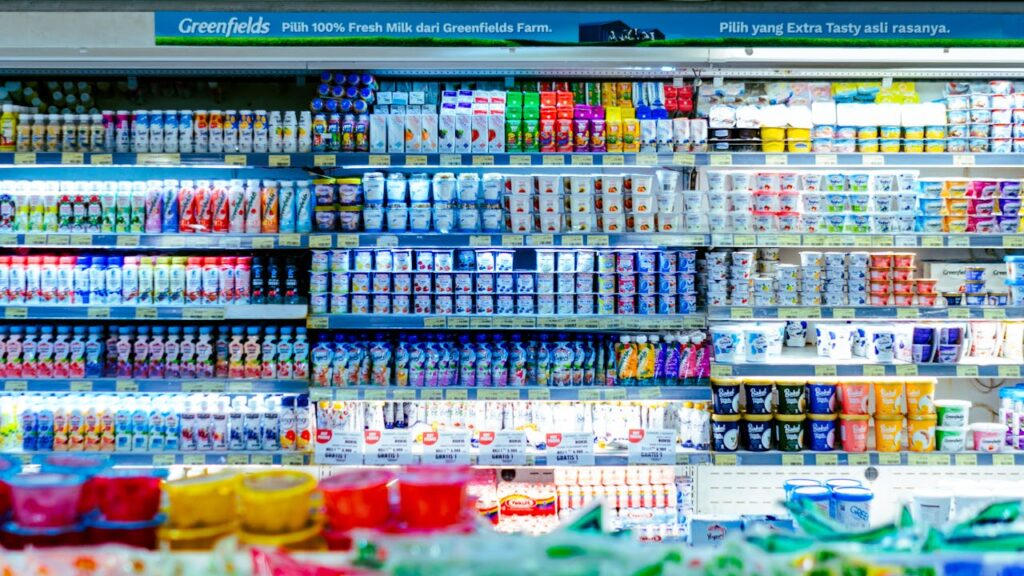
The dairy case in the 1990s revolved around familiarity. Milk choices were limited to fat percentages, yogurt selection was small, and alternatives were rare. As awareness of lactose intolerance grew and research explored digestion and cholesterol, consumer expectations shifted. Plant-based diets gained visibility, and shoppers began seeking options aligned with personal health needs. Today’s dairy section is one of the most varied in the store. Almond, oat, soy, and lactose-free products sit alongside traditional milk. Yogurts emphasize probiotics, protein, and minimal processing. Labels now educate shoppers rather than simply list contents.
5. Snack Aisle
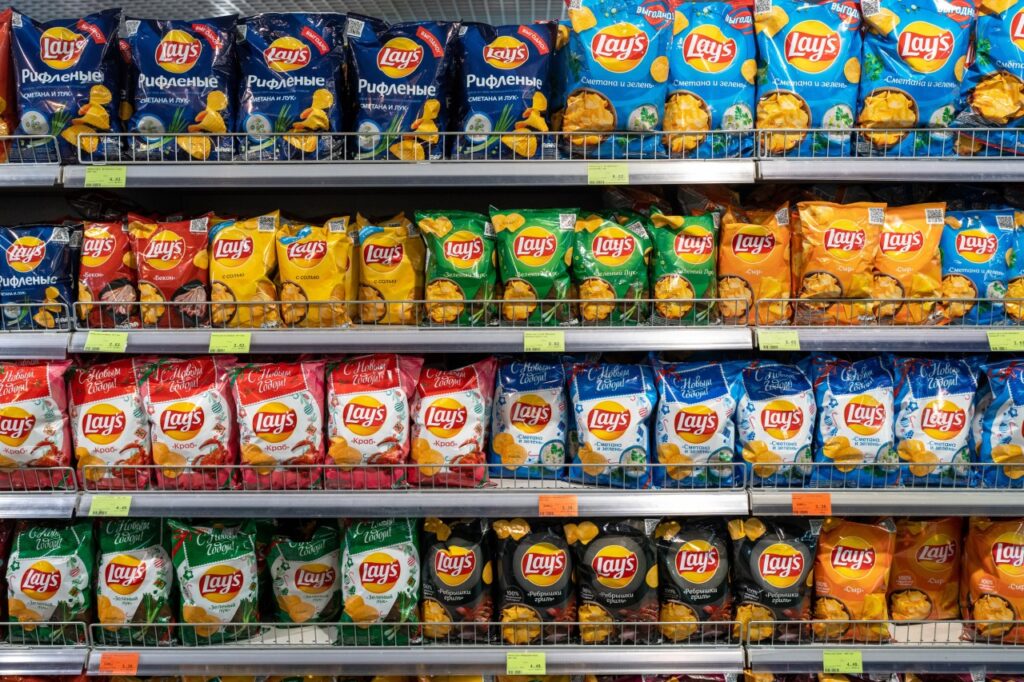
Snack aisles in the 1990s celebrated indulgence and abundance. Oversized bags of chips, cookies, and crackers encouraged sharing and unplanned eating. As nutritional research linked frequent snacking to energy crashes and weight gain, consumer behavior shifted. Shoppers began looking for snacks that fit structured routines rather than impulse moments. Today’s snack aisle reflects balance. Portion-controlled packs, baked alternatives, and protein-forward options dominate shelves. Ingredients lists are shorter, and claims focus on reduced sugar and added nutrients. Snacking has become intentional, tied to energy management and lifestyle choices.
6. Bread Aisle
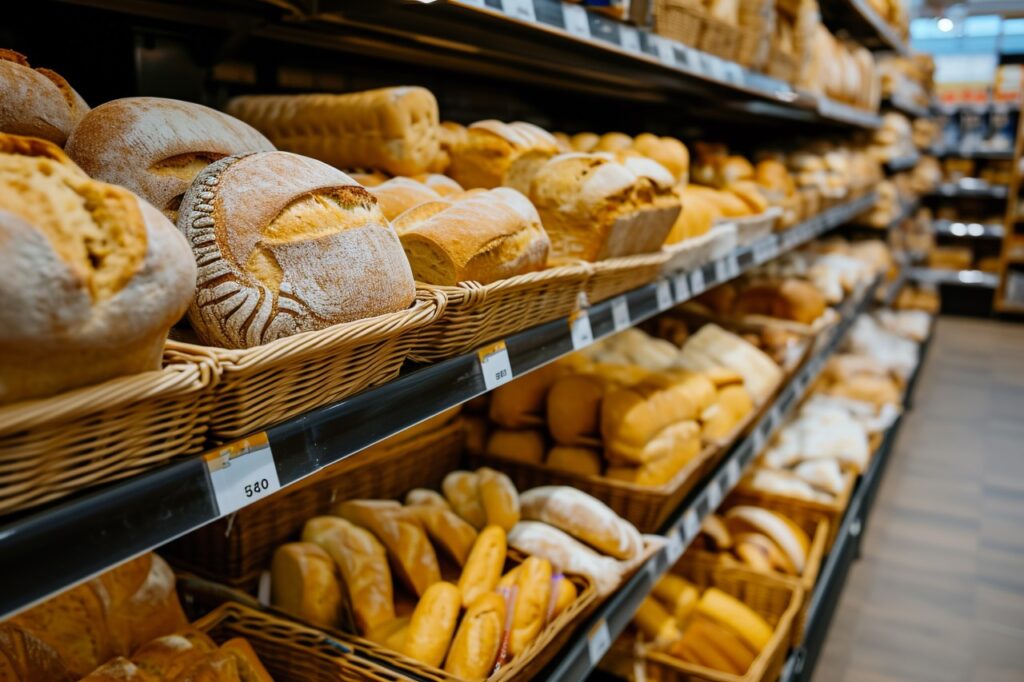
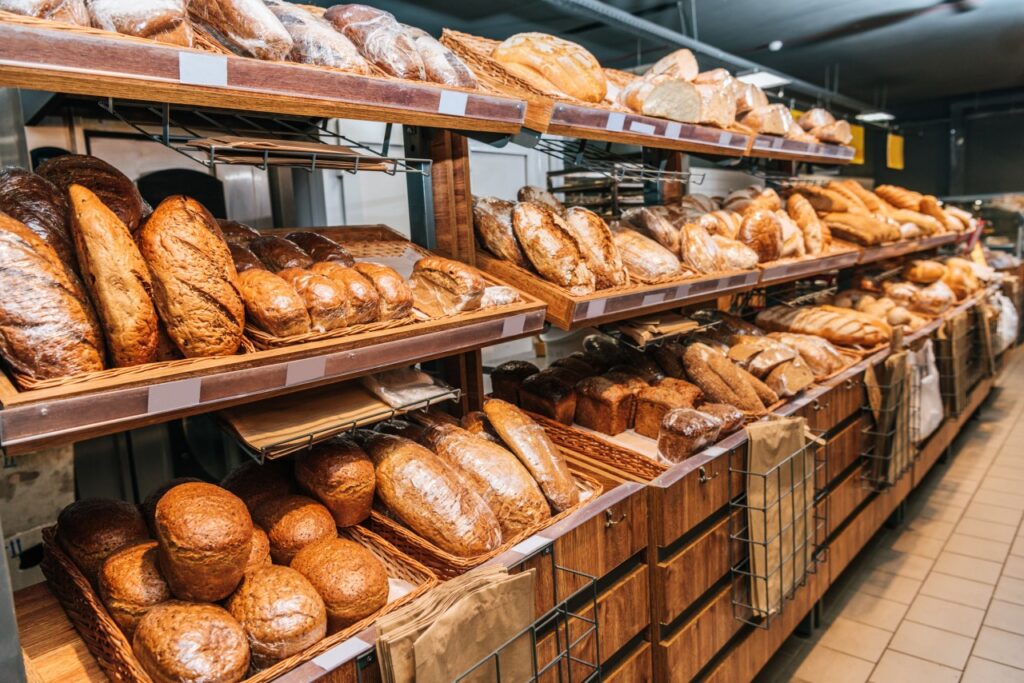
Bread aisles in the 1990s were simple and predictable. White and wheat loaves filled shelves, and bread was viewed as a dependable staple. As research questioned refined carbohydrates and digestion, consumer trust shifted. Shoppers began reading labels and seeking alternatives. Today’s bread aisle reflects that scrutiny. Whole grain, sourdough, sprouted, and gluten-free breads now dominate. Labels explain fermentation processes, fiber content, and sourcing details. Bread is no longer chosen automatically but evaluated carefully. This change mirrors how consumers learned to question long-held assumptions about carbohydrates and their role in everyday diets.
7. Beverage Aisle
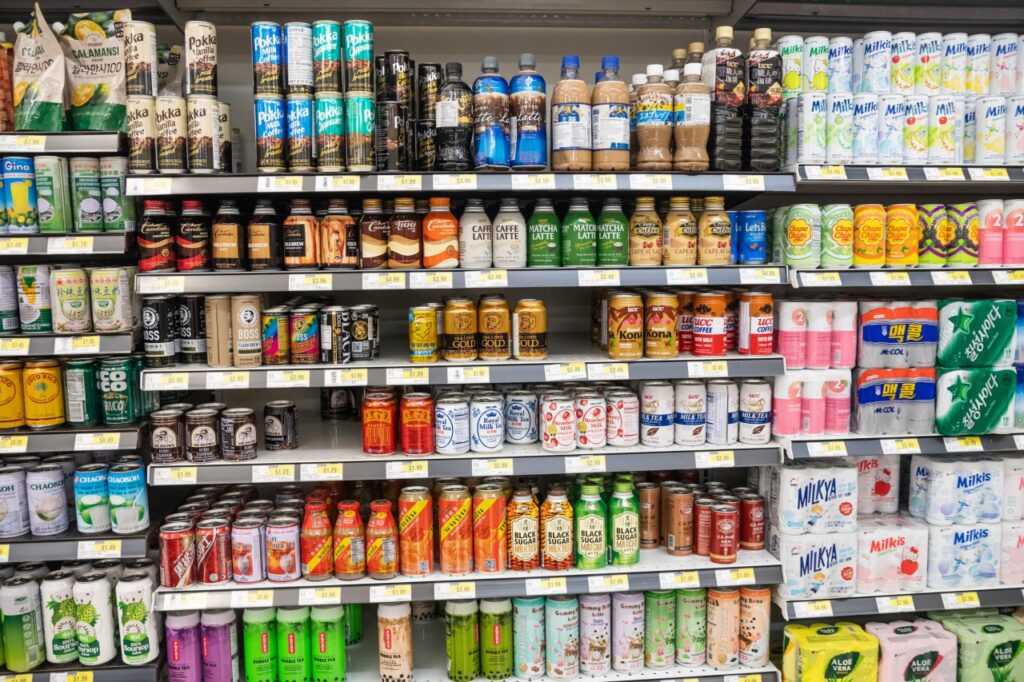
The beverage aisle of the 1990s was built around soda. Soft drinks occupied most shelf space, while bottled water played a minor role. As research highlighted the effects of sugar consumption, preferences shifted quickly. Water, flavored water, and low-calorie drinks expanded, followed by energy drinks and functional beverages promising hydration or focus. Today’s beverage aisle reflects wellness trends and lifestyle branding. Soda still exists, but it no longer defines the category. Choice and customization now drive purchasing, showing how health awareness reshaped even the most routine drink decisions.
8. Baby Food Section
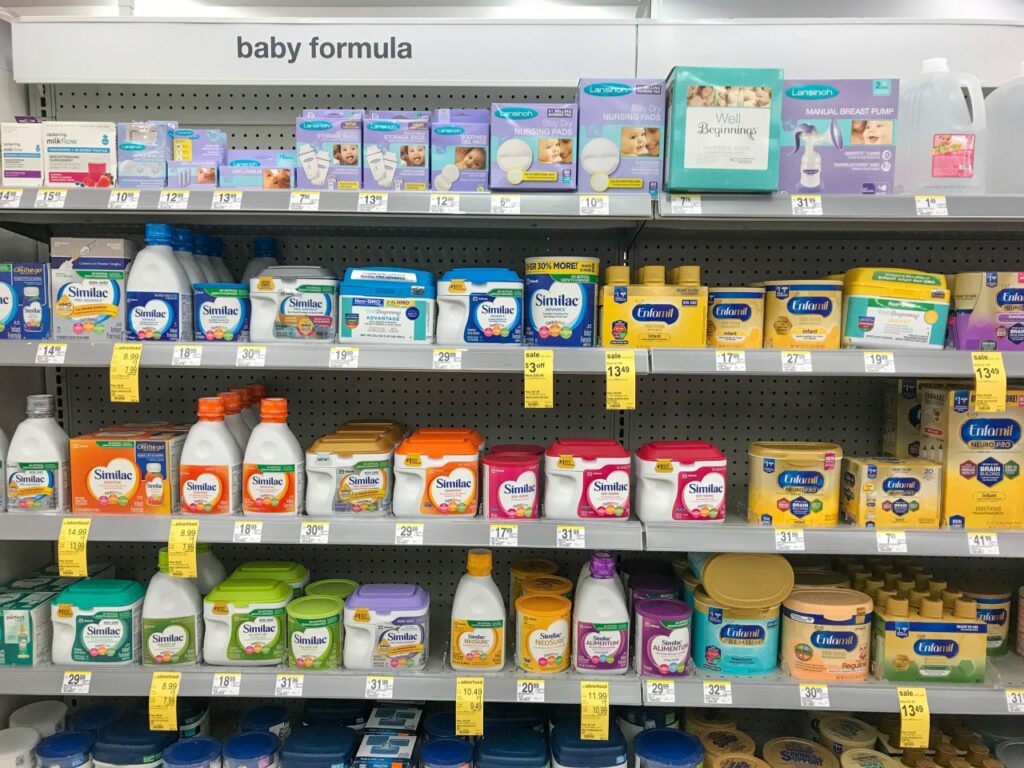
Baby food in the 1990s was standardized and predictable. Jarred purees dominated, and parents trusted brands without questioning ingredients or sourcing. As research into early childhood nutrition expanded, parents became more informed and selective. Today’s baby food aisles emphasize organic ingredients, texture progression, and developmental stages. Packaging supports modern feeding approaches and allergen awareness. Transparency and education now matter as much as convenience. This section changed as parenting culture became research-driven and invested in long-term health outcomes. Brands now compete on trust, ingredient clarity, and how well products support healthy eating habits.
9. Meat Department
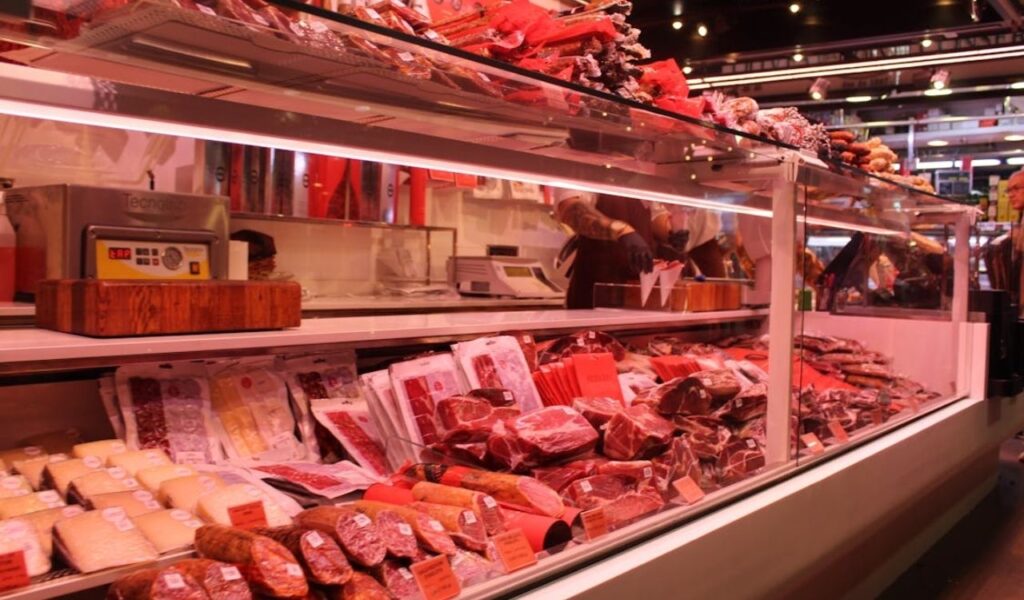
Meat departments in the 1990s focused on price and portion size. Labels were minimal, and sourcing information was rarely discussed. As research connected meat consumption to health and environmental concerns, transparency became essential. Today’s meat section highlights farming practices, antibiotic use, and animal welfare. Plant-based alternatives now compete for shelf space, and ready-to-cook options address time constraints. The department evolved from a basic butcher counter into an information-rich area shaped by ethics, convenience, and health awareness. Shoppers now expect clear labeling that helps them align purchases with personal values and dietary goals.
10. Baking Aisle
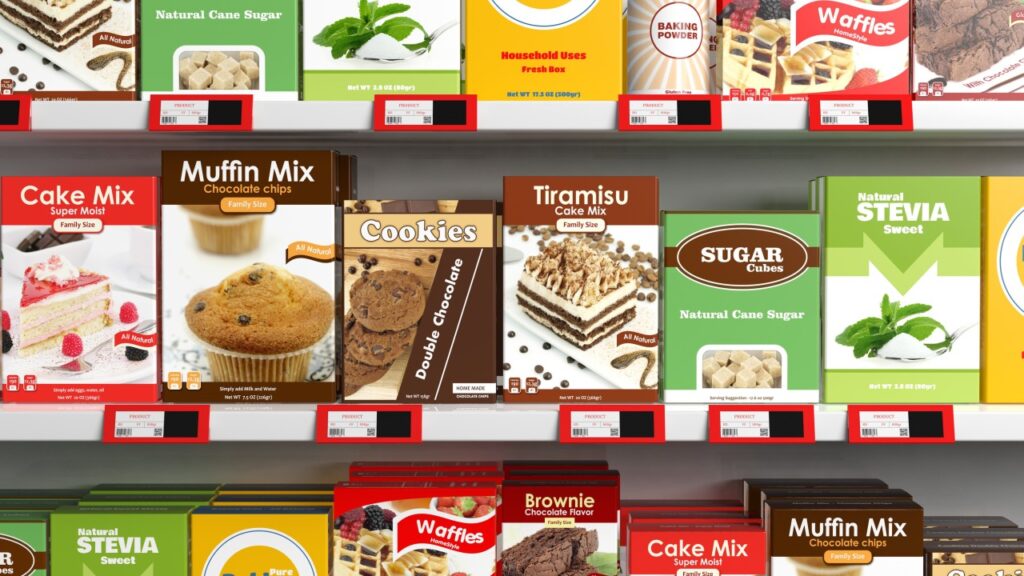
Baking aisles in the 1990s were straightforward and often seasonal. Flour, sugar, and boxed mixes met most needs, and baking followed standardized recipes passed down through families. As research into food sensitivities and alternative diets expanded, demand diversified and shelves slowly changed. Today’s baking aisle includes almond flour, coconut sugar, sugar substitutes, and specialty ingredients available year-round. Social media and cooking shows renewed interest in home baking, encouraging experimentation and skill-building. Shoppers now bake for health, creativity, and enjoyment rather than necessity alone.
11. International Foods
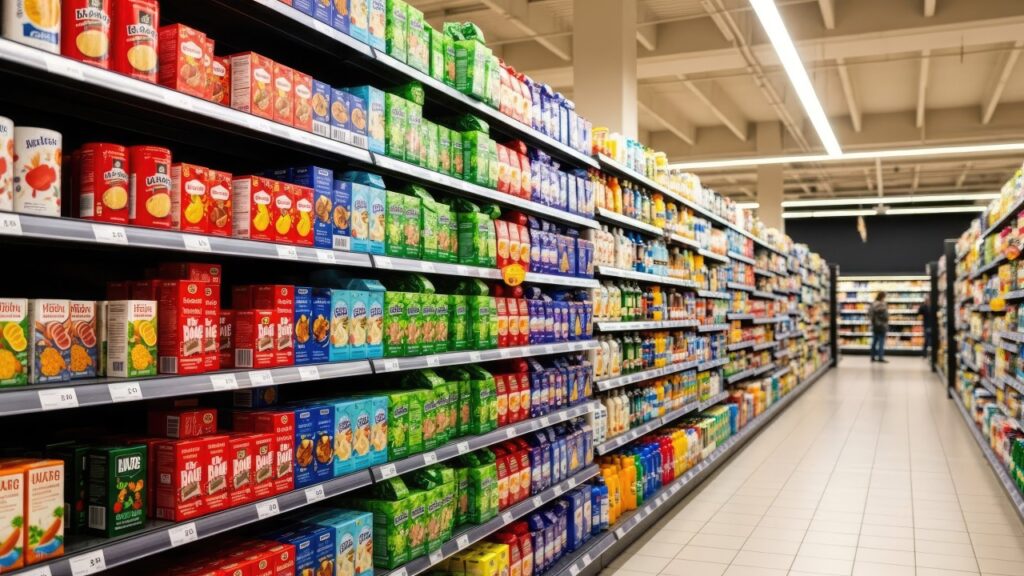
International foods were once limited to a small, easily overlooked aisle with basic sauces and boxed meals. Choices were narrow, and many ingredients were hard to find unless you visited specialty shops. As travel increased and immigrant communities grew, exposure to global flavors expanded naturally. Research into global diets and cooking traditions also sparked curiosity among home cooks. Today, many stores dedicate multiple aisles to international cuisines from Asia, Latin America, Africa, and the Middle East. Ingredients once considered exotic are now everyday staples. This aisle reflects cultural exchange and a growing confidence in cooking beyond familiar traditions.
12. Checkout Aisle
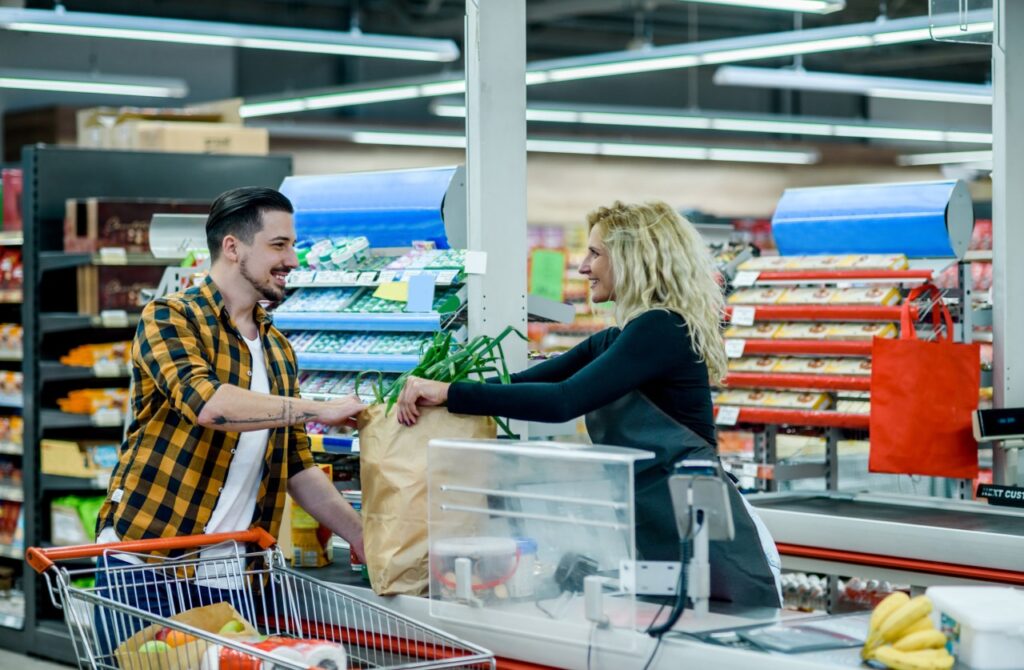
Checkout lanes in the 1990s relied heavily on candy bars, gum, and glossy magazines to drive impulse sales. These items were chosen for quick decisions made while waiting in line. As research into consumer behavior and health awareness grew, stores began reevaluating this strategy. Parents pushed back on constant candy placement, and shoppers wanted more useful options. Today’s checkout areas may include bottled drinks, small snacks, phone chargers, or travel-size essentials. The focus shifted from indulgence to convenience. Even last-minute purchases now reflect changing priorities and more mindful habits.
13. Household Goods
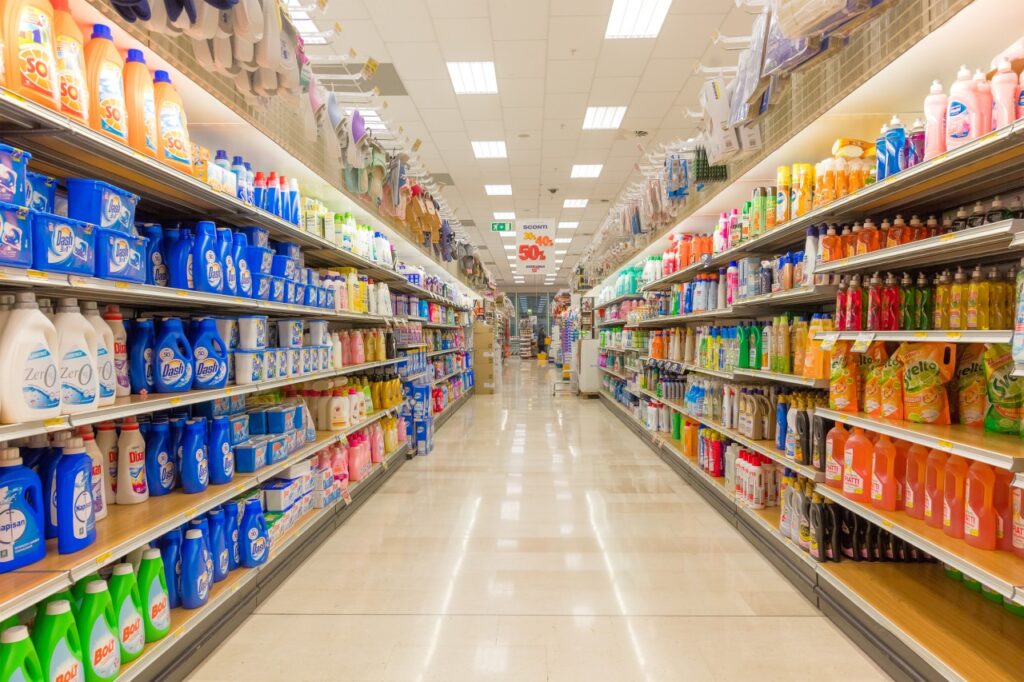
Household aisles in the 1990s emphasized strength, scent, and large quantities. Marketing focused on power and speed rather than long-term effects. As research highlighted environmental impact, indoor air quality, and chemical exposure, consumer priorities shifted. Shoppers began reading labels and questioning ingredients used daily in their homes. Today’s shelves feature eco-friendly packaging, refill stations, and plant-based formulas. Labels highlight safety, sustainability, and reduced waste. Even basic cleaning products now reflect thoughtful choices tied to health, environment, and responsible consumption.