The Midwestern Chili Habit That Quietly Makes Every Bowl Better

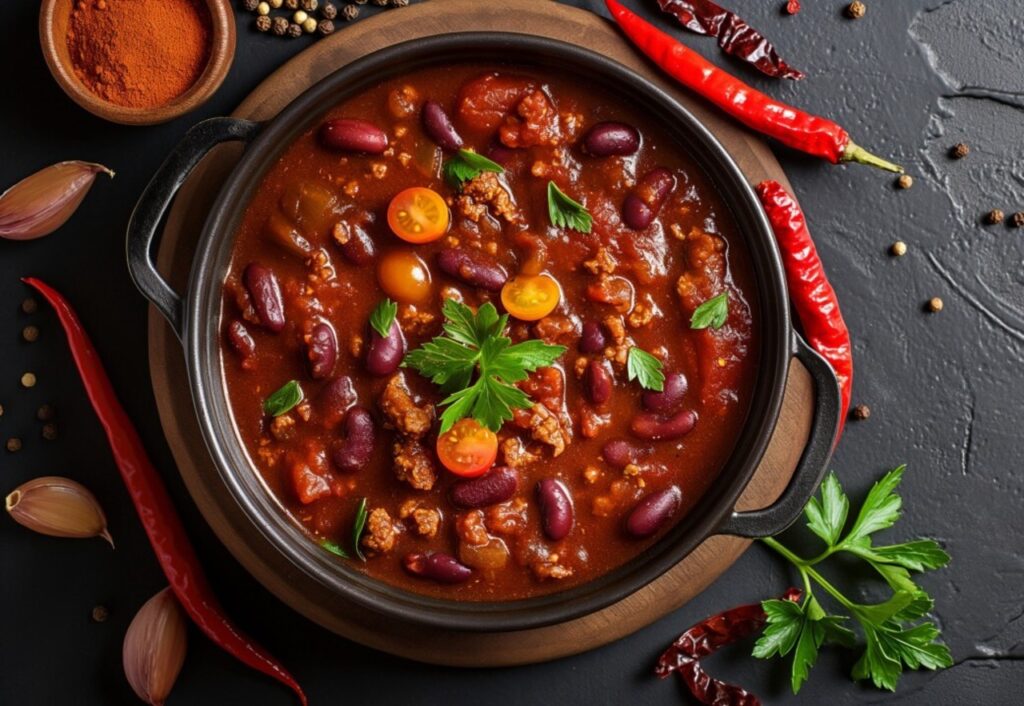
Across the Midwest, chili has never been treated as a standalone dish defined only by what goes into the pot. It is understood as part of a larger, quieter meal ritual shaped by routine and familiarity. What sits beside the bowl matters just as much as what fills it. This habit was learned early, often in school cafeterias and family kitchens, where chili was served the same dependable way week after week. No one framed it as a trick or improvement. It simply existed, reinforcing itself through repetition. Over time, the pairing became instinctive, woven into memory. The goal was never novelty.
What makes this habit endure is how effortlessly it improves the experience of eating chili. The companion element tempers heat, smooths acidity, and prevents flavors from becoming overwhelming halfway through the bowl. Each alternating bite resets the palate, keeping the chili rich and inviting instead of heavy or sharp. This happens without changing the recipe or adding ingredients to the pot. The improvement is structural rather than dramatic. Once you notice it, the logic becomes obvious. The pairing doesn’t feel clever or ironic. It feels practical and inevitable, the kind of solution that emerges when a food tradition is shaped by daily life instead of outside influence.
The Unexpected Sidekick to Chili
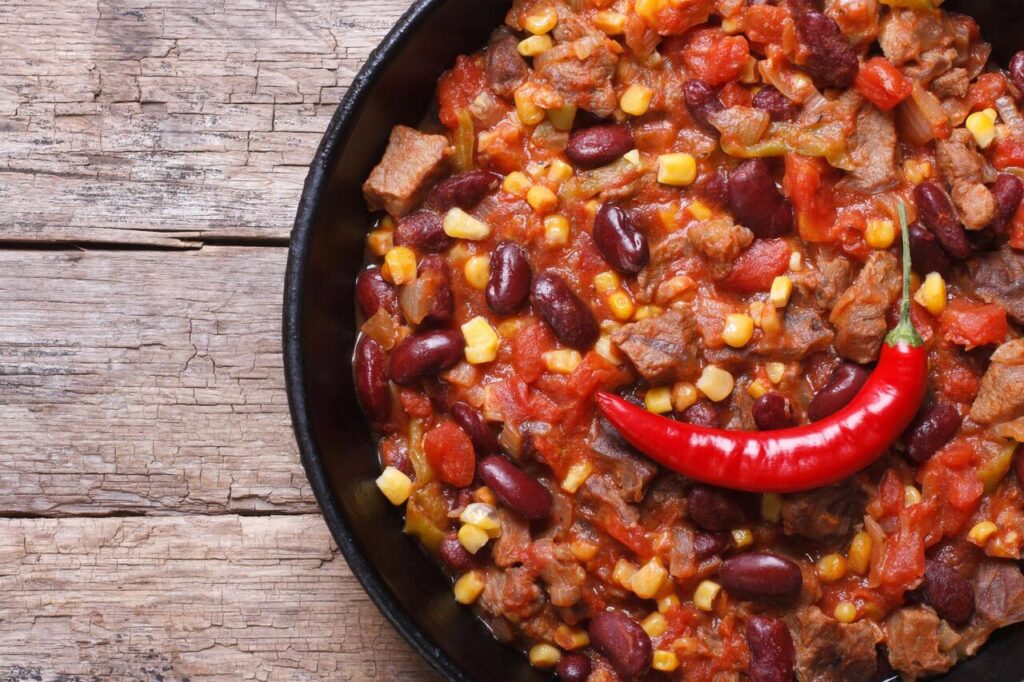
In much of the Midwest, chili rarely arrives alone, and that pairing feels so natural that it rarely draws comment. A peanut butter sandwich, usually on soft white bread, is placed beside the bowl as a quiet companion rather than a novelty. This habit shows up everywhere from home kitchens to school cafeterias and church suppers, reinforcing it as routine rather than tradition. No one makes a show of it. The sandwich is eaten in simple alternating bites, not dipped or transformed. Over time, that repetition teaches the pairing as normal, dependable, and expected. It becomes part of the rhythm of eating chili, shaped by memory and familiarity instead of explanation or curiosity.
What makes this sidekick effective is how gently it improves the chili itself. Chili is rich, savory, and often tomato-heavy, with spices that build warmth as you eat. Peanut butter brings fat and mild sweetness, softening sharp edges without dulling flavor. The creaminess calms heat and balances acidity, while the bread offers a neutral pause between spoonfuls. Each bite of the sandwich resets the palate, allowing the chili to taste full and inviting again. Nothing is altered in the pot, yet the meal feels more complete. For Midwesterners, the logic feels instinctive, learned early, and trusted quietly because the balance simply works.
How the Tradition Took Root
This habit took root not because anyone was trying to be clever, but because it solved several everyday problems at once. In many Midwestern households, meals needed to be filling, affordable, and easy to serve to large groups without stress. Chili fit that role perfectly. It could be made in big batches, held warm for long periods, and fed families without expensive ingredients. Peanut butter sandwiches were just as practical. Peanut butter was shelf-stable, inexpensive, and familiar to children and adults alike. Serving the two together required no special planning and stretched the meal further.
Schools played a quiet but powerful role in locking the habit into place. For decades, chili with a peanut butter sandwich appeared regularly on cafeteria menus across the region. Children encountered the pairing early and often, learning to accept it as normal rather than unusual. Over time, repetition turned familiarity into expectation. Those students grew up, carried the habit home, and served it to their own families without second thought. The pairing spread naturally through church dinners, potlucks, and community gatherings, reinforced by shared memory instead of written recipes. It endured because it worked.
What Makes Midwestern Chili Unique
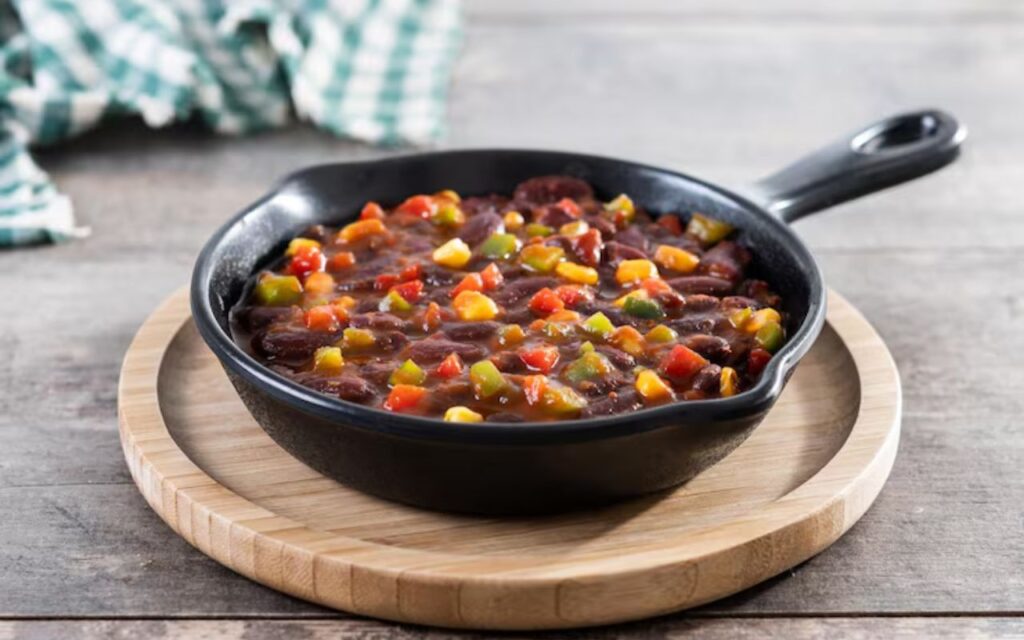
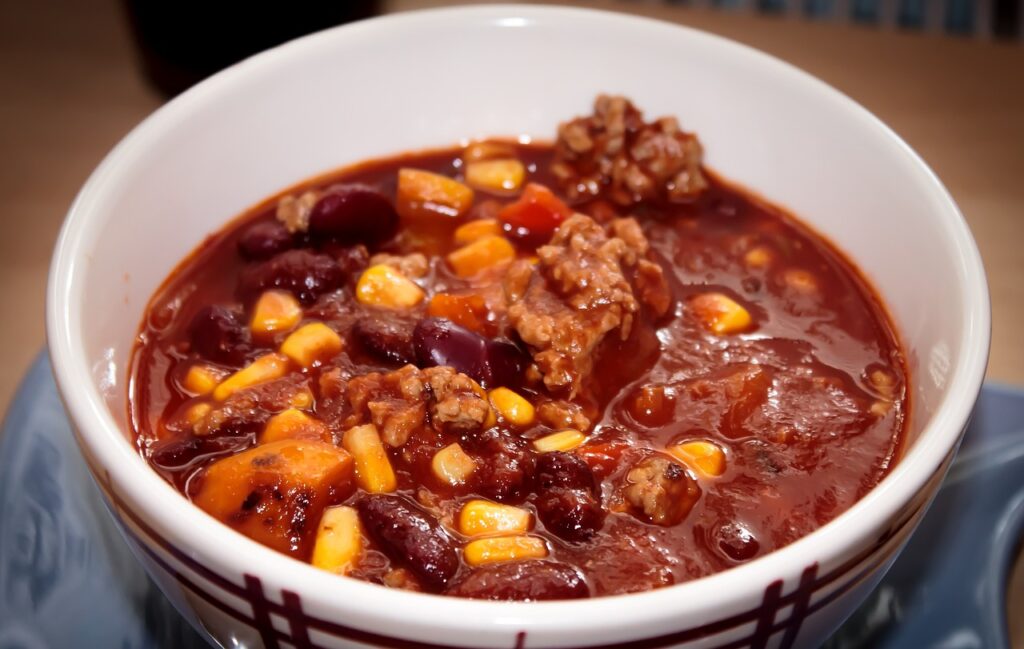
Midwestern chili is built to be welcoming rather than extreme, and that intention shows in both flavor and structure. It is typically tomato-forward, gently spiced, and thick enough to feel filling without becoming heavy or overwhelming. Heat is present, but it is controlled, allowing the chili to be enjoyed by children and adults alike without numbing the palate. Beans, meat, and tomatoes are balanced, so no single element dominates. This restraint creates a steady, comforting base that rewards slow eating. Because the flavors are rounded instead of sharp, the chili leaves room for something creamy and mild to complement it.
Texture plays an equally important role in why this style of chili works so well. The chili itself is warm, spoonable, and dense, designed to coat the mouth rather than rush through it. A peanut butter sandwich offers contrast without disruption. The bread is soft and dry, while the peanut butter is smooth and rich, creating a pause between bites of chili. Alternating textures prevents palate fatigue and keeps the meal engaging without adding complexity. This reflects a broader Midwestern food philosophy that values harmony over intensity. The goal is never to shock the senses, but to make each bowl feel steady, satisfying, and complete from start to finish.
Why Peanut Butter Works
Peanut butter works with chili because it addresses the dish’s strongest edges without interfering with its core flavor. Chili is bold by nature, built on tomatoes, spices, and slow-simmered ingredients that create heat and acidity as the bowl progresses. Peanut butter introduces fat and gentle sweetness, which naturally softens those elements. Fat coats the palate, reducing the sharpness of spice, while sweetness balances tomato acidity and the bitterness that chili powder can develop. The flavors never merge directly, which is key. Instead, alternating bites creates a rhythm that keeps chili tasting rich and rounded rather than aggressive.
There is also a practical nutritional logic behind the pairing that helps explain why it endured. Chili already delivers protein, fiber, and warmth, making it filling but sometimes heavy on its own. Peanut butter adds additional protein and healthy fats that increase satiety and slow digestion, helping the meal feel complete rather than one-note. Importantly, the peanut butter remains separate. It is not stirred into the chili or used as a topping. That separation preserves contrast and prevents flavors from clashing. Each component serves a clear purpose, creating balance through contrast rather than combination, which is why the pairing feels intentional instead of strange.
What This Says About Regional Food Habits
Midwestern food traditions tend to form quietly, shaped less by trends and more by repetition, practicality, and shared routines. The chili and peanut butter pairing fits this pattern perfectly. It wasn’t created to surprise or impress, but to feed people reliably and comfortably. In the Midwest, meals often grow out of schools, churches, and family kitchens, where consistency matters more than presentation. Foods that work well are repeated until they become normal. Over time, usefulness becomes tradition. This is why the pairing persists. It delivers balance, nourishment, and familiarity without asking for attention.
What’s most revealing is how unremarkable this habit feels to the people who grew up with it. Many Midwesterners are genuinely surprised to learn that others find the pairing odd. Within the region, it isn’t framed as a twist, upgrade, or secret trick. It’s simply how chili is served. That quiet confidence speaks volumes about regional food identity. The pairing doesn’t need validation because it has already proven itself through decades of everyday use. It shows how meaningful food traditions don’t need to be loud or performative. Often, the combinations that last longest are the ones shaped by habit, trust, and shared experience rather than innovation or explanation.
Reference
- The Midwestern Way To Eat Chili (It’s So Much Better) – simplyrecipes.com
- Midwestern Chili – pluggedintocooking.com
- 12 Tips for Making Best-Ever Chili – tasteofhome.com