8 Grocery Chains Moving Into New States in 2026 That Locals Don’t Quite Know What to Make of Yet

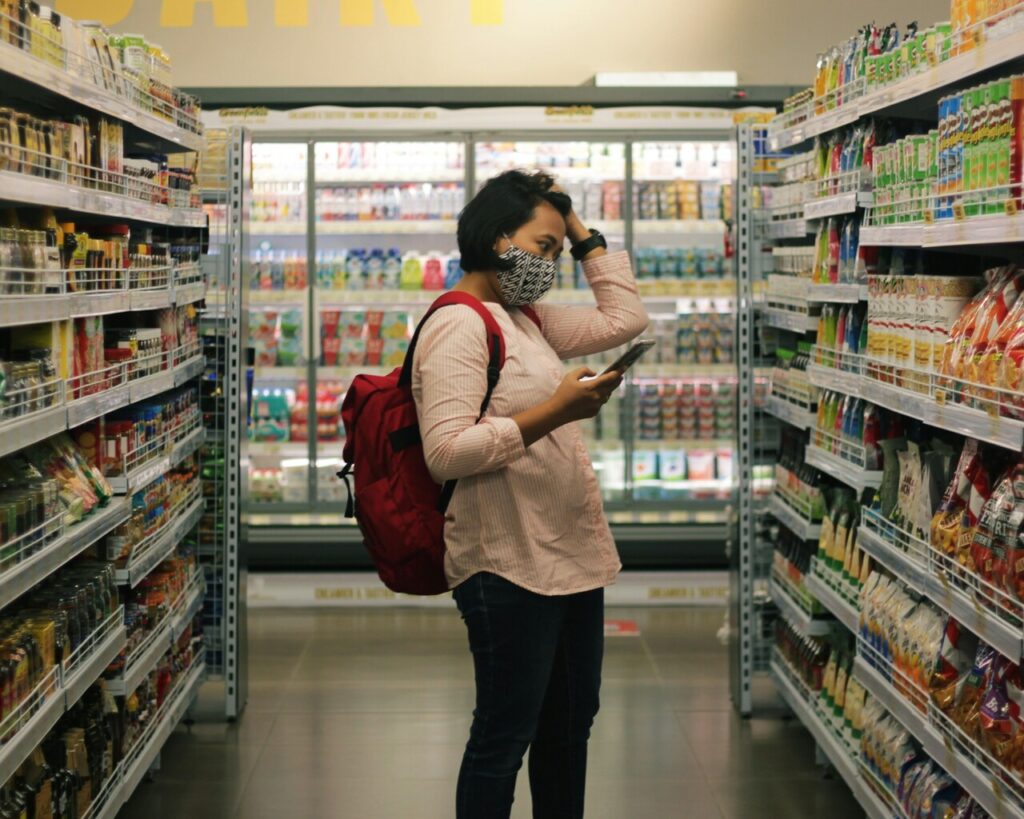
Grocery shopping habits are often shaped by familiarity. Most people know exactly where to go for certain items and what to expect from their local stores. As major grocery chains expand into new states in 2026, that sense of familiarity is being challenged. Each of these chains brings a distinct way of operating, from store layouts to pricing strategies and product selection. While these differences can offer new benefits, they can also feel unfamiliar at first. For many shoppers, the experience is less about convenience and more about learning how a new kind of grocery store works.
1. Aldi
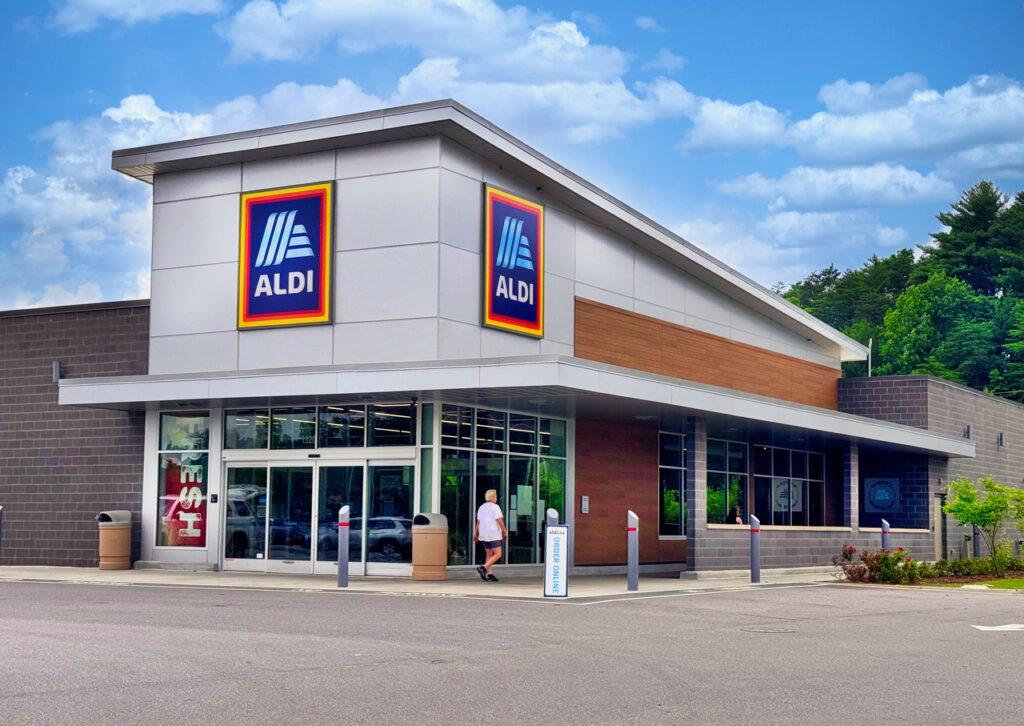
Few grocery chains change shopping habits as quickly as Aldi. Known for its smaller store layout and heavy focus on private label products, the chain has built a reputation for low prices and efficiency.
The adjustment comes from how the store operates. Customers often need to bring their own bags, deposit a coin to use a cart, and choose from a limited selection compared to larger stores.
This model is designed to reduce costs at every step, which is how Aldi keeps prices low. Once shoppers understand the system, it becomes easier to navigate, but the initial experience can feel unfamiliar, especially in regions where full-service grocery stores are the norm.
2. Publix
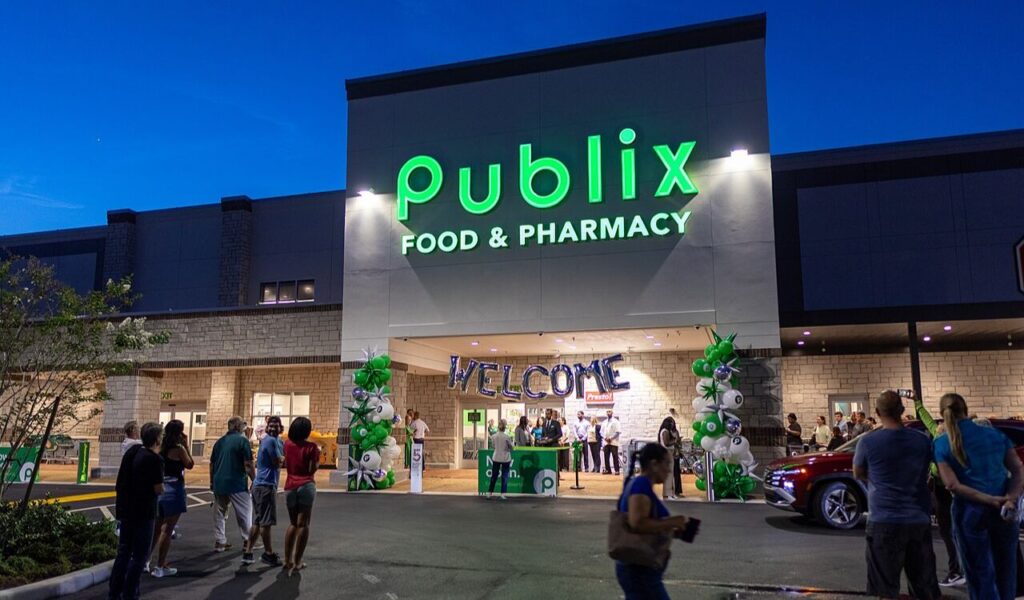
Publix has long been associated with strong customer service and clean, well-organized stores. As it expands beyond its traditional regions, new customers are encountering a grocery chain that places a noticeable emphasis on service and store experience.
For shoppers in new markets, the difference is not always immediately clear. Prices can be higher than discount-focused competitors, and the value often comes from service, prepared foods, and overall store quality rather than just cost savings.
This can lead to mixed reactions. Those who prioritize convenience and service tend to appreciate the approach, while others may focus more on pricing. The brand’s appeal becomes clearer over time, but it may not stand out right away in unfamiliar areas.
3. Wegmans
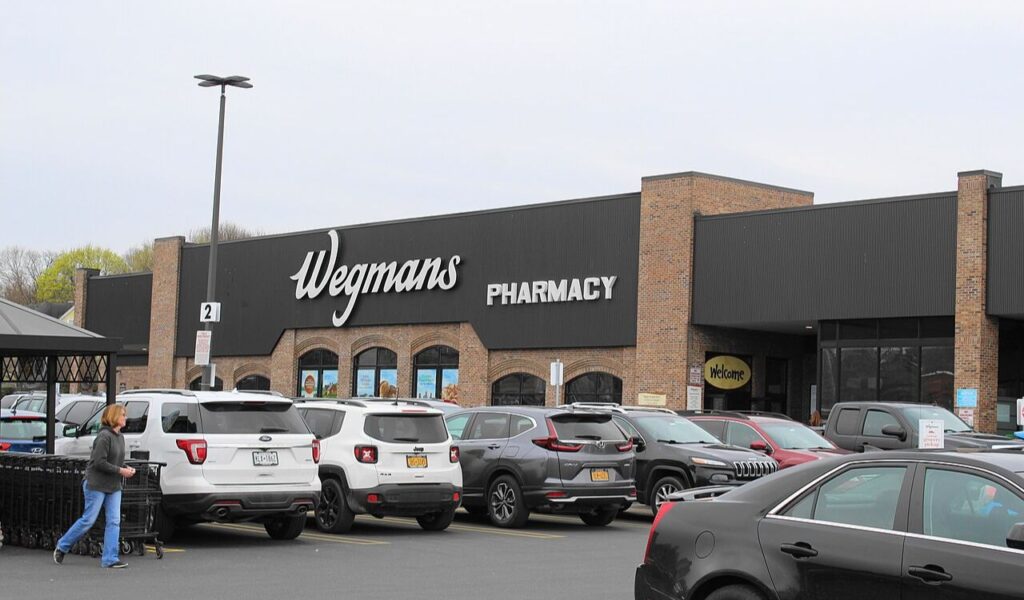
Wegmans is often described as a hybrid between a grocery store and a food destination. Its stores feature large prepared food sections, specialty items, and a wide variety of products that go beyond basic grocery needs.
In new regions, this scale can feel overwhelming. The stores are larger than average, and the range of options may take time for shoppers to fully explore. Prices can also vary widely depending on the type of product, which adds to the learning curve.
The concept is built around offering both everyday groceries and a more immersive food experience. For first-time visitors, it may feel less like a quick shopping trip and more like navigating a full food marketplace.
4. Sprouts Farmers Market
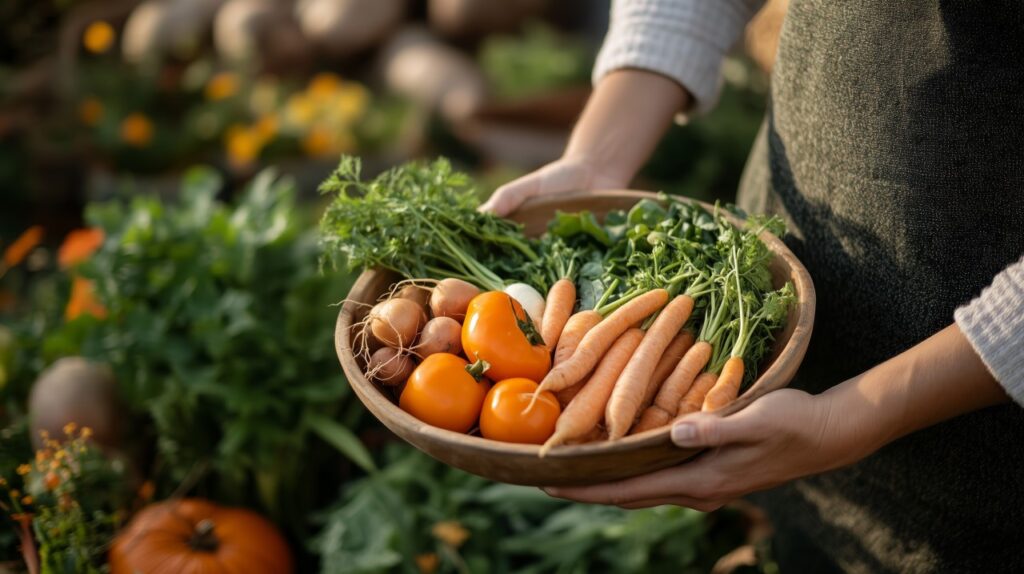
Sprouts focuses on fresh produce, natural foods, and health-oriented products. Its layout often highlights fruits and vegetables at the center of the store, creating a different flow compared to traditional supermarkets.
For shoppers unfamiliar with this format, the emphasis on specialty and organic items can feel different from what they are used to. Prices on certain products may also vary, especially when compared to standard grocery chains.
The store is designed to cater to specific preferences around health and freshness. While it appeals strongly to some customers, others may take time to adjust to the product mix and pricing approach.
5. H Mart
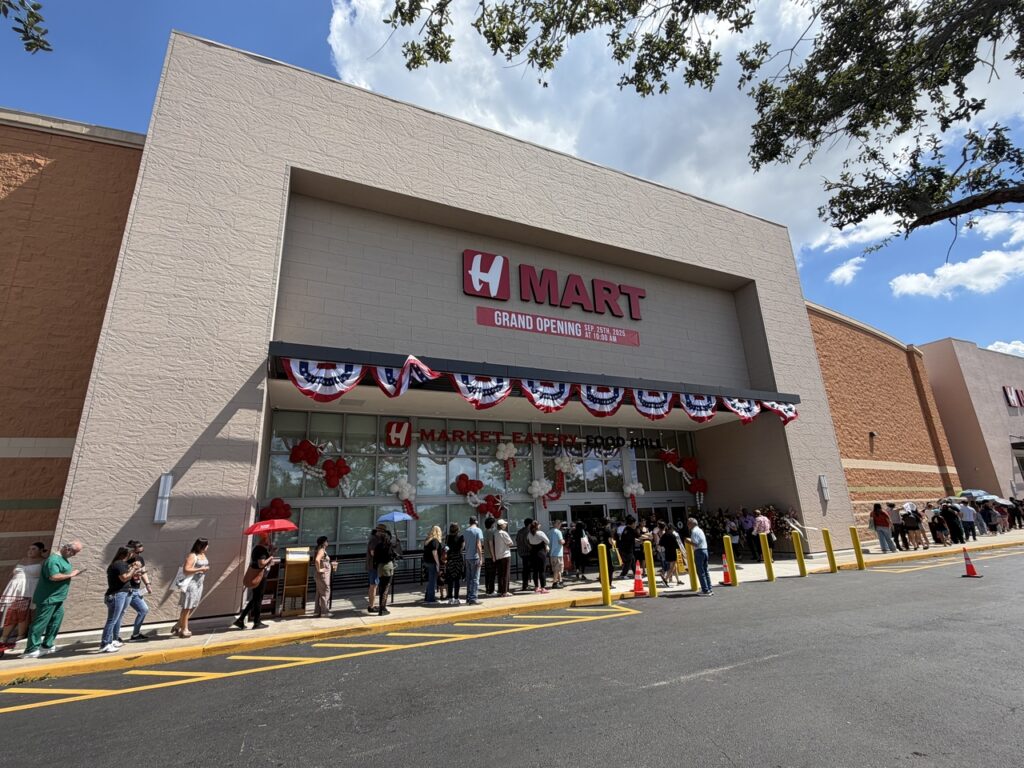
H Mart brings a unique shopping experience centered around Asian groceries and international products. Its stores often include a wide selection of fresh produce, seafood, and specialty ingredients that are not commonly found in typical supermarkets.
For many first-time shoppers, the variety can feel unfamiliar. Product labels, ingredients, and preparation methods may not be immediately recognizable, which can make the experience feel more like exploration than routine shopping.
This difference is what makes the store stand out. It introduces new ingredients and cooking styles, but it also requires a willingness to learn and try something different, which can lead to mixed reactions.
6. Save A Lot
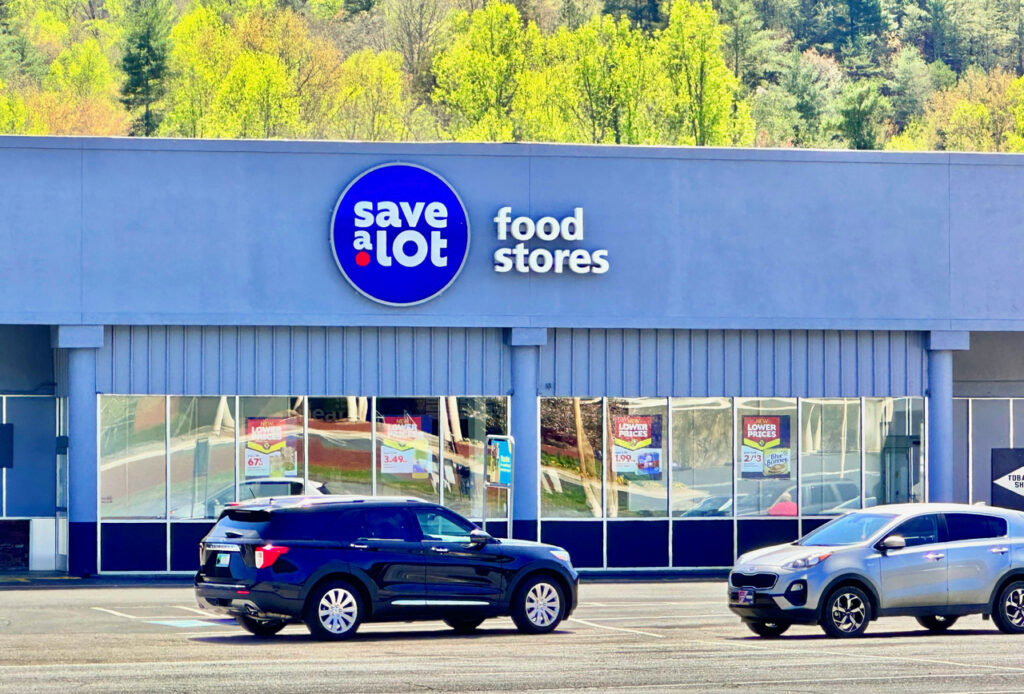
Save A Lot is built around simplicity and affordability. The stores are smaller, with a focus on essential items and a large selection of private-label products that keep costs low.
In new markets, this stripped-down approach can feel very different from full-service grocery stores. The limited selection and minimal store design may not match what some shoppers expect from a typical supermarket.
The model is designed to prioritize value over variety. For customers focused on budget shopping, it works well, but others may find the experience less appealing if they are used to a wider range of options.
7. Sam’s Club
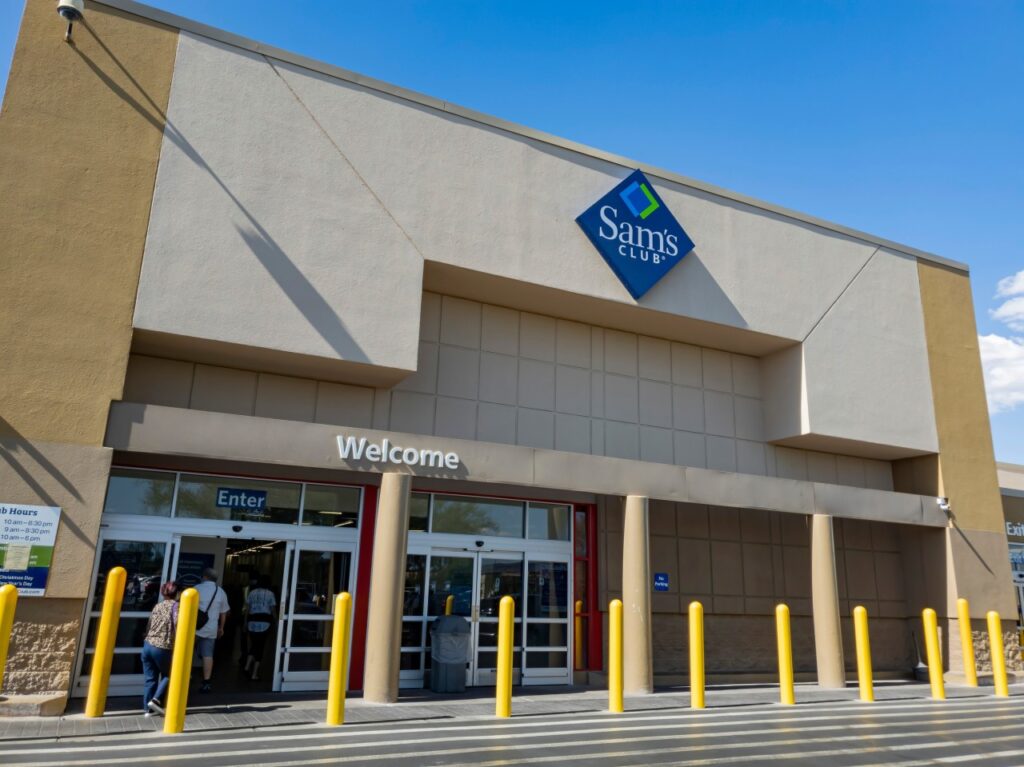
Sam’s Club operates on a membership model, offering bulk products at lower unit prices. Its expansion introduces new shoppers to warehouse-style shopping, which differs significantly from traditional grocery stores.
The main adjustment comes from buying in larger quantities. Not all households are used to purchasing items in bulk, and the upfront cost can feel higher even if the long-term savings are clear.
This format is built for efficiency and value, but it requires a different approach to shopping. For those unfamiliar with the model, it may take time to see the benefits and adapt to the buying style.
8. Trader Joe’s
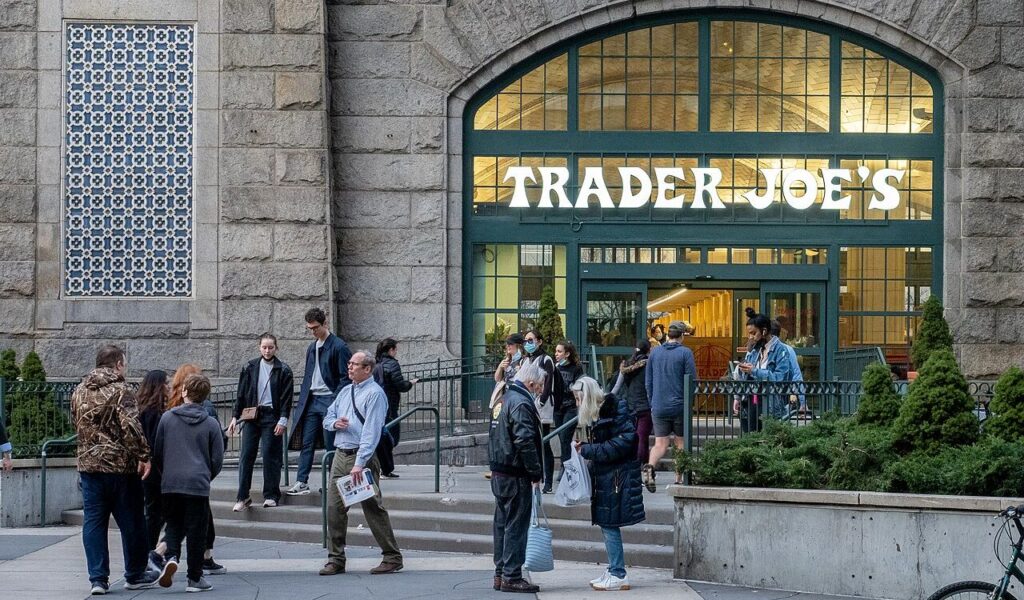
Trader Joe’s has developed a strong following for its curated product selection and private label focus. The stores are smaller, with a unique mix of items that are not typically found in other grocery chains.
For shoppers in new areas, the limited selection can be surprising. Instead of offering multiple versions of the same product, the store often carries only one or two options, which can feel restrictive at first.
The approach is intentional, focusing on simplicity and distinctive products. While many customers grow to appreciate the format, it may take a few visits to understand how the store differs from more traditional grocery shopping experiences.