5 Ingredients in Your Kid’s Cereal That Are Illegal in Dozens of Countries


That brightly colored cereal box can look harmless, even nostalgic, but some ingredients inside have sparked major concern around the world. In fact, several additives and chemicals commonly associated with packaged breakfast foods are restricted or banned in dozens of countries. Here’s a closer look at five ingredients that have raised red flags abroad and why parents keep hearing about them at home.
Titanium Dioxide
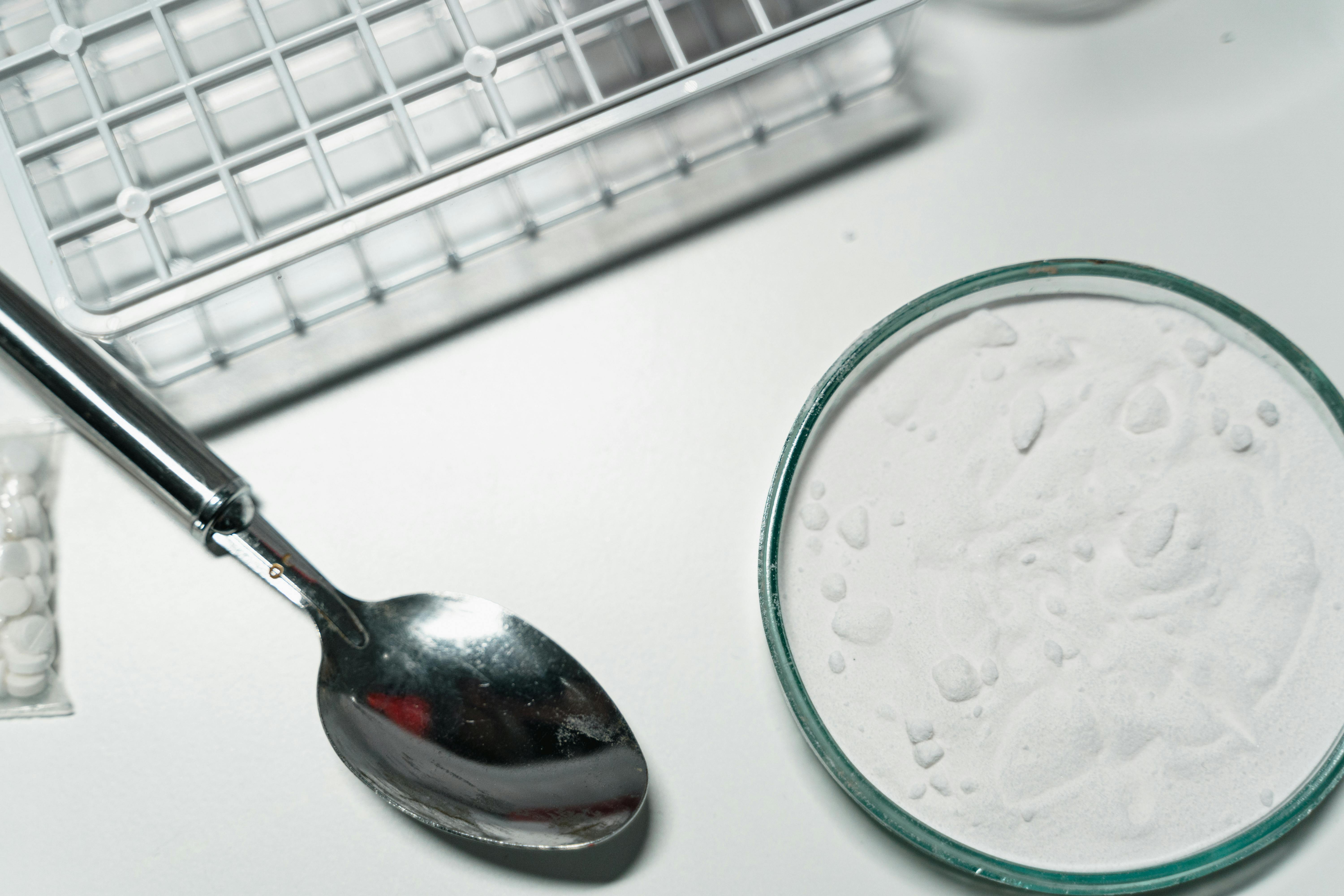
Titanium dioxide is used to make foods look brighter, whiter, and more visually appealing, and it has appeared in candies, baked goods, and some highly processed cereals. While it may seem like a cosmetic detail, regulators in several countries have taken a harder look at what happens when tiny particles of this additive are consumed regularly.
The European Union moved to ban titanium dioxide as a food additive after safety authorities said they could no longer rule out concerns about genotoxicity. That doesn’t mean every bowl of cereal is an immediate health emergency, but it does show how differently governments can interpret the same ingredient. For parents, it’s a reminder that “looks fun” on the shelf doesn’t always mean “fully settled” in the science.
Brominated Vegetable Oil
Brominated vegetable oil, often called BVO, is more commonly linked to citrus-flavored drinks, but its presence in the broader processed food conversation matters because it represents the kind of additive many parents never think to question. In products aimed at kids, these ingredients can move from obscure label item to headline topic very quickly.
BVO has been banned in countries including Japan and across the European Union for years, largely because of concerns tied to bromine buildup in the body. U.S. regulators have also moved against it more recently, reflecting a shift in how these older additives are being viewed. Even if it’s not in every cereal box, it’s part of the same ultra-processed food landscape that keeps consumer advocates on alert.
Potassium Bromate

Potassium bromate is a flour treatment additive used to strengthen dough and improve texture, and while it’s more often associated with bread products, it can show up in grain-based processed foods connected to the breakfast aisle. That makes it relevant for families trying to understand what may be hiding in cereals, toaster pastries, and other quick morning staples.
This ingredient has been banned in many countries, including the United Kingdom, Canada, and across the European Union, because of evidence from animal studies that raised cancer concerns. In the U.S., it has lingered longer in parts of the food supply, though many manufacturers have phased it out voluntarily. For shoppers, it’s another example of how food rules can vary dramatically depending on where you live.
Artificial Food Dyes

Artificial dyes like Red 40, Yellow 5, and Yellow 6 help create the neon pinks, electric blues, and cartoon-bright oranges that make kids’ cereals so eye-catching. They’re effective from a marketing standpoint, but they’ve also been at the center of a long-running debate about behavior, hyperactivity, and how much synthetic color children really need at breakfast.
Several countries either restrict certain dyes, require warning labels, or push manufacturers toward natural alternatives. In parts of Europe, products containing some synthetic colors must carry notices about possible effects on activity and attention in children. That doesn’t amount to a universal worldwide ban, but it does reveal a much more cautious approach than many American shoppers are used to seeing.
Butylated Hydroxyanisole
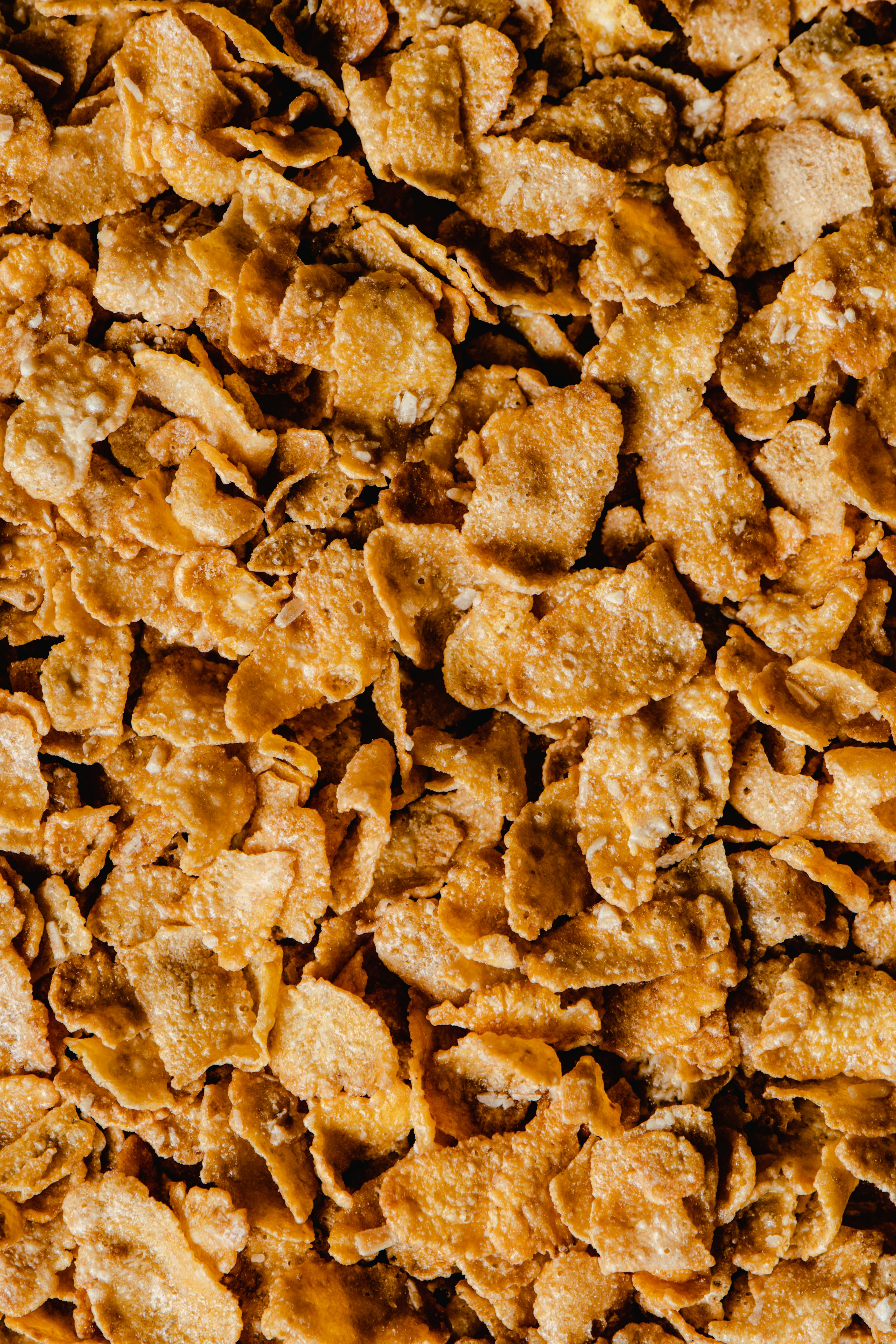
Butylated hydroxyanisole, better known as BHA, is a preservative used to keep fats and oils from going rancid in processed foods. It can be found in cereals and snack products that need a long shelf life, especially the kind marketed for convenience. Because it helps maintain freshness, it often slips by unnoticed on ingredient lists.
Yet BHA has faced restrictions in several countries and remains controversial because it has been classified by some health authorities as reasonably anticipated to be a human carcinogen based on animal research. Regulators don’t all agree on the level of real-world risk, which is exactly why the ingredient keeps resurfacing in consumer debates. For parents, it’s one more label term worth recognizing before tossing a favorite box into the cart.