Expensive Grocery Stores You Shall Stop Buying From

Sticker shock at the checkout line is becoming a familiar part of grocery shopping. While some stores justify higher prices with better service or curated selections, many shoppers are paying premium rates for basics they could buy elsewhere for less. This gallery breaks down the kinds of expensive grocery stores that can quietly drain your food budget and explains when it may be smarter to walk away.
Luxury Organic Markets
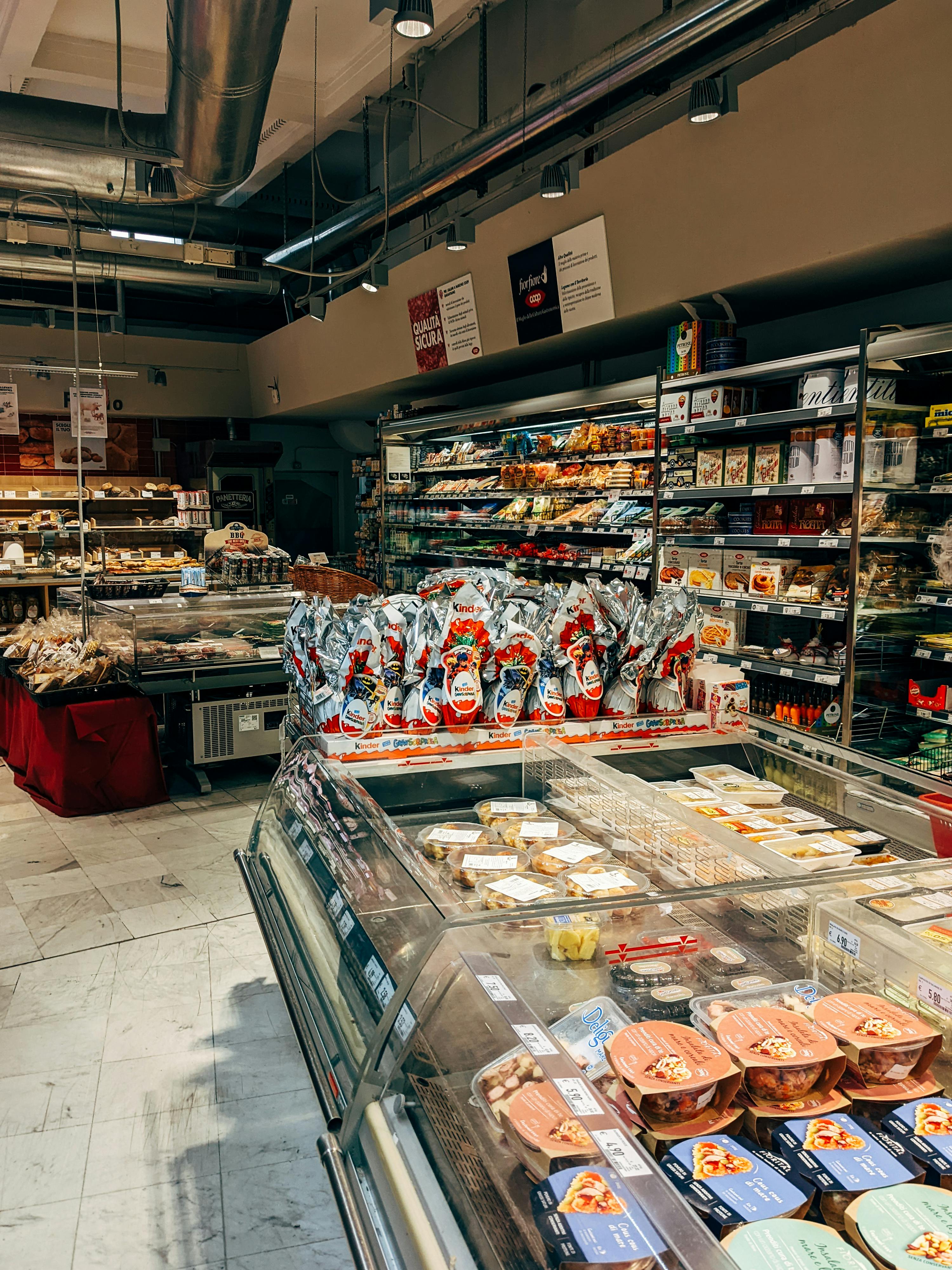
Luxury organic markets can feel like a treat, with spotless produce displays, artisanal snacks, and a calm shopping experience that makes every errand seem elevated. The problem is that the atmosphere often comes with a markup on basics like eggs, milk, pasta, and frozen vegetables.
If you are shopping for specialty items, the premium may occasionally make sense. But if your cart is mostly everyday staples, these stores can inflate your weekly bill fast.
Many budget chains and even conventional supermarkets now carry organic options at noticeably lower prices, making the upscale version harder to justify.
Boutique Neighborhood Grocers
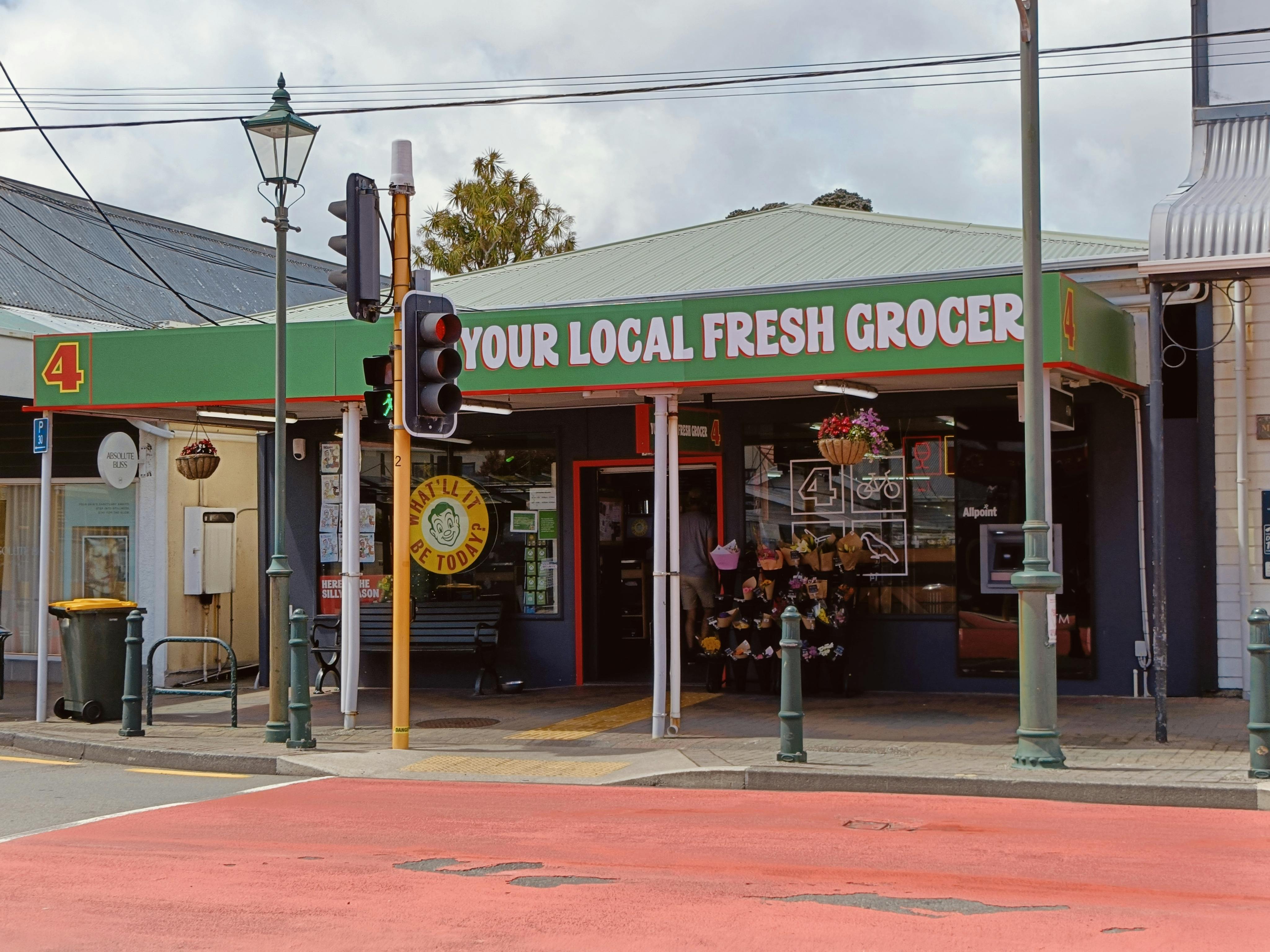
Small neighborhood grocers often win shoppers over with charm, convenience, and carefully selected products. There is real value in being able to pop in for dinner ingredients without navigating a giant parking lot or sprawling store.
Still, convenience can become expensive when pantry basics, canned goods, and beverages are priced far above the market average. A quick stop for a few items can somehow turn into a startling total at the register.
These stores are best treated as backup options rather than main shopping destinations. For routine weekly trips, the numbers usually work against you.
Gourmet Specialty Food Stores

Gourmet food stores are wonderful places to browse if you want imported olive oil, rare cheeses, or beautifully packaged desserts. They are designed to make food shopping feel indulgent, and for special occasions that can be part of the appeal.
The issue starts when shoppers rely on them for ordinary groceries. Bread, cereal, yogurt, and simple produce often cost dramatically more than they do at mainstream chains.
A store built around luxury ingredients is rarely the right place to buy lunchbox snacks and breakfast staples. Save these spots for entertaining, not for your everyday list.
Urban Convenience-Style Supermarkets

In dense city neighborhoods, convenience-style supermarkets often survive because they are close, easy, and open when shoppers need them. That accessibility can be a lifesaver after work or during bad weather, especially when hauling bags across town is not realistic.
But those advantages usually show up in the pricing. Basic items like bottled water, cereal, eggs, and packaged snacks can cost much more than they would at a full-size supermarket or warehouse club.
For emergency runs, they are useful. For weekly shopping, they can quietly push your grocery spending much higher than necessary over time.
Health Food Chains With Premium Markups
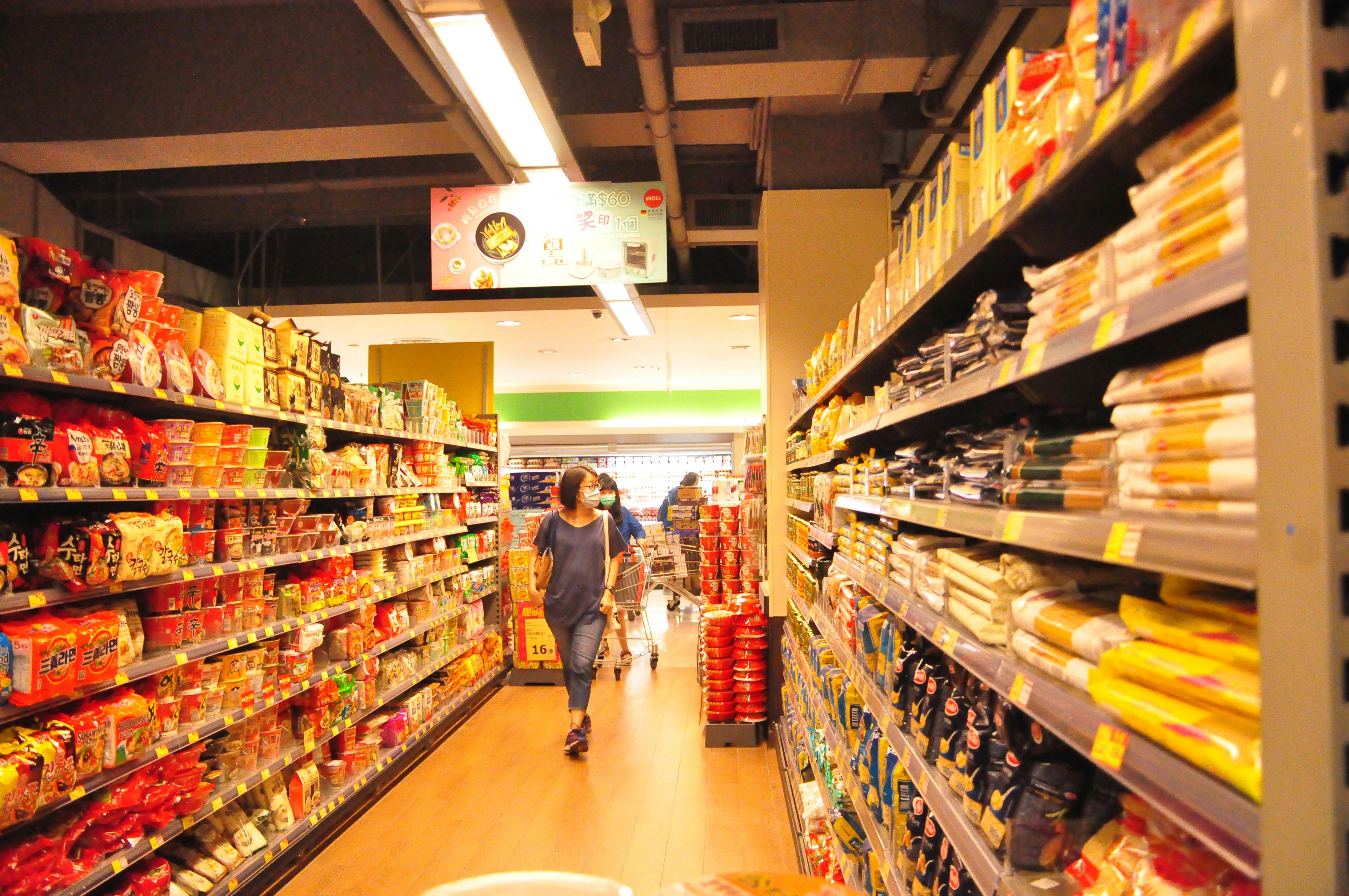
Health-focused grocery chains often market themselves as the smarter way to shop, with shelves full of natural, clean-label, and wellness-driven products. That message can make high prices feel almost responsible, especially when you are trying to eat better.
Still, not every expensive item is nutritionally superior. In many cases, shoppers are paying extra for branding, packaging, and buzzwords rather than a meaningful difference in quality.
You can often find comparable whole grains, nut butters, produce, and supplements at lower prices elsewhere. A healthy grocery cart does not have to come with luxury-store totals.
Prepared-Food Heavy Markets
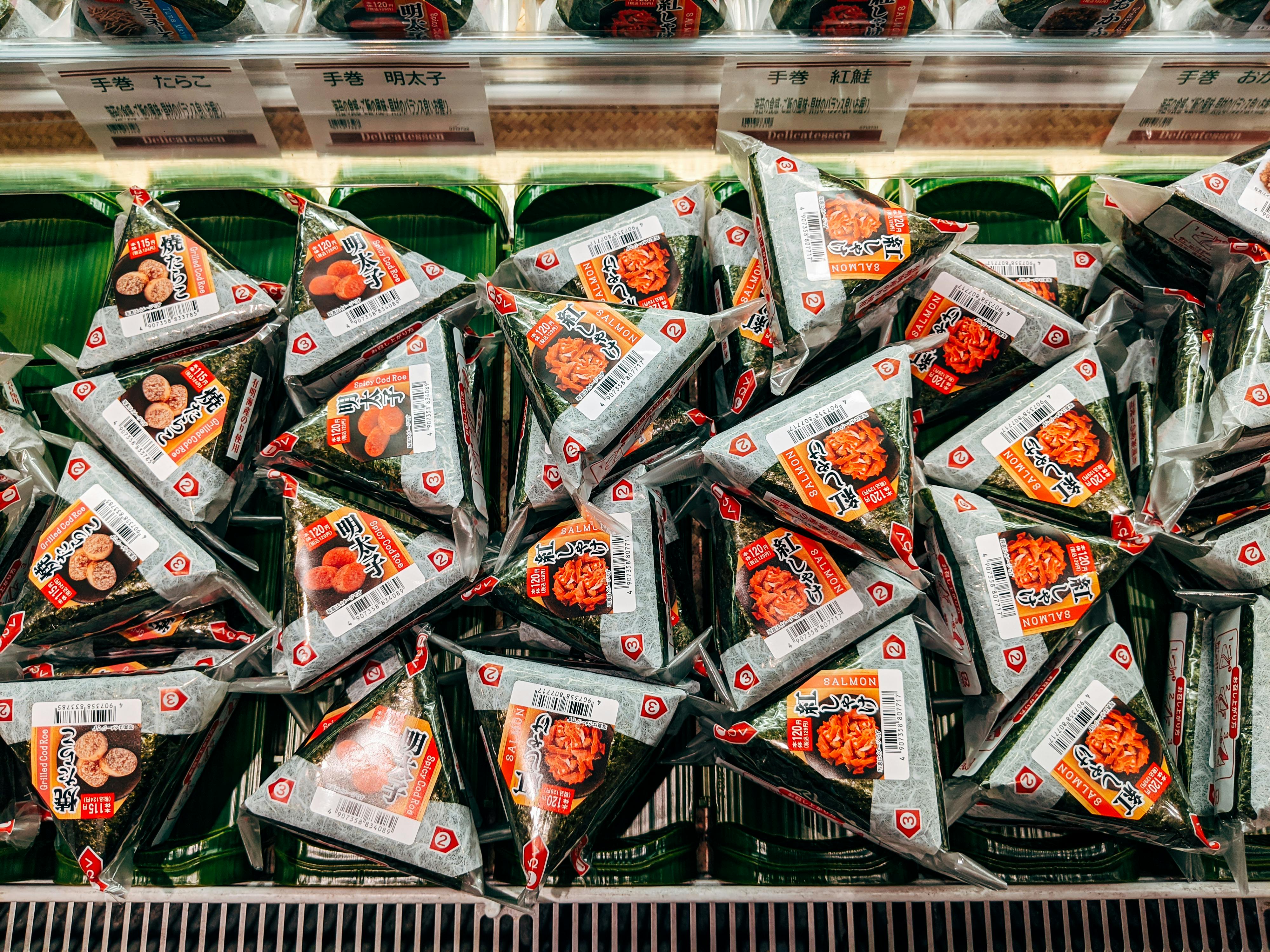
Markets that lean heavily on prepared foods can be seductive, especially after a long day when the hot bar and ready-made meals look like the easiest answer. They combine grocery shopping and takeout in one place, which is exactly why they can become so expensive.
Once a store is built around convenience meals, the pricing on everything else often rises with that premium identity. Even simple ingredients can cost more because the entire shopping experience is positioned as upscale and time-saving.
If you mostly cook at home, you are often better off buying ingredients somewhere less polished and much less costly.
Airport and Resort Area Grocery Stores
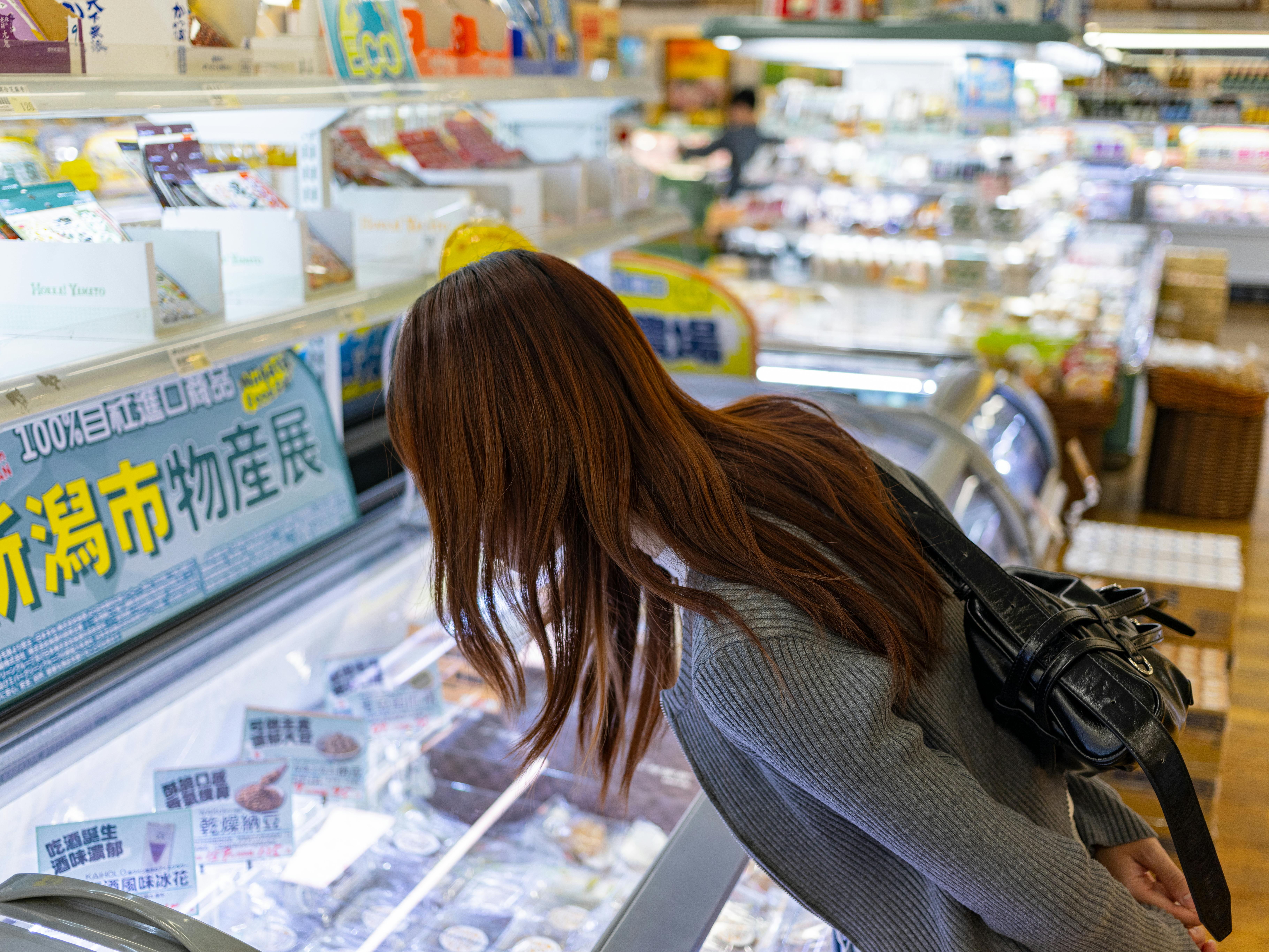
Grocery stores near airports, beach towns, and resort communities often charge as if every customer is on vacation and not paying close attention. In fairness, these locations deal with higher rents, seasonal demand, and shoppers who are often willing to pay for speed.
That does not make the prices any easier to swallow. Snacks, drinks, breakfast foods, and grab-and-go meals are often marked up well beyond what you would expect in a regular neighborhood store.
If you are traveling, it pays to plan ahead. Buying basics before you reach these areas can save a surprising amount of money.
Tiny Premium Chains in Affluent Suburbs

Some smaller chains in affluent suburbs build their identity around service, curation, and an upscale feel that clearly targets shoppers who are less price sensitive. The stores are attractive, easy to navigate, and often packed with beautiful displays that make spending feel painless.
But those polished details are usually baked into the cost of your groceries. Everyday staples can be consistently higher than at larger regional competitors just a short drive away.
If you love the experience, occasional visits may still be worth it. As your main grocery stop, though, these stores can be hard on a practical budget.
Warehouse-Like Gourmet Markets

Large gourmet markets can create the illusion of value because the footprint is massive and the selection is impressive. When you see endless aisles and bulk-style displays, it is easy to assume you are getting competitive prices simply because the store feels big.
In reality, size does not always translate to savings. Many of these stores still specialize in imported, organic, or premium products, and the final bill reflects that focus.
You may leave with a cart full of beautiful ingredients and a budget that took a serious hit. For everyday groceries, bigger is not always cheaper.
Any Store Where You Pay for the Vibe
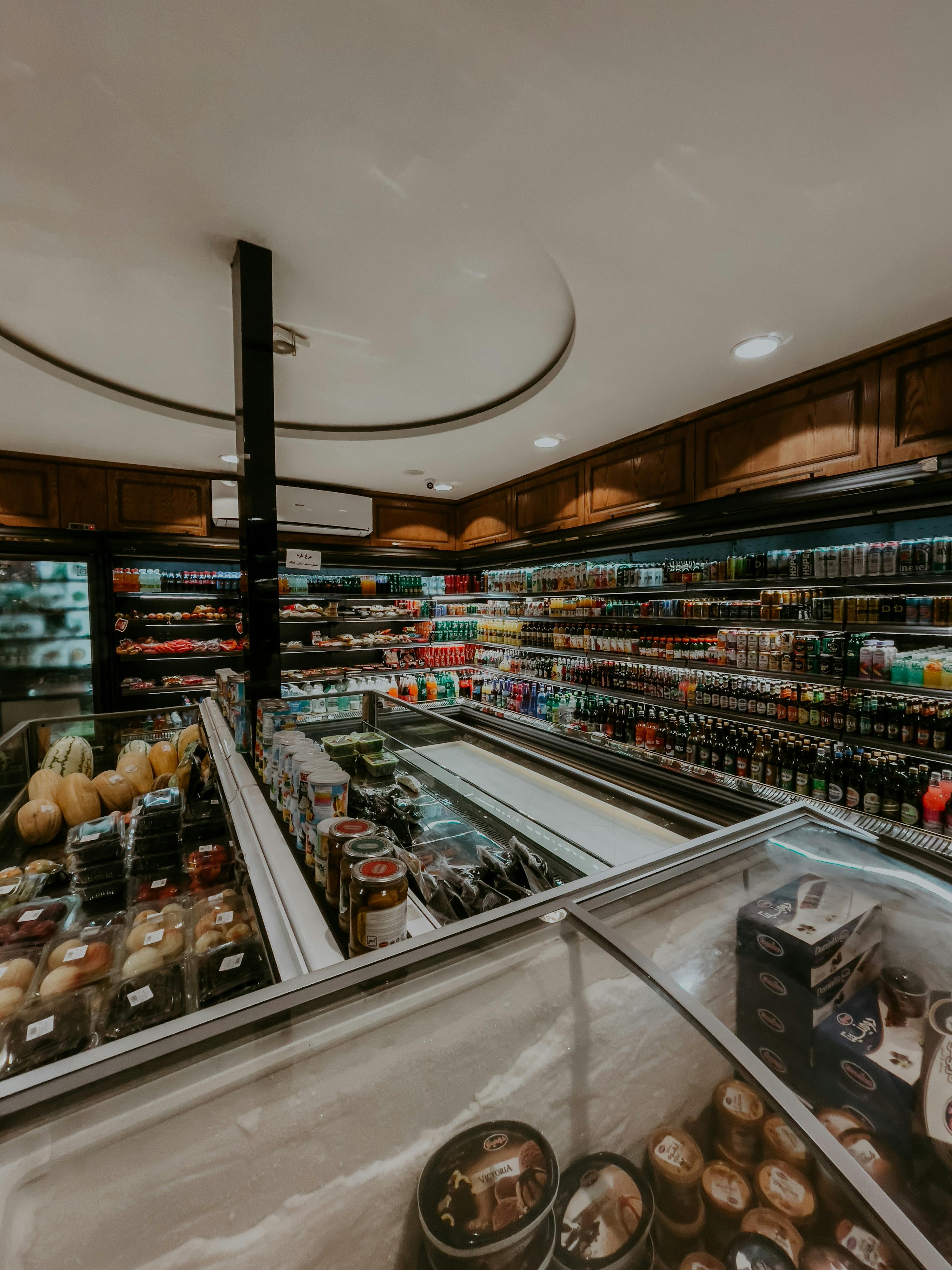
Sometimes the most expensive grocery store is simply the one selling a lifestyle along with your food. Soft lighting, curated playlists, designer packaging, and carefully merchandised displays can make routine shopping feel aspirational instead of ordinary.
There is nothing wrong with enjoying that experience, but it helps to recognize when ambience is nudging you to overspend. The more theatrical the store feels, the more likely it is that prices include a premium for branding and presentation.
A smart strategy is to split your shopping. Buy staples at lower-cost chains, then visit your favorite stylish market only for a few items you truly love.