
13 Butter Heavy Pasta Trends That Feel Overdone

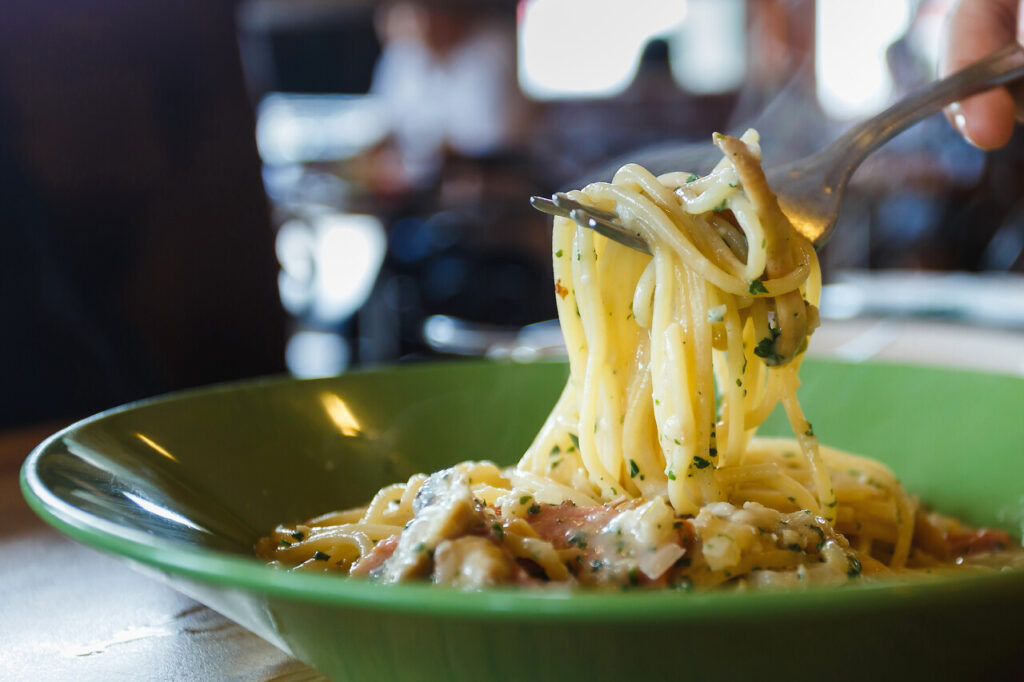
Butter has always had a pasta place. It adds silkiness, carries flavor, and makes even simple noodles feel indulgent. But lately, it seems like every trending bowl leans harder and heavier on it. What started as a clever way to add depth has turned into a formula: more butter equals more luxury. The problem is that richness without balance gets old fast. When acid, texture, and contrast disappear, so does the excitement. Some of these butter-forward pastas still taste good, but they no longer feel thoughtful. They feel repetitive.
1. Brown Butter Sage Fettuccine Has Become the Default “Fancy” Pasta
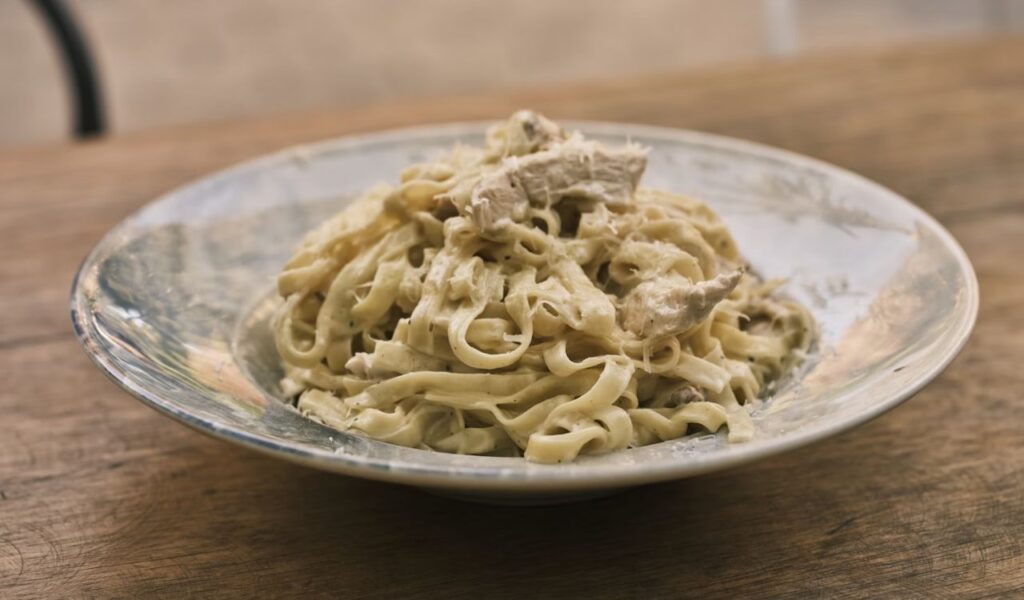
At first glance, brown butter and sage feel timeless. The nutty aroma from toasted milk solids and the earthy lift from crisped sage leaves create instant depth. But here’s the thing: when that combination is poured generously over fettuccine without contrast, it becomes predictable. The sauce coats every strand in fat, and without acid, texture, or vegetables to break it up, the flavor plateaus quickly.
Brown butter is powerful. It carries caramelized notes that linger, and sage adds a savory bitterness. Together they are rich and fragrant, but they lack brightness. Without lemon zest, vinegar, or a sharp cheese to cut through the fat, the dish can taste heavy after just a few bites.
What once felt elegant now shows up everywhere, often unchanged. The technique is solid, but repetition without balance makes it feel routine. Diners increasingly crave layers and texture, not just richness.
2. Butter Poached Lobster Pasta Turns Luxury Into Excess
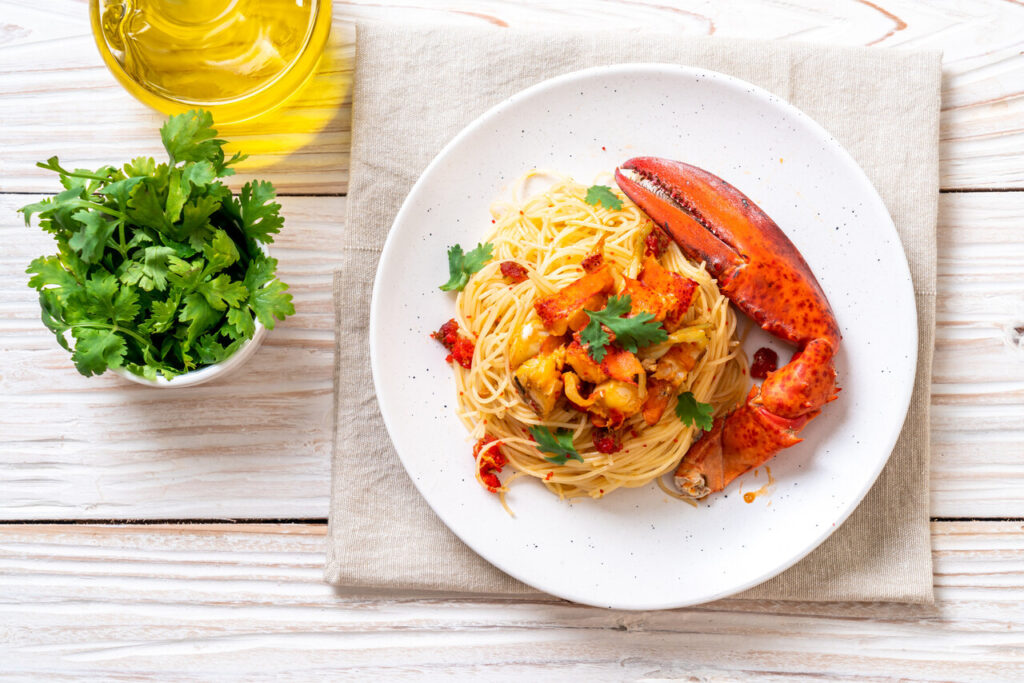
Lobster has a naturally sweet, delicate flavor that doesn’t need much to shine. Poaching it in butter can enhance tenderness, but when that same butter becomes the base of a pasta sauce, the dish crosses into indulgence overload. Instead of tasting the ocean sweetness, you mostly taste dairy.
Butter poaching works best when restrained. The problem comes when additional butter is added to the pasta itself. Cream, cheese, and more butter often follow. The lobster becomes a texture rather than a star ingredient, buried under richness.
Luxury ingredients benefit from precision, not volume. When butter dominates, the balance tips away from refinement and into excess. It stops feeling special and starts feeling heavy.
3. Triple Butter Carbonara Misses the Point of the Original
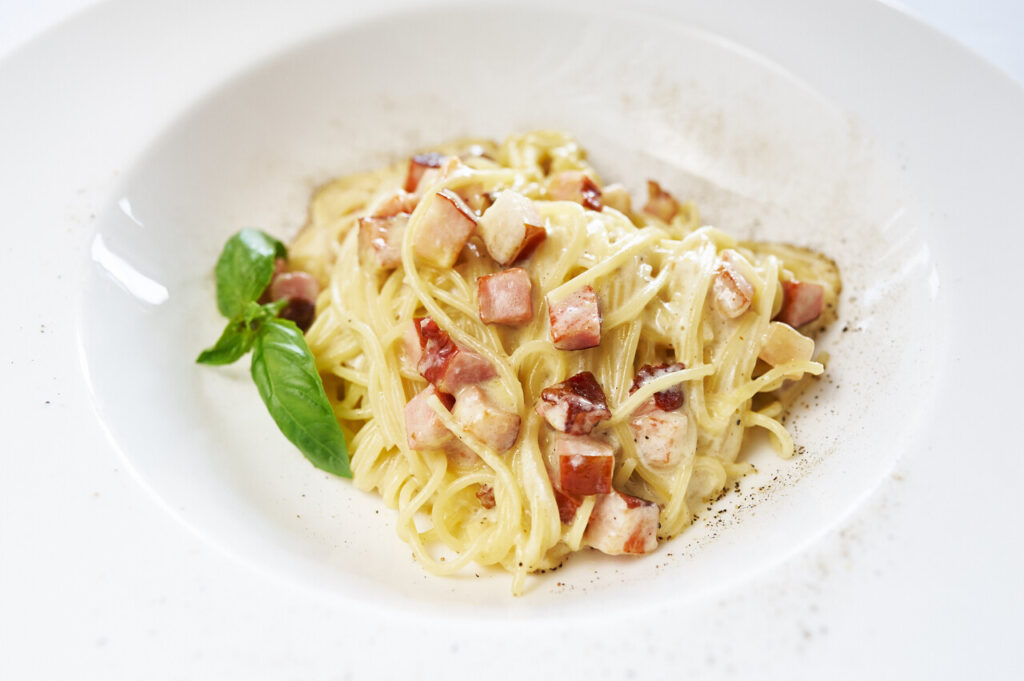
Classic carbonara relies on eggs, Pecorino Romano, black pepper, and guanciale. The creaminess comes from emulsified egg and pasta water, not from butter. Yet many modern interpretations add butter to intensify silkiness, and sometimes even more on top of that.
Adding butter changes the structure of the sauce. It makes it thicker and oilier, which can mute the sharp saltiness of the cheese and the bite of black pepper. Carbonara is supposed to feel rich but balanced. Extra butter dulls its clean, savory edge.
When a dish already achieves creaminess through technique, piling on more fat becomes unnecessary. The trend feels like a shortcut rather than an improvement.
4. Butter Cream Alfredo Fusion Feels Redundant
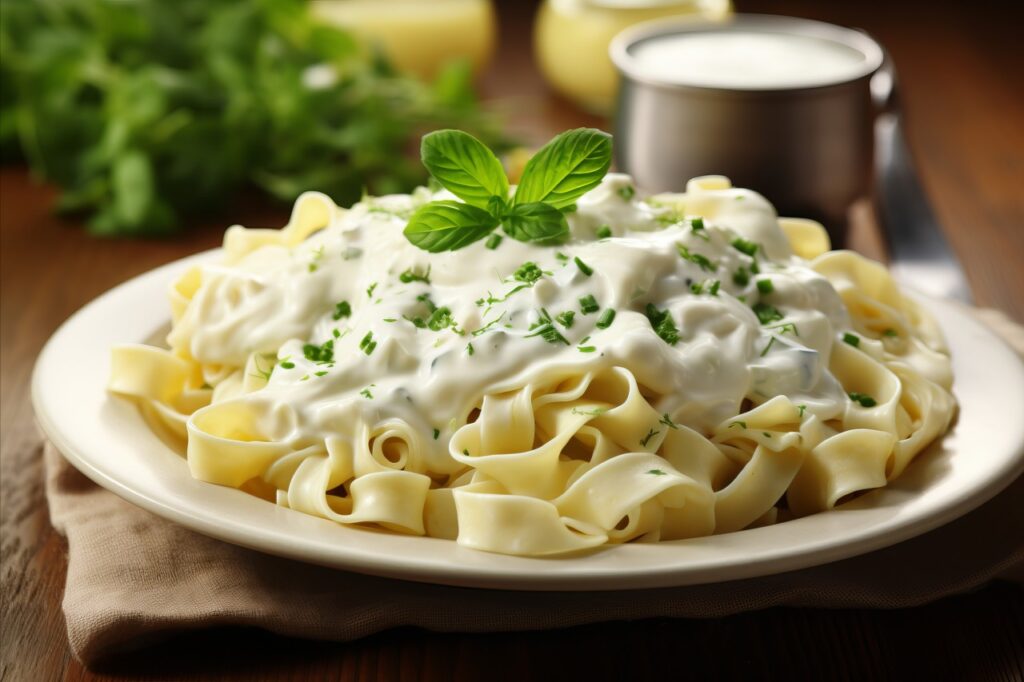
Alfredo, in its traditional Roman form, is simply butter and Parmigiano-Reggiano tossed with pasta water to form a smooth coating. The American version already adds heavy cream. Many modern takes now double down with even more butter layered into the sauce.
The result is density without dimension. Cream and butter both contribute fat and smoothness, so stacking them can make the sauce cling in a thick, almost sticky way. Instead of silky strands, you get pasta weighed down.
Alfredo’s appeal lies in its simplicity. Overloading it removes the finesse. What once felt comforting now often feels excessive.
5. Lemon Butter Capellini Loses Its Brightness
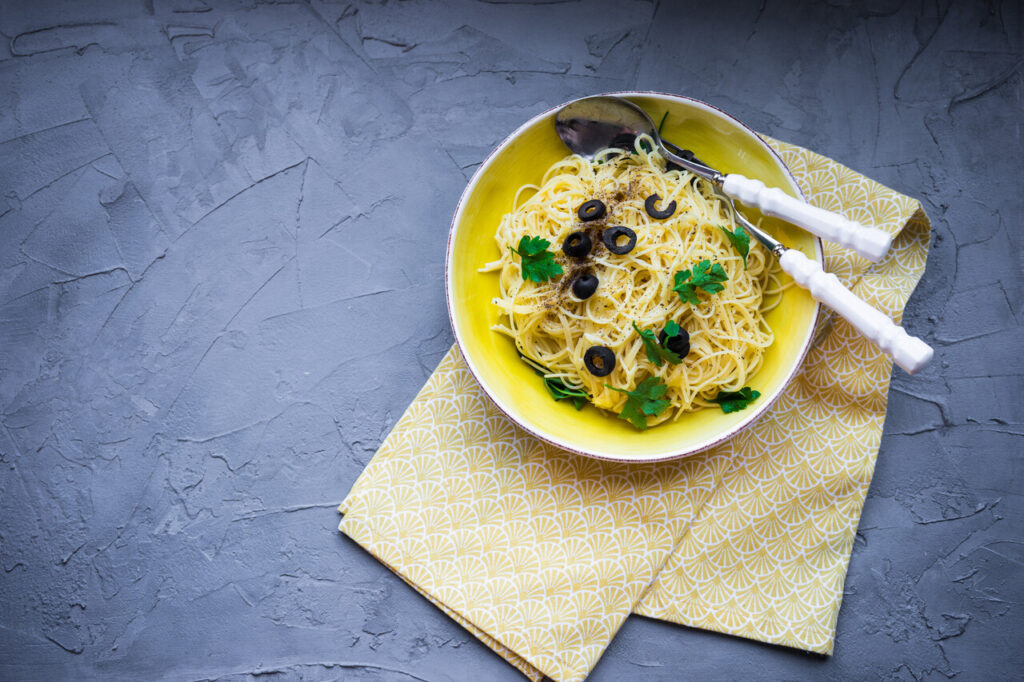
Capellini is delicate and cooks in minutes. Its thin strands are ideal for light sauces. Lemon butter seems like a natural pairing, but when too much butter is used, the citrus loses its ability to refresh.
Lemon provides acidity that cuts through fat. If the ratio leans heavily toward butter, the sharpness softens, and the dish tastes flat. The pasta absorbs the sauce quickly, and without restraint, it can turn slick rather than lively.
The concept works best when butter is just a carrier for lemon zest and juice. When butter dominates, the brightness that defines the dish fades.
6. Truffle Butter Spaghetti Trades Aroma for Fat
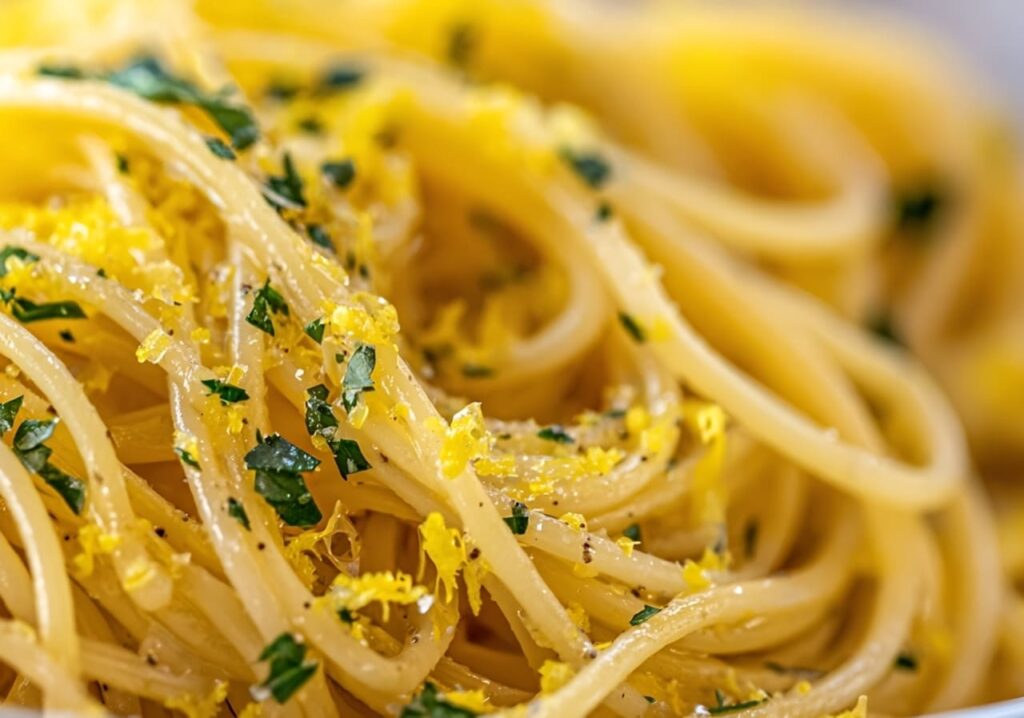
Truffle flavor is intense and aromatic, whether from real truffles or infused butter. When combined with generous amounts of butter, the effect can feel overpowering rather than refined.
Truffle butter is mostly fat with added aroma. If used liberally, it creates a coating that feels heavy while masking subtler ingredients. The fragrance hits hard at first, but the taste often lacks depth beyond that initial scent.
Because truffle is already bold, it needs balance from acid, herbs, or texture. Without that contrast, the dish becomes repetitive quickly.
7. Garlic Butter Cacio e Pepe Dilutes a Classic
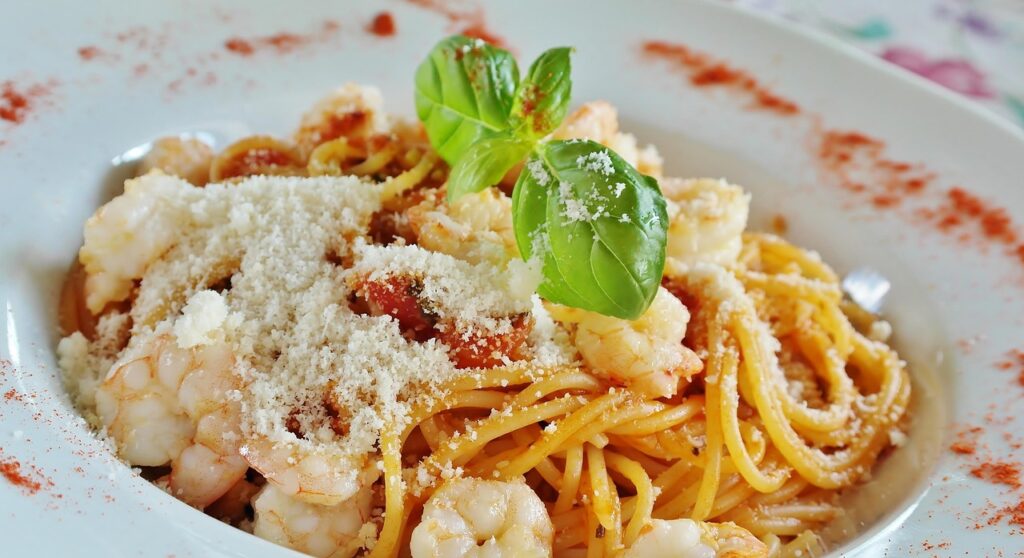
Cacio e pepe is built on restraint. It uses Pecorino Romano, black pepper, and pasta water to create a creamy emulsion. Adding garlic butter might sound appealing, but it shifts the identity of the dish.
Garlic brings sweetness and pungency, and butter adds weight. Together they overshadow the pepper’s bite and the cheese’s saltiness. The original recipe achieves creaminess through technique. Extra butter makes it feel heavier than intended.
When a minimalist dish is expanded too far, it loses clarity. The charm of cacio e pepe lies in precision, not embellishment.
8. Butter Roasted Mushroom Tagliatelle Sacrifices Texture
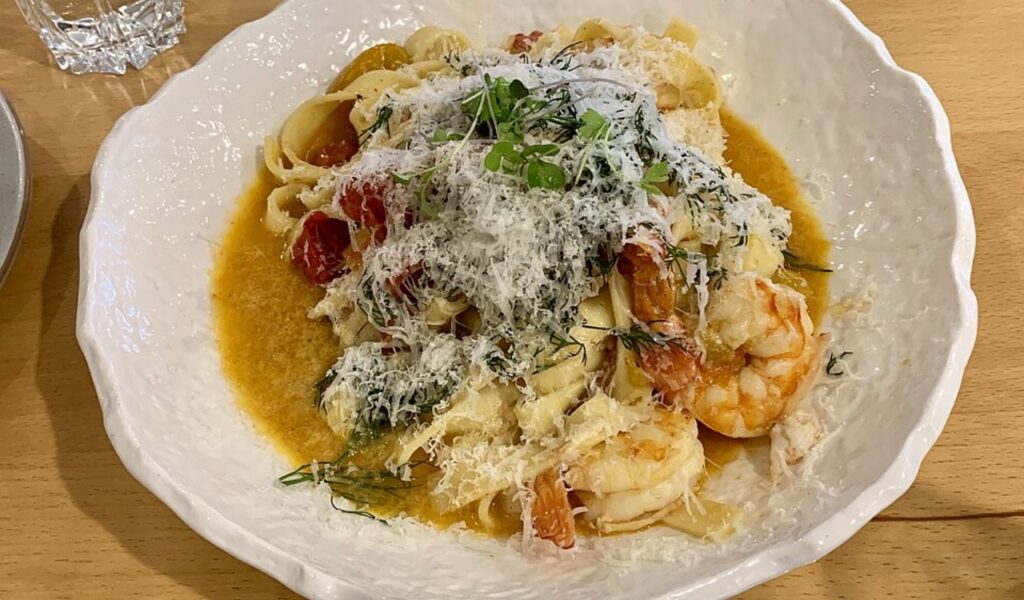
Mushrooms release water as they cook. If roasted in too much butter, they can steam instead of caramelize. That prevents the deep browning that gives them savory intensity.
When these softened mushrooms are folded into butter-coated tagliatelle, the result can feel slippery and one-dimensional. You lose the contrast between chewy pasta and firm mushrooms.
A small amount of fat helps mushrooms brown, but excess turns them soggy. The trend toward heavy butter undermines the very depth people expect from mushrooms.
9. Butter and Ricotta Gnocchi Doubles Down on Softness
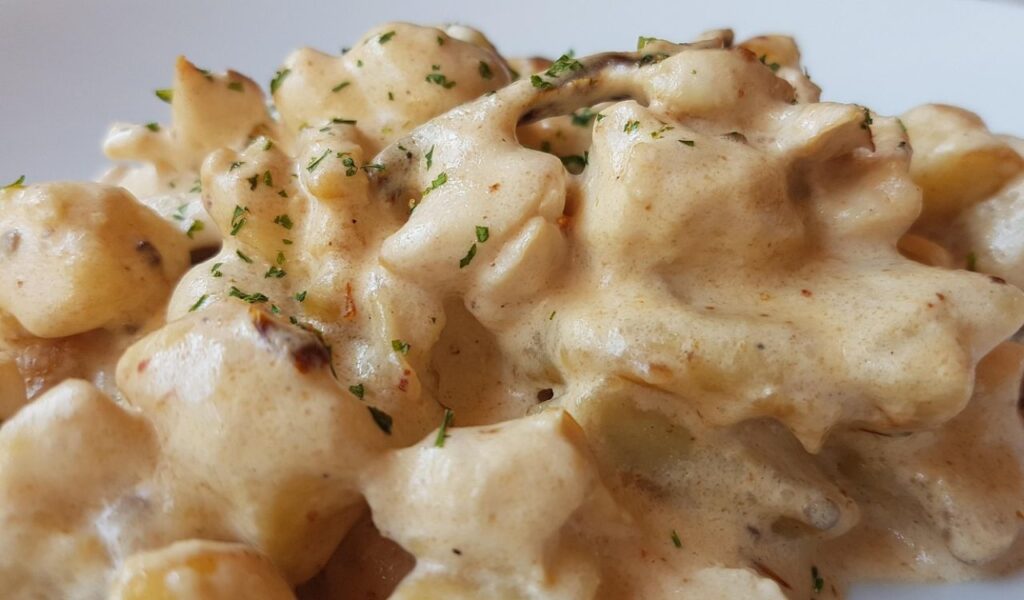
Gnocchi are already tender and pillowy. Ricotta adds creaminess. When butter is poured generously over the top, the entire dish becomes soft on soft.
Texture matters as much as flavor. Without crispy edges, toasted nuts, or vegetables, there is little resistance. Butter amplifies the richness but does nothing to introduce contrast.
This combination can feel comforting at first, yet quickly becomes monotonous. A dish built entirely around softness needs structure to stay interesting.
10. Butter Sage Ravioli Feels Overloaded
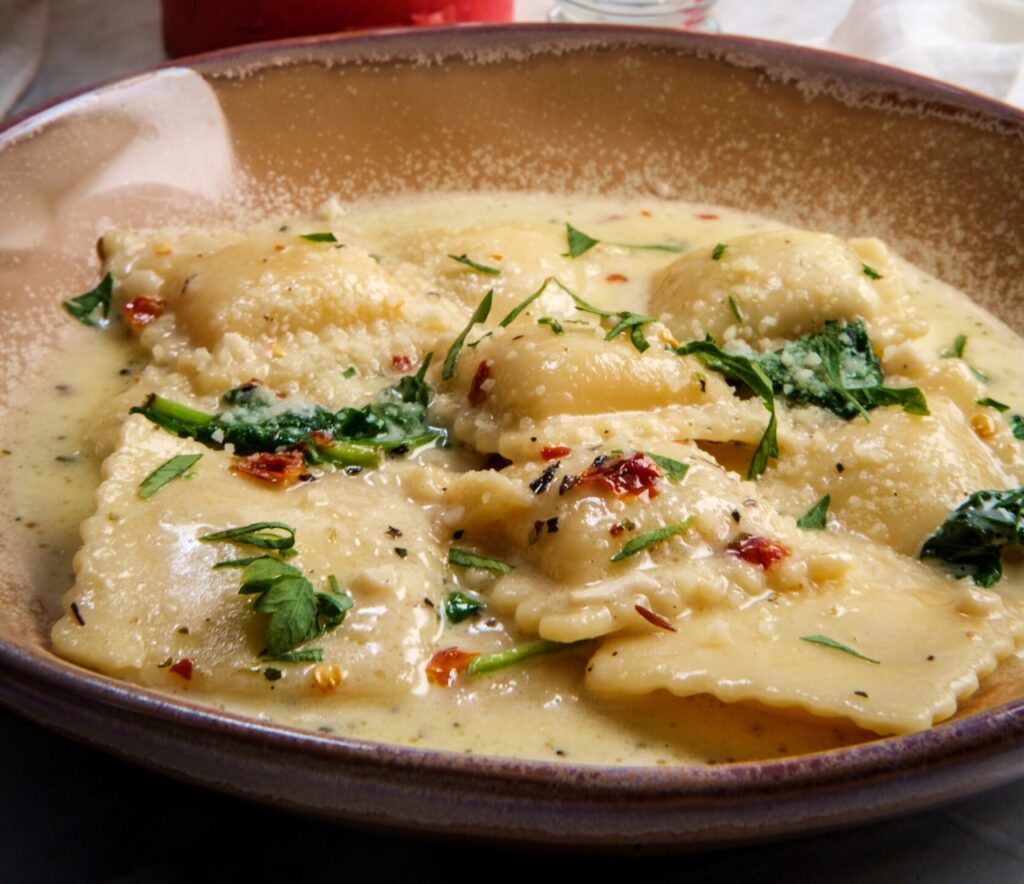
Stuffed pasta already carries filling inside. Whether it’s squash, cheese, or meat, ravioli bring their own richness. A heavy butter sage sauce often duplicates that weight rather than complementing it.
When the sauce pools thickly, each bite tastes mostly of butter with hints of sage. The filling becomes secondary. Without acidity or crunch, the flavor stays static from first bite to last.
Butter sage works beautifully with lighter pasta, but with rich fillings, it can push the balance too far.
11. Butter Braised Chicken Rigatoni Masks Flavor
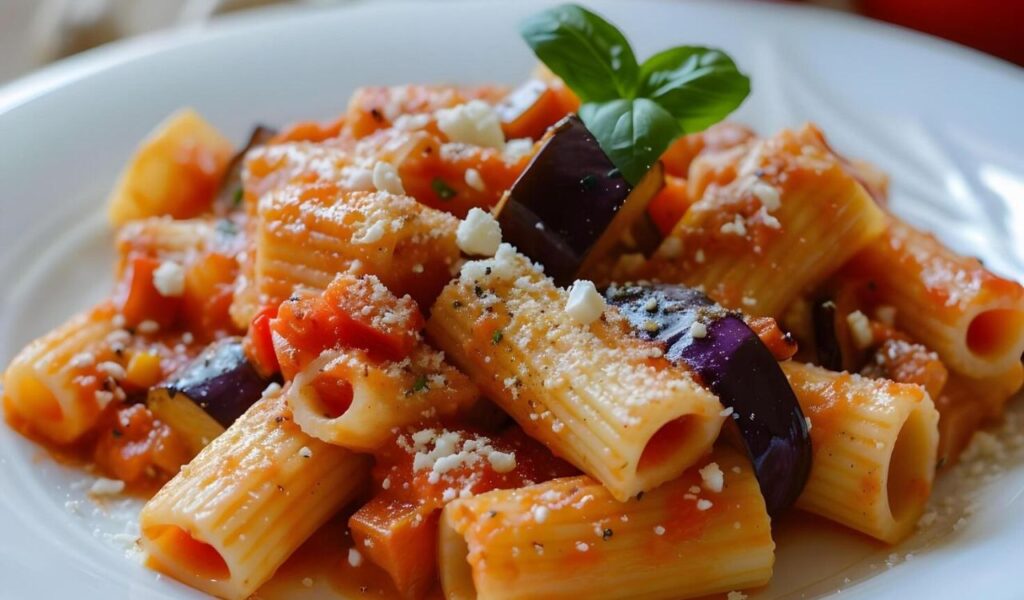
Chicken braised in butter can be tender and flavorful, yet when combined with butter-coated rigatoni, the dish risks tasting flat. Butter rounds edges and smooths sharp flavors.
That smoothing effect can mute herbs, spices, and natural chicken savoriness. Instead of tasting layers, you taste richness. The hollow tubes of rigatoni trap the sauce, amplifying that heaviness.
Braising benefits from balance. When butter becomes the dominant note, the dish loses depth and clarity.
12. Butter Corn Bucatini Overpowers Sweetness
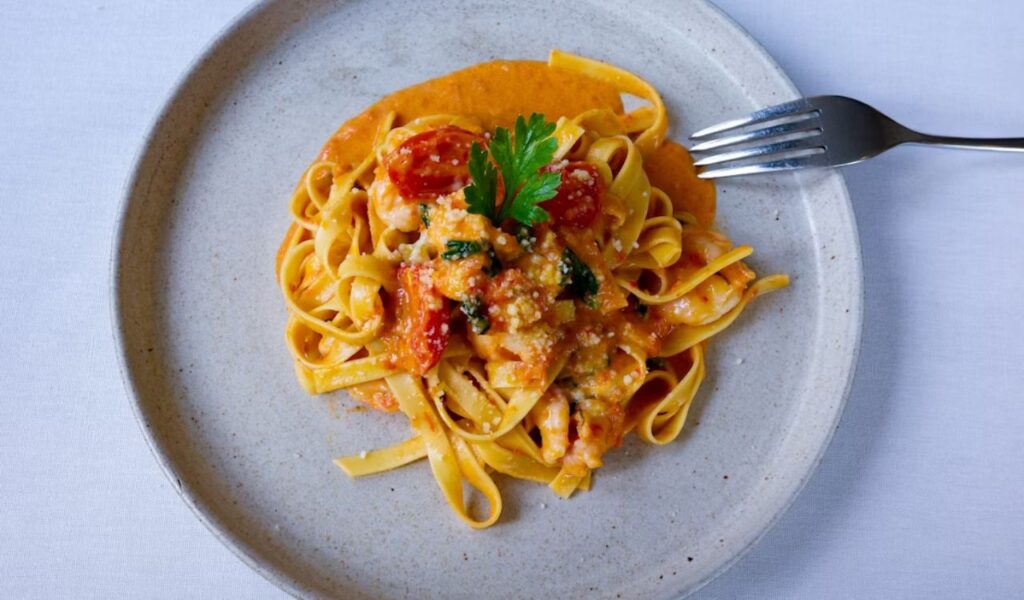
Corn is naturally sweet and bright, especially in season. Bucatini, with its hollow center, holds sauce beautifully. When the sauce is mostly butter, the sweetness of corn blends into the fat instead of standing out.
Corn also benefits from acids such as lime or vinegar. Without that, butter can make the flavor feel cloying. The pasta becomes coated in richness rather than layered flavor.
The idea is appealing, but without restraint, it feels overly indulgent for what should be a vibrant, seasonal dish.
13. Butter Parsley Orecchiette Feels Incomplete
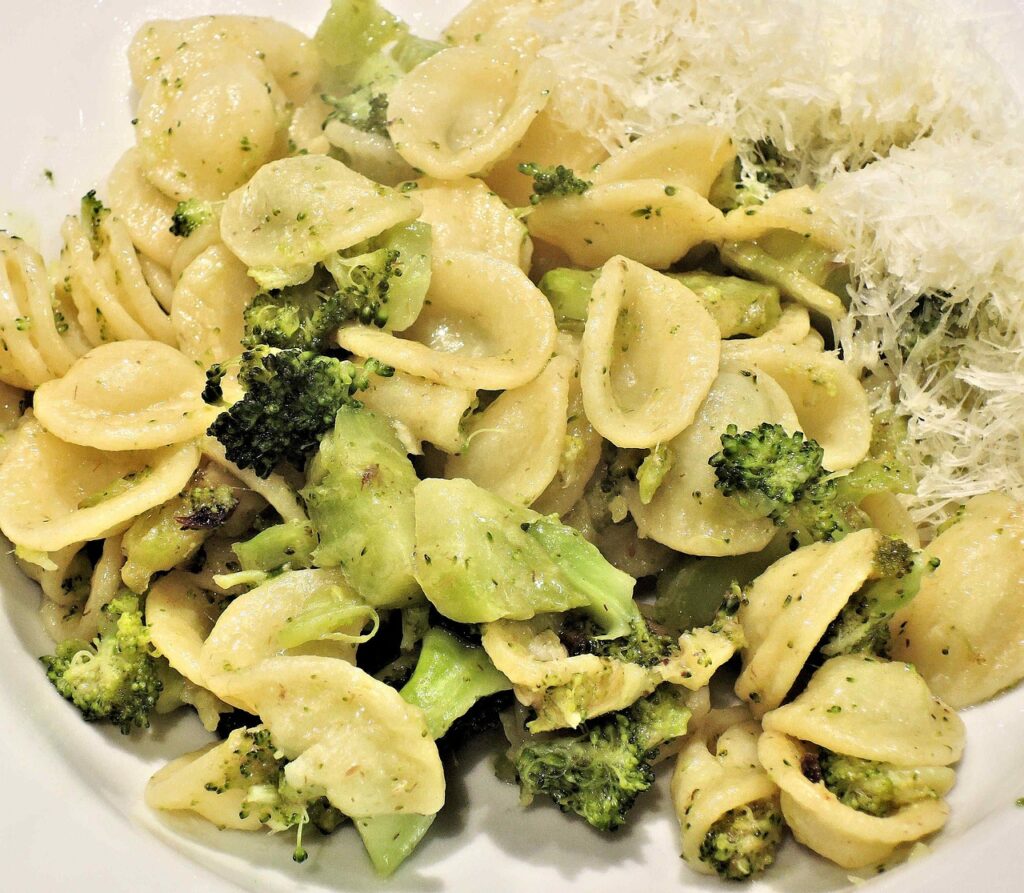
Orecchiette are small and cup-shaped, perfect for catching sauce. Parsley adds freshness and herbal brightness. When drowned in butter, however, the herb’s clean taste fades.
Butter acts as a flavor carrier, but it can also smother lighter ingredients. Parsley is delicate. Too much fat turns its fresh note into a background whisper.
A restrained hand would allow parsley to shine. When butter takes center stage, the dish feels unfinished rather than thoughtfully composed.