The Old School Betty Crocker Trick That Makes French Toast Taste Better

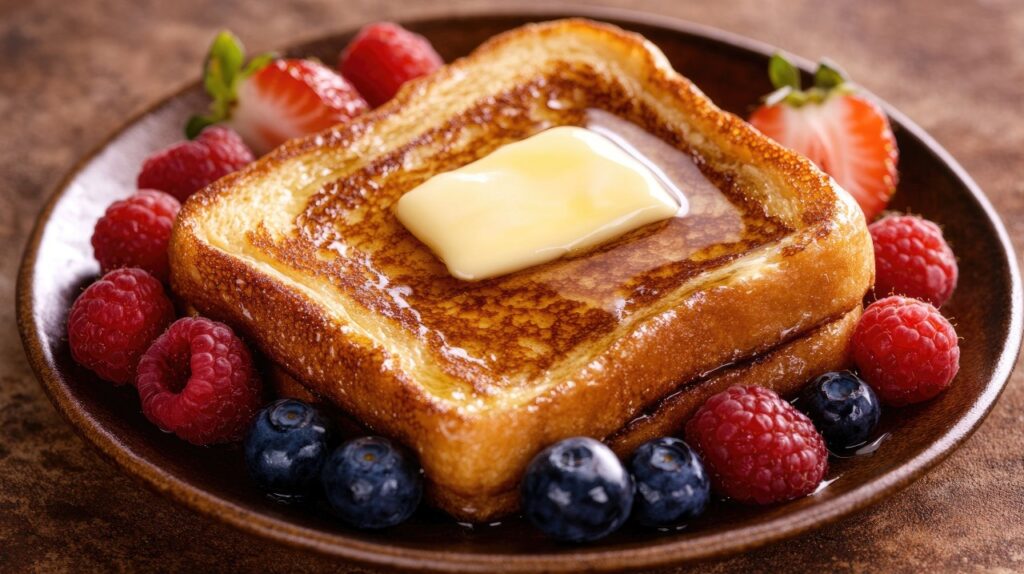
French toast is often dismissed as an easy, everyday breakfast, yet small choices can dramatically change how it tastes. Before modern shortcuts became common, home cooks relied on technique instead of piling on toppings. Classic cookbooks treated French toast as something worth doing carefully, not rushing through. One long-standing Betty Crocker method shows how thoughtful preparation can turn basic ingredients into something richer and more satisfying. Rather than adding sweetness later, this approach builds flavor from the start. It proves that better results do not require fancy tools or extra steps, only a smarter understanding of how familiar ingredients work together.
Long before brunch trends and flavored syrups took over, cooks focused on texture, balance, and warmth. This old-school tip quietly transforms French toast into something softer inside with deeper flavor throughout. It does not ask for special ingredients or more time in the kitchen, which is why it endured for decades. The improvement is immediate and noticeable from the first bite. Once you experience the difference, it becomes hard to go back to rushed methods. For anyone who appreciates comforting breakfasts done well, this simple change delivers lasting results without complicating a beloved classic.
The Forgotten French Toast Secret
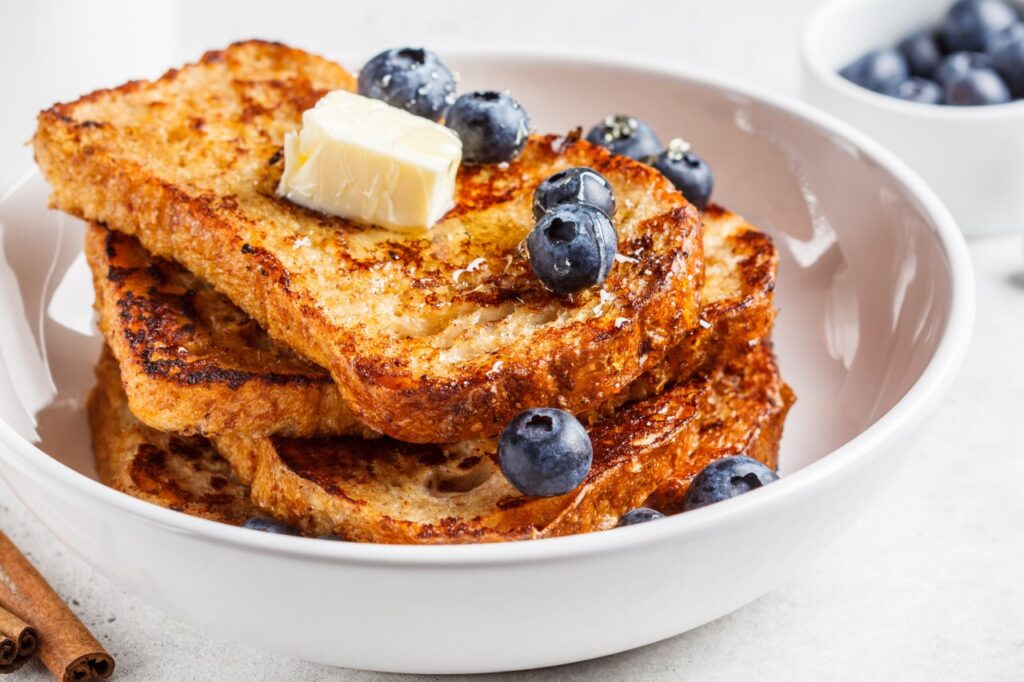
French toast was never meant to be flashy or overloaded with toppings in its earliest days. In traditional home kitchens, it served a practical purpose, turning basic pantry ingredients into a warm, comforting meal. Cooks focused on technique rather than speed, allowing flavors to develop naturally through careful soaking and controlled heat. As breakfast cooking became faster and more convenience-driven, that attention faded. Recipes were shortened, steps were skipped, and texture often suffered as a result. Flavor became flatter, and the interior texture less satisfying, even though the ingredient list barely changed over time.
Older recipes approached French toast with more patience and intention. They paid close attention to how eggs, dairy, and bread worked together once heat was applied. Instead of leaning heavily on sugar or toppings, these methods emphasized balance, aroma, and mouthfeel. Bread was allowed to absorb custard properly, and cooking was done at a pace that encouraged even browning without drying the center. The result was toast that tasted rich and cohesive on its own. This forgotten approach explains why vintage instructions often produced better French toast with fewer ingredients and far less reliance on added sweetness.
The Betty Crocker Method
Betty Crocker recipes were designed with everyday home cooks in mind, which is why their advice focused on reliability rather than flair. The approach to French toast followed the same philosophy. Instead of reinventing the dish, it relied on understanding how small, deliberate adjustments could dramatically improve the final result. The method did not ask cooks to buy new ingredients or follow complicated steps. It simply refined how familiar elements were combined and handled. By paying attention to proportions, preparation, and sequence, the recipe elevated flavor and texture in a way that felt achievable for anyone cooking at home.
What set this guidance apart was its emphasis on preparation over shortcuts. Home cooks were encouraged to consider how heat, fat, and timing interacted during cooking, not just what went into the bowl. This mindset treated French toast as a proper cooking process rather than a rushed breakfast fix. The result was a dish with better balance and consistency. The method worked because it respected how ingredients behave when cooked together, proving that thoughtful technique often matters more than novelty or extra ingredients. It reminded cooks that small details often create the biggest improvements.
The Simple Step That Changes Flavor
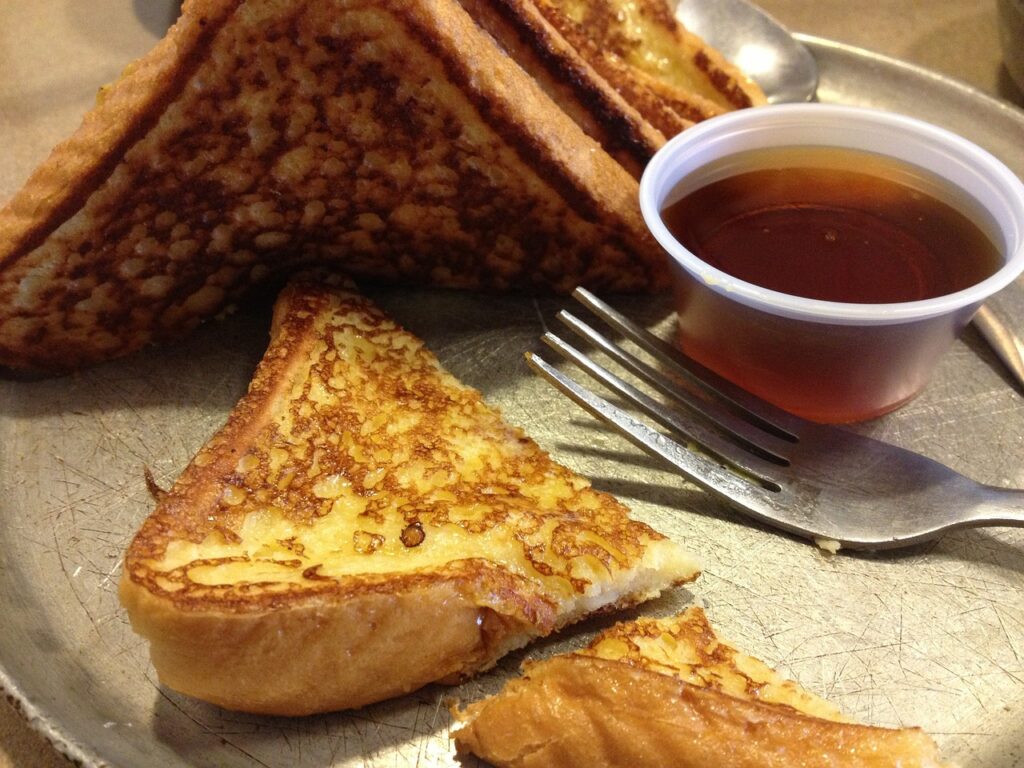
The step that makes the biggest difference in French toast is also the easiest to miss because it feels almost too simple. Instead of relying only on butter in the pan, this method calls for melted butter to be blended directly into the egg mixture before soaking the bread. That small change alters how the custard behaves from the very beginning. The mixture becomes smoother and more cohesive, allowing it to cling evenly to each slice. As a result, the bread absorbs flavor more consistently, setting the stage for a better texture before it ever hits the pan. This early distribution of fat creates a foundation for even cooking from the inside out.
Mixing butter into the custard changes how heat works during cooking. Rather than concentrating fat only on the surface, it spreads richness throughout the toast. This prevents a dry interior while avoiding the greasy finish that can come from excessive pan butter. The inside cooks up soft and tender, while the outside still browns evenly and develops aroma. That balance is what makes the toast taste fuller without feeling heavy. A single adjustment in preparation quietly transforms the final result, proving how technique can outweigh extra ingredients. The difference is noticeable even before toppings are added.
Why It Makes French Toast Better
French toast often disappoints when the inside turns dry or the flavor leans too heavily toward cooked egg. Adding butter directly to the mixture helps correct both issues at once. Fat interacts with egg proteins as they heat, slowing how tightly they set and creating a softer, creamier interior. This prevents the stiff, scrambled texture that can develop when eggs cook too quickly. Instead of soaking unevenly, the bread absorbs a smoother custard that cooks gently from the inside out. The result is toast that feels tender and cohesive, with richness built into every bite rather than sitting only on the surface.
Butter also plays a major role in how French toast browns and smells while cooking. It contains milk solids that caramelize when exposed to heat, producing a deeper color and a more inviting aroma. This natural browning reduces the need for added sugar to achieve visual appeal. The surface develops evenly, creating crisp edges without burning while the interior stays soft. Flavor feels rounder and more developed, even before syrup or toppings are added. By improving both texture and aroma at the same time, this method delivers French toast that tastes complete on its own. It allows the bread and custard to shine without relying on heavy add-ons.
Why This Old Trick Still Works
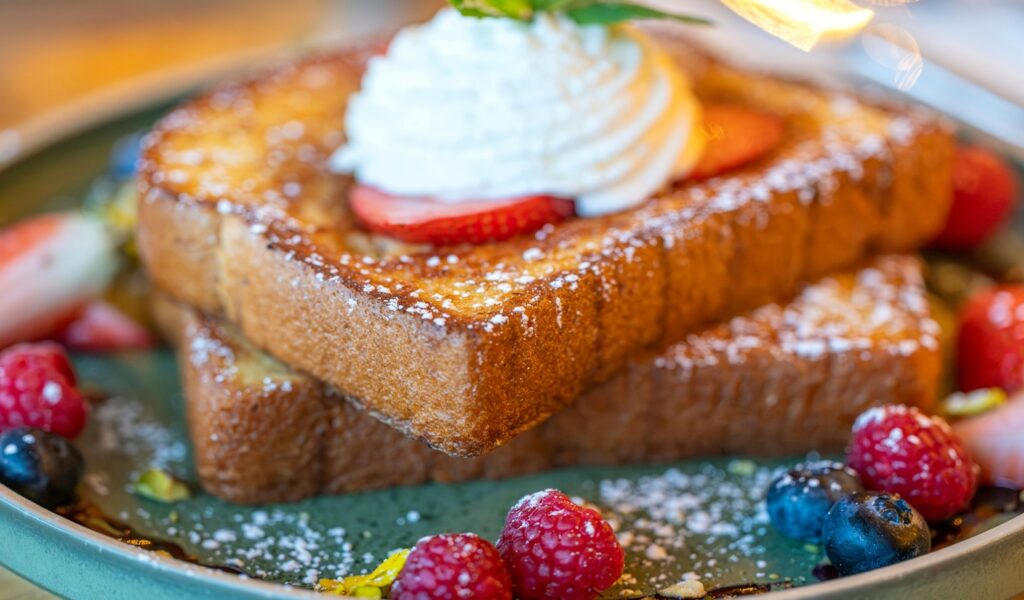
Cooking science has not changed with time, even as food trends and kitchen tools have evolved. Eggs, fat, and heat still behave exactly as they did decades ago, which is why this old technique continues to deliver reliable results. Blending butter into the custard works regardless of the bread you choose or the type of milk you use. Modern kitchens, nonstick pans, and updated appliances do not replace the need for understanding how ingredients react together. This method succeeds because it is built on fundamentals, not fashion. When cooking relies on chemistry rather than shortcuts, the outcome remains consistent across generations and styles of home cooking.
This technique also highlights a broader lesson from old-school cooking that still applies today. Simplicity often outperforms complexity when it is grounded in a real understanding of ingredients. Instead of layering flavor with toppings after cooking, this method builds richness directly into the base. That approach creates depth without extra steps or embellishments. Fewer ingredients are needed because each one is used more intelligently. The result is French toast that tastes complete on its own. This quiet efficiency explains why vintage advice continues to outperform many modern shortcuts, even in today’s fast-moving food culture.
Reference
- The Old-School Betty Crocker Trick That Makes French Toast So Much Better – simplyrecipes.com
- Cinnamon Batter-Dipped French Toast – bettycrocker.com
- The Old-School Betty Crocker Trick That Makes French Toast So Much Better – aol.com