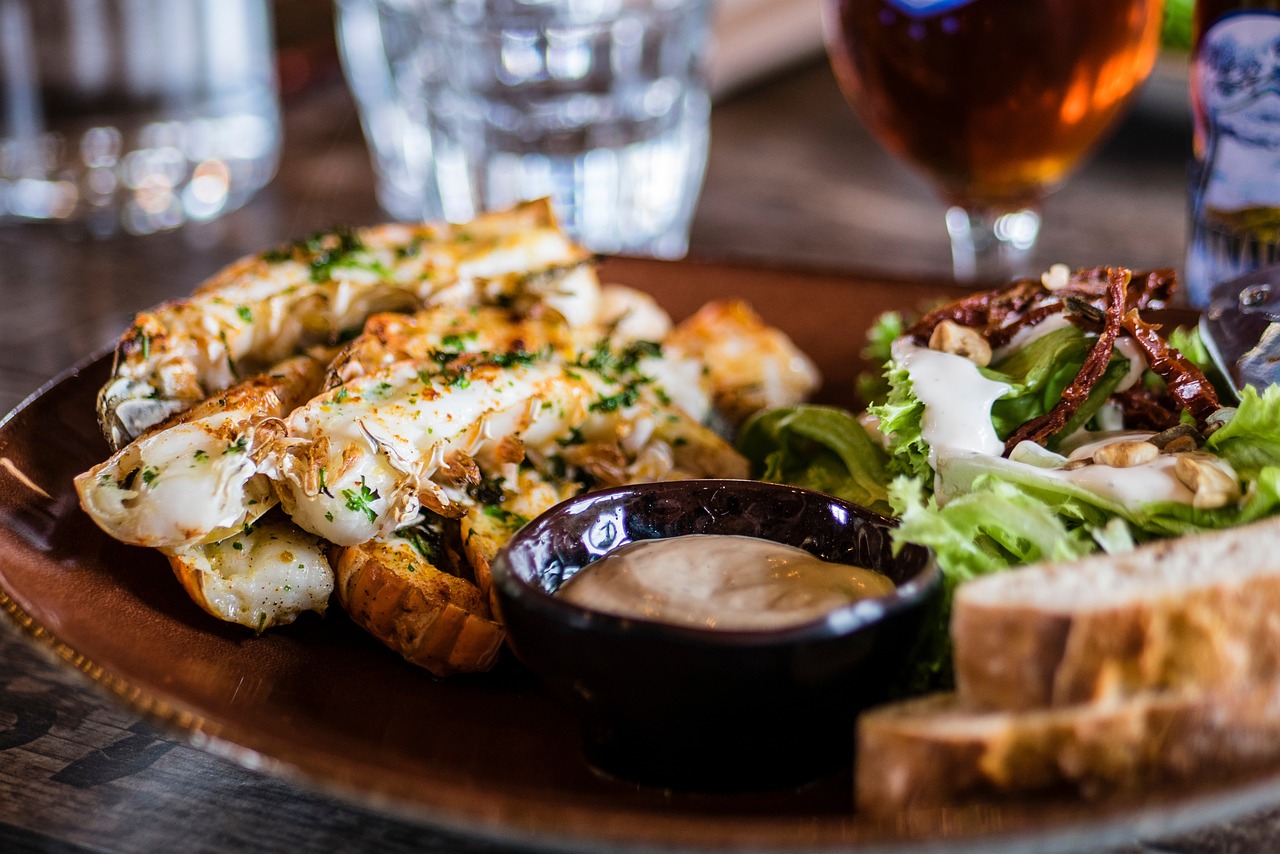
How Retro Food Revivals Are Influencing Modern Menus


Something is comforting about familiar flavors that bring back memories. Today, these dishes are returning to modern menus as reimagined versions that still carry emotional warmth.
This revival reflects a growing desire for connection, where people are drawn to food that feels meaningful and recognizable. Familiar dishes offer stability that newer creations often lack.
The trend blends past and present. Chefs refine traditional recipes with better ingredients and updated techniques, making them feel fresh yet nostalgic.
Diners now seek experiences, not just meals. Retro dishes provide comfort while meeting modern expectations of quality and creativity.
Nostalgia is more than a trend. It continues to shape how food is experienced and enjoyed today.
The Core Appeal
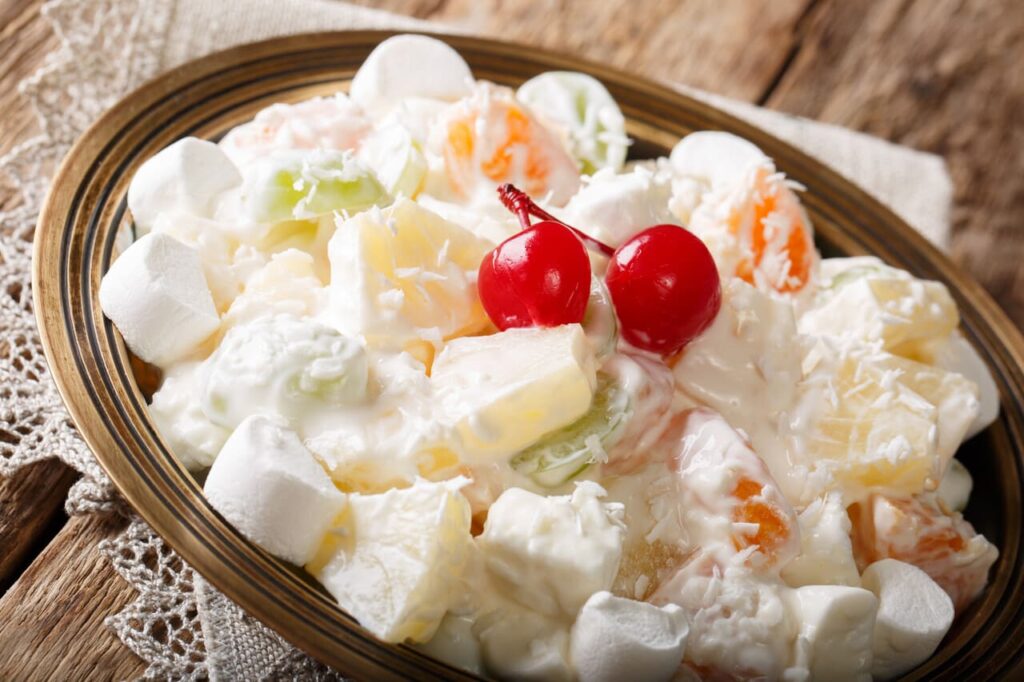
At the heart of retro food revival is a strong emotional connection that goes beyond taste alone. These dishes remind people of familiar moments, creating a sense of comfort that modern creations often struggle to replicate.
Familiarity plays a major role in this appeal. Diners are naturally drawn to foods they recognize, especially when they are presented in a slightly updated or refined way.
Retro dishes also offer a sense of trust. Known recipes feel safer choices compared to experimental menus, particularly for customers who prefer reliability.
The visual element adds to the charm. Classic plating styles, vintage crockery, and recognizable presentation make the experience feel warm and inviting.
Ultimately, the core appeal lies in blending memory with experience, allowing diners to revisit the past while enjoying the quality and creativity of the present.
Why Nostalgia Resonates
Nostalgia resonates because it connects food with personal memories. Meals are often tied to family, culture, and important life moments, making them emotionally significant.
During uncertain times, people naturally seek comfort. Familiar dishes provide a sense of stability, increasing their appeal across age groups.
Psychological research shows that memory influences taste perception. When a dish reminds someone of a positive experience, it often feels more enjoyable.
Generational influence also plays a role. Younger diners discover retro foods through storytelling, while older diners reconnect with past experiences.
This emotional connection makes nostalgia a powerful driver, turning simple dishes into meaningful experiences that go beyond basic dining.
What Diners Are Craving
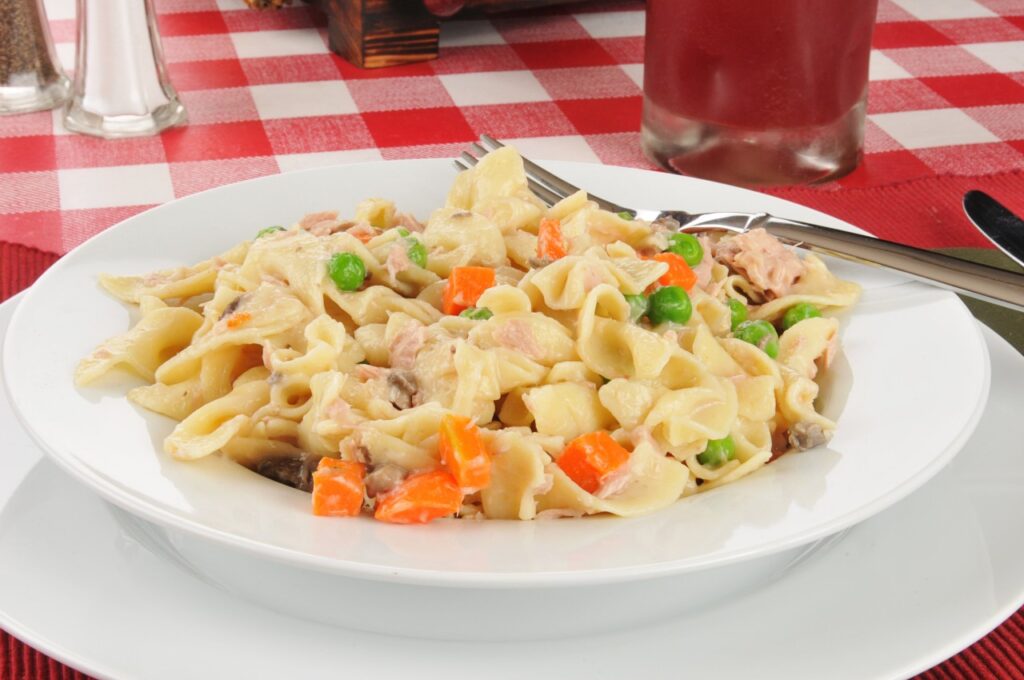
Modern diners are looking for more than just good food; they want experiences that feel authentic and meaningful. Retro dishes provide that connection through familiarity.
There is a growing preference for comfort foods that feel satisfying and emotionally reassuring, especially in fast-paced lifestyles.
At the same time, diners expect quality. They appreciate when classic dishes are improved with better ingredients and refined techniques.
Portion size, presentation, and flavor balance also matter. Familiar dishes must meet modern standards without losing their original identity.
This combination of comfort and quality defines what diners are craving today, making retro-inspired menus increasingly popular.
How Menus Are Evolving
Restaurants are not simply bringing back old recipes; they are adapting them to fit current expectations. This includes lighter preparations, updated flavors, and modern plating.
Chefs often combine traditional dishes with global influences, creating hybrid options that feel both familiar and new.
Menu storytelling has become important. Highlighting the origin of a dish adds depth and helps diners connect with it emotionally.
Dietary preferences are also considered. Retro dishes are being modified to suit vegetarian, vegan, or health-conscious audiences.
This evolution ensures that nostalgia remains relevant, allowing classic dishes to fit seamlessly into contemporary dining environments.
The Future of Retro Revival
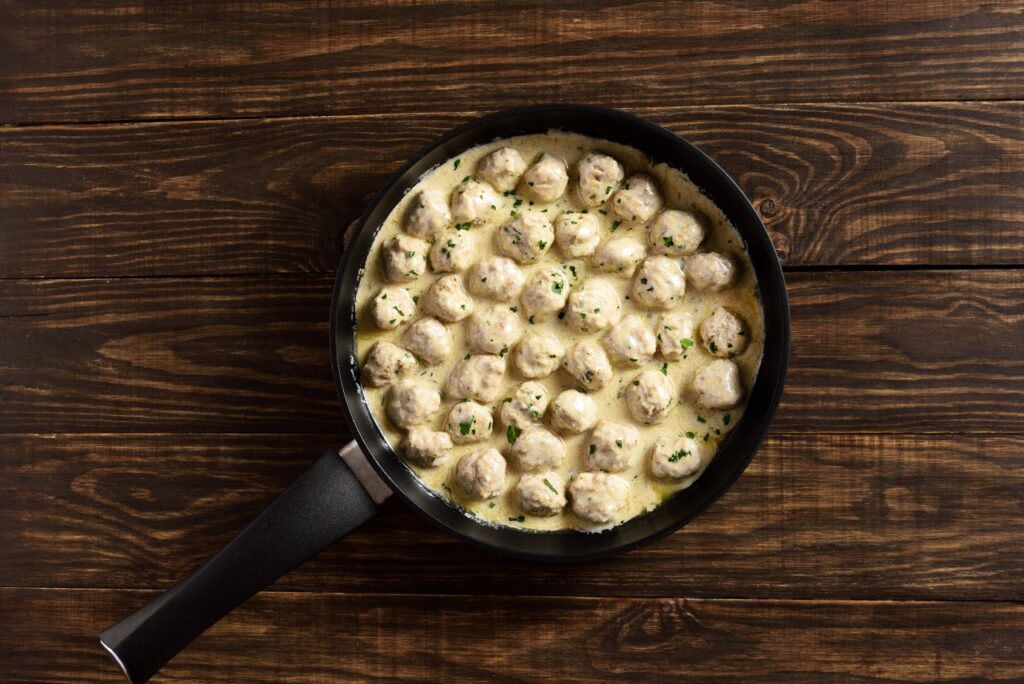
The retro food revival is likely to continue evolving rather than fade away. As trends shift, nostalgia will remain a consistent influence on menu development.
Future menus may combine traditional recipes with sustainable practices, focusing on local ingredients and responsible sourcing.
Technology and innovation will also play a role, allowing chefs to refine classic dishes with greater precision and creativity.
Cultural exchange will expand retro trends globally, introducing regional classics to wider audiences in updated forms.
This ongoing transformation suggests that nostalgia is not temporary, but a lasting force shaping how people connect with food and dining experiences.