12 Popular Brands Recalled This Month: Is Your Pantry Actually Safe?

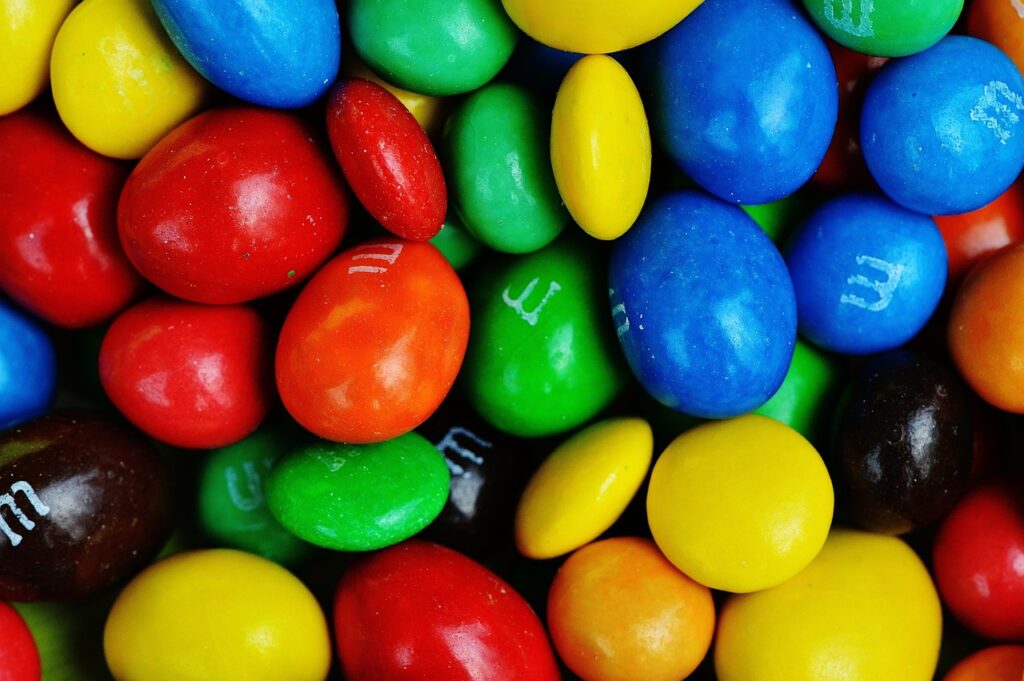
Pantry staples, from cereals and snacks to beverages and medicines, have recently faced recalls after contamination fears and labeling errors surfaced across major distribution networks. Products trusted for daily use were removed following concerns over sanitation failures, allergen mislabeling, and safety hazards discovered after production. These incidents reveal how food and product safety risks can emerge anywhere along supply chains, reminding households to regularly check recall alerts to keep everyday essentials safe for consumption.
1. Cheerios Recall Raises Pantry Safety Concerns
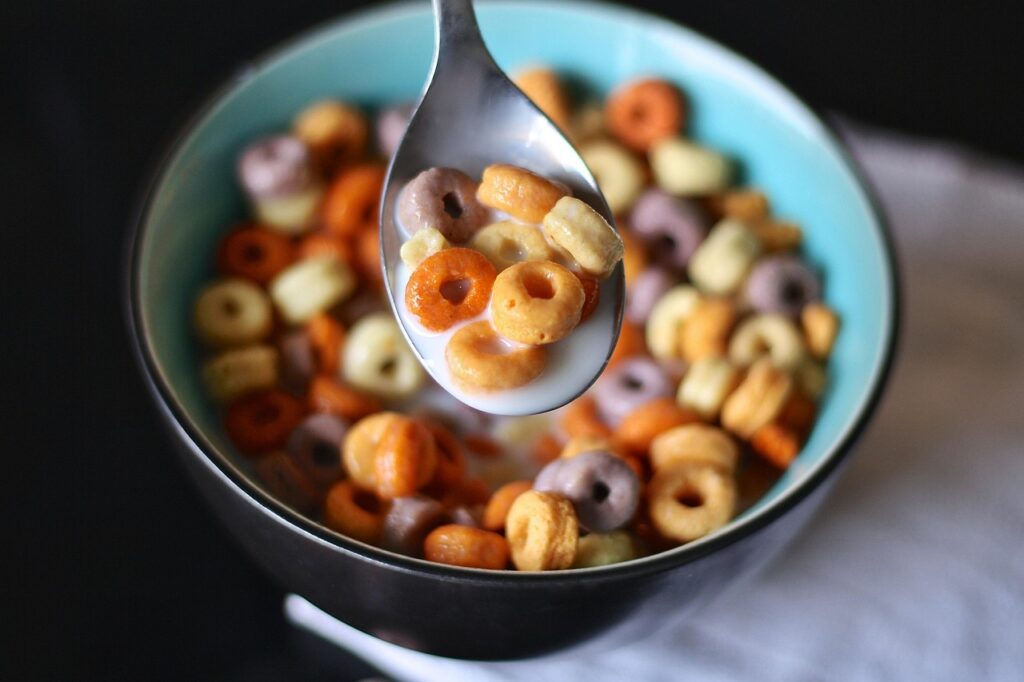
Breakfast routines faced disruption after certain cereal shipments were recalled due to possible exposure to rodent contamination during storage and distribution. The issue stemmed from unsanitary conditions at a facility handling large volumes of packaged foods before they reached retail shelves.
Rodent contamination poses health risks because droppings and contact surfaces may carry bacteria capable of contaminating sealed packaging exteriors. Even when food remains unopened, exposure concerns prompt precautionary recalls to prevent potential illness.
The incident illustrates how contamination risks sometimes arise outside manufacturing plants. Such recalls remind households that food safety depends on every step between production and purchase.
2. Pringles Shipments Pulled After Storage Contamination
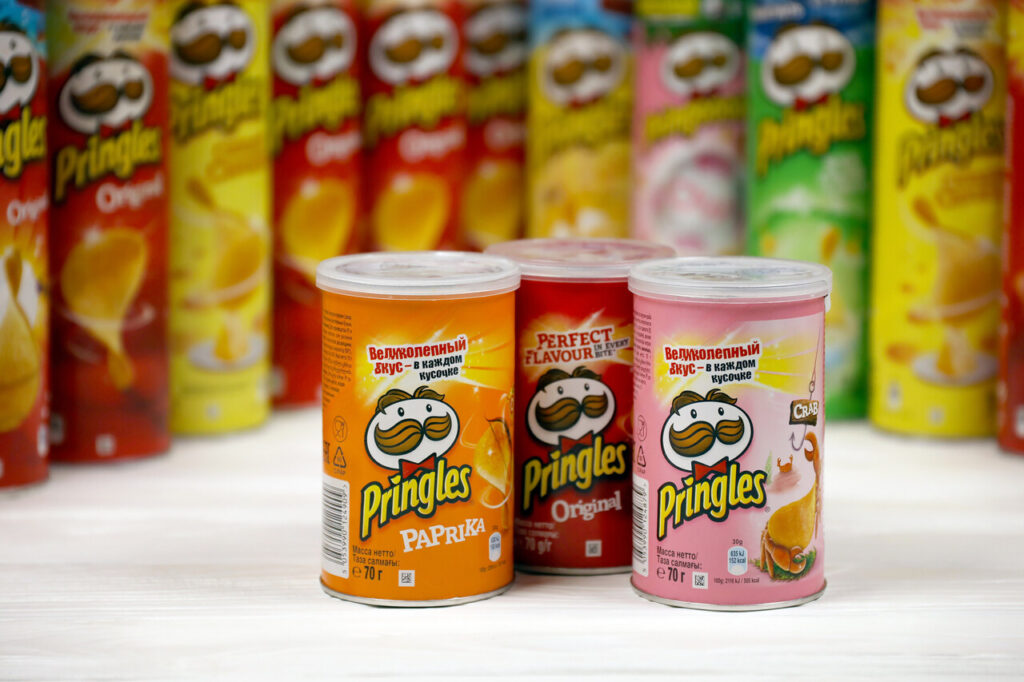
Snack shelves saw disruptions after certain batches of packaged chips were recalled due to contamination risks traced to distribution center conditions. Products handled in compromised facilities can face exposure even when factory production meets safety standards.
Unsanitary storage environments allow rodents and pests to contact outer packaging. Companies often issue voluntary recalls when contamination risk appears, prioritizing precaution over confirmed illness reports.
The recall highlights how supply chain vulnerabilities sometimes emerge far from manufacturing lines. Maintaining cleanliness across transport and storage networks remains essential to ensuring packaged snacks arrive safely in consumer pantries.
3. Skittles Recall Linked to Distribution Center Issues
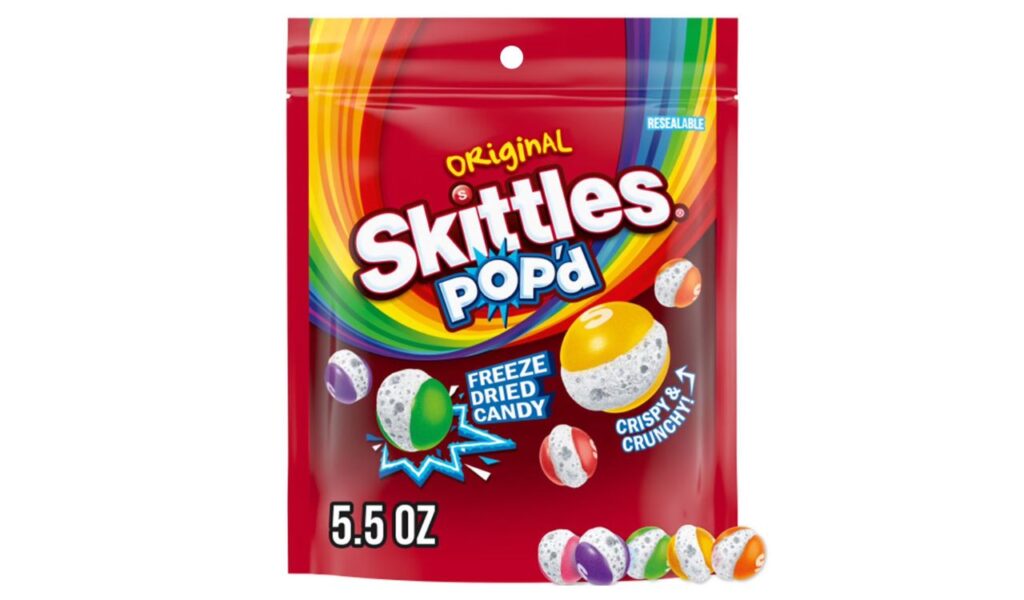
Colorful candy products also became part of a large recall after potential exposure to rodent contamination during distribution operations. Although candies themselves remained sealed, compromised handling environments prompted removal from store shelves.
Contamination concerns arise because pests can damage packaging or contaminate surfaces, potentially affecting product safety. Regulators and companies often act swiftly to prevent possible consumer exposure, even when risks remain precautionary.
This recall demonstrates how widespread distribution networks can magnify the impact of a single sanitation lapse. A problem at one facility can affect numerous brands shipped through the same channels.
4. Coca-Cola Products Included in Large Recall Event
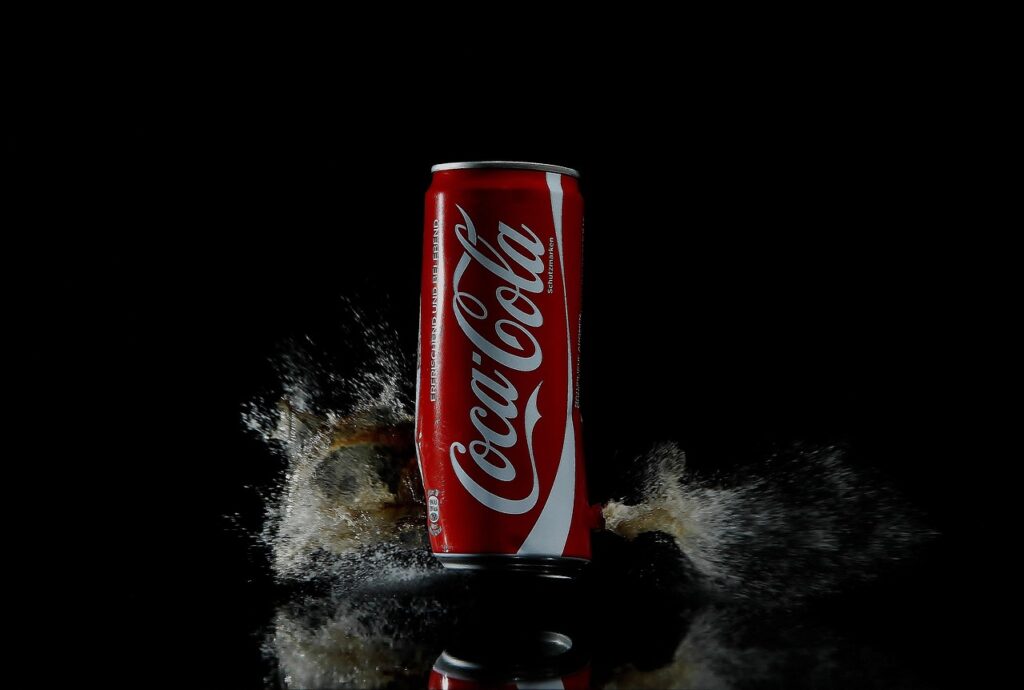
Beverage shipments under major soda and bottled drink brands were also recalled following storage facility contamination concerns. Products stored in affected warehouses risked exposure to rodents and birds before reaching retail outlets.
While sealed beverage containers protect liquid contents, contamination of packaging surfaces still triggers caution among regulators. Companies typically recall affected batches to avoid any potential health hazard associated with compromised storage.
The event underscores how even well-known beverage brands depend heavily on secure logistics networks. Food safety challenges sometimes originate after production rather than during manufacturing itself.
5. Hershey’s Products Impacted by Contamination Concerns
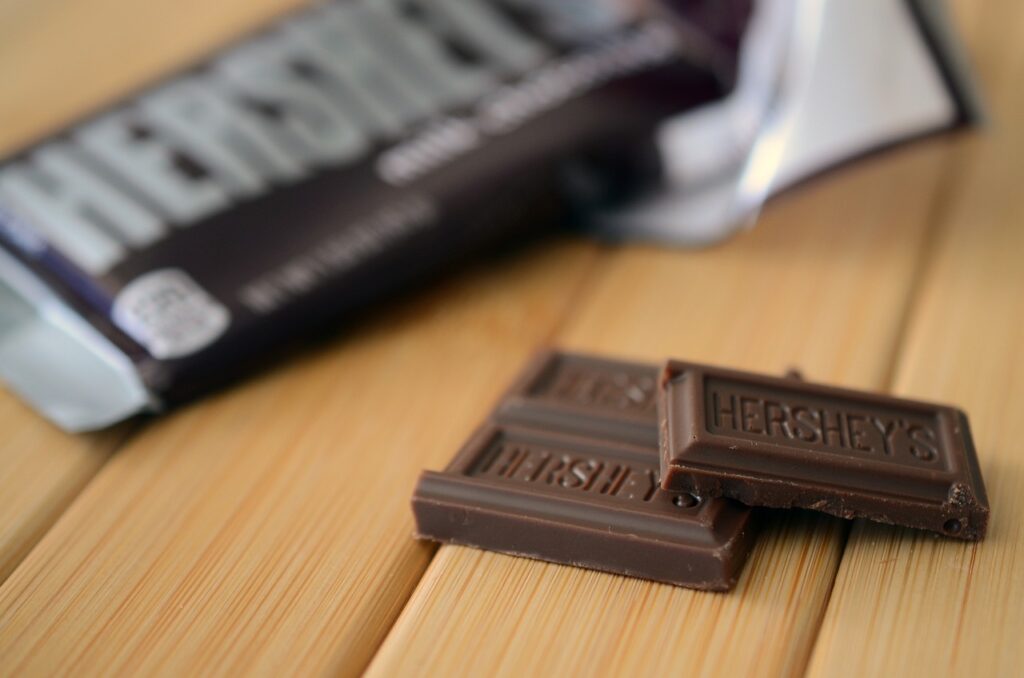
Several chocolate and confectionery items were recalled when linked to distribution centers experiencing sanitation failures. Even properly manufactured sweets can become part of recall efforts when storage conditions fail to meet hygiene standards.
Rodent exposure in storage facilities raises concerns about packaging integrity and cross-contamination risks. As a precaution, manufacturers often withdraw products until facilities meet safety requirements again.
The recall shows how trusted pantry treats remain vulnerable to supply chain breakdowns beyond production control. Maintaining safety across transportation and warehousing is just as vital as factory cleanliness.
6. Gatorade Recall Highlights Distribution Risks
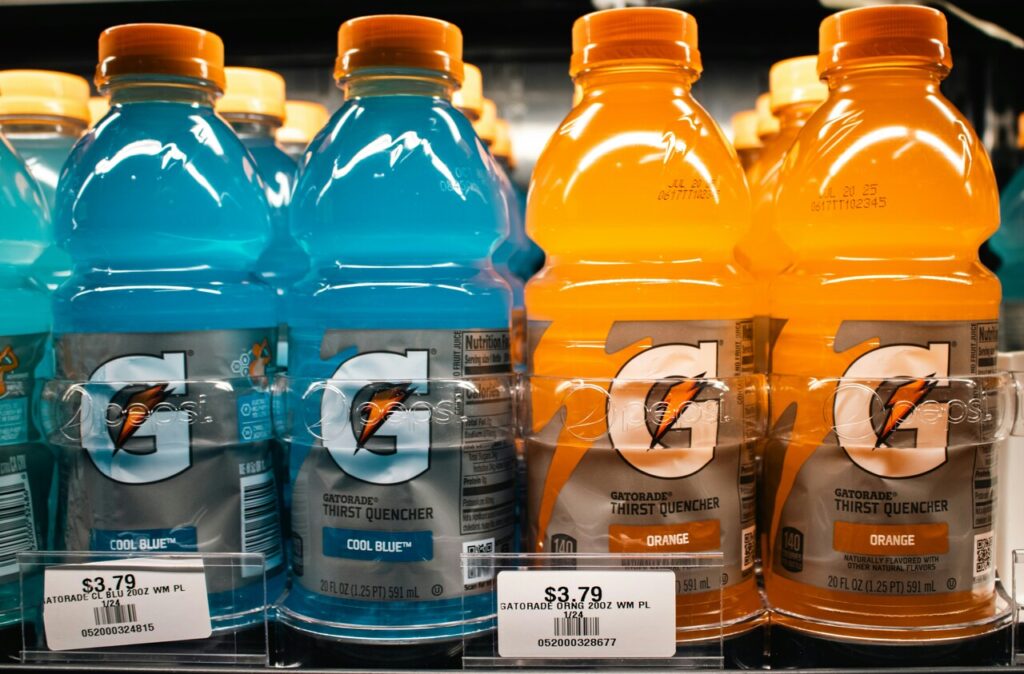
Sports drinks, popular among athletes and households, were also affected after shipments passed through contaminated storage environments. Distribution-stage exposure prompted removal despite safe production processes at bottling plants.
Even when bottles remain sealed, pest exposure during warehousing raises sanitation concerns, leading to precautionary recalls. Companies act quickly to maintain public trust and reduce potential health risks.
This situation illustrates how beverage safety depends on more than manufacturing quality alone. Secure storage and clean logistics operations are critical in delivering safe products nationwide.
7. Smart Water Products Included in Recall
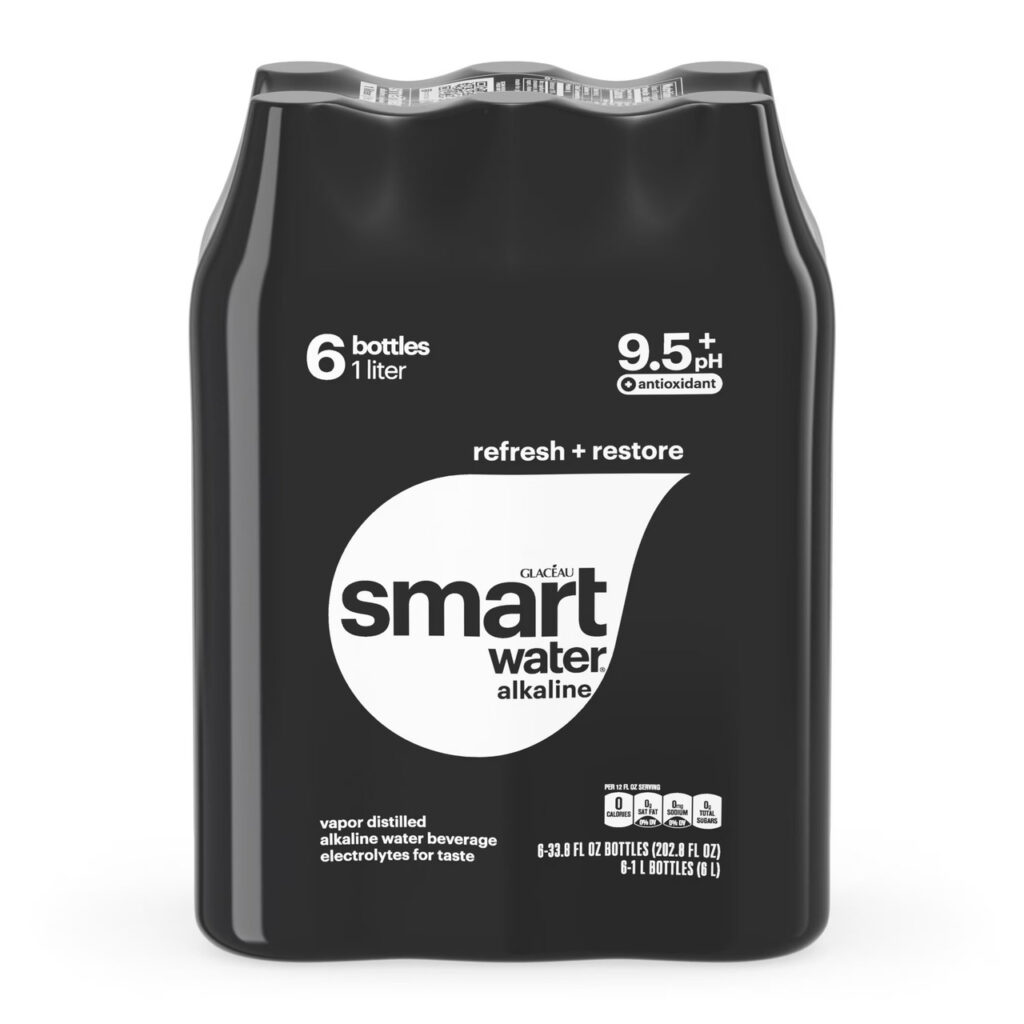
Premium bottled water shipments joined the recall list after passing through facilities facing sanitation violations involving pest contamination. Although internal contents remained sealed, exposure risks to the packaging prompted cautionary withdrawal.
Water brands often emphasize purity and quality, making even minor contamination risks particularly sensitive. Removing potentially affected stock helps companies maintain consumer confidence while investigations continue.
The event shows how premium positioning does not shield products from logistical challenges. Clean handling conditions remain essential throughout transportation and storage networks.
8. Tylenol Shipments Also Pulled from Shelves
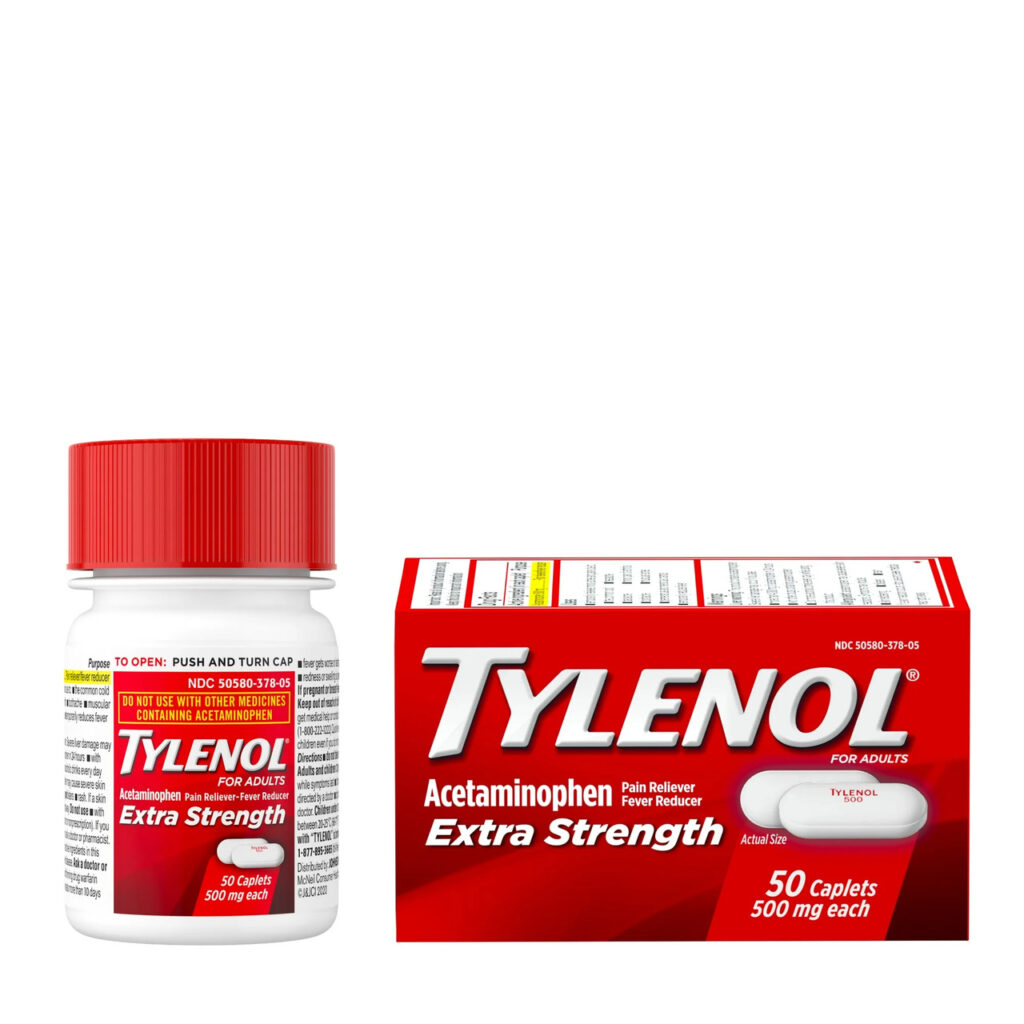
Certain medicine shipments, including pain relief products, were recalled after distribution center contamination concerns affected stored goods. Although medications were not manufactured under unsafe conditions, exposure risks prompted removal.
Pharmaceutical products face stricter handling expectations because contamination concerns directly affect consumer health. Companies typically respond quickly to protect safety and brand credibility.
The recall demonstrates how distribution problems extend beyond food into health products as well. Secure logistics practices remain critical across all consumer goods categories.
9. DayQuil Products Included in Contamination Recall
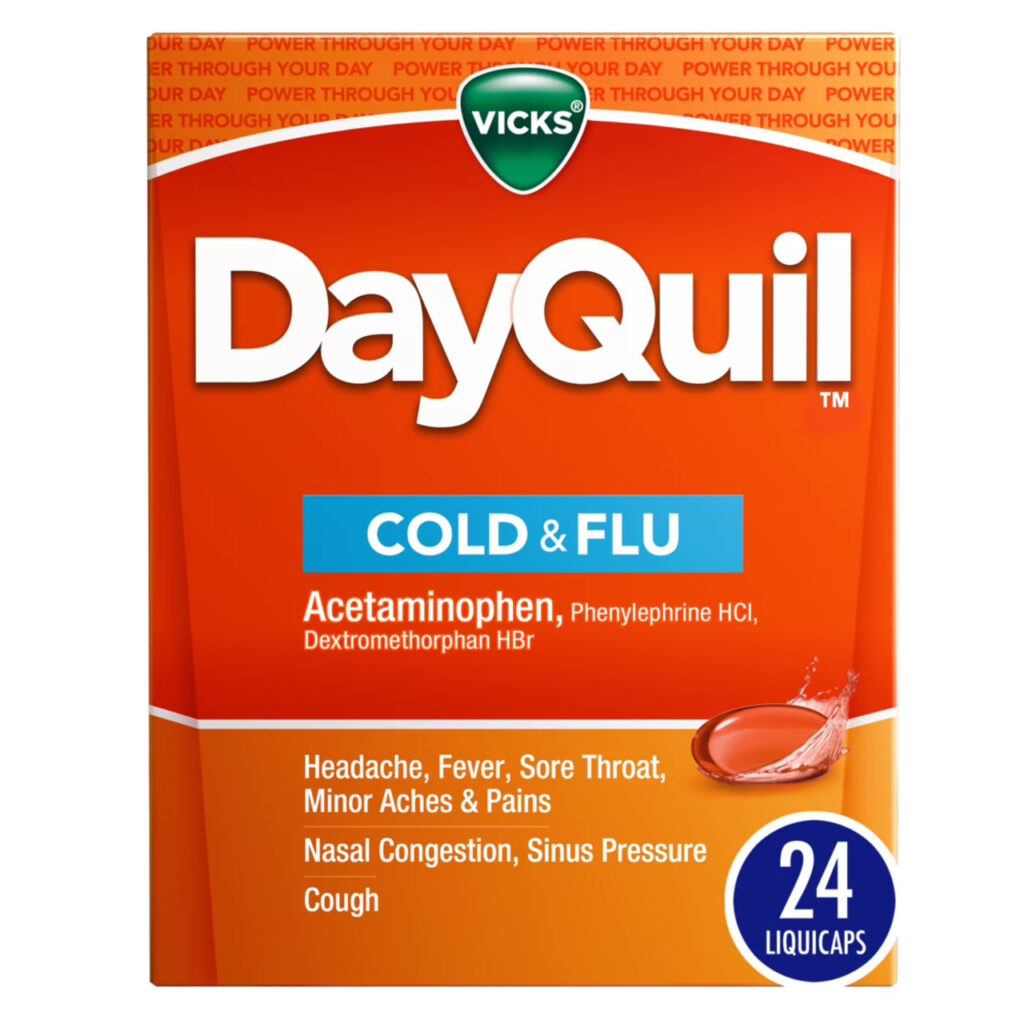
Cold and flu medication shipments became part of the recall following the same warehouse sanitation failures affecting food and beverage goods. Products stored in compromised environments were withdrawn as a precaution.
Medication packaging may protect contents, yet contamination risk during handling remains unacceptable under regulatory standards. Quick recall action helps prevent possible exposure while facilities undergo correction.
This incident highlights how widespread distribution failures can affect many product categories simultaneously. Clean supply chains remain fundamental to protecting public health across industries.
10. M&M’s Recall Triggered by Allergen Labeling Error
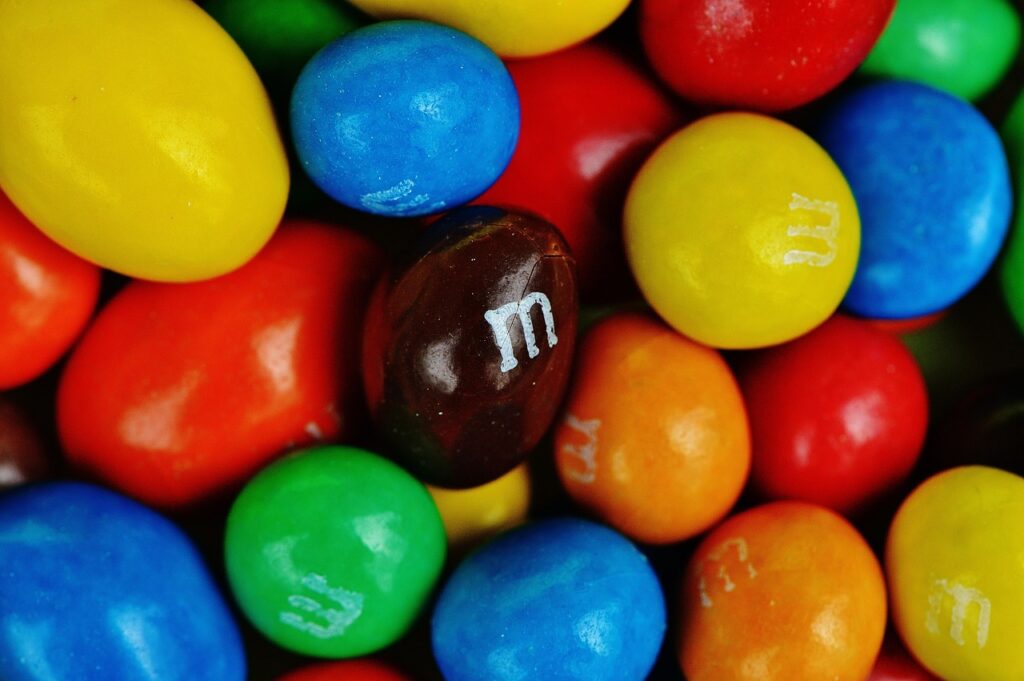
Chocolate candy products faced recall after certain packages failed to properly disclose allergen information, creating risk for consumers sensitive to milk, peanuts, or soy ingredients. Labeling accuracy plays a crucial role in food safety compliance.
Undeclared allergens can trigger severe reactions among sensitive individuals, prompting immediate recall actions once errors are discovered. Companies often pull affected batches rapidly to prevent harm.
The incident underscores how packaging mistakes can carry health consequences even when ingredients themselves are safe. Accurate labeling remains essential for protecting allergy sufferers relying on transparent product information.
11. Chips Ahoy Baked Bites Recall Expanded
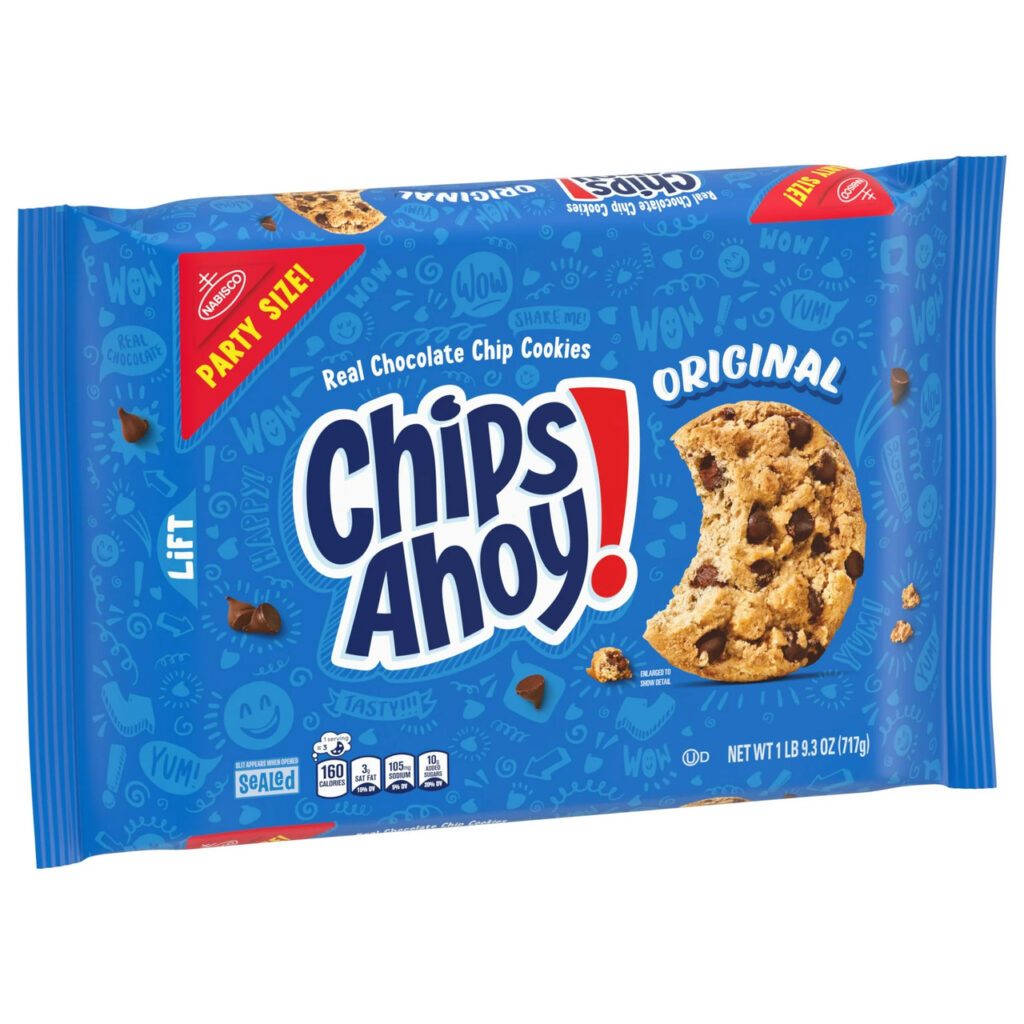
Snack-sized cookie products were recalled after reports identified possible choking hazards caused by ingredient clumping during production. Manufacturing inconsistencies occasionally lead to unexpected texture changes in packaged foods.
When products present choking risks, especially for children, recalls occur quickly to prevent injury. Companies investigate production processes to prevent recurrence while removing affected stock.
The situation illustrates how product safety extends beyond contamination to include physical hazards. Careful quality control remains necessary to ensure packaged foods remain safe for all age groups.
12. Costco Mini Beignets Recall Over Allergen Risk

Bakery items sold in bulk retail outlets were recalled after discovering undeclared tree nut ingredients that posed risks for allergy sufferers. Even small labeling errors can create significant danger for sensitive consumers.
Food allergen recalls often occur swiftly because exposure can lead to severe or life-threatening reactions. Retailers remove affected products to protect customers while packaging corrections are implemented.
The event highlights how even fresh bakery goods require precise labeling oversight. Food safety depends not only on ingredient quality but also on accurate communication to consumers making purchase decisions.