11 States Pushing New Food Dye Restrictions

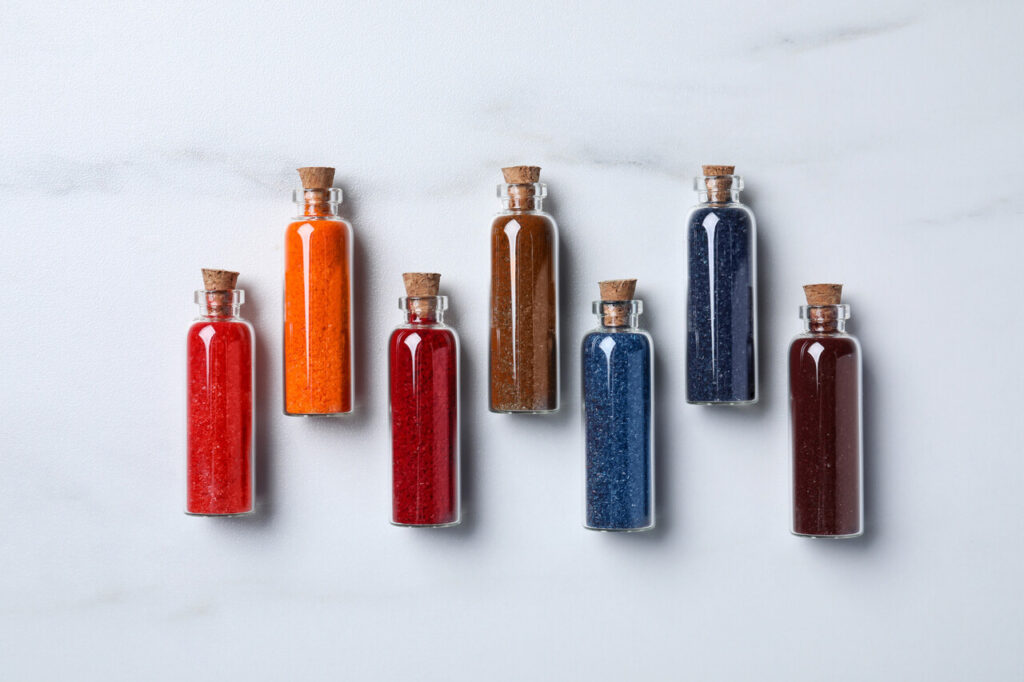
Bright colors have long been part of the appeal of many packaged foods. From neon candies and fruit-flavored drinks to vividly colored cereals, artificial dyes have helped make products more visually exciting for decades. But across the United States, lawmakers are beginning to question whether these synthetic colorings should remain so widely used, especially in foods commonly consumed by children.
Concerns about artificial dyes have grown as consumer awareness around food ingredients continues to increase. Some studies have examined potential links between certain dyes and behavioral issues in children, while others highlight the heavy presence of these additives in highly processed snacks and beverages. Although the scientific debate continues, the issue has sparked a wave of legislative proposals in several states.
As a result, a growing number of states are exploring restrictions, warning labels, or school food limits related to synthetic dyes. If these efforts move forward, they could reshape how food manufacturers formulate products and how colorful many grocery store staples remain in the future.
1. California Leading the Push to Limit Artificial Food Dyes

California has become one of the most influential states in the country when it comes to regulating food additives. Lawmakers there have introduced and passed several measures aimed at reducing the use of synthetic dyes and other additives in foods sold to consumers. The state’s actions often draw national attention because California’s massive market can shape how food companies formulate products across the United States.
One of the major developments has been legislation targeting certain artificial dyes used in candy, cereals, and snack foods. Lawmakers and health advocates have argued that some synthetic colorings are linked to behavioral concerns in children and should be limited, particularly in products marketed to young consumers. Schools have become a major focus, with proposals aimed at removing certain additives from food served in public cafeterias.
Because of California’s size and influence, these policies may affect the entire food industry. When manufacturers reformulate products to meet California standards, those changes often carry over into national production lines. That means the state’s push to limit artificial dyes could have ripple effects well beyond its borders.
2. West Virginia Moving Quickly on Food Dye Restrictions
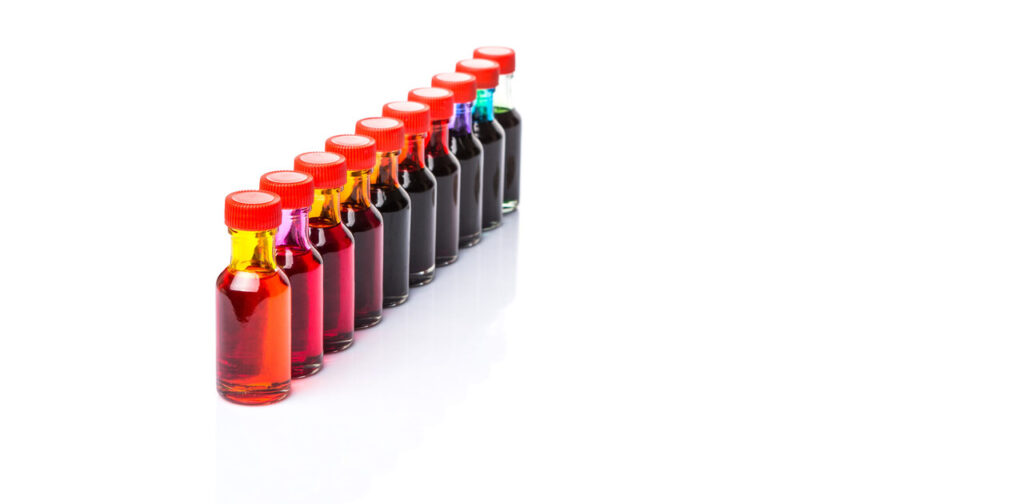
West Virginia has taken a strong stance on artificial food dyes, especially in school nutrition programs. Lawmakers in the state have introduced legislation aimed at banning several synthetic dyes from foods served in public schools, reflecting growing concerns about children’s exposure to certain additives.
Supporters of these restrictions argue that highly processed foods containing synthetic dyes appear frequently in school meals and snacks. By limiting these ingredients, the goal is to encourage healthier options while reducing children’s consumption of artificial coloring agents that have raised questions among some health researchers.
The state’s proposals also highlight a broader shift happening across the country. States that traditionally have not been leaders in food policy are now joining the conversation about additives and ingredient transparency. West Virginia’s actions show how the issue is spreading beyond coastal states and gaining attention nationwide.
3. Utah Entering the Debate Over Synthetic Food Colors
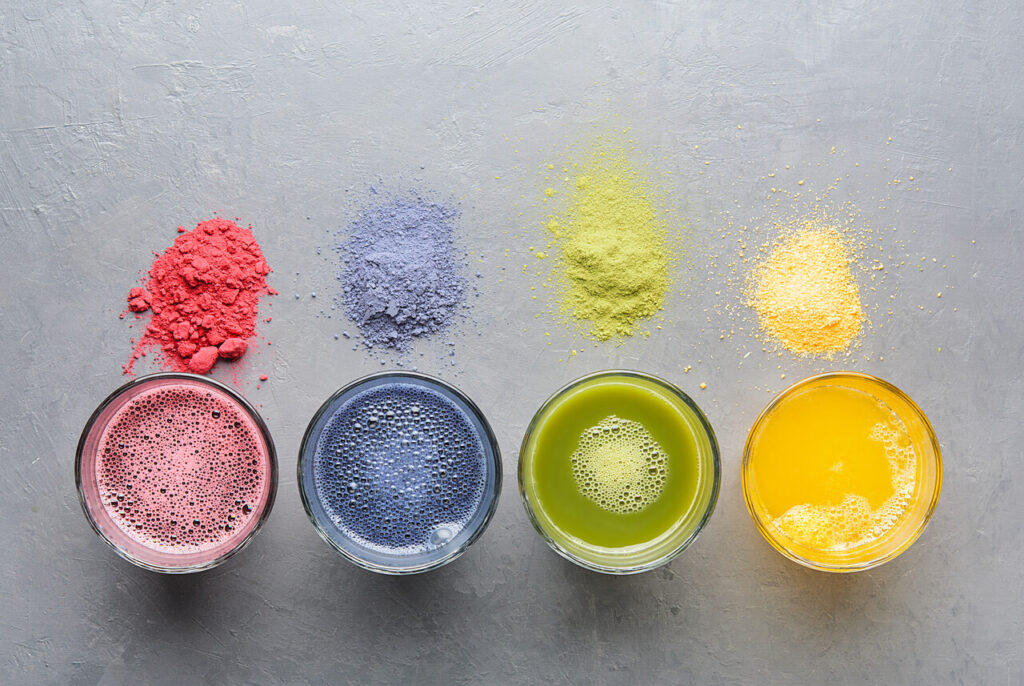
Utah has recently joined the growing list of states examining the use of artificial food dyes. State lawmakers have explored legislation that would limit certain synthetic color additives in school meals or require additional oversight for foods containing those ingredients.
The discussion reflects a wider public interest in food labeling and ingredient safety. Many parents and consumer groups have begun paying closer attention to the dyes used in candies, beverages, and snack products commonly marketed to children. These concerns have pushed policymakers to evaluate whether stricter rules might be appropriate.
Utah’s approach focuses on examining how artificial dyes appear in everyday foods rather than eliminating entire product categories. By targeting specific additives, lawmakers hope to encourage manufacturers to adopt alternative coloring methods while maintaining access to familiar food products.
4. New York Considering Limits on Artificial Dyes in Schools

New York has been actively exploring ways to regulate synthetic food dyes, particularly in school nutrition programs. Lawmakers in the state have introduced proposals that would restrict certain artificial colorings from foods served to students in public schools.
Advocates behind these efforts often point to growing research examining how certain food additives might affect children’s behavior and attention levels. While the science remains debated, the issue has sparked strong interest among parents and public health organizations.
New York’s discussions also reflect the state’s long history of taking a close look at food labeling and consumer protection. If restrictions move forward, they could encourage food manufacturers to reconsider the ingredients used in products that are widely distributed in school systems.
5. New Jersey Reviewing Food Dye Safety in Consumer Products

New Jersey lawmakers have begun examining whether synthetic dyes used in packaged foods should face tighter regulation. Proposed legislation has focused on studying the safety of several commonly used artificial colorings and considering possible restrictions.
Many of the discussions revolve around foods that appeal strongly to children, including brightly colored snacks, drinks, and candies. Lawmakers have raised questions about whether these additives should remain as widely used as they are today or if alternative coloring methods should be encouraged.
New Jersey’s interest in the issue reflects growing consumer awareness about food ingredients. As shoppers increasingly read labels and look for products with fewer artificial additives, policymakers are responding by exploring whether current regulations still meet public expectations.
6. Pennsylvania Exploring New Rules for Artificial Food Additives

Pennsylvania has also entered the national conversation about artificial food dyes. Lawmakers in the state have introduced proposals aimed at reviewing the safety of synthetic colorings used in popular packaged foods.
One of the primary areas of focus has been products marketed to children. Brightly colored cereals, fruit-flavored snacks, and beverages often rely on artificial dyes to create their distinctive appearance. Some policymakers argue that reducing these additives could lead to healthier product formulations.
While the legislation is still being debated, Pennsylvania’s involvement shows how concerns about food dyes are spreading to more state legislatures. The growing interest reflects broader questions about ingredient transparency and the long term effects of certain additives.
7. Illinois Considering Restrictions on Synthetic Coloring
Illinois has begun evaluating potential regulations related to artificial food dyes, particularly in foods served through school programs. Some lawmakers have proposed reviewing how widely synthetic dyes appear in products marketed toward children.
The push reflects rising interest in nutrition standards within school systems. Many districts are already working to reduce highly processed foods, and limiting artificial dyes is viewed by some advocates as another step in that direction.
Illinois officials are also examining how other states are approaching the issue. By studying policies implemented elsewhere, lawmakers hope to determine whether similar measures could improve food quality while remaining practical for schools and food suppliers.
8. Maryland Weighing Limits on Artificial Dyes

Maryland lawmakers have joined the conversation about food additives by reviewing legislation that targets certain artificial dyes. These proposals often focus on products commonly consumed by children, such as candy and snack foods.
Public health advocates in the state have raised concerns about the prevalence of synthetic colorings in everyday foods. They argue that reducing the use of these additives could encourage companies to adopt natural coloring alternatives derived from fruits, vegetables, or plant extracts.
The discussions in Maryland are part of a broader national trend in which states are examining the role of additives in modern food production. By raising questions about artificial dyes, lawmakers are contributing to a wider debate about ingredient transparency and consumer choice.
9. Missouri Joining the Growing Movement on Dye Restrictions

Missouri has started considering legislation related to synthetic food dyes as well. Lawmakers have proposed studying the safety of several widely used artificial colorings and determining whether additional regulations might be necessary.
The issue has gained attention partly because many brightly colored foods are marketed toward children. Some policymakers believe reviewing these ingredients could help improve nutrition standards and encourage healthier product options.
Missouri’s involvement shows how the discussion is expanding beyond coastal states. As more legislatures explore the topic, the possibility grows that food manufacturers may need to adapt product formulas to meet different state standards.
10. Rhode Island Looking at Artificial Dye Warnings
Rhode Island has been examining policies that would increase transparency about artificial food dyes. Some proposals have focused on warning labels for products that contain certain synthetic color additives.
Supporters of these measures argue that clearer labeling would allow consumers to make more informed choices about the foods they buy. By highlighting the presence of artificial dyes, the goal is to give shoppers better insight into what is in their food.
Although the proposals are still under discussion, Rhode Island’s approach reflects a growing emphasis on consumer awareness. Rather than banning products outright, the focus is on providing information that helps families decide what they want to purchase.
11. Washington Expanding Attention on Food Additives
Washington State has also begun examining the role of artificial dyes in packaged foods and school nutrition programs. Lawmakers there have considered proposals aimed at restricting certain additives or requiring more oversight of how they are used.
The state has a history of addressing environmental and consumer health issues, and food ingredient transparency has become part of that conversation. By reviewing synthetic dyes, policymakers hope to better understand their role in modern food production.
Washington’s participation adds momentum to a nationwide discussion about food additives. As more states examine artificial dyes, the food industry may increasingly shift toward alternative coloring methods that rely on natural sources instead of synthetic chemicals.