How Long Cooked Chicken Can Safely Sit Out at Room Temperature

Few kitchen questions create more confusion than how long cooked chicken can safely sit out after it leaves the stove. The meat often looks perfectly fine, smells normal, and feels harmless, which makes it easy to assume it is still safe to eat. Food safety, however, is not guided by appearance or aroma. It is driven by invisible changes that begin the moment the chicken cools to room temperature. Bacteria can multiply quietly without leaving obvious signs, turning a familiar meal into a potential health risk. Understanding what happens during that waiting period helps remove doubt and replaces guesswork with practical awareness that protects both food quality and personal health.
Learning how temperature, time, and bacteria interact gives home cooks more confidence and control in everyday situations. Instead of relying on smell tests or visual checks, clear safety guidelines provide dependable direction. Simple habits, such as knowing when to refrigerate or discard food, make a meaningful difference. These small choices help reduce the risk of foodborne illness without adding stress to mealtime routines. With the right information, cooked chicken no longer feels like a gamble. It becomes a food you can enjoy comfortably, knowing when it is safe and when it is time to let it go for the sake of everyone at the table.
Why Time Limits Exist
Cooked chicken does not become unsafe because it cools down or loses its fresh appearance. The real risk begins when the meat settles into a temperature range where bacteria thrive. This window allows harmful microbes to multiply rapidly, even though the chicken may still smell fine and look perfectly normal. Once cooking ends, time becomes the most important factor. The surface of cooked chicken is warm, moist, and rich in protein, which creates ideal conditions for bacterial growth. These changes happen quietly, without visible warning signs, making it easy to underestimate how quickly safety can decline.
Bacteria such as Salmonella and Staphylococcus can increase their numbers at a surprising speed when cooked chicken sits at room temperature. This growth is invisible and gives no sensory clues until it reaches unsafe levels. Chicken is especially vulnerable because its moisture and nutrients support rapid microbial activity. Time limits exist to stop bacteria before they reach concentrations that cause illness. Even when chicken is cooked thoroughly, leaving it out too long allows contamination to take hold. This is why timing matters just as much as proper cooking, and why clear limits are essential for protecting health.
How Heat Changes the Risk
Room temperature is often treated as a single, safe condition, but in reality it shifts constantly and directly affects how quickly cooked chicken becomes unsafe. A cooler indoor kitchen slows bacterial growth slightly, which may create a false sense of security. As the surrounding air warms, bacteria gain speed and multiply more aggressively. Warm rooms, crowded kitchens, and limited airflow all contribute to faster spoilage. Chicken left out during summer meals, family gatherings, or power outages faces a much shorter safety window. Even small increases in ambient heat can push the meat deeper into conditions where bacteria thrive, long before any visible or sensory changes appear.
Heat reduces food safety margins faster than most people expect. As temperatures climb, the time cooked chicken can safely remain out drops sharply, sometimes to less than half the usual window. What feels like a brief delay can be enough for bacteria to reach harmful levels. This is why food safety guidance becomes stricter in warm environments and outdoor settings. Higher heat accelerates microbial activity and leaves little room for error. Understanding this relationship helps explain why cooked chicken should not be left sitting out casually, especially during hot weather, when risks rise quickly and silently.
Why Cooked Chicken Spoils Quickly
Cooking chicken destroys most harmful bacteria, but it also changes the meat in ways that make it more vulnerable once the heat is turned off. During cooking, muscle fibers tighten and release moisture to the surface, leaving the exterior warm, damp, and exposed. This moist surface becomes an ideal landing spot for new bacteria from the surrounding air, countertops, utensils, or hands. Unlike raw chicken, which still has intact muscle structure and colder storage protection, cooked chicken lacks natural barriers. As it cools at room temperature, it enters conditions where bacteria can settle and begin multiplying quietly, even though the meat still looks fresh and appealing.
Handling plays a major role in how quickly cooked chicken spoils. Each time it is sliced, served, transferred, or uncovered, it gains new opportunities for contamination. Bacteria from skin contact, serving tools, or nearby foods can easily spread onto the meat. Because cooked chicken no longer has the defenses that raw meat retains before cooking, these bacteria can grow freely if the chicken stays out. This unchecked growth happens without warning signs like odor or discoloration. That is why cooked chicken can become unsafe faster than expected and why food safety must continue even after cooking is complete.
Why Reheating Is Not a Fix
Reheating cooked chicken often feels like a safety net, but it does not repair the damage caused by leaving food out too long. While heat can kill many live bacteria, it cannot reverse everything that happens as bacteria grow at room temperature. Some bacteria release toxins as they multiply, and those toxins remain even after thorough reheating. Chicken can reach a point where it looks safe, smells normal, and is piping hot, yet still carries compounds that trigger food poisoning. This is why reheating cannot be used as a shortcut to make questionable chicken safe again once time limits have been exceeded.
This misunderstanding leads many people to take risks without realizing it. The assumption that high heat resets food safety ignores how bacterial toxins behave. These toxins are heat-stable and survive temperatures that would normally kill bacteria. Once they form, no amount of reheating makes the chicken safe to eat. Food safety rules are designed to prevent toxin formation in the first place, not fix it afterward. Trusting reheating instead of proper timing creates a false sense of security. Understanding this distinction helps prevent illness and reinforces why cooked chicken left out too long should always be discarded.
What Safety Experts Recommend
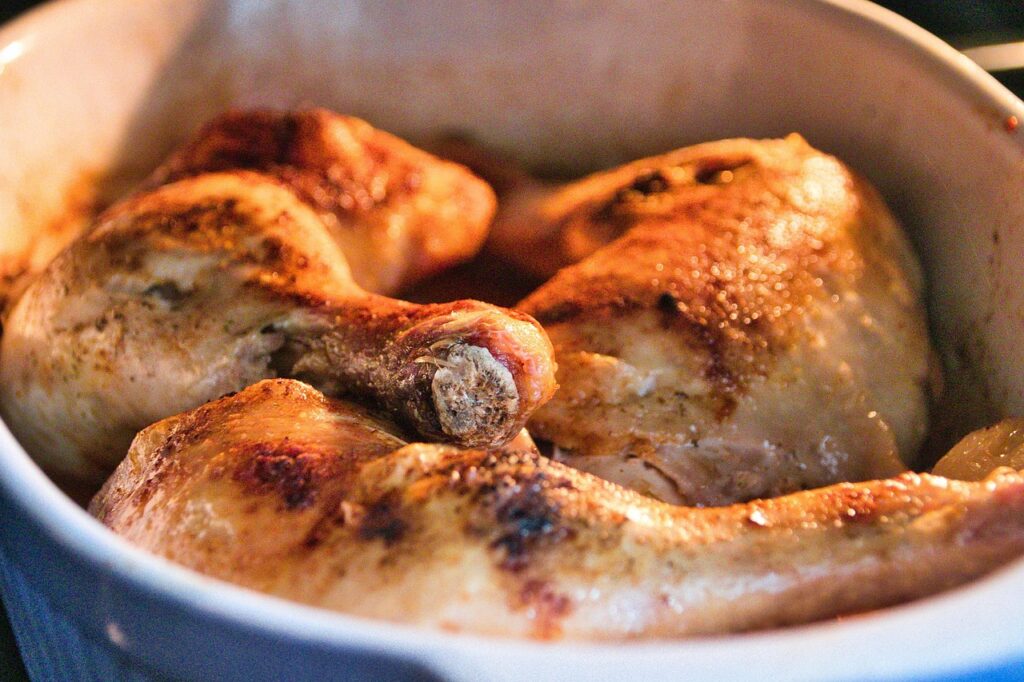
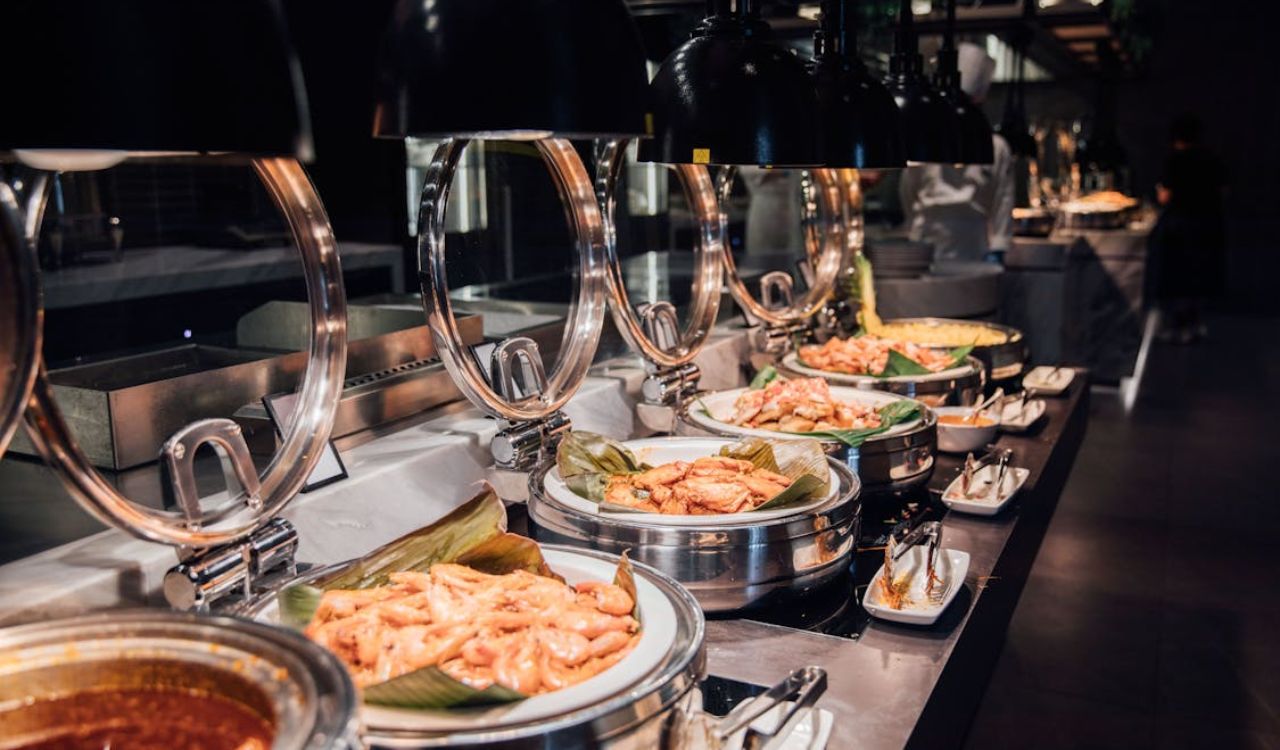
Food safety recommendations exist to simplify decisions and reduce risk in everyday cooking situations. Cooked chicken should not remain at room temperature for more than two hours under normal indoor conditions. When temperatures rise, that safe window shrinks to one hour because bacteria multiply faster in warm environments. These limits are intentionally conservative and designed to stop bacterial growth long before it reaches dangerous levels. They are not flexible guidelines meant to be adjusted based on smell or appearance. Following these time frames keeps cooked chicken within a safety margin where harmful bacteria have not had enough time to grow unchecked and cause illness.
When timing becomes uncertain, experts consistently advise choosing caution over convenience. Discarding cooked chicken may feel wasteful, but the consequences of eating unsafe food can be far more serious. Foodborne illness can range from mild stomach upset to dehydration and severe complications, especially for children, older adults, pregnant individuals, and those with weakened immune systems. Because bacteria and toxins are invisible, guessing carries real risk. Letting go of questionable chicken protects everyone at the table and removes unnecessary health dangers when safety is unclear.
Reference
- How Long Can Cooked Chicken Sit Out Safely? Critical Guide – spice.alibaba.com
- How Long Can Cooked Chicken Be Left Out At Room Temperature? – foodrepublic.com
- How Long Can Cooked Chicken Sit Out? – eatingwell.com