The Fast Casual Asian Restaurant You Didn’t Know Was Once Owned by PF Chang’s

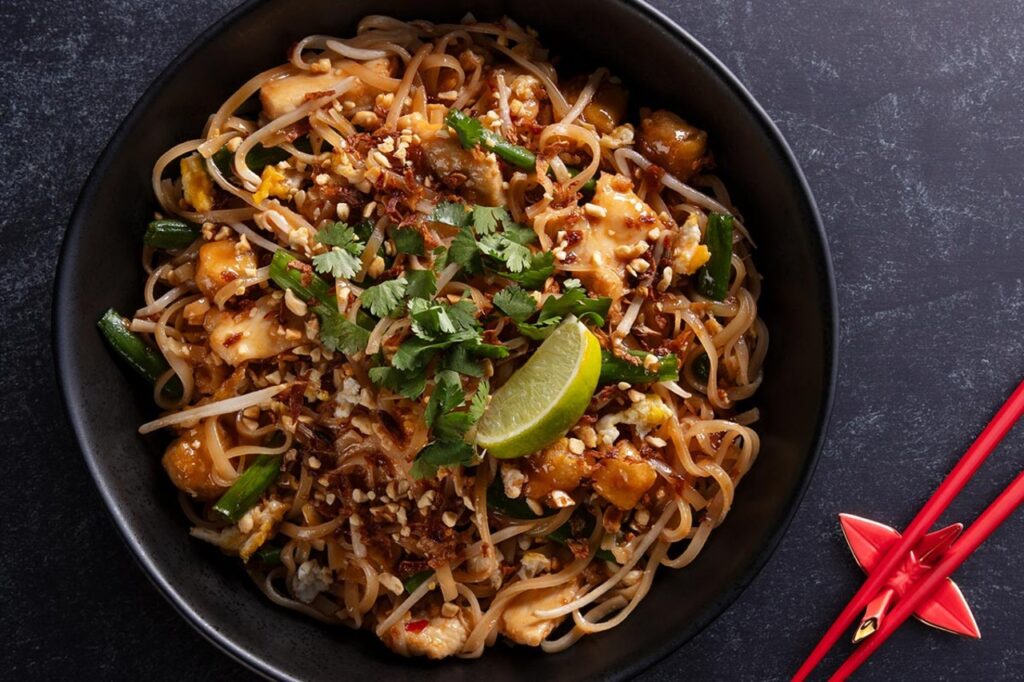
Some restaurant stories hide in plain sight, woven quietly into everyday routines. You may have eaten at this fast-casual Asian restaurant many times without realizing it once belonged to one of the most recognizable dining brands in America. The meals arrive quickly, the flavors feel familiar, and the setting feels relaxed rather than formal. That ease is intentional, but it did not happen by accident. The concept grew out of a full-service restaurant known for introducing many Americans to bold, Asian-inspired dishes in a polished yet approachable way. What looks like a modern convenience today is rooted in a much earlier vision of how people wanted to eat.
As dining habits shifted, so did expectations around speed, price, and flexibility. This brand’s evolution reflects a larger change in how Americans balance quality with convenience. What began as an extension of a sit-down experience slowly adapted to shorter lunches, busier schedules, and a growing demand for customization. Over time, the restaurant learned to stand on its own, shaped by consumer habits rather than tradition. That journey explains why the food feels both familiar and effortless today. The quiet connection to its origins still matters because it shows how successful restaurants evolve without losing the flavors that made people care in the first place.
How P.F. Chang’s Changed Casual Dining
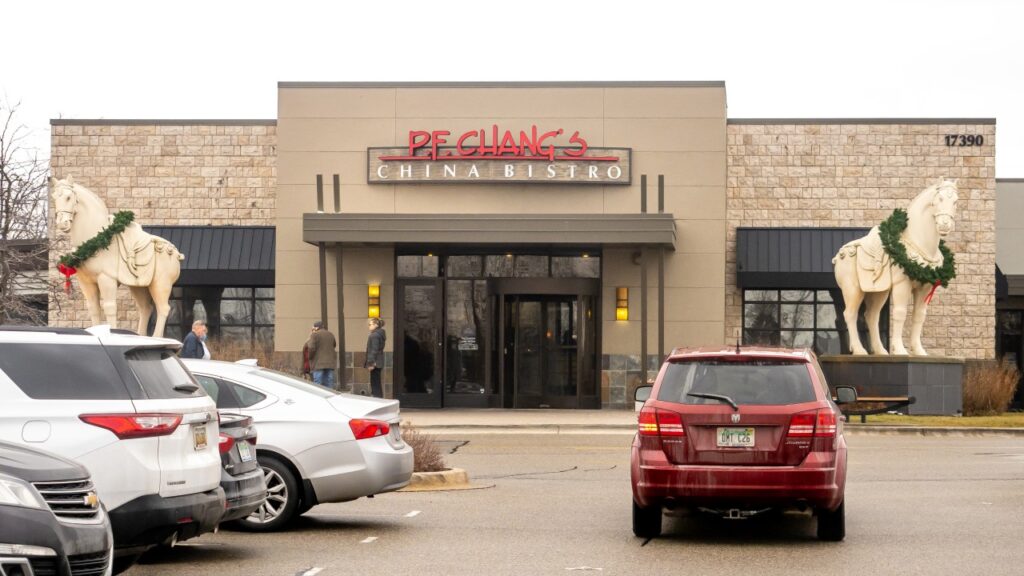
P.F. Chang’s changed casual dining by making Asian-inspired flavors feel welcoming rather than unfamiliar. When it emerged in the early 1990s, many diners had limited exposure to Chinese and broader Asian cuisine outside of takeout. The brand bridged that gap by presenting bold sauces, wok cooking, and shareable dishes in a polished yet relaxed setting. This approach helped remove hesitation around Asian food and positioned P.F. Chang’s as a place where curiosity felt safe. Its consistent quality and approachable atmosphere allowed it to grow quickly and become a fixture in shopping centers and dining districts across the country.
As the restaurant gained popularity, it also paid close attention to how dining habits were changing. Guests still loved the flavors but increasingly wanted meals that fit into shorter lunch breaks and busier schedules. Long waits and full table service no longer matched everyday routines. Rather than resisting this shift, the brand recognized it as a natural evolution. It was understood that Asian-inspired food could succeed outside a traditional sit-down model. That realization planted the seed for a faster, more flexible concept designed to preserve flavor while reducing formality, ultimately leading to a new brand that could operate independently.
The Birth of a Fast-Casual Concept
Pei Wei emerged from a clear realization that diners were changing how they wanted to eat. By the late 1990s, people still craved bold Asian-inspired flavors but no longer wanted the time commitment of a full-service restaurant for everyday meals. Launched in 2000, Pei Wei was designed to deliver speed without sacrificing freshness. Guests ordered at the counter to avoid long waits, while meals were still cooked to order rather than pre-made. Open kitchens reinforced transparency, showing woks in action and emphasizing freshness. This balance of speed, visibility, and quality positioned Pei Wei squarely in the fast-casual space as the category began to take shape.
The menu was built to support efficiency while preserving familiar flavors. Asian-inspired dishes were streamlined for quick preparation, yet sauces, seasonings, and cooking techniques remained central to the experience. Customization became a defining feature, allowing diners to adjust ingredients, spice levels, and dietary needs. This flexibility appealed to families, professionals, and busy diners seeking reliable meals. The format felt modern but approachable, which helped the brand gain early traction. That momentum confirmed strong demand for a restaurant that blended recognizable flavors with convenience, validating the fast-casual model and setting the stage for future growth.
Growth and Mainstream Success
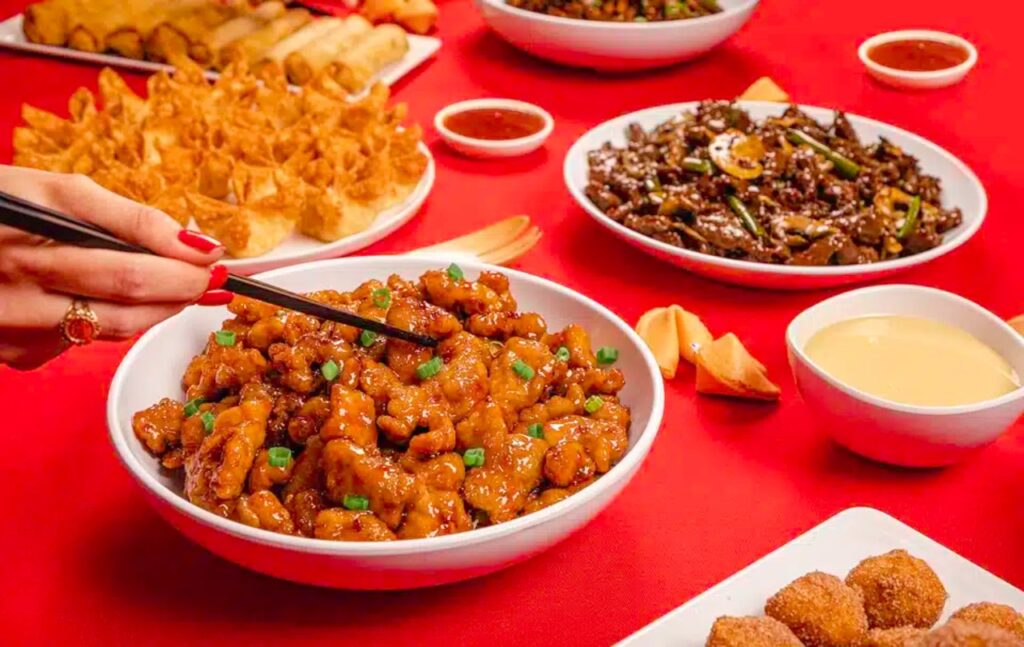
Pei Wei’s expansion gained momentum once its fast-casual formula proved reliable across different markets. New locations opened steadily in multiple states, introducing more diners to Asian-inspired meals that fit modern schedules. Pei Wei benefited from early trust tied to its origins while developing a personality of its own. Consistent menus, familiar flavors, and efficient service helped the brand feel dependable rather than trendy. As a result, Pei Wei became a practical choice for everyday dining, attracting customers who wanted bold flavors without the formality of sit-down restaurants or the limitations of traditional fast food.
As the footprint widened, Pei Wei became a recognizable presence in shopping centers and suburban dining areas. Its focus on wok-cooked dishes sets it apart in a fast-casual field dominated by burgers, sandwiches, and bowls. That difference helped the brand stand out while still feeling approachable. Guests knew they could expect meals cooked quickly but with care, which encouraged repeat visits. Even as competition in the fast-casual space intensified, Pei Wei maintained relevance by staying consistent rather than chasing trends. Its success demonstrated that Asian-inspired cuisine could thrive in a faster format, paving the way for similar concepts to enter the mainstream.
Independence and New Ownership
After years under the same corporate umbrella as P.F. Chang’s, Pei Wei reached a point where independence made strategic sense. Operating alongside a full-service brand limited how sharply each concept could focus on its own audience. The separation allowed Pei Wei to concentrate fully on fast-casual dining without competing internally for resources or direction. This shift gave the brand freedom to refine operations, adjust pricing, and simplify systems in ways better suited to quick service. Independence also clarified Pei Wei’s identity, helping it move forward as a brand built around speed, flexibility, and everyday accessibility rather than formal dining expectations.
The transition into independence brought visible change behind the scenes as well as in how the brand presented itself to customers. Leadership adjustments and a headquarters move signaled a fresh start, while updated branding emphasized freshness, customization, and modern habits. New ownership later added capital and operational focus, allowing Pei Wei to invest in growth and consistency. These changes marked a clear turning point, helping the brand function confidently on its own while still drawing credibility from its origins. Pei Wei emerged more streamlined, more focused, and better aligned with the fast-casual market it was built to serve.
Pei Wei’s Place in Today’s Restaurant Scene
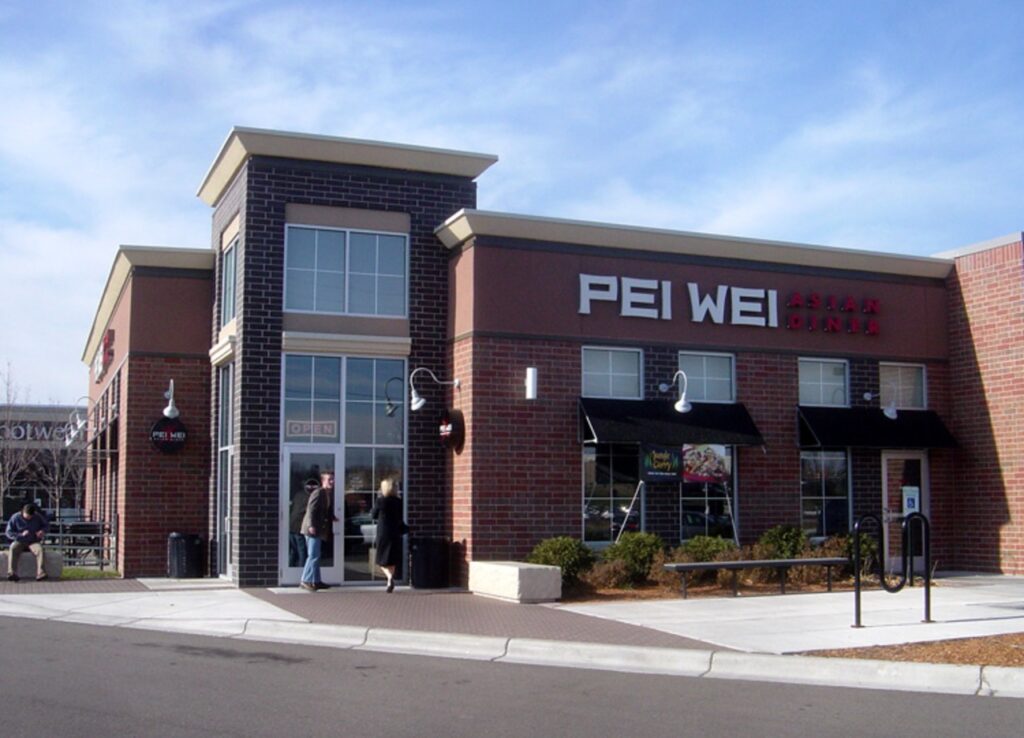
Today, Pei Wei occupies a well-defined space in the fast-casual dining world by focusing on convenience without abandoning flavor. Its format is built for modern routines, offering meals that arrive quickly while still feeling freshly prepared. The menu emphasizes familiar Asian-inspired dishes that are easy to customize, making the brand approachable for a wide range of diners. This balance between speed and freshness helps the restaurant stay relevant in an increasingly crowded market. These updates allow the brand to meet customers where they are, whether that means a quick lunch, an easy dinner pickup, or a meal ordered from a phone without stepping inside the restaurant.
While many diners may not recognize its connection to P.F. Chang’s, that heritage continues to shape Pei Wei’s identity. The brand helped demonstrate that Asian-inspired fast-casual dining could succeed on a national scale, not just as a niche offering. Its evolution from a spin-off concept into an independent chain mirrors broader changes in how people eat today. Consumers now expect quality, flexibility, and familiarity in one place. Pei Wei’s journey shows how restaurants can adapt to those habits without losing their core appeal, redefining how everyday diners experience flavors that once belonged mainly to sit-down dining.
Reference
- The Fast Casual Asian Restaurant That Used To Be Owned By P.F. Chang’s – foodrepublic.com
- 15 Facts You Didn’t Know About P.F. Chang’s – yahoo.com
- P.F. Chang’s has big plans for fast-casual spinoff Pagoda Asian Grill – restaurantbusinessonline.com