9 Takeout Orders That Rarely Survive the Ride Home

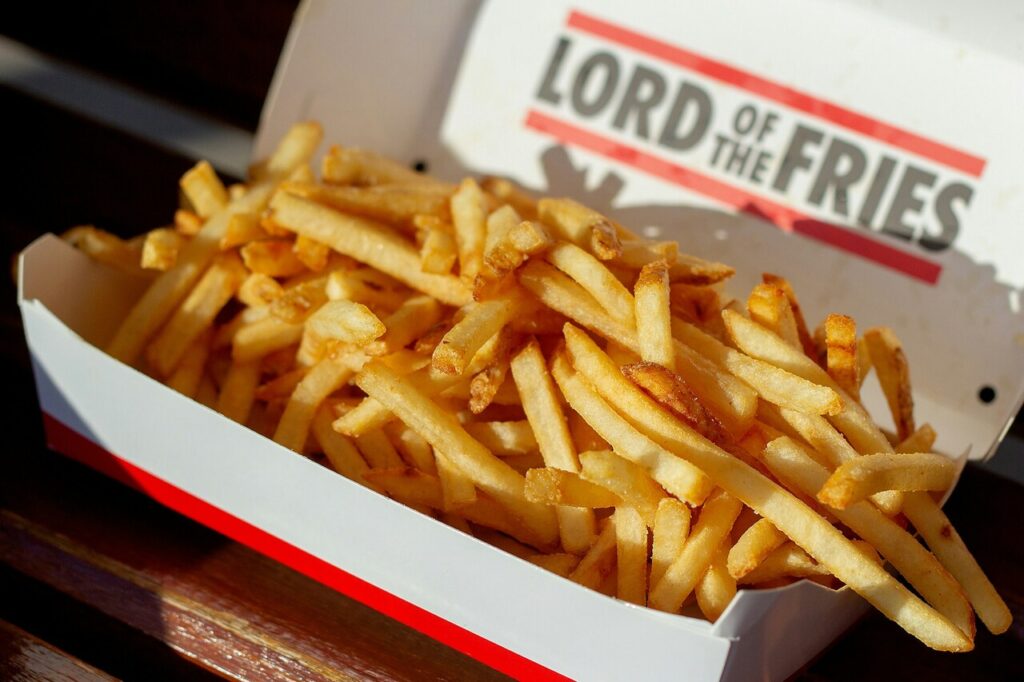
Takeout has become one of the easiest ways to enjoy restaurant food without leaving home. From quick weeknight dinners to weekend cravings, many dishes travel surprisingly well in sealed containers. However, some foods rely heavily on texture, temperature, or precise timing to taste their best. Once they are packed up and carried home, steam, heat, and travel time can begin to change the dish. Crispy items soften, delicate ingredients wilt, and foods that were carefully cooked continue to cook in the container. The result is a meal that may taste very different from what left the restaurant kitchen.
1. French Fries
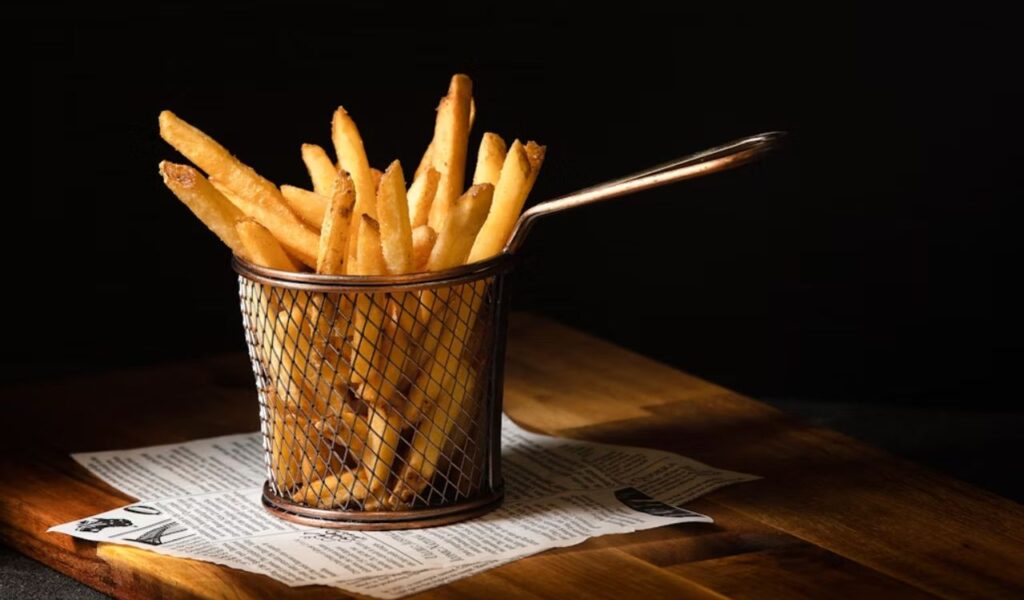
Few takeout items promise immediate satisfaction like a container of hot French fries. When they leave the fryer, the exterior is crisp while the inside stays soft and fluffy. That contrast is what makes freshly fried potatoes one of the most satisfying sides in a restaurant setting.
The challenge begins the moment the fries are packed into a takeout box. Heat trapped inside the container quickly turns into steam, which settles on the surface of the fries.
Even a short drive can be enough to completely change the texture. The flavor of the potatoes may still be there, but the crisp texture that made them appealing rarely survives the ride.
2. Fried Chicken Wings
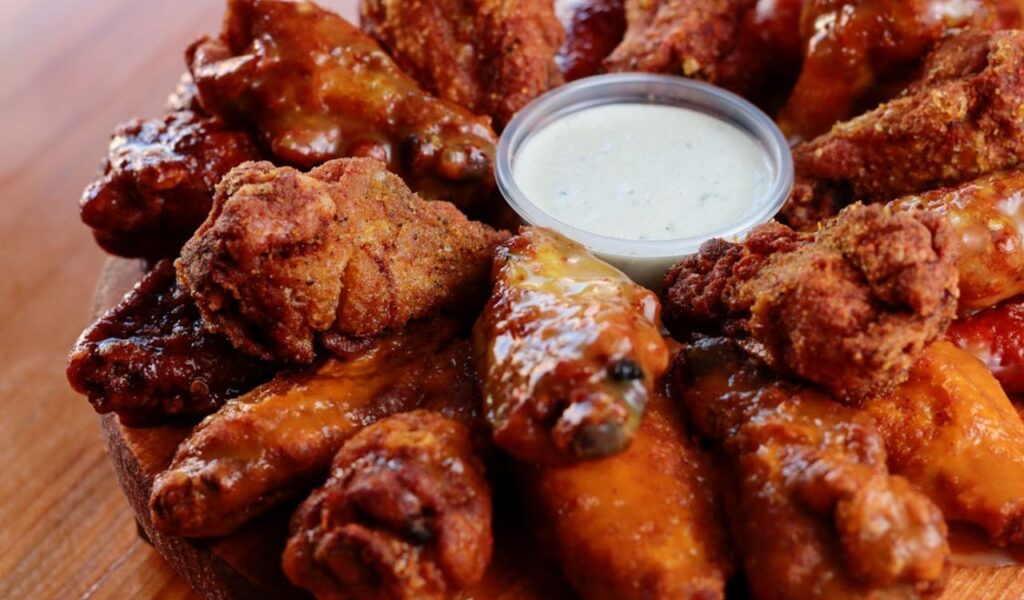
Freshly fried chicken wings are known for their crisp skin and juicy meat. In restaurants, they are usually served immediately after leaving the fryer so the coating stays crunchy and flavorful. That timing plays an important role in the overall experience.
Once the wings are sealed in a takeout container, the heat from the chicken creates moisture inside the box. The longer the wings sit in the container, the more the texture begins to change.
Sauces can make this effect even stronger. The wings may still taste good, but the crisp exterior that defines freshly fried wings rarely lasts through delivery.
3. Nachos
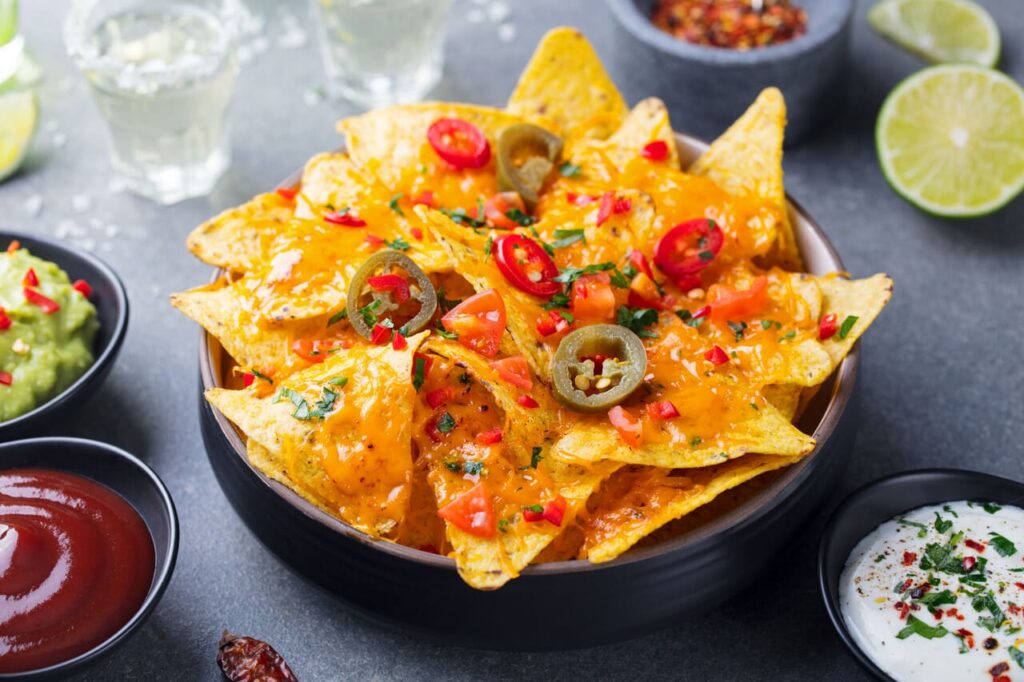
Nachos are designed to be enjoyed immediately after they are assembled. Crispy tortilla chips are layered with cheese, meats, beans, and toppings that create a contrast of textures. That combination works best when the chips remain crisp beneath the toppings.
During takeout, however, the toppings continue to release heat and moisture. Chips at the bottom are usually the first to lose their crunch.
By the time the dish reaches home, the layers often merge. Instead of crisp chips supporting the toppings, the texture can become softer throughout. The flavors may remain familiar, but the contrast that defines good nachos often disappears.
4. Ramen and Brothy Noodle Soups
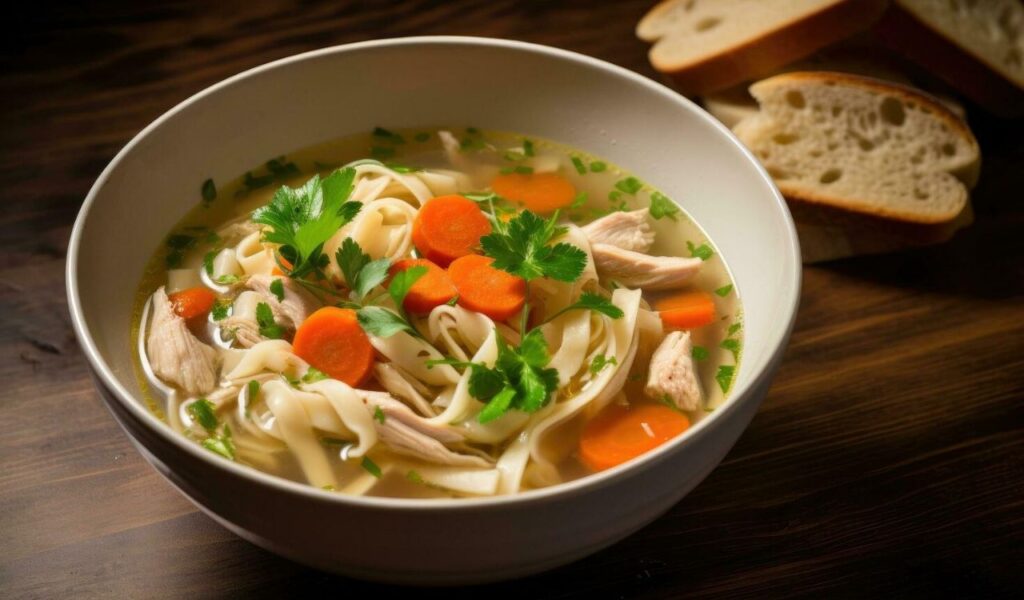
Ramen is carefully balanced when served in a restaurant bowl. The noodles are cooked just enough to remain springy, and the broth stays hot and aromatic around them. This balance allows the dish to maintain both flavor and texture.
Takeout containers change that timing. When noodles sit inside hot broth during delivery, they continue absorbing liquid. This process softens them far beyond the texture the chef intended.
By the time the soup arrives at home, the noodles may feel swollen or overly soft. The broth may still taste rich and flavorful, but the noodle texture that defines good ramen can be noticeably different.
5. Creamy Pasta Dishes
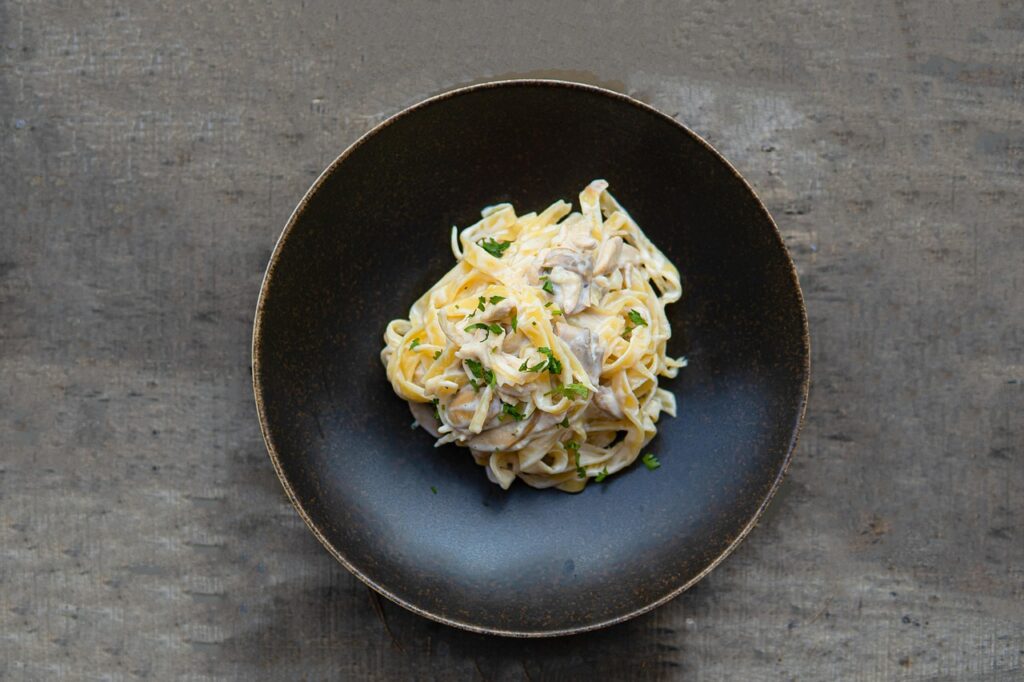
Creamy pasta dishes rely on a delicate sauce that coats each piece of pasta smoothly. When served immediately, sauces such as Alfredo remain glossy and fluid while the pasta maintains a firm bite.
Inside a sealed takeout container, the heat from the dish continues to work on the pasta and sauce. Pasta absorbs liquid while the sauce thickens as it cools. This gradual change alters the original consistency of the dish.
The result is often heavier and less silky than intended. While the flavors remain recognizable, the smooth texture that defines creamy pasta rarely stays the same during transport.
6. Risotto
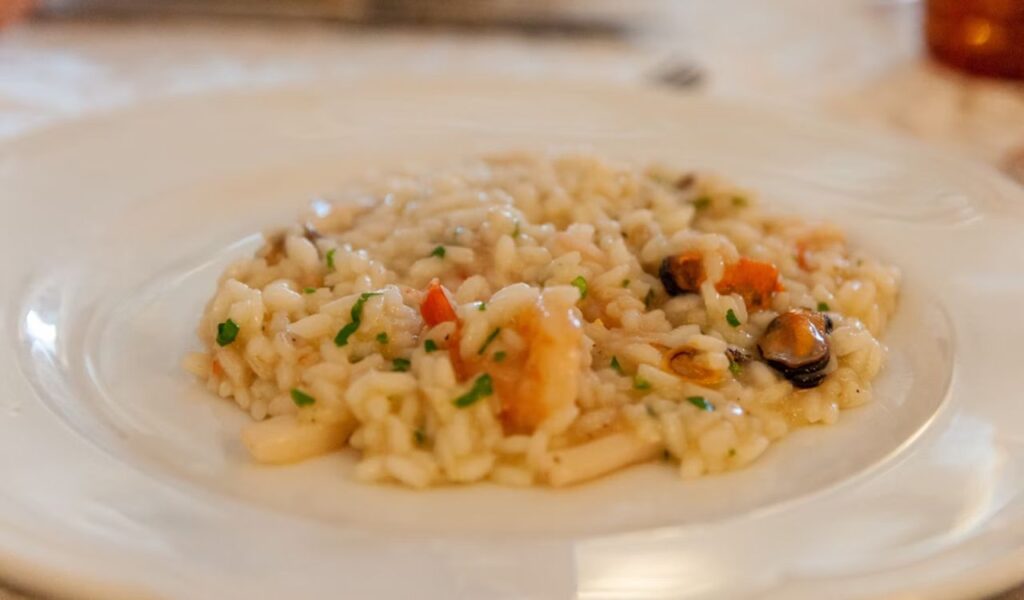
Risotto is famous for its creamy consistency created by slowly stirring rice with broth. This method releases starch from the grains, forming the smooth texture that makes the dish distinctive.
After the risotto leaves the kitchen, the rice continues to absorb heat and moisture inside the container. Even without additional cooking, the grains slowly expand as they sit. This ongoing absorption changes the texture of the dish within minutes.
During the trip home, this process thickens the dish. By the time it is served, the risotto can feel firmer and less fluid than the version that was originally plated.
7. Steak
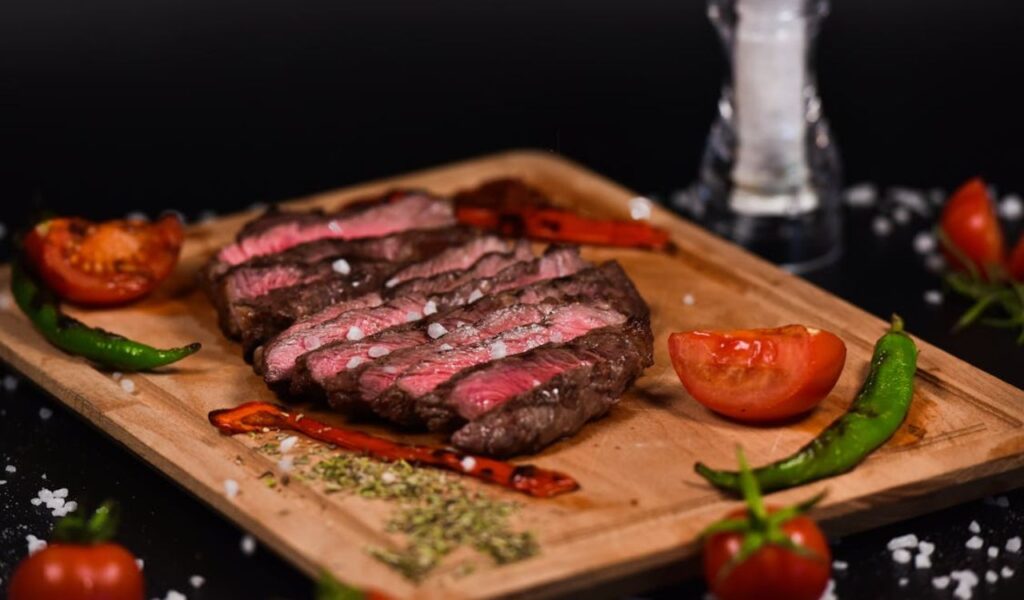
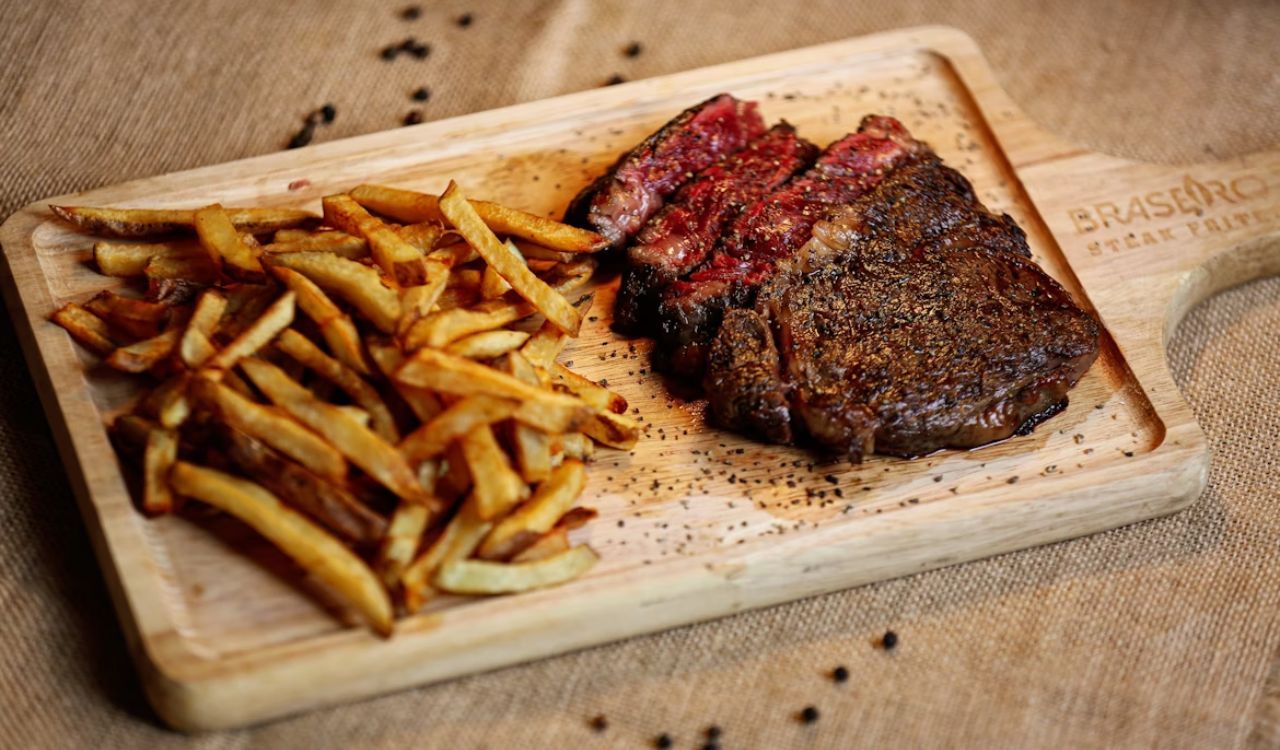
A properly cooked steak depends heavily on timing. Chefs carefully monitor the temperature so the meat reaches the diner at exactly the right level of doneness. Even small temperature changes can affect the final result.
Takeout delays that timing. Once the steak is sealed in a container, it continues to cook slightly from the residual heat trapped inside. This process is known as carryover cooking.
During the trip home, the steak may move past its intended doneness while also gradually cooling down. The flavor remains, but the ideal balance of heat and texture can shift before the meal reaches the table.
8. Takeout Salads
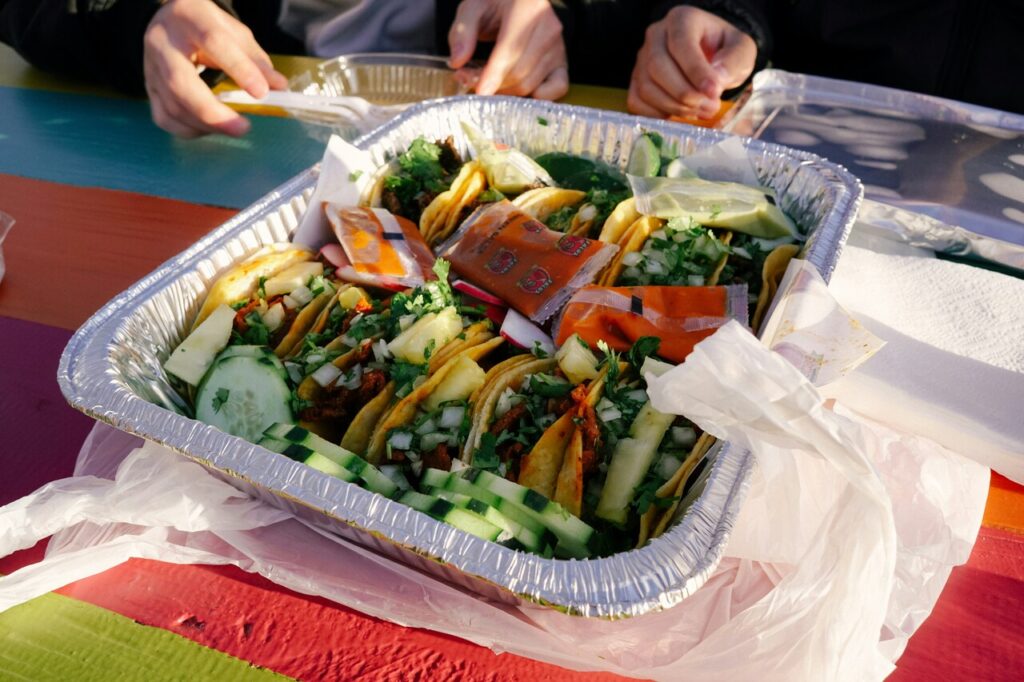
Salads appear to be one of the simplest takeout options. Fresh greens, vegetables, and toppings are packed into containers that look ready to eat. At first glance, they seem like a dish that should travel well.
The problem often comes from the dressing. If the salad is dressed before packing, the liquid begins softening the leaves immediately. Delicate greens such as lettuce or spinach wilt quickly in that environment.
By the time the salad arrives home, the crisp texture may be gone. The vegetables still taste fresh, but the vibrant crunch that defines a good salad can disappear during the ride.
9. Breakfast Eggs
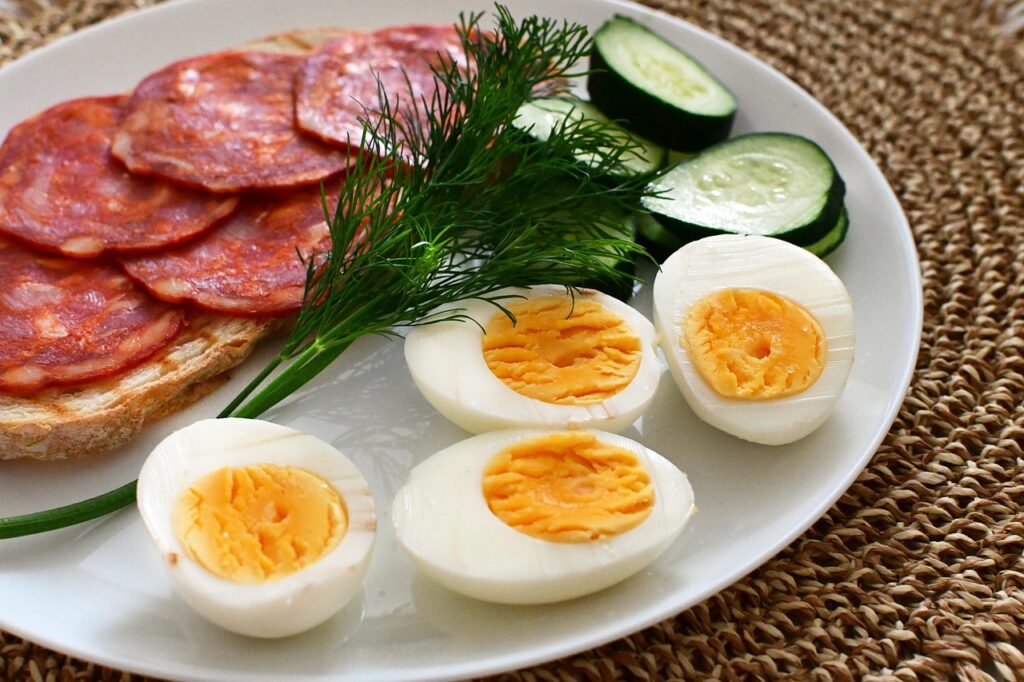
Egg dishes rely on precise cooking to achieve the right texture. Scrambled eggs should remain soft, omelets should stay tender, and poached eggs should hold their delicate shape. These qualities depend on serving the dish quickly.
Takeout containers trap heat around the eggs, allowing them to continue cooking during the trip. This extra time can change the texture noticeably. Steam builds inside the closed container and surrounds the eggs with moist heat.
By the time the meal is unpacked, the eggs may feel firmer or slightly dry. The flavor of the dish remains intact, but the soft texture that defines a well-prepared egg dish rarely survives the delivery journey.