7 Common Mistakes People Make When Cooking Hash Browns

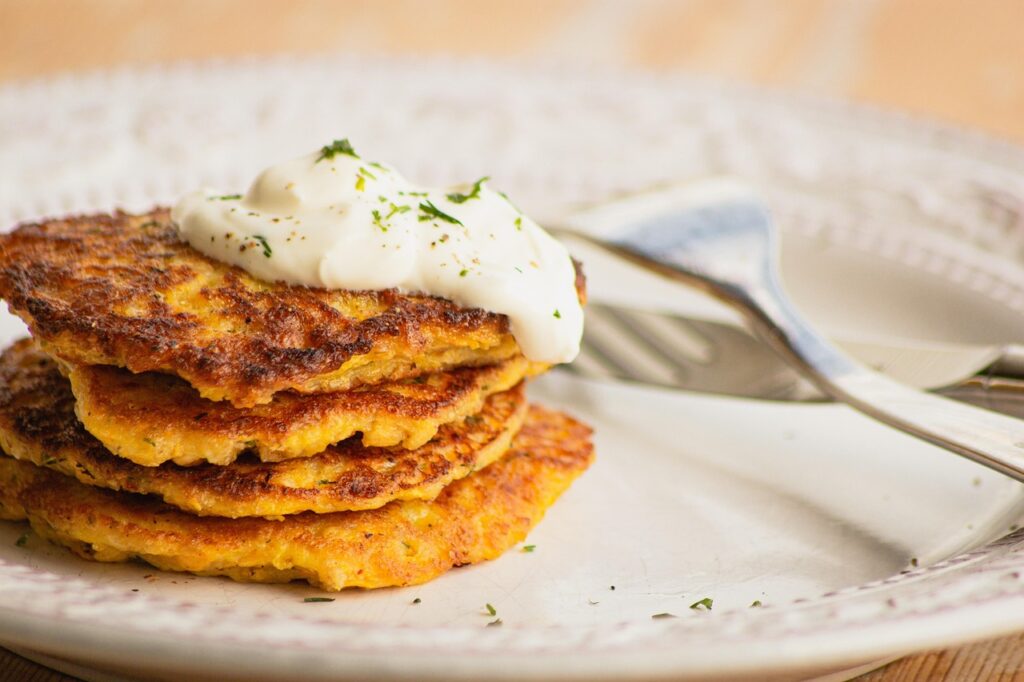
There’s something deeply comforting about a plate of perfectly crisp hash browns, the kind that crackle gently when you cut into them and reveal a soft, tender interior. Yet despite their simplicity, hash browns are one of the most commonly mishandled breakfast staples, often turning out soggy, pale, or unevenly cooked. The secret to getting them right lies not in complicated techniques but in understanding how potatoes behave under heat and how moisture affects texture. From managing starch to controlling temperature, every step influences whether your hash browns steam in the pan or develop the rich golden crust that makes them unforgettable.
1. Using Potatoes With Too Much Moisture
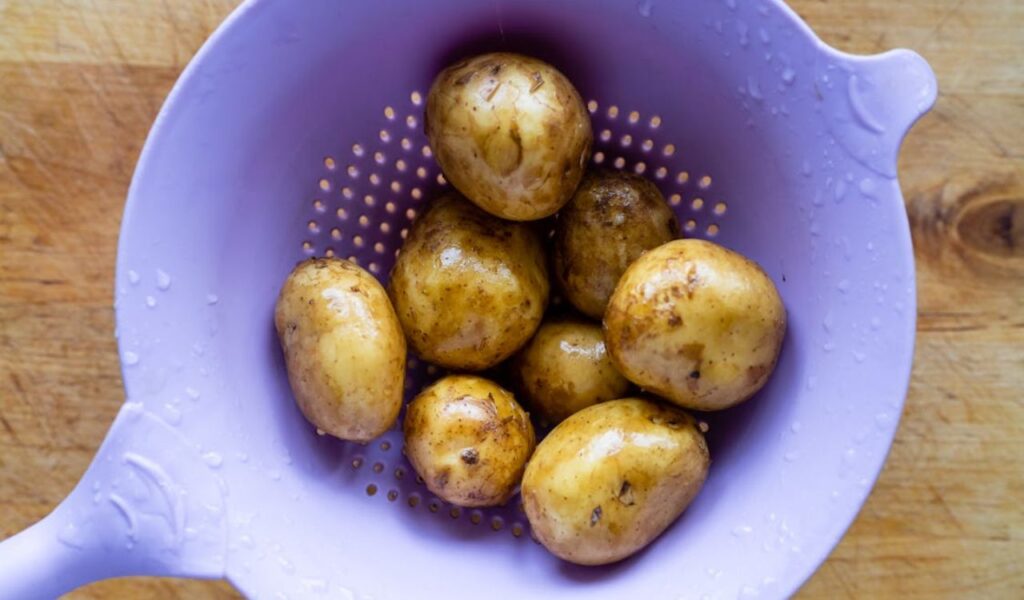
Many cooks don’t realize that the potato they choose sets the whole outcome. Waxy varieties hold more water and stay gummy, while starchy potatoes like Russets yield fluffy interiors and crisp exteriors. Freshly washed potatoes bring extra surface moisture that prevents good browning. The result is a limp, steamed texture instead of that satisfying crunch. For reliably crisp hash browns, grate starchy potatoes, rinse briefly to remove loose starch, and dry thoroughly. If you skip variety and moisture control, you’ll fight a constant battle with soggy results no matter how hot your pan gets. Choosing the right potato and managing its moisture are the simplest steps to avoid disappointment.
2. Skipping the Step of Rinsing or Soaking the Shredded Potatoes
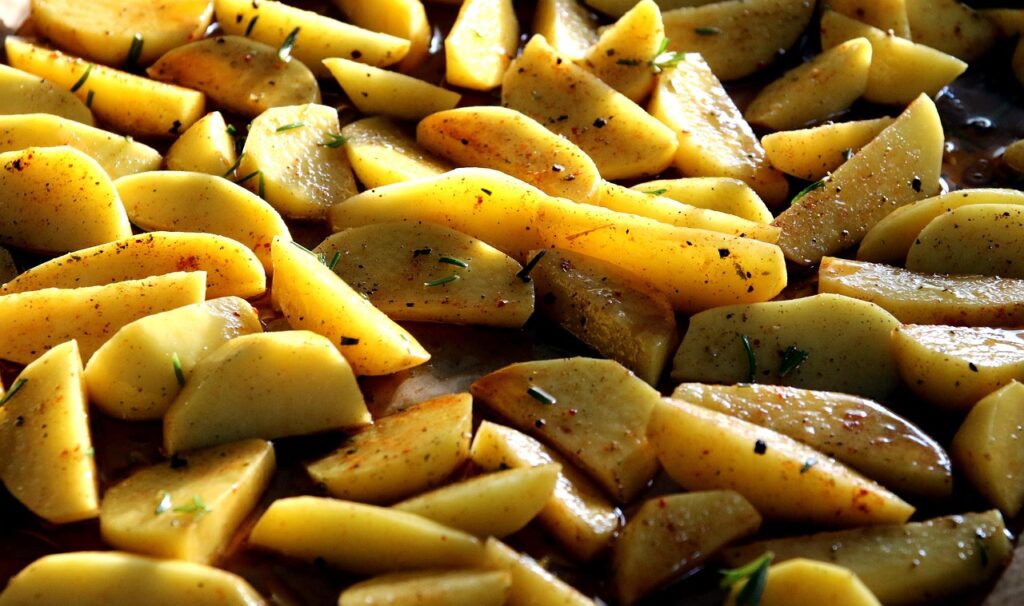
Leaving starch on the surface of shredded potatoes is an easy oversight that undermines crispness. Rinsing or soaking removes excess surface starch that would otherwise form a gluey layer during cooking, which prevents individual shreds from separating and crisping. Soaking for even 10 to 30 minutes in cold water improves texture markedly; longer soaks draw more starch and help the shreds become lighter when fried. After soaking, the drying stage is crucial because any retained water will steam the potatoes in the pan. This two-step approach – rinse or soak, then dry – is a short time investment that repays itself with a markedly better crust and a more satisfying mouthfeel.
3. Not Squeezing Out Enough Water Before Cooking
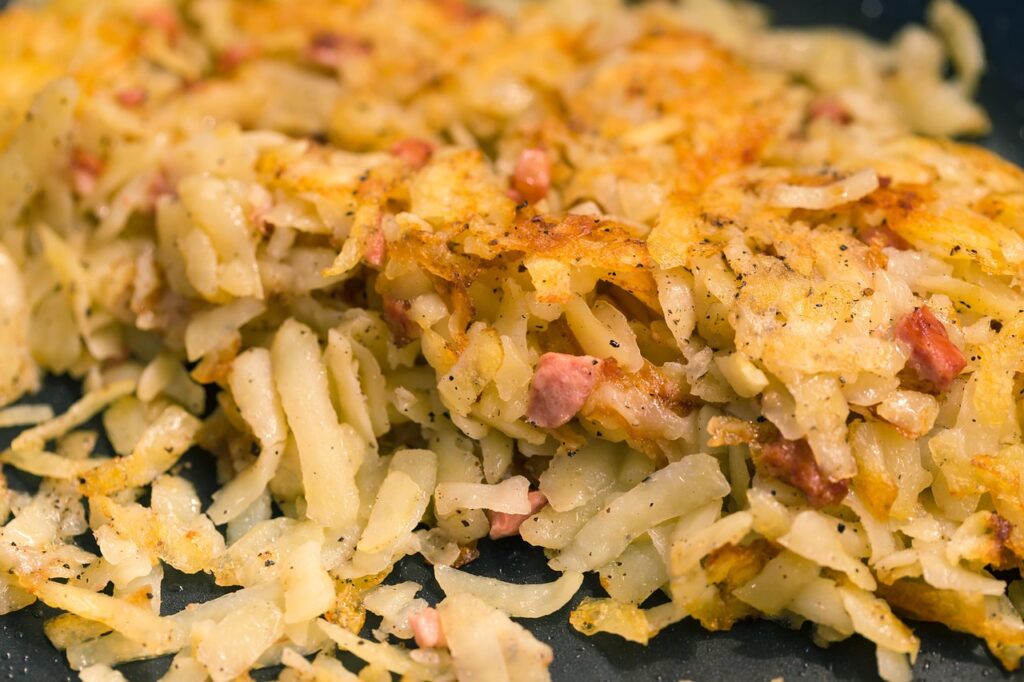
Drying grated potatoes is not optional; it’s essential. Even after rinsing or soaking, shredded potatoes retain a surprising amount of water inside and on their surfaces. If you simply drop damp shreds into the skillet, the moisture creates steam and prevents the Maillard reaction that produces that coveted brown crust. Use a clean kitchen towel, cheesecloth, or a tightly packed paper towel to squeeze out as much liquid as possible. For large batches, press in a colander or wring handfuls until only a hint of dampness remains. Properly dried potatoes fry faster, absorb less oil, and crisp evenly; it’s the key tactile step that separates amateur results from reliably crunchy hash browns.
4. Overcrowding the Pan
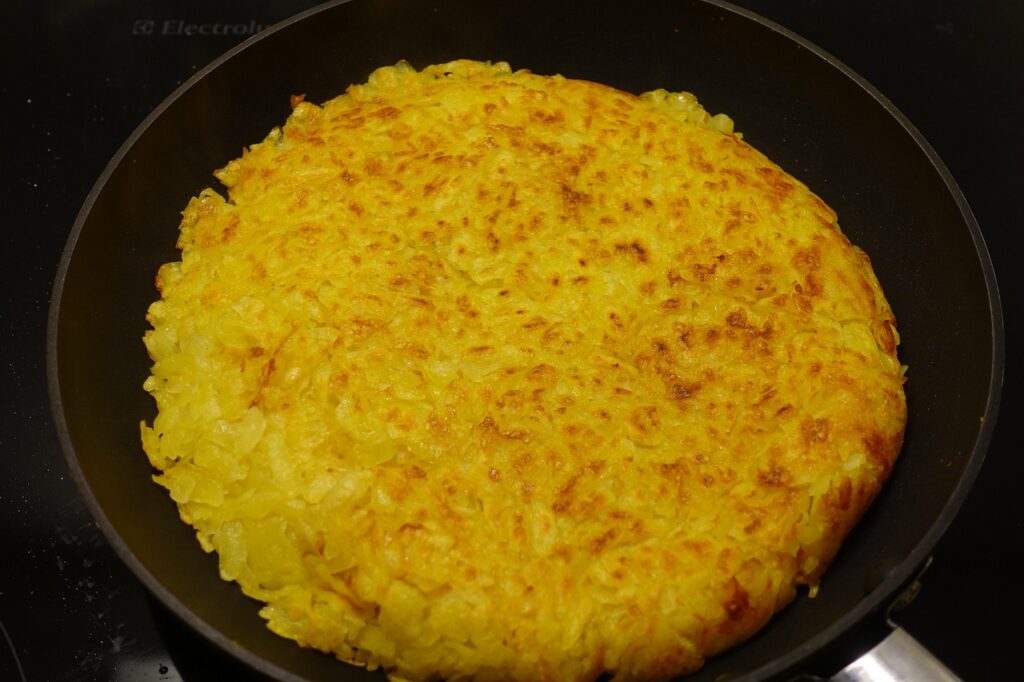
Crowding the pan is a common, tempting mistake when you want to make a lot in one go. But when too many shreds touch the skillet, they release moisture and steam each other instead of frying. The oil and heat can’t circulate properly, so the potatoes limp and cook unevenly. Use a wide skillet and work in batches so each piece has room to brown. If you must cook more than the pan comfortably holds, keep finished batches warm in a low oven while you finish the rest – this preserves crispness without overcooking. Managing quantity against pan size ensures even heat distribution and consistent crust development on every piece.
5. Using the Wrong Oil or Too Little of It
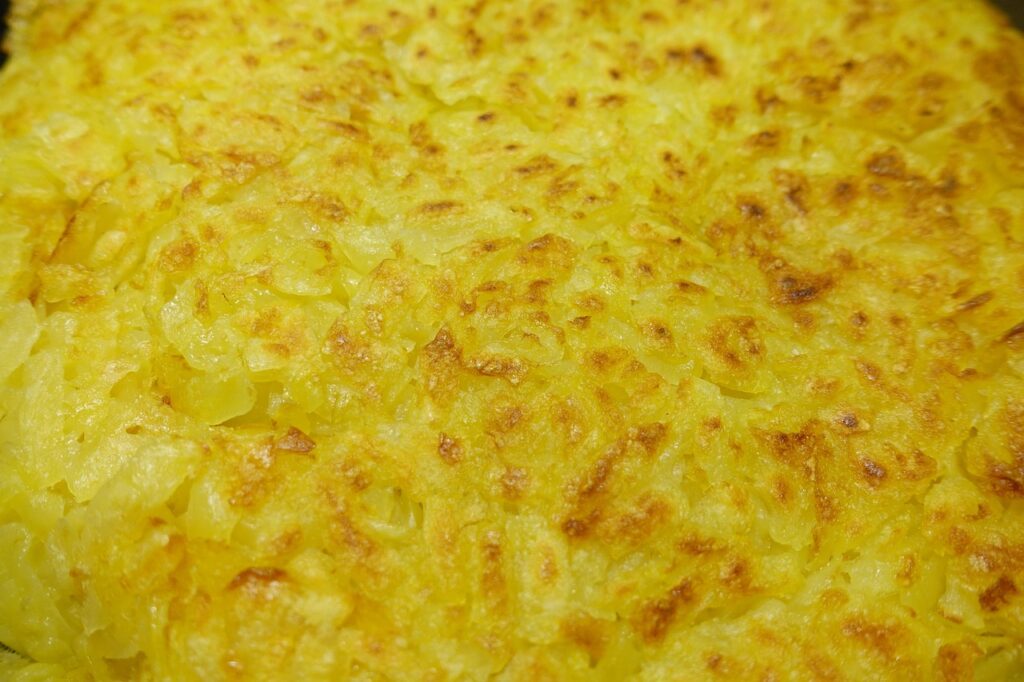
Oil choice and quantity matter more than many home cooks realize. Oils with a medium to high smoke point, such as sunflower, canola, or light olive oil, handle the sustained heat necessary to brown potatoes without breaking down and imparting off-flavors. Butter adds flavor but burns quickly by itself; a combination of oil and a small knob of butter gives both heat tolerance and taste. Using too little fat creates dry spots and prevents uniform browning because the potato needs enough contact with hot fat to sear. Aim for a shallow, even layer that covers the pan surface and replenishes any spots where the potatoes stick; that thin film of hot oil creates the golden, crunchy exterior.
6. Turning or Stirring the Hash Browns Too Often
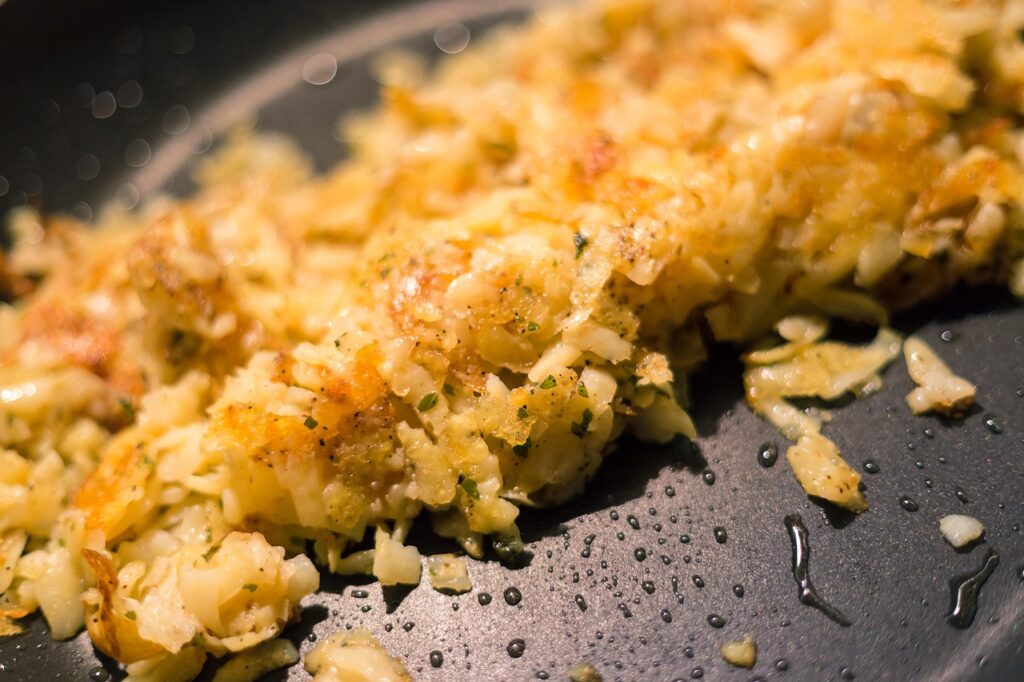
Patience is one of the least glamorous yet most important skills in making great hash browns. Constant poking, flipping, or stirring disrupts crust formation; the potatoes need steady contact with the hot surface to develop a deep golden color. Allow the first side to cook undisturbed until the edges lift and the underside is well-browned, then use a wide spatula to flip in sections or invert the whole mass if practical. After flipping, resist the urge to prod again until the second side has set. Minimal handling also minimizes breakage and helps the shreds knit into attractive, crisp layers. Good timing and restraint turn scattered shreds into a unified, crunchy result.
7. Cooking on the Wrong Temperature (Too Hot or Too Low)
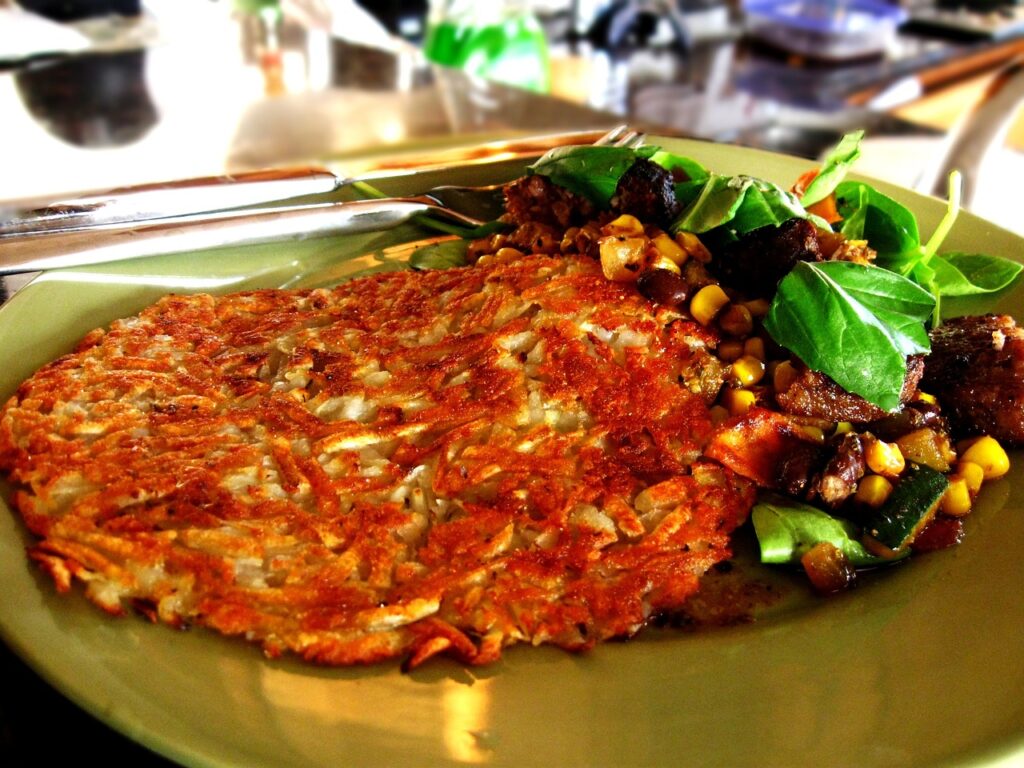
Heat control is a balancing act: too low and the potatoes stew and absorb oil; too hot and the exterior burns before the interior cooks. Moderate to medium-high heat is usually best, hot enough to trigger browning and evaporate moisture but not so intense that the surface chars while the center remains raw. Start on medium-high to get a sear, then lower slightly if the exterior browns too quickly. Use a pan that holds heat well and preheat it thoroughly before adding oil and potatoes. An experienced cook pays attention to the pan’s behavior and adjusts the heat rather than leaving it static. With practice, you learn to read cues like sizzling intensity and aroma to guide temperature control.