10 Foods That Hit Women’s Bodies Completely Differently

Food affects everyone, but women’s bodies often respond through a unique mix of hormones, metabolism, bone health, and nutrient demands. That means some everyday staples can have an outsized impact, for better or worse. This gallery breaks down 10 foods that matter in especially important ways for women, with context that feels practical rather than preachy.
Leafy Greens

Spinach, kale, and Swiss chard do more than make a salad look virtuous. For many women, these greens help cover nutrients that become especially important over time, including folate, magnesium, calcium, and vitamin K. That matters for everything from energy and muscle function to bone support.
They also pull extra weight during life stages shaped by hormones, from menstruation to pregnancy to menopause. If iron is a concern, greens can help, though pairing them with vitamin C-rich foods may improve absorption. In practical terms, a big handful in smoothies, soups, or eggs can quietly do a lot of good.
Fatty Fish

Salmon, sardines, trout, and mackerel bring omega-3 fats that can be especially helpful for women’s heart and brain health. Since cardiovascular disease often presents differently in women, foods that support a healthy lipid profile and reduce inflammation deserve real attention.
Fatty fish may also play a role in mood and menstrual comfort for some women, thanks to those same anti-inflammatory fats. There is another bonus: vitamin D, which many women don’t get enough of, especially if they spend most of the day indoors. A few servings a week can be one of the simplest upgrades on the plate.
Beans and Lentils

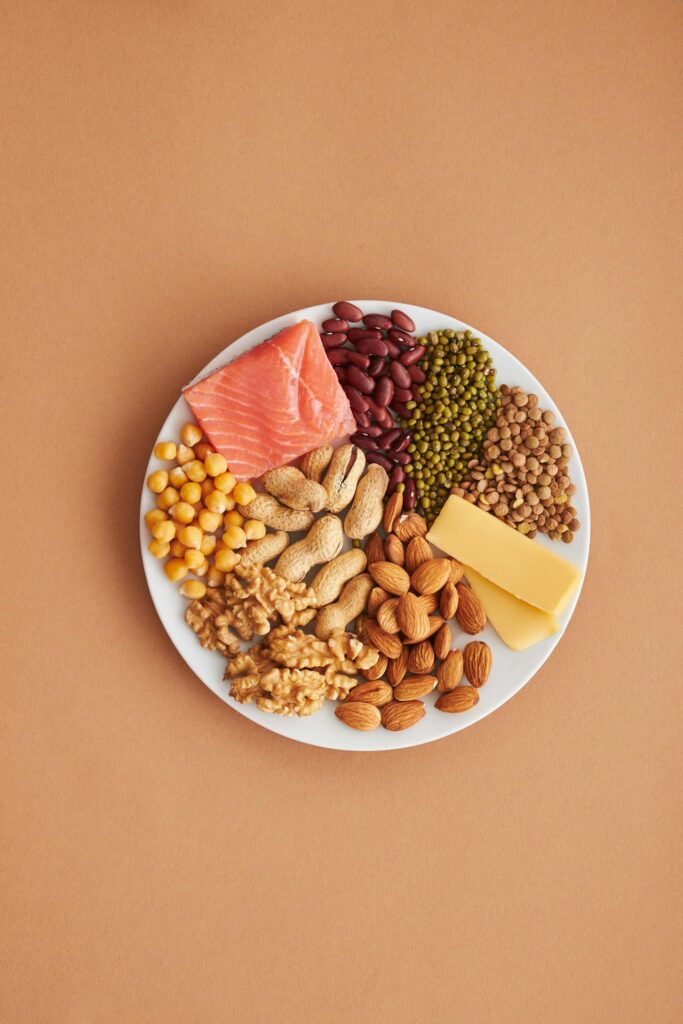
Beans and lentils are budget-friendly, satisfying, and surprisingly strategic for women’s health. They offer plant protein, fiber, iron, and folate, a combination that can help support energy levels, digestion, and blood sugar control. For women juggling busy schedules, that steadier fuel can make a noticeable difference.
They are also a smart choice when iron intake needs attention, particularly for women who menstruate heavily or eat less red meat. The fiber piece matters too, because digestive changes can show up around hormonal shifts and midlife. Added to soups, grain bowls, or tacos, legumes work hard without demanding much.
Yogurt

Yogurt can be a powerhouse food for women, especially when it contains live cultures and a solid dose of protein. Calcium, protein, and often vitamin D make it a practical ally for bone health, which becomes a bigger focus as estrogen levels change with age.
Its probiotic side may also be worth noting. Gut health influences everything from digestion to immune function, and some women notice that stress, cycles, or antibiotics can throw things off more dramatically. Choosing a lower-sugar option helps keep yogurt from drifting into dessert territory. Topped with berries or nuts, it becomes a genuinely useful daily habit.
Soy Foods

Soy gets a lot of chatter, but foods like tofu, edamame, and tempeh can be especially interesting for women because they contain isoflavones, plant compounds that interact gently with estrogen receptors. That does not make soy a hormone bomb, but it does explain why it gets so much attention.
For some women, soy foods may be a helpful addition during menopause, when hot flashes and changing cholesterol levels can become part of the picture. They also bring protein, fiber, and minerals in a form that fits many eating styles. The least processed options tend to be the most straightforward choice.
Red Meat

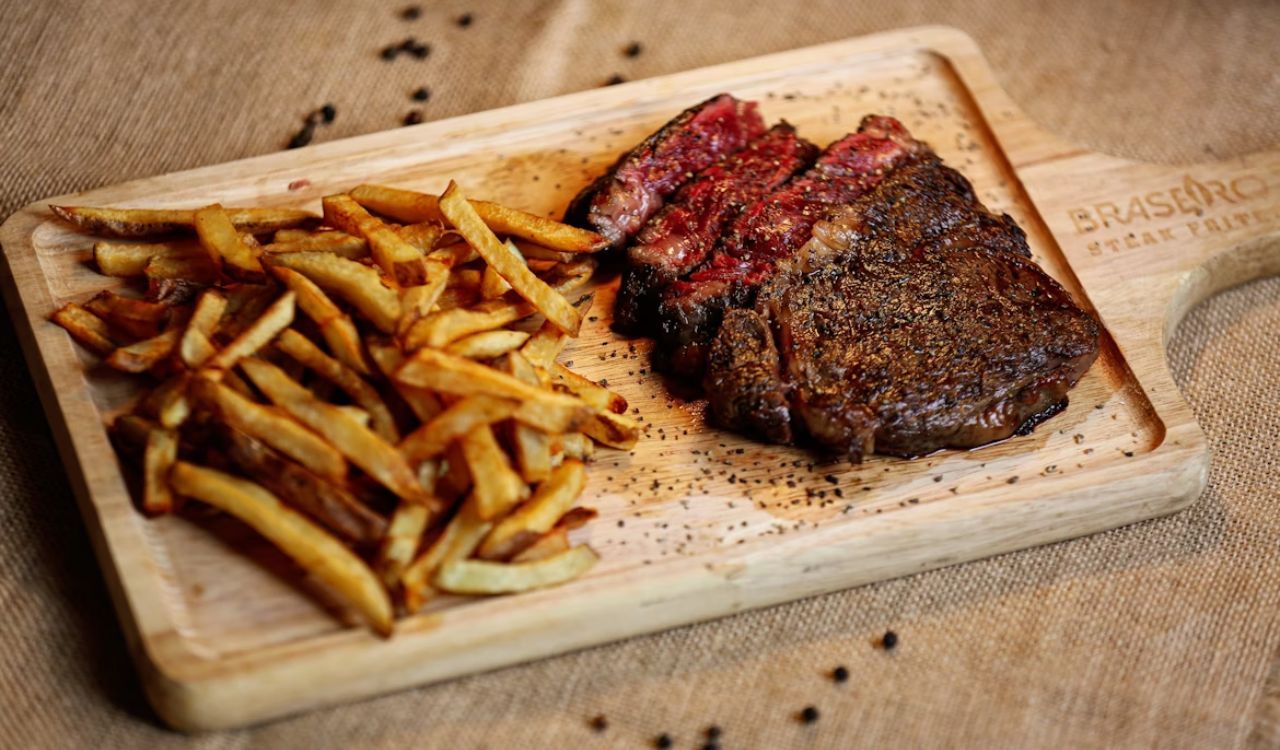
Red meat can be one of the most efficient ways for women to get iron, especially heme iron, which the body absorbs more easily than the kind found in plants. For women dealing with heavy periods, fatigue, or low iron stores, that can be a meaningful advantage.
At the same time, context matters. Regularly leaning on heavily processed meats or oversized portions may raise concerns for heart health and long-term disease risk. Women often benefit from thinking about red meat as a tool rather than a default. A moderate serving, paired with vegetables and whole grains, tends to land better than making it the whole meal.
Berries

Berries may look delicate, but nutritionally they punch above their weight. Blueberries, raspberries, strawberries, and blackberries deliver fiber and antioxidants that can support heart health, skin health, and healthy aging, all topics that tend to matter more and more over time.
They are also one of the easiest sweet foods to work into a balanced routine without sending blood sugar on a roller coaster. That makes them a smart choice for women who are paying closer attention to insulin sensitivity, especially around midlife. Tossed into yogurt, oatmeal, or eaten by the handful, berries make healthy eating feel less like homework.
Flaxseeds

Flaxseeds are tiny, but they bring a mix of fiber, omega-3 fats, and lignans that makes them especially relevant for women. Lignans are plant compounds with mild estrogen-like activity, which is one reason flax often enters conversations about hormone balance and women’s wellness.
They may also support heart health and regular digestion, two benefits that travel well across every decade of life. Ground flax is usually the best bet, since whole seeds can pass through the body largely intact. Stirred into smoothies, oatmeal, or yogurt, it is a small addition that can quietly improve the nutritional quality of a meal.
Cruciferous Vegetables

Broccoli, cauliflower, Brussels sprouts, and cabbage bring serious nutritional range, including fiber, vitamin C, folate, and compounds linked to cellular health. For women, these vegetables often stand out because they are associated with the body’s handling of estrogen and general detoxification pathways.
That does not mean one serving magically fixes hormone issues, but it does make these vegetables worth keeping in regular rotation. They are also useful for fullness and digestive support without piling on calories. Roasted until crisp, shaved into salads, or folded into pasta, cruciferous vegetables can be a lot more appealing than their reputation suggests.
Alcohol

Alcohol often affects women more quickly and more intensely than men, even at similar body sizes. Women generally have less body water and lower levels of certain enzymes involved in alcohol metabolism, which can lead to higher blood alcohol concentrations and a stronger short-term impact.
There are longer-term considerations too. Regular drinking has been linked with increased breast cancer risk, and it can also disrupt sleep, mood, and hormone balance in ways many women feel fast. That does not make every drink off-limits, but it does make awareness important. For women, moderation is not just polite advice; it is often a very practical health strategy.