Yogurt or Oatmeal Which Breakfast Choice Works Better


Yogurt and oatmeal both show up on breakfast tables with a healthy reputation, but they work very differently once you actually eat them. One is cold, creamy, and protein-forward. The other is warm, filling, and built around slow-digesting carbs. What this really means is that your best choice depends less on trends and more on how your body responds in the hours that follow. Energy levels, digestion, hunger, and even timing all matter here. When you look past labels and buzzwords, yogurt and oatmeal solve different morning problems. Understanding those differences makes it much easier to pick the one that actually works for you, not just the one that sounds healthier on paper.
Protein Content Shapes How Long Breakfast Holds You Over
Protein often determines whether breakfast fuels your morning or leaves you distracted by hunger well before lunchtime. It slows digestion, supports muscle maintenance, and helps regulate hormones that control appetite. When protein intake is adequate early in the day, people tend to experience steadier energy and fewer cravings. Greek yogurt stands out because of its concentrated protein content. The straining process removes excess whey, leaving behind a thicker product that delivers significantly more protein per serving than regular yogurt. This higher protein load helps activate satiety hormones, which signal fullness to the brain.
Oatmeal contains some protein, but it is not the main contributor to its filling nature. On its own, the protein content is modest and incomplete, which means it lacks certain amino acids unless paired with complementary foods. Adding milk, nuts, nut butter, or seeds significantly improves oatmeal’s protein profile. These additions help slow digestion and extend satiety, making oatmeal a more complete meal rather than just a carbohydrate source. They also add fats and micronutrients that support steadier energy levels. This combination helps prevent the quick hunger that can follow a plain bowl of oats.
Fiber Plays a Major Role in Digestion and Fullness

Fiber shapes how quickly food moves through the digestive system and how long energy lasts after eating. It also supports gut bacteria, helps regulate cholesterol, and contributes to steady blood sugar levels. Breakfasts rich in fiber tend to feel more satisfying over time. Oatmeal excels because of its high soluble fiber content, particularly beta-glucan. This fiber absorbs water and slows digestion and promotes longer-lasting fullness. This effect makes oatmeal especially appealing for people managing energy dips. Consistent fiber intake from oats supports digestive regularity and contributes to a feeling of sustained comfort rather than heaviness.
Yogurt naturally contains very little fiber, which means it relies on other nutrients to keep hunger at bay. Without fiber, digestion may occur more quickly, especially with low-fat or sweetened varieties. Adding fruits, oats, or seeds helps balance this gap and improves digestive benefits. When yogurt is thoughtfully combined with fiber-rich ingredients, it becomes far more effective as a long-lasting breakfast. These additions also slow the release of sugars into the bloodstream, helping stabilize energy levels. This makes yogurt a more dependable option for staying full through the morning rather than a short-term fix.
Gut Health Gives Yogurt a Unique Edge

A balanced gut supports immunity, nutrient absorption, and even appetite regulation. Breakfast choices that influence gut health can have ripple effects throughout the day.Yogurt contains live cultures that introduce beneficial bacteria into the digestive system. These probiotics help maintain microbial balance, which can improve digestion and reduce discomfort such as bloating. A healthier gut environment also supports more efficient nutrient absorption. Over time, consistent probiotic intake may help strengthen the digestive lining and support immune response, making yogurt a practical option for digestive wellness.
Oatmeal supports gut health differently by providing prebiotic fiber. Prebiotics act as food for beneficial bacteria already present in the gut, helping them multiply and function effectively. This indirect support strengthens microbial diversity and stability. While oatmeal does not introduce bacteria, it creates an environment where healthy microbes can thrive, which is an important part of long-term digestive health. Regular intake of prebiotic fibers has been linked to improved digestion and nutrient absorption. Over time, this supportive role can contribute to better overall gut balance and comfort.
Blood Sugar Control and Energy Release Matter More Than You Think
Blood sugar stability influences mood, focus, and stamina throughout the morning. Breakfasts that digest slowly help prevent energy crashes and sudden hunger that often lead to overeating later. Oatmeal’s complex carbohydrates and fiber slow glucose absorption, resulting in a gradual rise in blood sugar rather than a sharp spike. This creates a steady supply of energy that supports concentration and physical activity. Steel-cut and less processed oats are especially effective because they retain more fiber and structure. This makes oatmeal a reliable choice for long mornings or demanding schedules.
Yogurt’s effect on blood sugar depends heavily on formulation. Plain Greek yogurt digests slowly due to its protein and fat content, which helps moderate glucose response. However, flavored yogurts with added sugars can cause quicker spikes. Choosing unsweetened varieties and adding natural sweetness from fruit helps maintain blood sugar balance without sacrificing flavor. Over time, these choices support steadier energy levels and reduced midmorning crashes. Pairing yogurt with fiber-rich toppings further slows digestion and improves satiety. This combination makes yogurt a more reliable option for sustained focus and fullness.
Heart Health Benefits Lean Toward Oatmeal
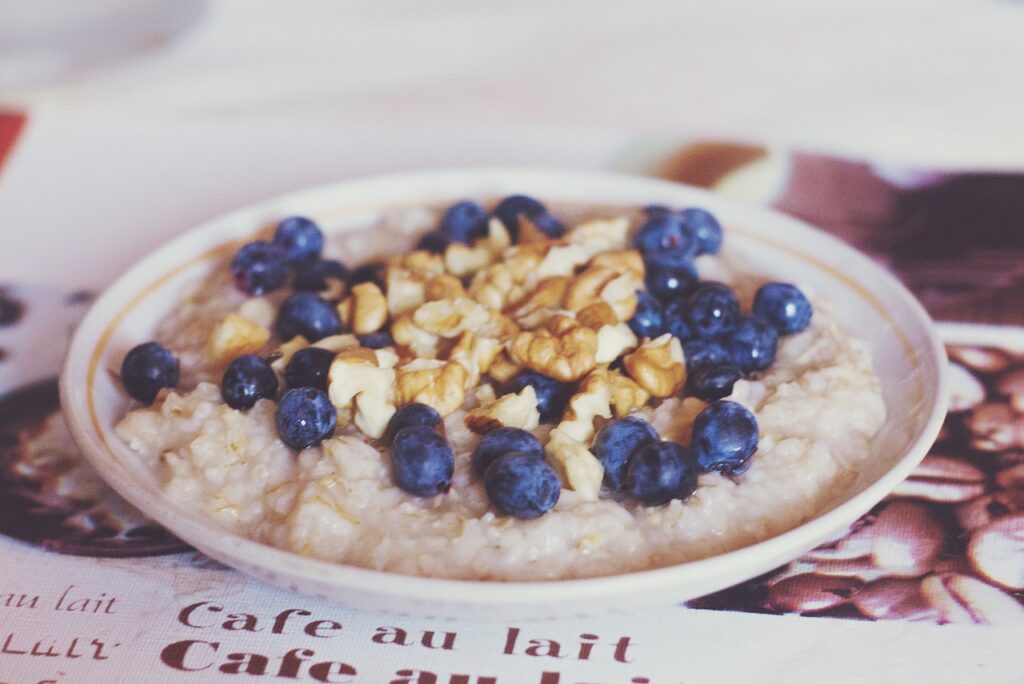
The soluble fiber in oats helps lower LDL cholesterol by binding to it in the digestive tract and preventing its absorption. Regular intake of beta-glucan has been associated with improved cholesterol profiles over time. This mechanism makes oatmeal a heart-supportive staple when consumed consistently as part of a balanced diet. Yogurt contributes potassium, calcium, and, in some cases, beneficial fats, all of which support heart and blood pressure health. Fermented dairy helps in improving metabolic markers when eaten regularly. While yogurt does not actively lower cholesterol like oats, it complements heart-healthy eating patterns.
Satiety Depends on More Than One Nutrient
Feeling full is influenced by how protein, fiber, fat, and volume work together. A breakfast that balances these elements is more likely to keep hunger controlled and energy steady. Yogurt promotes satiety mainly through protein, which slows digestion and reduces appetite signals. This makes it effective for people who struggle with midmorning hunger. Adding fiber-rich toppings strengthens this effect and creates a more rounded meal. Oatmeal creates fullness through fiber and water absorption, which physically fills the stomach. For people who prefer a warm, hearty breakfast, oatmeal often feels more comforting and sustaining.
Nutrient Density and Versatility Make Both Strong Choices

A good breakfast adapts to personal needs, tastes, and daily routines. Both yogurt and oatmeal offer flexible foundations that can be adjusted easily.Yogurt delivers calcium, protein, and essential vitamins in a compact form. It works well for quick meals and supports a wide range of toppings. Its adaptability makes it suitable for high-protein, low-sugar, or calorie-conscious goals.Oatmeal provides complex carbohydrates, fiber, minerals, and antioxidants. It can be prepared sweet or savory and adjusted for texture and richness. This flexibility allows oatmeal to fit many dietary preferences and cultural food styles.
References
- Health Benefits of Oats- Whole Grains Council
- Fresh Look at Oatmeal- American Heart Association