McDonald’s Ends Its Self-serve Soda and What Travelers Should Know

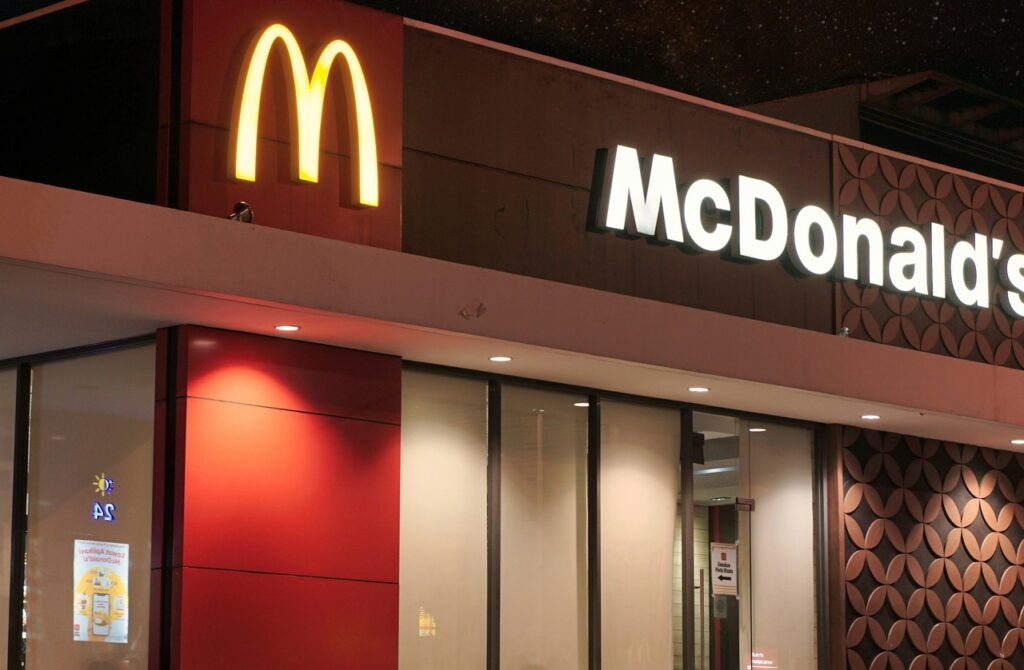
The era of filling your own cup at McDonald’s soda fountains is changing. The company announced a plan to phase out self-serve soda stations across U.S. locations, a move shaped by changing customer behavior and restaurant design choices. This shift aims to standardize how beverages are served, whether customers order in the dining room, at the drive-thru, or through mobile apps. The transition is gradual and will roll out over several years, giving travelers and regulars time to adapt. For decades, free refills and the familiar ritual of customizing soft drinks were a defining part of the McDonald’s experience.
Why McDonald’s Is Making the Change
McDonald’s leadership highlights the need for a consistent guest experience across all ordering channels. As digital and drive-thru orders continue to dominate sales, uniformity in how beverages are dispensed helps streamline operations. Franchisees have also raised concerns about sanitation, machine upkeep, and inappropriate customer use of soda fountains. Crew-served beverages allow restaurants to maintain cleaner systems and reduce maintenance demands. The transition replaces public soda taps with automated dispensers located behind the counter.
What Travelers Should Expect as the Change Rolls Out
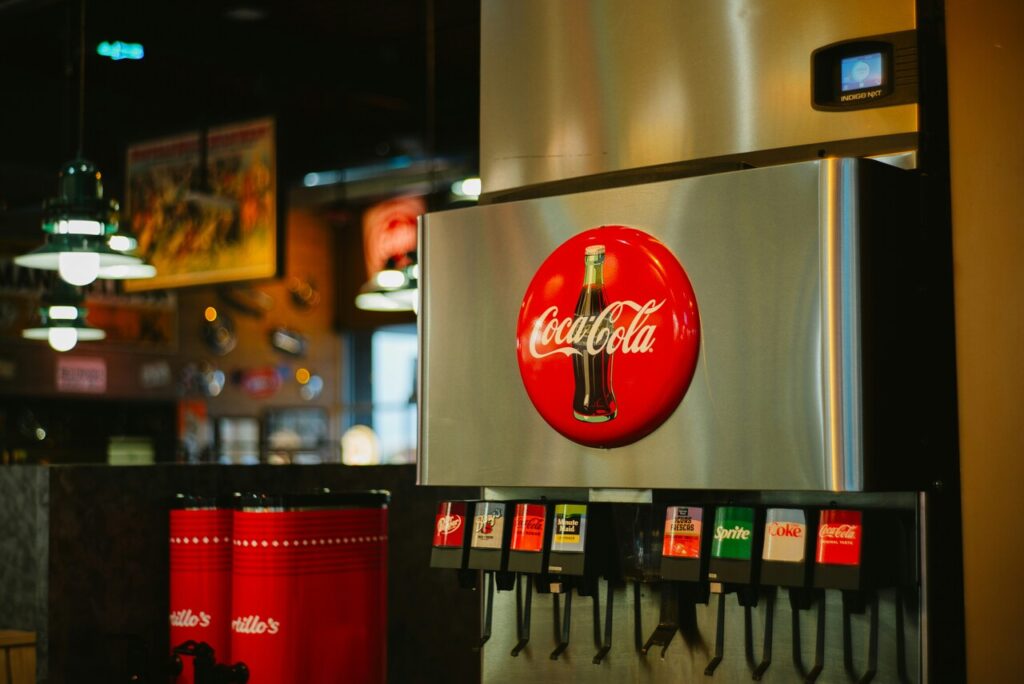
Travelers depend on fast, predictable service during road trips, airport layovers, and long drives. The move away from self-serve soda fountains introduces changes that may affect convenience, especially in busy locations already focused on drive-thru traffic. Self-serve stations once allowed visitors to refill drinks on their own time without entering a line. With beverages now poured by staff, travelers may need to wait for a refill, particularly during peak hours. Some renovated restaurants report smooth transitions with minimal slowdown, but others may face brief delays during busy service periods.
Changes to Refills and Drink Policies
While McDonald’s notes that refills will remain part of the dining experience, policies will vary according to each franchise. Some locations may offer unlimited refills, while others may limit or require a new cup. Travelers accustomed to quick refill stops may need to adjust expectations depending on where they dine. For travelers using drive-thru or mobile pickup, the change is less noticeable. Those beverages were already dispensed by crew members before the shift away from self-serve stations. The main difference will be for travelers who dine in and typically rely on self-serve refills. They may need to request assistance at the counter for additional drinks.
Broader Shifts in McDonald’s Service Model
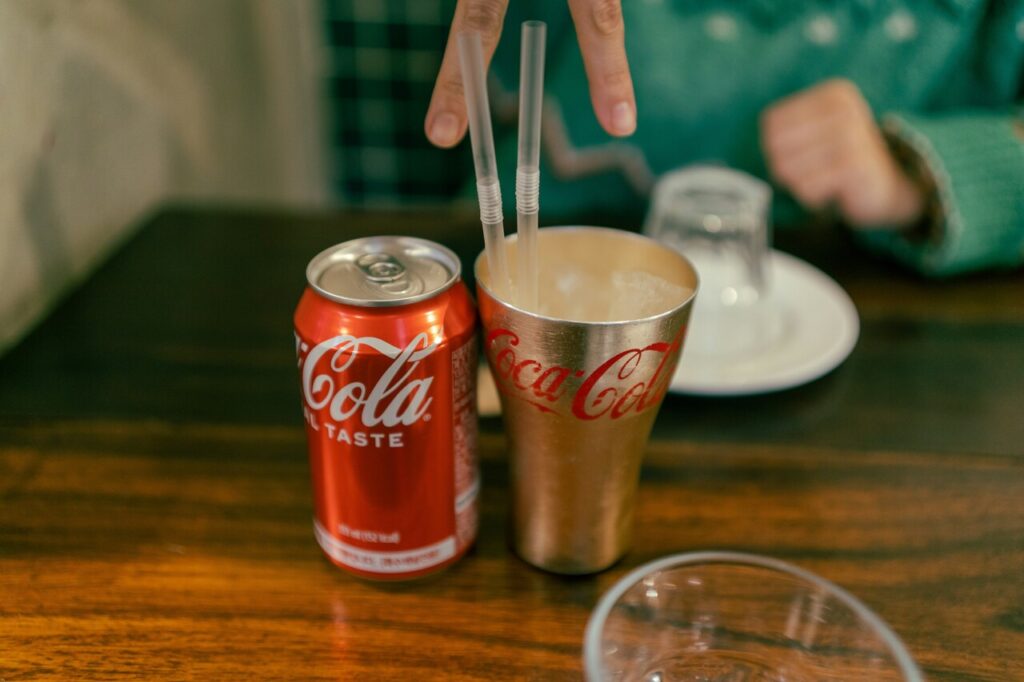
The soda decision reflects broader changes occurring inside McDonald’s restaurants. Customer behavior, staffing demands, and design trends are shaping a new environment focused on efficiency and centralized service. Customer dining habits have changed significantly in recent years. Mobile ordering, delivery, and drive-thru traffic have surged, reducing the emphasis on in-store amenities like soda fountains. McDonald’s is redesigning spaces to accommodate this shift, prioritizing digital service and optimized workflows that support faster off-premise orders. Self-serve machines were known to require constant cleaning, and some customers expressed hygiene concerns.
Reactions from Customers and Soda Fans
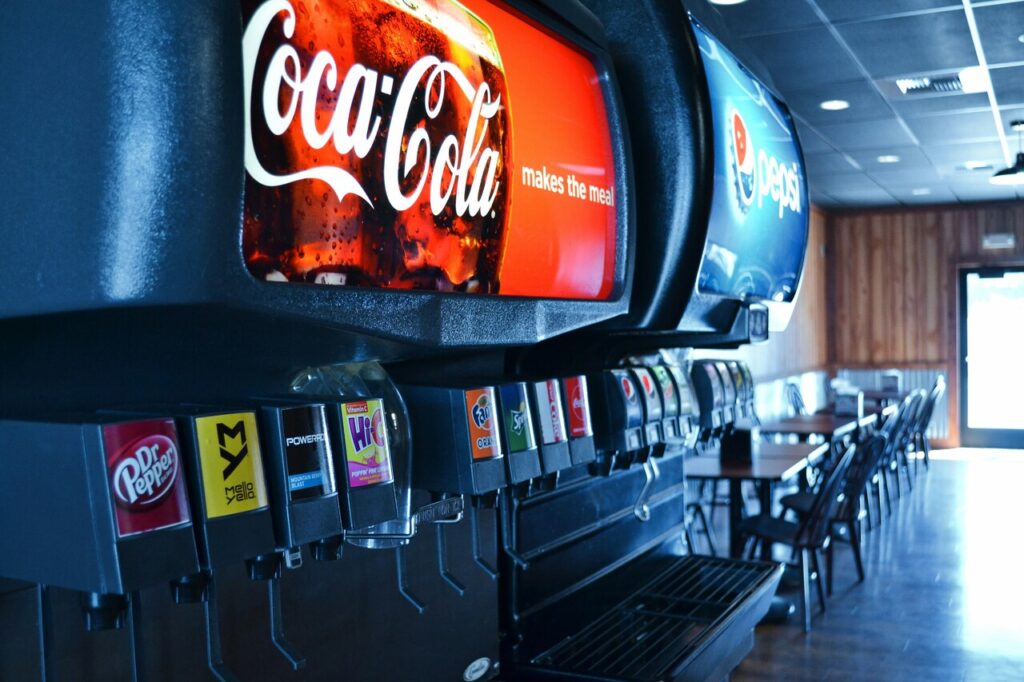
News of the phase-out brought a wide range of reactions. For many, the soda fountain was a nostalgic part of the dining experience, while others welcomed the shift for practical reasons. Some longtime customers feel a strong sentimental attachment to mixing sodas or grabbing a refill on their own. Many expressed disappointment on social platforms, noting that the self-serve fountain symbolized a sense of freedom and a small but meaningful perk of stopping at McDonald’s. Other customers appreciate the move, citing improved cleanliness and better beverage quality. These supporters view the change as a natural adaptation to modern restaurant challenges.
The public response highlights how everyday rituals shape dining culture. Self-serve soda stations became part of the rhythm of fast-food dining, and removing them shifts the customer experience. For travelers, the adjustment may simply mean planning for slight differences in how refills are handled during stops. With the new system rolling out nationwide, travelers can adjust easily by planning ahead and understanding how drink service may vary from one location to another. Ordering drinks through the mobile app or drive-thru helps streamline stops and reduce wait times.
Alternatives for Staying Hydrated on a Trip
Carrying a reusable bottle or purchasing a bottled beverage can provide convenience on long trips. Travelers who prefer fountain drinks can still enjoy them, but should expect that refills require assistance. This minor shift can help keep stops efficient while still enjoying a cold drink on the road. Since policies differ by franchise, travelers should be prepared for variation. Some stores may offer quick, easy refills, while others have limits or specific procedures. When in doubt, asking a staff member early in the visit ensures a smoother and more predictable experience.
What This Means for McDonald’s Future
The phase-out signals a broader movement toward consistent service across all ordering platforms. It also reflects McDonald’s continued investment in digital tools, efficiency systems, and redesigned store formats. With staff-poured beverages, McDonald’s can deliver a uniform drink experience whether a customer orders inside, online, or at the drive-thru. This shift supports the company’s long-term strategy to simplify operations and ensure product consistency across every touchpoint. Although the confirmed rollout applies to the United States, global markets may eventually consider similar changes as digital ordering grows internationally.
References
- McDonald’s is getting rid of self-serve soda machines – cnn.com
- McDonald’s says goodbye to self-serve soda – foxbusiness.com