10 Desserts Once Reserved for Royalty

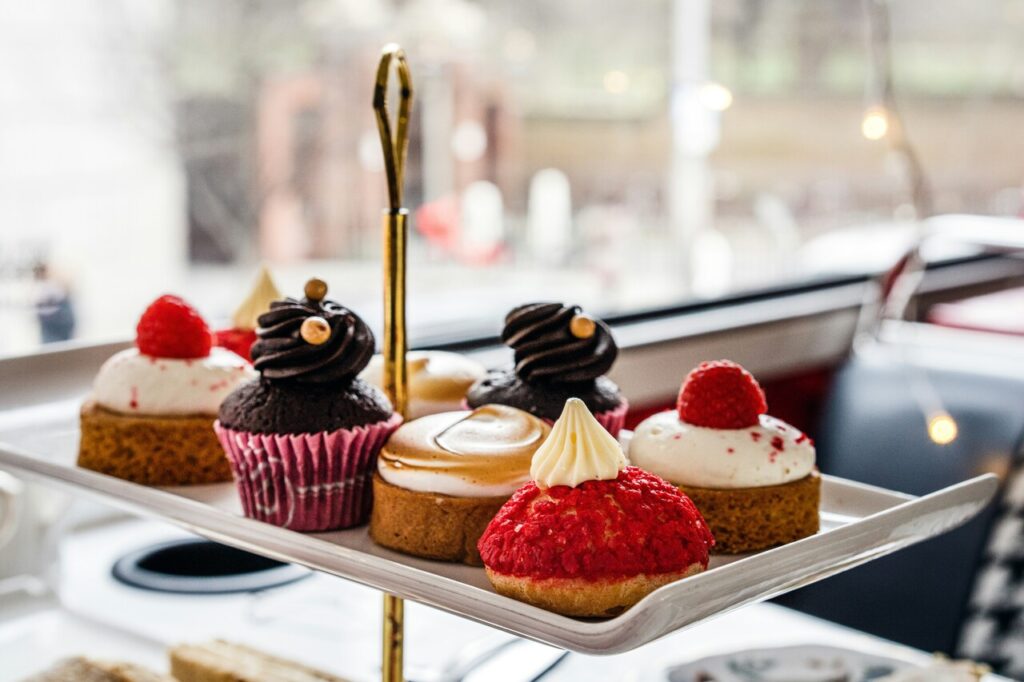
Long before desserts became everyday indulgences, many sweets were reserved for royalty, emperors, and elite courts. Access to sugar, spices, dairy, and skilled pastry chefs once marked status and wealth, turning desserts into statements rather than casual treats. These creations were shaped by ceremony, symbolism, and technical mastery, and often served to impress rather than simply satisfy hunger. Over time, these once-exclusive desserts moved beyond palace walls, but their origins still reveal how luxury, power, and tradition influenced what people were allowed to taste.
1. Battenberg Cake Was Designed as a Statement of Power
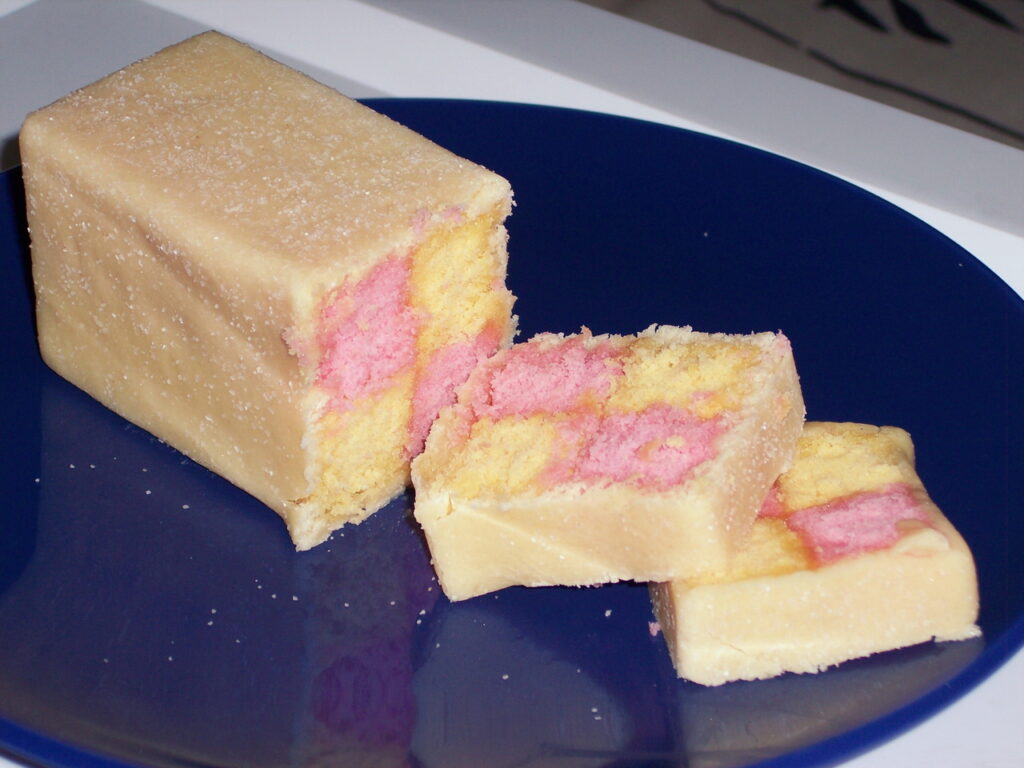
Battenberg cake was never meant to be casual. It was created to mark a royal marriage, and every detail reflects intention and symbolism. The checkerboard interior was a visual display of craftsmanship at a time when refined baking skills were limited to palace kitchens. Almond-flavored sponge and apricot jam were luxury ingredients, while marzipan wrapping signaled wealth and access. This was a cake designed to impress before it was eaten. Its neat geometry required precision that only trained bakers could achieve. Over time, the cake became more accessible, but its origins remain tied to royal image-making.
2. Queen of Sheba Cake Represented Chocolate as Royal Luxury
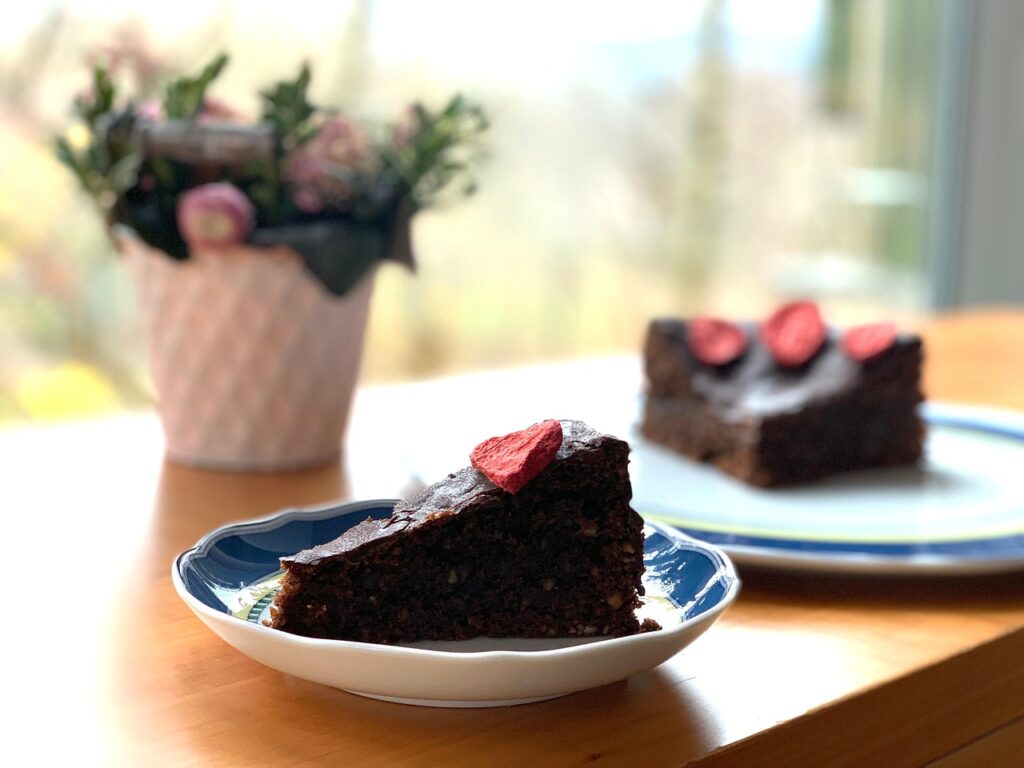
The Queen of Sheba cake reflects a time when chocolate itself was rare and expensive. This dense, flourless-style cake relied on high-quality cocoa and nuts, ingredients that were not widely available. Its association with the legendary Queen of Sheba added an aura of opulence and mystery. Unlike lighter sponge cakes, this dessert was rich, intense, and unapologetically indulgent. It was served in settings where restraint was unnecessary, and luxury was expected. While it is now baked in home kitchens, its original appeal came from exclusivity and the cost of ingredients that once defined elite dining.
3. Princess Cake Showed How Elegance Could Be Soft
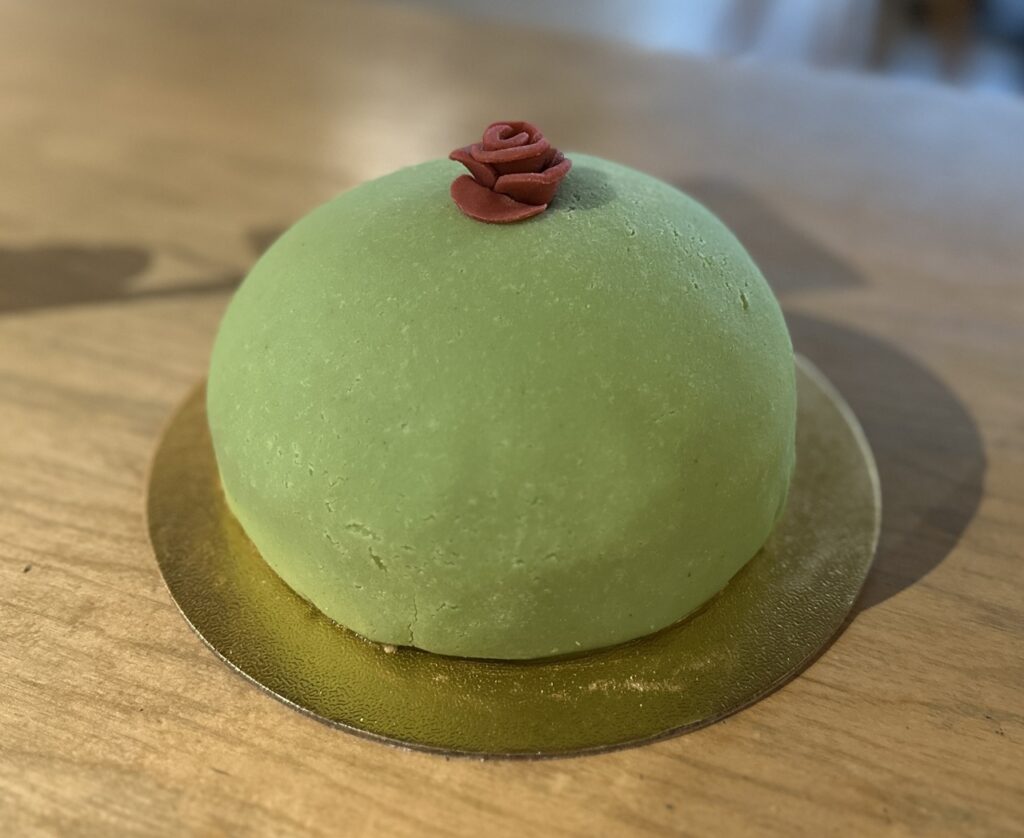
Princess cake became associated with Swedish royalty because it balanced richness with refinement. Layers of sponge, custard, cream, and marzipan created a dessert that felt luxurious without being overwhelming. The smooth dome shape and pastel exterior reflected restraint and polish, qualities admired in royal presentation. Marzipan itself was a costly ingredient, reserved for special occasions. This cake was not about excess decoration but about harmony and balance. As it spread beyond palace tables, the cake retained its elegant reputation, showing how controlled sweetness and texture could define high-status desserts.
4. Victoria Sponge Elevated Simplicity Through Association
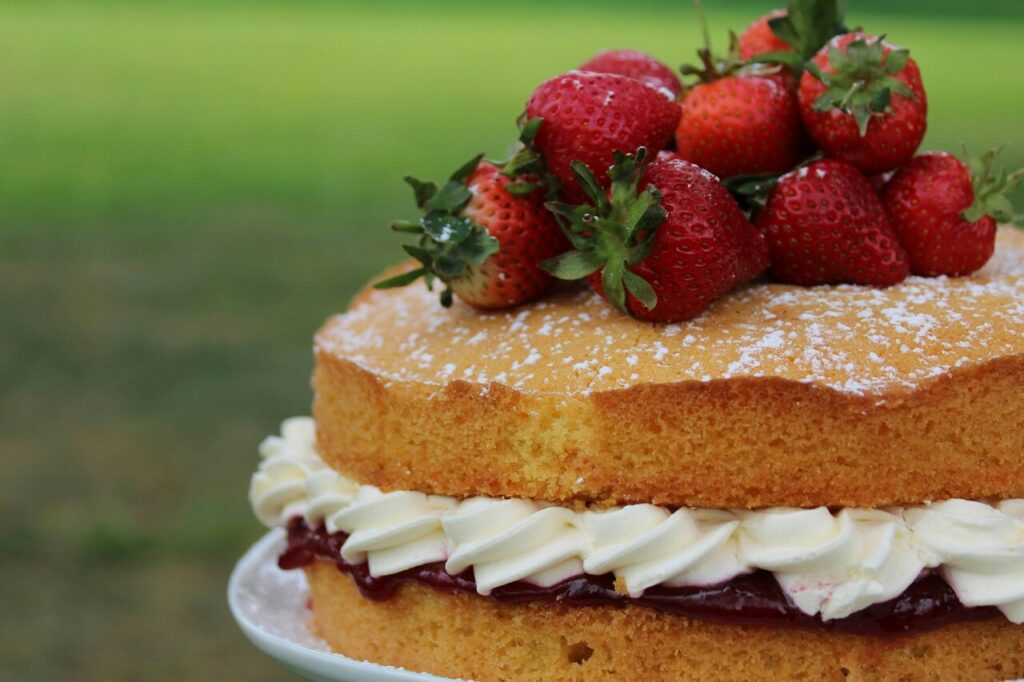
Victoria sponge was not complex by design, but its connection to Queen Victoria transformed it into a symbol of refinement. Light sponge layers, jam, and cream reflected a preference for balance rather than heaviness. At a time when rich puddings dominated, this cake felt modern and restrained. Its popularity during afternoon tea reinforced its association with polite society. While the recipe appears simple today, the cake required careful technique to achieve its airy texture. Its royal association elevated everyday components into something aspirational, turning a modest cake into a cultural standard.
5. Charlotte Russe Turned Technique Into Status
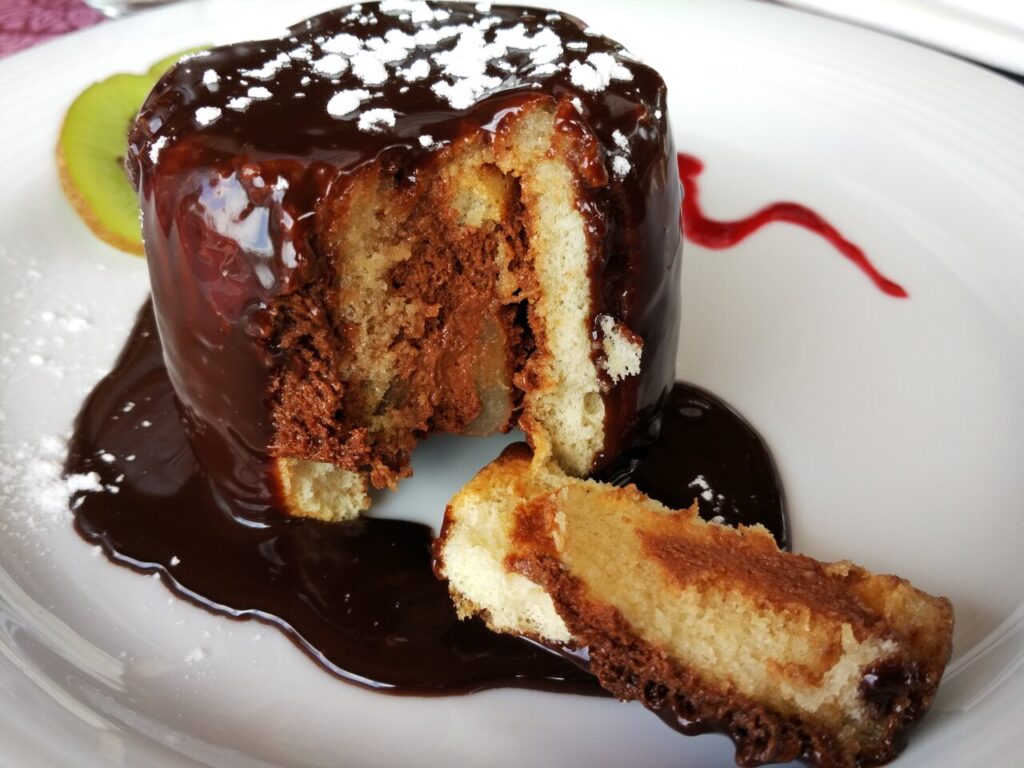
Charlotte Russe was as much about skill as flavor. Lining molds with ladyfingers and filling them with delicate cream required experience and patience. Gelatin-based creams were difficult to execute consistently, making this dessert a showcase of technical mastery. Named for royalty, it appeared at formal banquets where presentation mattered as much as taste. The dessert’s clean lines and light texture contrasted with heavier offerings, signaling sophistication. Only well-equipped kitchens could produce it reliably. Over time, the original cemented itself as a symbol of elite culinary capability rooted in royal dining traditions.
6. Marie Biscuits Began as a Royal Commemoration
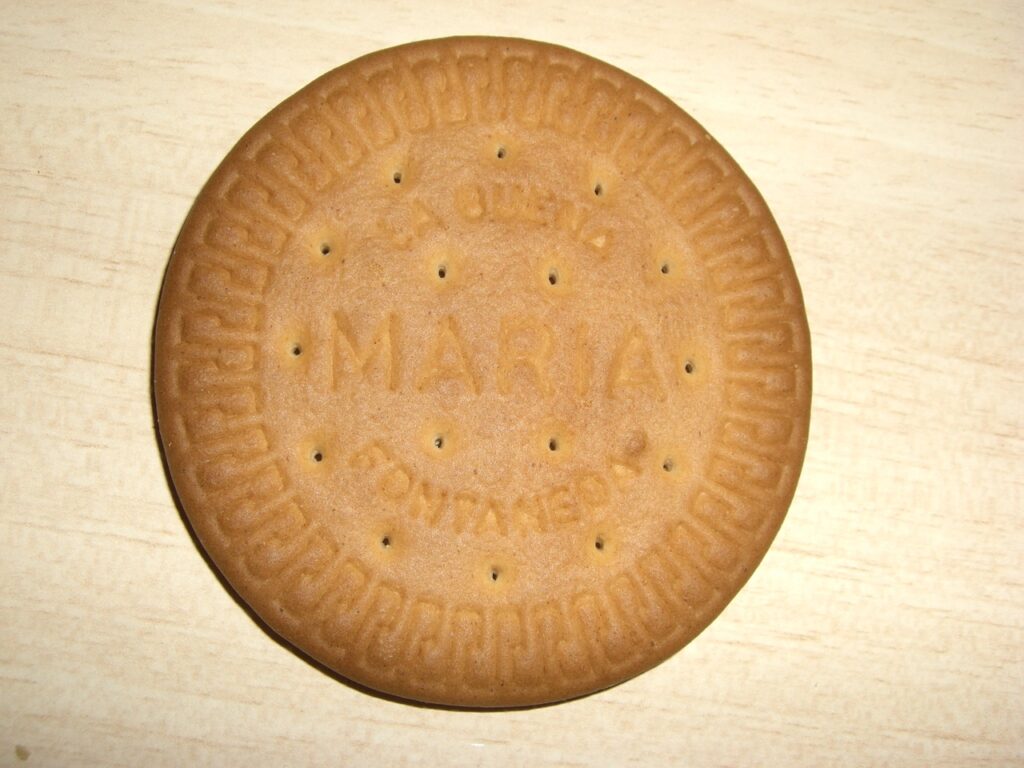
Marie biscuits were created to celebrate a royal wedding, which immediately placed them in an elite context. At the time, producing uniform, shelf-stable biscuits required advanced baking methods. Sugar and refined flour were still costly, making the biscuits a treat rather than a staple. Their simplicity masked their original exclusivity. They were designed to travel well and last, suitable for gifting and formal occasions. As industrial baking expanded, the biscuits became widely available, losing their elite status. Still, their origin reveals how even simple desserts once carried royal significance through timing and access.
7. Platinum Pudding Represents Modern Royal Ceremony
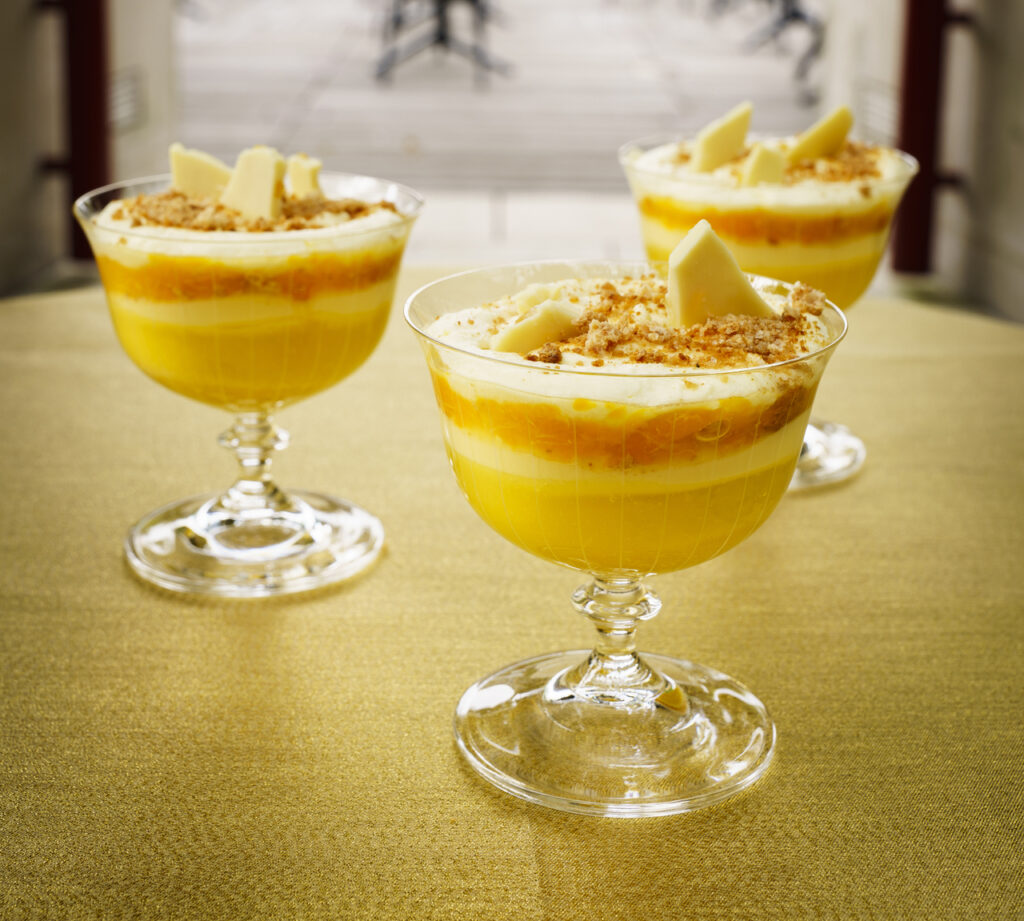
Platinum pudding reflects a contemporary form of royal dessert culture. Instead of exclusivity through cost, it emphasized symbolism and national participation. Ingredients were familiar, but the structure was carefully designed to feel celebratory. Lemon, cream, and layered textures echoed traditional British desserts while remaining approachable. Unlike historical palace desserts, this pudding was meant to be replicated. That shift shows how royal food culture evolved from private indulgence to shared experience. Even so, its ceremonial role places it firmly in the lineage of desserts linked to the monarchy.
8. Cherries Jubilee Turned Fire Into Spectacle
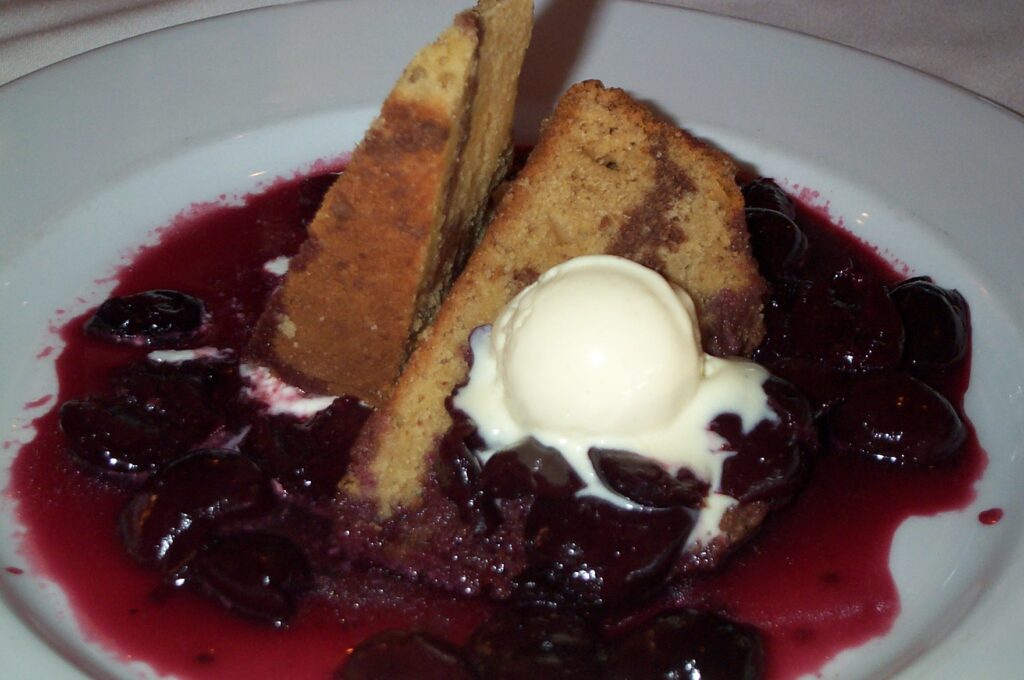
Cherries Jubilee earned its royal status through drama. Flambéing was a theatrical technique that required confidence and control. Alcohol, fresh fruit, and ice cream were luxury elements, and setting them alight at the table turned dessert into a performance. Created for a royal jubilee, the dish emphasized abundance and celebration. The flames symbolized excess and skill, qualities admired in elite dining. While flambé desserts later became restaurant staples, their origins lie in impressing high-status guests. The dish remains memorable because it combined flavor with spectacle in a way few desserts could.
9. Shahi Tukra Literally Meant Royal Indulgence
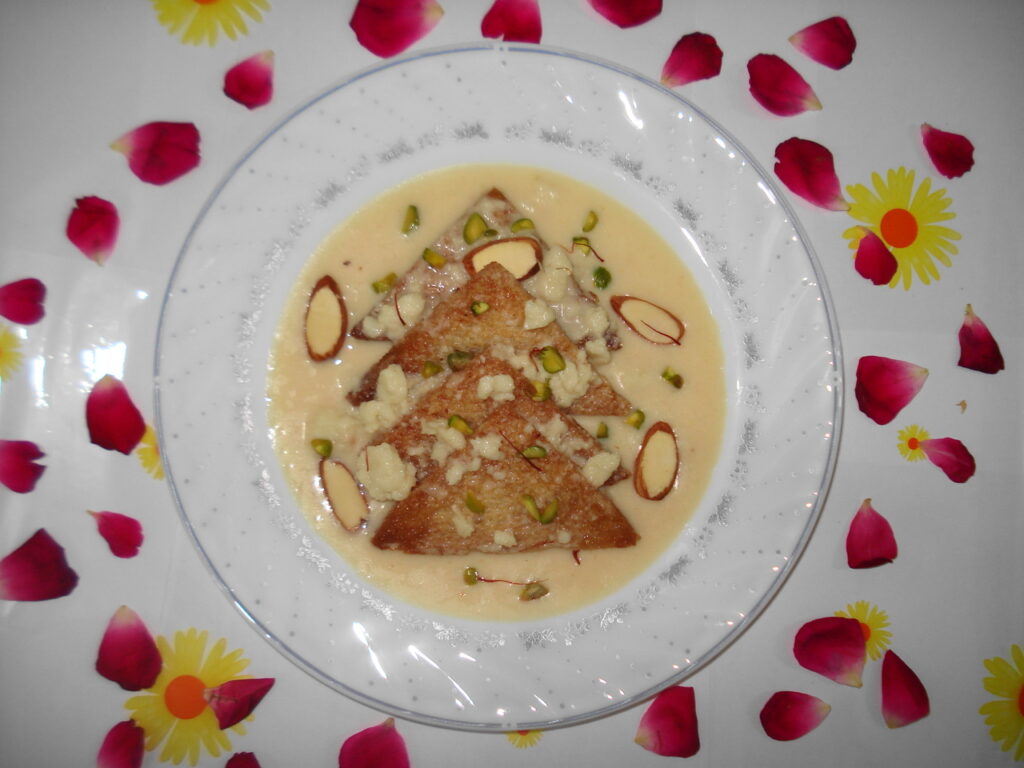
Shahi tukra translates directly to royal piece, and its history reflects that meaning. Fried bread soaked in sweetened milk and perfumed with saffron and cardamom relied on ingredients reserved for palace kitchens. Dairy, sugar, and spices were markers of wealth. The dish was rich, heavy, and unapologetically indulgent, designed for rulers rather than restraint. Its texture and sweetness reflected Mughal preferences for lavish desserts. As it moved into broader cuisine, it retained its richness. Even after centuries, the dish signals celebration and abundance rooted in imperial dining traditions.
10. Aish as-Saraya Was Built for Palace Kitchens
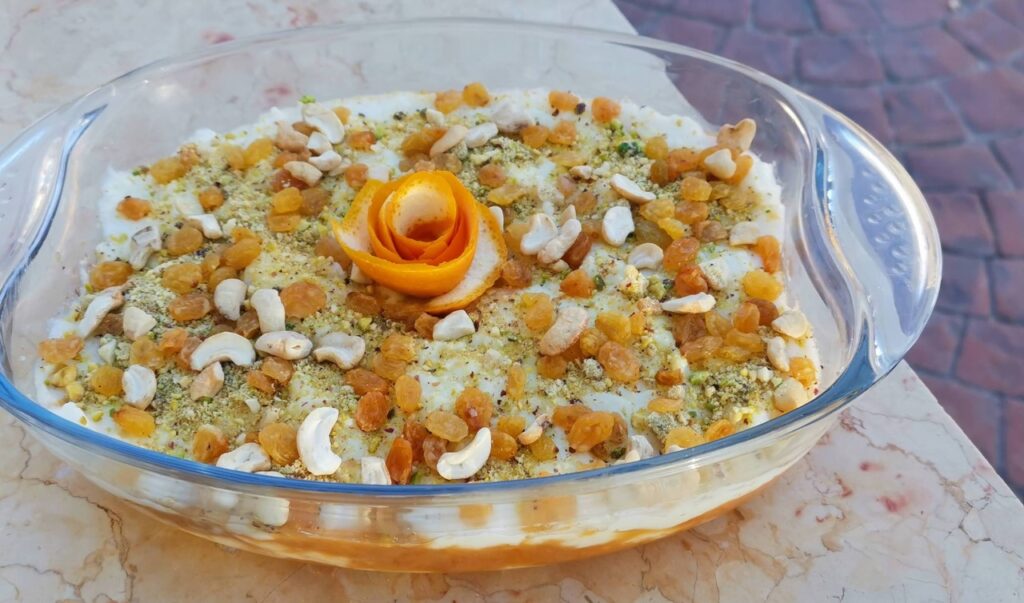
Aish as-saraya, meaning bread of the palace, originated in Ottoman royal kitchens. It used syrup-soaked bread layered with cream and nuts, ingredients that required resources and skilled labor. Sugar syrups and dairy creams were luxury items, not everyday staples. The dessert emphasized softness and sweetness, qualities associated with indulgence. Its construction required timing and precision to avoid sogginess. Served to elites, it reinforced the idea that desserts were an extension of power and hospitality. While now enjoyed widely, its origins remain firmly tied to palace culture and access.