7 Reasons Your Glass Bakeware Might Suddenly Shatter

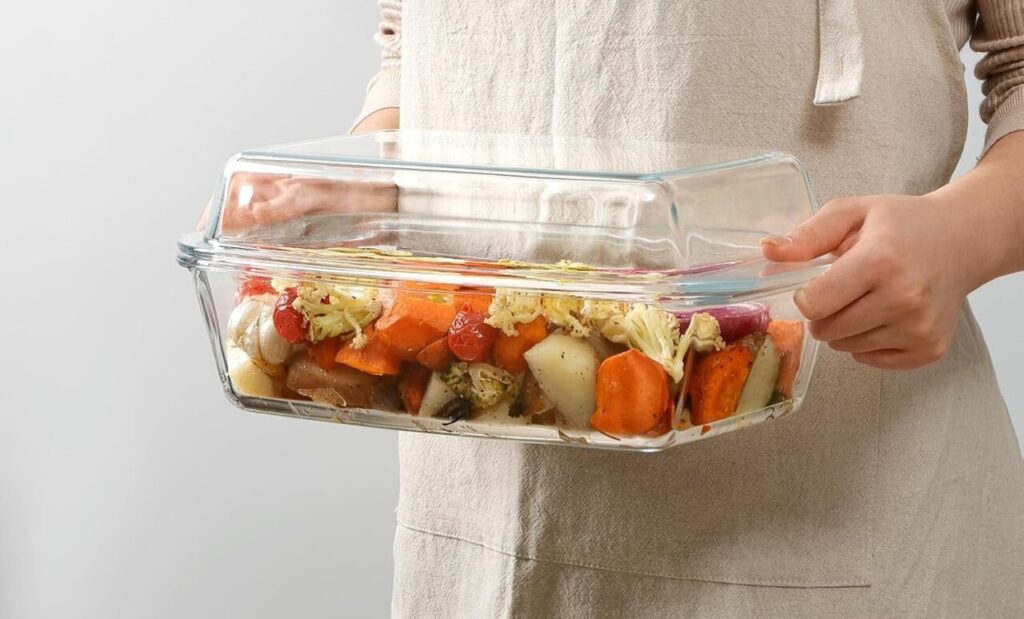
Few kitchen moments are more unsettling than hearing a loud crack or pop come from the oven and realizing your glass bakeware has shattered. It often happens without warning, even when you think you’ve done everything right. Glass dishes are designed to handle heat, but they still have limits that are easy to cross during everyday cooking. Small changes in temperature, surface contact, or handling can create stress that the glass cannot absorb. Understanding why glass bakeware fails helps you cook with more confidence and avoid sudden messes or injuries. These common causes explain how shattering happens and what to watch for in your own kitchen.
1. Thermal Shock from Rapid Temperature Changes
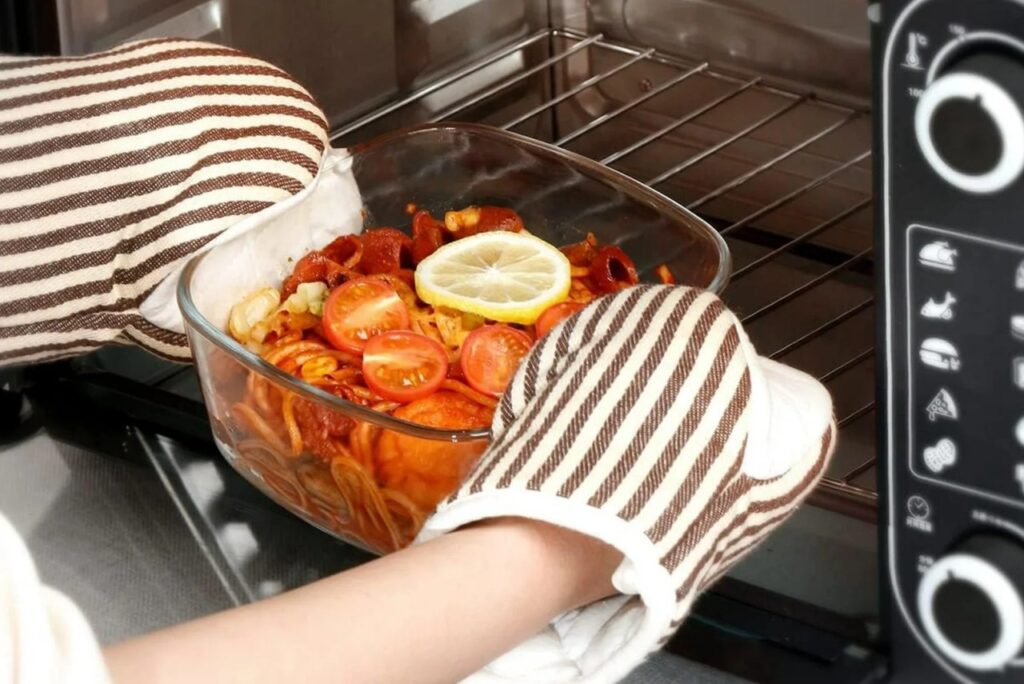
Glass bakeware is strong, but it does not handle sudden temperature swings well. Thermal shock happens when one part of the glass heats or cools much faster than another, creating internal stress. For example, moving a dish straight from the freezer into a hot oven or placing a hot dish under cold running water can cause the glass to fracture instantly. Even oven-safe glass has limits on how quickly temperatures can change. The outside of the dish may expand or contract faster than the inside, and that uneven movement is what causes shattering. This is why glass sometimes explodes without warning.
2. Placing Hot Glass on a Cold or Wet Surface
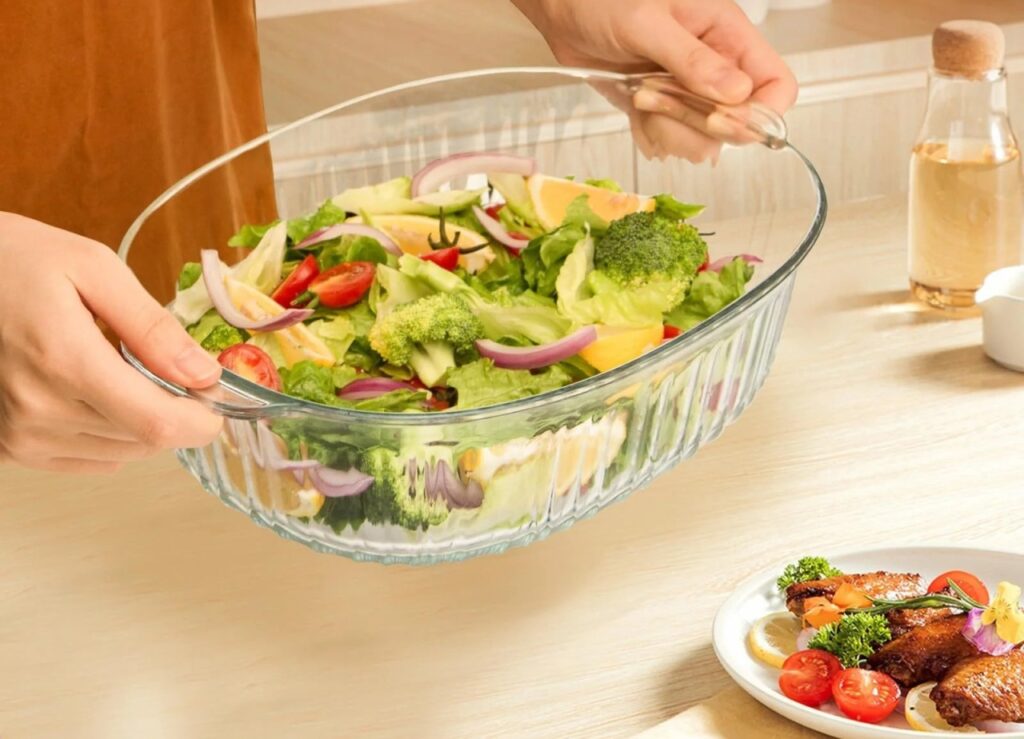
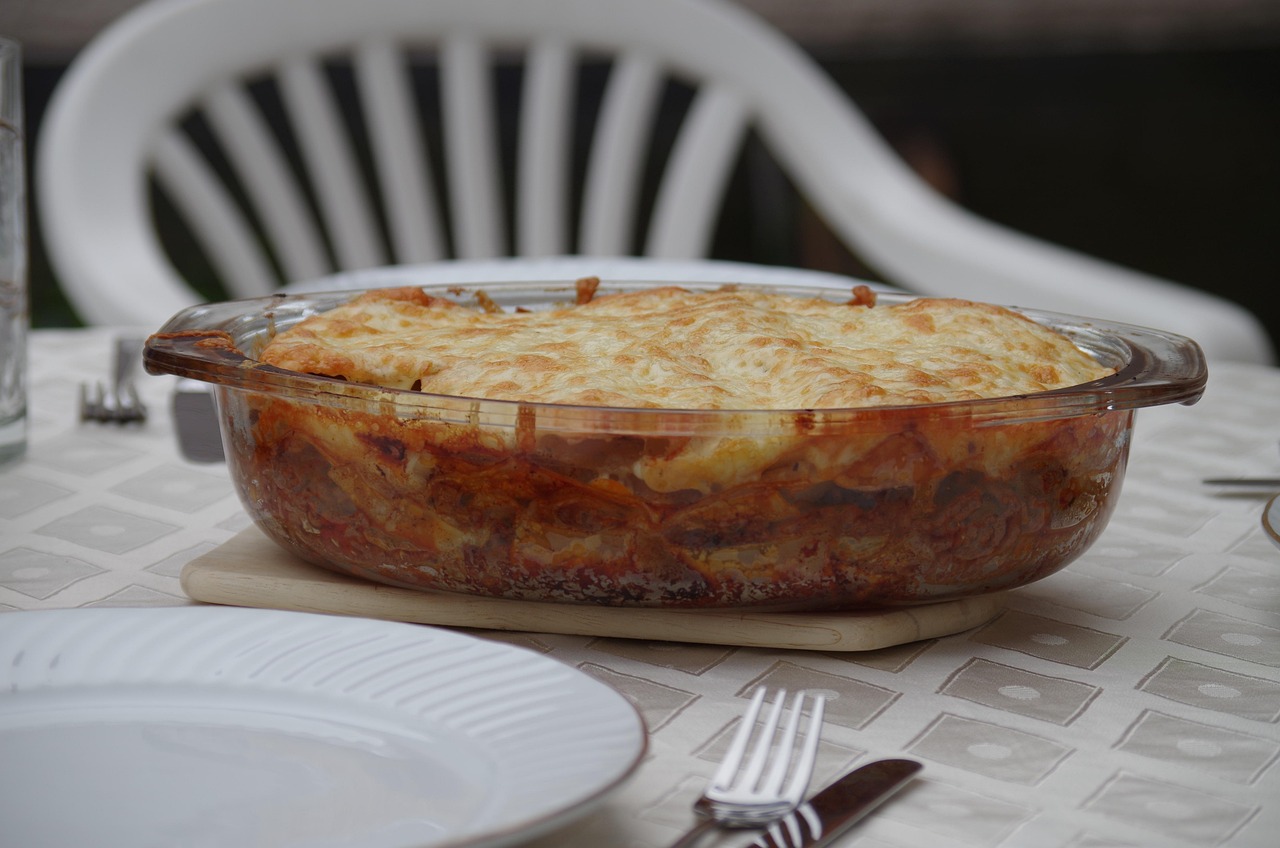
One of the most common causes of shattered glass bakeware is setting it down on a cold or damp surface. When hot glass meets a cool countertop, metal rack, or even a wet towel, the bottom of the dish cools rapidly while the rest remains hot. This sudden imbalance creates stress that the glass cannot absorb. Water makes the problem worse because it pulls heat away quickly. Many shattering incidents happen after food is already cooked, which makes this mistake surprising and dangerous. Using dry, padded surfaces like wooden cutting boards or folded kitchen towels gives heat a chance to escape slowly and evenly, reducing the chance of breakage.
3. Using Glass Bakeware Under a Broiler
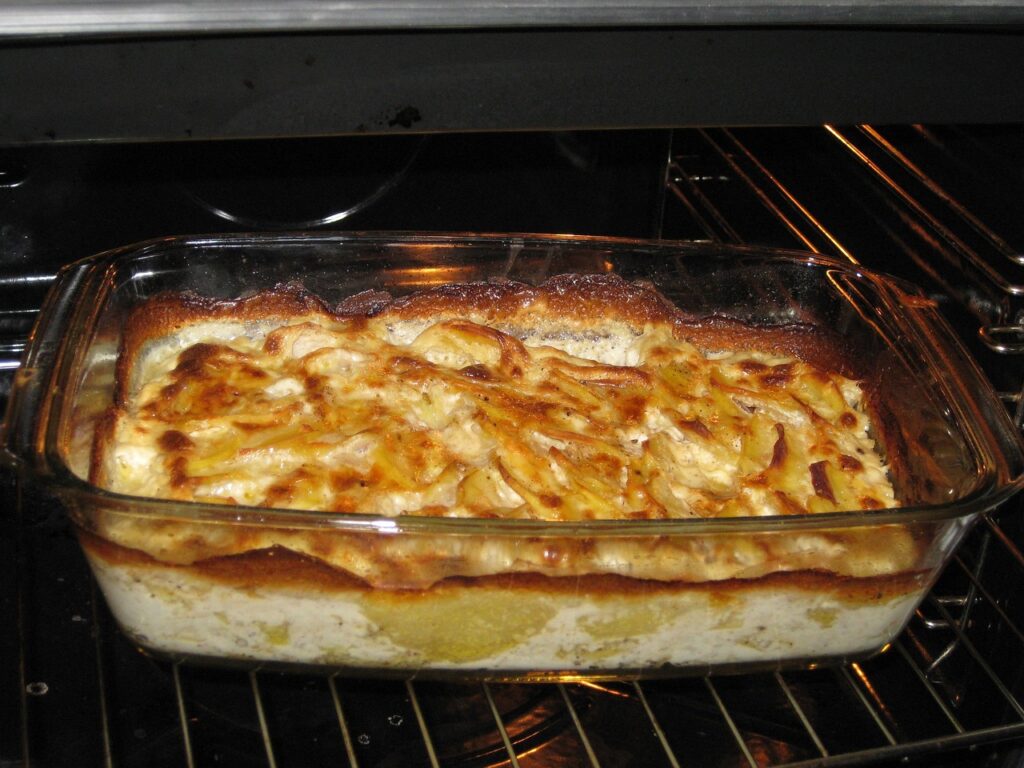
Glass bakeware is designed for steady, surrounding heat, not intense direct heat. Broilers apply extreme heat from above, which can cause the top surface of the glass to expand rapidly while the rest stays cooler. This uneven heating leads to cracking or sudden shattering. Even glass-labeled oven-safe is usually not broiler-safe unless clearly stated. The risk increases when the food inside the dish is shallow or when the dish is close to the heating element. Metal or ceramic cookware is better suited for broiling. Avoiding glass under direct flame or broiler heat is one of the simplest ways to prevent dangerous breakage.
4. Hidden Chips or Scratches Weakening the Glass
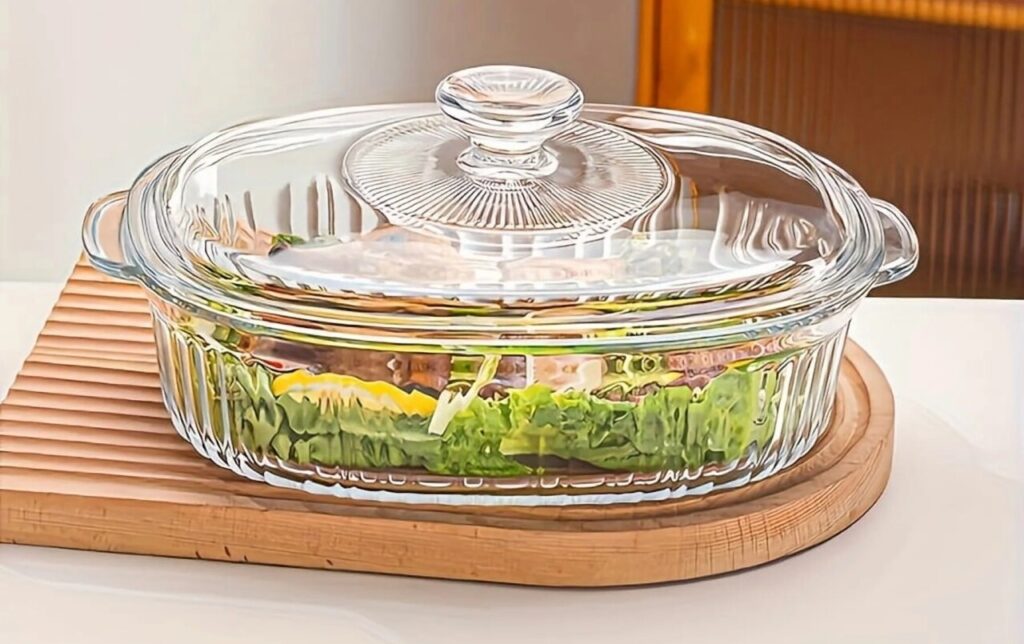
Glass bakeware can look fine at a glance while still being structurally compromised. Small chips, scratches, or hairline cracks weaken the integrity of the dish. Over time, repeated heating and cooling put stress on those weak points. Eventually, the glass can fail suddenly during normal use. Scratches from metal utensils or stacking dishes improperly can accelerate this damage. Once glass is compromised, it becomes unpredictable. Even gentle heat can cause it to shatter. Inspecting bakeware regularly and retiring damaged pieces is important for kitchen safety. Even tiny flaws can spread under heat, turning a minor defect into a sudden break.
5. Manufacturing Flaws or Lower-Quality Glass

Not all glass bakeware is created equal. Variations in manufacturing quality, thickness, or composition can affect how well a dish handles heat. Lower-quality glass may contain inconsistencies that weaken its structure. These flaws are often invisible and only reveal themselves under stress. Older glassware or unbranded pieces may not meet modern safety standards. Even reputable brands can occasionally produce defective items. This is why some dishes fail without clear misuse. Using trusted brands and following their care instructions helps reduce risk, but no glass is completely immune. Small imperfections formed during production can limit how much thermal stress the glass can handle.
6. Overheating an Empty or Nearly Empty Dish
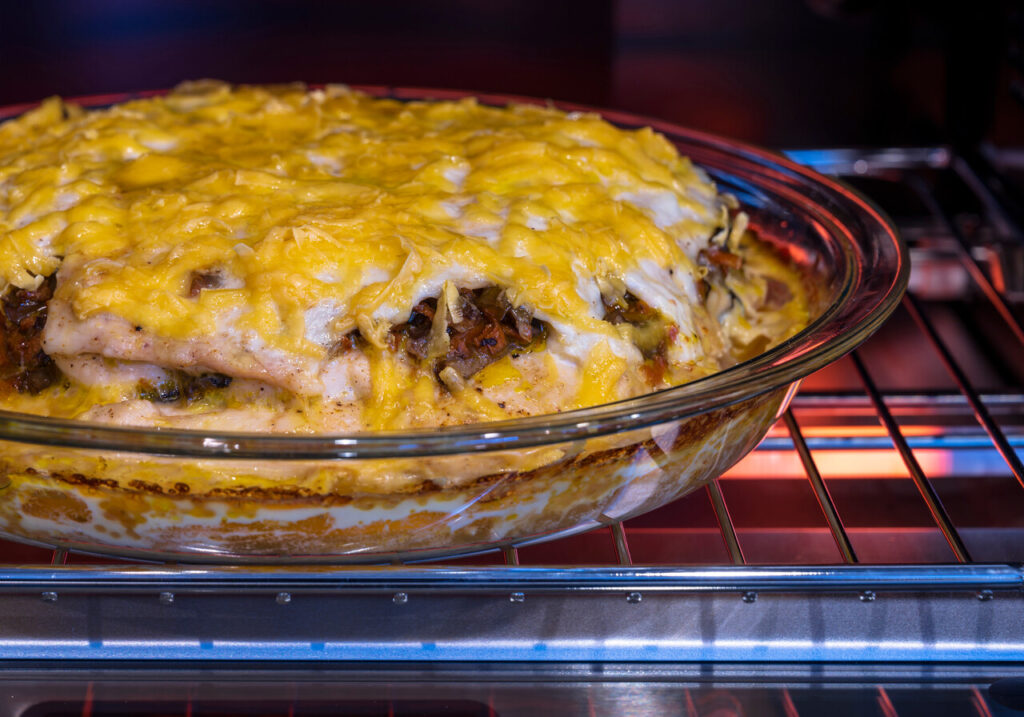
Glass bakeware relies on food to absorb and distribute heat. When a dish is empty or nearly empty, the glass itself absorbs most of the heat, causing it to overheat quickly. This can lead to uneven expansion and cracking. This often happens when preheating a dish or reheating leftovers that only cover part of the surface. Liquids and dense foods help regulate temperature. Avoid heating empty glass dishes and be cautious with small portions. Ensuring there is enough food or liquid in the dish helps protect the glass from excessive stress. Without that buffer, heat concentrates in the glass and raises the risk of sudden failure.
7. Sudden Impact or Vibration on a Hot Surface
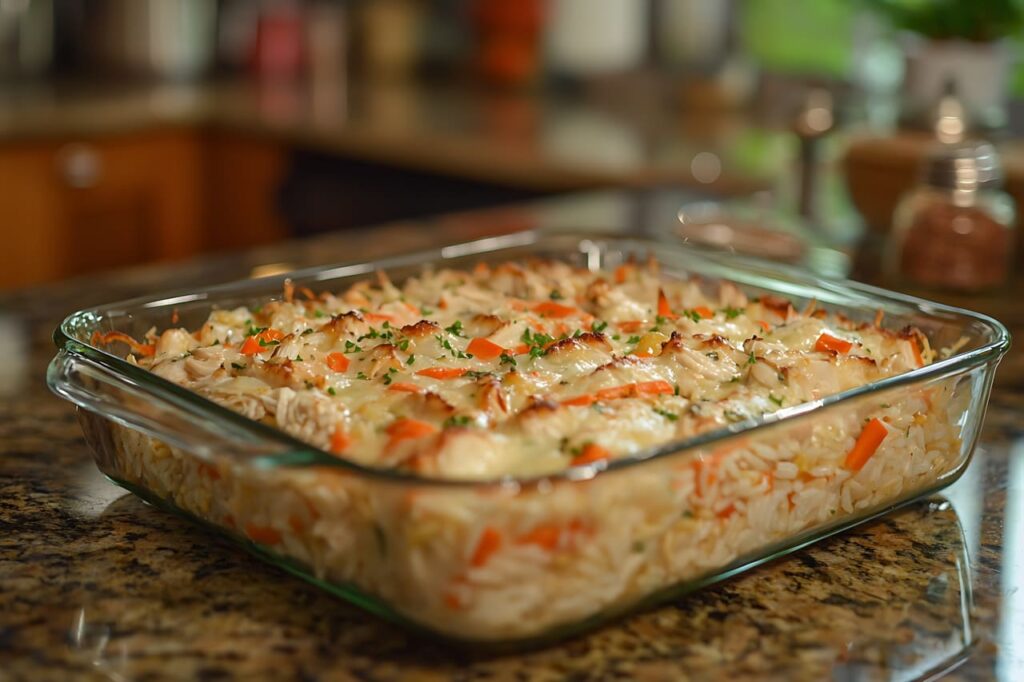
Hot glass is more vulnerable than cool glass. A small bump, vibration, or impact that would normally cause no damage can trigger shattering when the dish is hot. Sliding a dish across a hard surface, knocking it against a sink, or placing it near heavy vibrations can be enough. Heat makes glass more flexible but also more fragile under stress. This is why glass sometimes breaks moments after being removed from the oven. Handling hot bakeware gently and placing it securely reduces the chance of unexpected breakage. Letting the dish rest undisturbed gives the glass time to stabilize before it is moved.