Seasonal Flavor Releases Are Becoming More Frequent but Customers Feel Differently


Seasonal flavors have become a familiar part of the food and beverage landscape. From pumpkin drinks in autumn to peppermint treats in winter, companies regularly introduce limited releases tied to specific times of year. However, the growing number of seasonal launches is beginning to change how people respond. While some consumers still look forward to these flavors, others feel the constant releases make them less special. This shift is quietly reshaping how seasonal products influence customer interest and spending.
The Seasonal Flavor Boom

Seasonal flavors have become a central feature of modern food and beverage marketing. Restaurants, coffee chains, snack companies, and beverage brands now release special flavors tied to specific times of the year. Pumpkin varieties appear during autumn, peppermint and chocolate combinations dominate winter menus, and fruity profiles often arrive in summer. These launches are designed to refresh menus and attract attention without changing the core product lineup. By introducing limited seasonal options, brands keep their offerings feeling new while still relying on familiar products. Seasonal flavors also help businesses create recurring promotional moments throughout the year.
The increase in seasonal releases reflects a broader shift in marketing strategy. Instead of introducing entirely new permanent items, companies use temporary flavors to maintain customer interest. These launches can generate excitement without the long-term risks associated with permanent menu changes. Seasonal products often require fewer operational adjustments because they are based on existing recipes or formats. A familiar beverage or snack can simply receive a new flavor variation. This flexibility makes seasonal products easier to manage operationally. If a flavor does not perform well, it naturally disappears when the season ends.
Another reason for this growth is the predictable rhythm of seasonal promotions. Brands can plan marketing calendars months and build anticipation for upcoming releases. Customers begin to associate certain flavors with particular times of year. This recurring cycle keeps the product lineup dynamic while encouraging repeat visits from consumers who look forward to specific seasonal favorites. Many customers anticipate these flavors as part of annual traditions. Returning items often generates excitement because people remember them from previous years. Familiarity combined with novelty keeps interest high.
The Science of Seasonal Taste

Consumer taste preferences are influenced by seasonal conditions more than many people realize. Weather, temperature, and cultural context all affect how people perceive flavors. During warmer months, consumers often gravitate toward lighter and more refreshing taste profiles. Citrus, berry, and tropical flavors feel appropriate for hot weather because they create a sense of freshness. In colder months, people tend to prefer richer and warmer flavors such as chocolate, cinnamon, and caramel. These patterns appear across many regions and cultures. Seasonal conditions influence how satisfying certain foods feel.
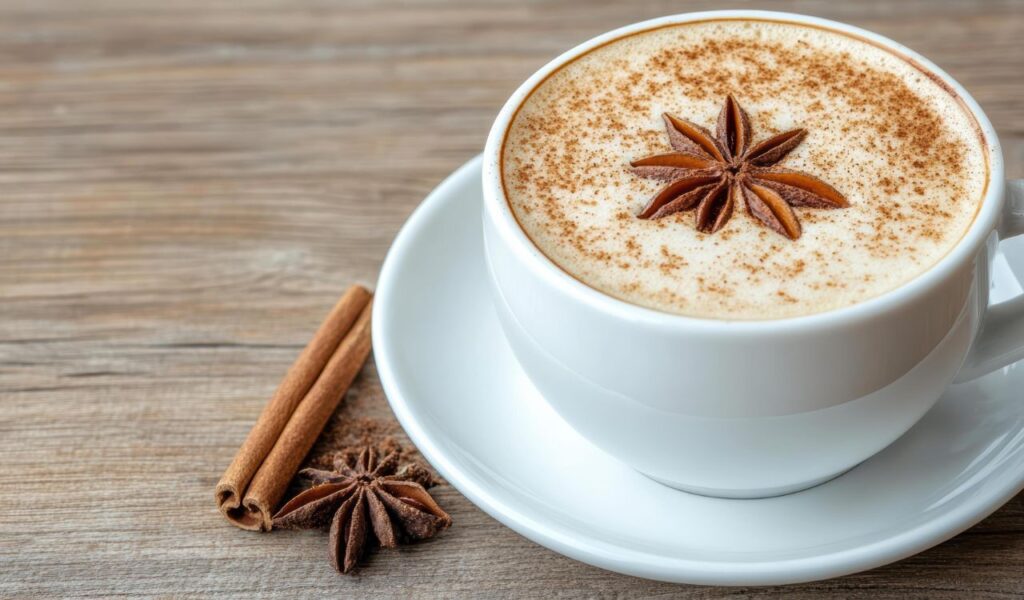
This shift in preference has been observed across many food categories. Beverages, desserts, and even savory dishes often follow seasonal flavor patterns. Restaurants and food manufacturers use these insights to design seasonal menus that match consumer expectations. A warm spice-flavored drink in winter feels comforting, while a chilled fruit-flavored beverage fits naturally into summer. Seasonal alignment strengthens the perceived relevance of products. Customers often feel that certain flavors belong to particular seasons. This connection makes the dining experience feel more appropriate to the moment. Restaurants use these insights when planning seasonal menus.
Psychology also plays a role in these preferences. Seasonal foods are often linked to specific emotional experiences. Cold weather can create a desire for indulgent comfort foods, while warm weather encourages lighter and refreshing choices. Brands rely on this connection between environment and taste to design products that feel naturally aligned with the season. Emotional comfort often influences what people choose to eat. Warm flavors can create a sense of coziness during colder months. Fresh fruit profiles can evoke feelings of relaxation in summer. These emotional responses reinforce seasonal flavor popularity.
The Nostalgia Connection
Many seasonal flavors succeed because they tap into powerful feelings of nostalgia. Certain foods and drinks remind people of holidays, family traditions, and childhood experiences. A pumpkin-flavored dessert may evoke memories of autumn gatherings, while peppermint treats often recall winter celebrations. These emotional associations make seasonal products feel meaningful beyond their basic taste. Nostalgia strengthens the emotional value of seasonal foods. This emotional link often increases the appeal of seasonal products. As a result, nostalgia becomes a strong marketing advantage.
Food companies understand the power of nostalgia and incorporate it into their marketing strategies. Seasonal packaging, colors, and product names often reference familiar traditions. These visual cues strengthen the connection between the product and the season. When customers see these cues, they immediately recognize the intended experience. Packaging design often mirrors seasonal imagery. These elements reinforce the emotional connection with the product. Businesses can experiment without committing to large-scale production changes. Customers quickly recognize seasonal offerings on store shelves.
Nostalgia can also influence purchasing decisions. Consumers may feel motivated to buy a seasonal item simply because it reminds them of an experience. Even if the product appears every year, the emotional connection keeps it appealing. This cycle helps seasonal flavors maintain their popularity across generations. Families sometimes incorporate seasonal foods into yearly traditions. Customers may feel connected to personal memories through familiar flavors. Children grow up associating specific flavors with holidays. These repeated experiences reinforce nostalgia. Over time, the flavor becomes part of a cultural ritual.
The Scarcity Effect

Limited availability is one of the most powerful tools used in seasonal marketing. When a product is available only for a short period, customers feel a sense of urgency to try it. This scarcity creates excitement and encourages quick purchasing decisions. Many consumers worry that if they wait too long, the item might disappear before they have the chance to enjoy it. This sense of urgency drives immediate action. Customers may purchase the item earlier than planned. The temporary nature increases perceived value. Scarcity, therefore, becomes a powerful motivator. The limited window makes the experience feel exclusive.
Restaurants and beverage brands carefully design these release windows. Seasonal products often remain available for only a few weeks or months. This short lifespan keeps the item feeling special and prevents it from becoming routine. Once the season ends, the product disappears until the next year. Limited availability maintains the product’s uniqueness. Customers recognize that the opportunity is very temporary. This understanding strengthens demand during the release period. Businesses rely on this urgency to drive sales. The short release period also keeps inventory management much simpler.
The scarcity effect also increases anticipation. Customers who enjoy a seasonal flavor often look forward to its return the following year. This expectation creates a predictable cycle of demand. Each new release becomes an event that brings customers back to stores or restaurants. Anticipation builds through advertising and social media announcements. Customers begin discussing upcoming releases ahead of time. This excitement spreads amongst the loyal fans of the product. The returning flavor becomes part of the yearly routine. Some consumers even plan visits specifically around these releases.
The Innovation Engine
Seasonal flavors also serve as a testing ground for innovation. Brands often experiment with unusual flavor combinations through limited releases. Because these items are temporary, companies can take creative risks without committing to permanent production. If a flavor becomes extremely popular, it may eventually join the regular product lineup. Limited releases, therefore, encourage experimentation. Companies gain insights from real consumer reactions. Creative combinations can attract curious customers. Innovation helps keep the brand relevant. These experiments often inspire future product ideas.
This approach allows companies to gather valuable feedback from customers. Sales data and consumer reactions reveal which flavors resonate most strongly with the market. Successful experiments can guide future product development strategies. Unsuccessful ones simply disappear when the season ends. Customer reviews often provide useful insights. Online discussions reveal which flavors people enjoy most. Businesses use these findings to refine their offerings. Feedback collected during seasonal launches often shapes long-term product strategy. The short duration reduces risk while still generating meaningful consumer insights.
Innovation through seasonal releases also helps brands maintain a reputation for creativity. Customers become curious about new launches and may visit stores specifically to try the latest flavor. This curiosity drives engagement and keeps the brand visible in a crowded market. Frequent innovation signals that the brand is evolving. Creative experimentation generates discussion among consumers. These conversations help sustain brand interest. New flavors often spark debates and reviews among customers. Word of mouth spreads quickly when people share their first impressions with friends and family.
The Consumer Fatigue Factor
As seasonal releases become more frequent, some customers begin to feel less excited about them. When limited flavors appear too often, they may lose their sense of novelty. Consumers who once anticipated seasonal launches might now see them as routine marketing tactics. This change in perception can reduce the excitement that originally made seasonal flavors successful. Repetition can weaken the impact of limited editions. Customers may begin ignoring new launches. Too many releases can dilute the feeling of exclusivity. This trend creates challenges for brands. Overexposure may reduce curiosity around seasonal products.
Another issue arises when too many seasonal products compete for attention. Customers may feel overwhelmed by the number of choices available during a given season. Instead of trying multiple items, they may select only the most familiar option. This behavior can limit the success of new seasonal experiments. Overcrowded menus reduce the visibility of individual products. Customers may overlook unfamiliar flavors. Simpler menus often make decision-making easier. Excess variety can therefore reduce overall engagement. Customers may revert to classic menu items. Many buyers prefer a quick and comfortable choice when faced with too many alternatives.
Brands must therefore balance creativity with restraint. If seasonal products appear too frequently, they risk diluting their own impact. Maintaining excitement requires careful timing and thoughtful product selection. The challenge lies in keeping seasonal flavors special rather than predictable. Strategic planning becomes essential in this process. Companies must consider how often to introduce new items. Limited frequency can preserve the excitement of seasonal launches. Careful scheduling helps maintain consumer interest. Thoughtful planning helps protect the sense of novelty. A measured approach allows each release to feel intentional rather than routine.
The Social Media Amplifier

Social media has significantly changed how seasonal flavors gain attention. New drinks, snacks, and desserts often spread quickly across digital platforms when customers share photos or reviews. A visually striking product can become widely discussed online within days of its release. This exposure helps seasonal items reach audiences far beyond traditional advertising. Online conversations amplify awareness rapidly. Viral posts can introduce a product to millions of viewers. Social platforms act as powerful marketing channels. Brands now design campaigns with this exposure in mind. Online visibility can dramatically boost early demand.
Many companies now design seasonal products with online visibility in mind. Bright colors, decorative toppings, and creative packaging make products more likely to appear in social media posts. When customers share these images, the brand receives free publicity. This digital exposure can dramatically increase interest in a seasonal item. Visual appeal plays a central role in this strategy. Photogenic products attract attention instantly. Customers enjoy sharing visually appealing food online. This behavior strengthens digital marketing impact. An attractive presentation often encourages customers to try the product.
Online trends also influence which flavors become popular. A seasonal product that gains momentum on social platforms may attract large numbers of curious customers. This effect can transform a limited release into a widely recognized trend. As a result, social media now plays a major role in shaping the success of seasonal flavor campaigns. Online communities often discuss new releases. Reviews and reactions spread quickly across platforms. This visibility encourages more customers to try the product. Social media, therefore, amplifies the reach of seasonal launches. Viral discussions can dramatically increase product awareness.