Private Label Desserts Are Quietly Taking Over Freezer Aisles in Major Retail Chains

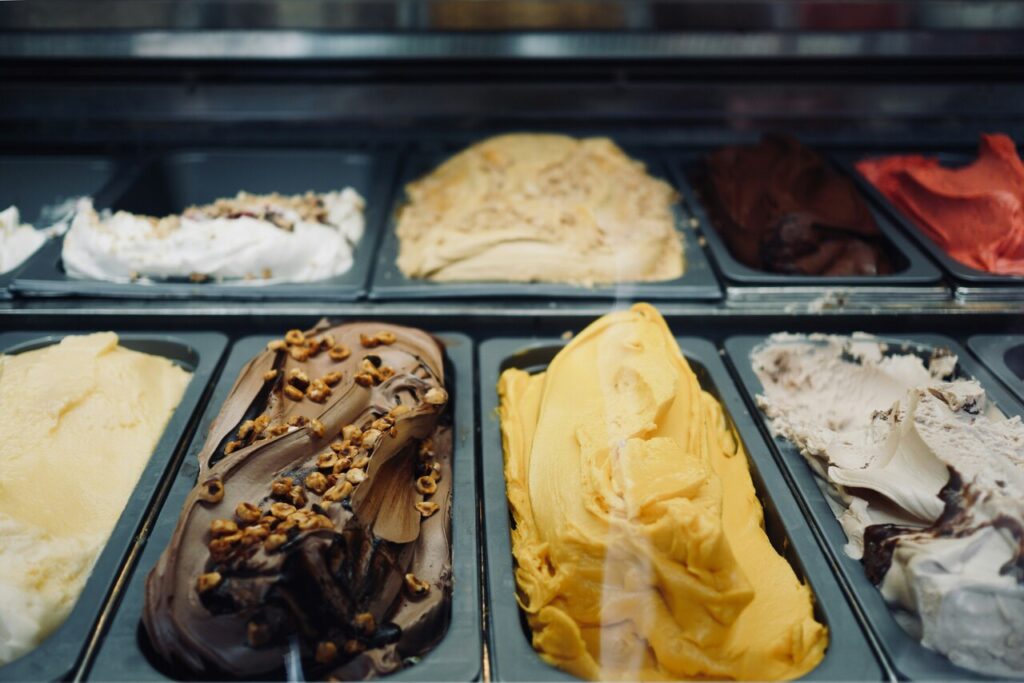
Frozen dessert aisles in many supermarkets are undergoing a subtle transformation. Store-branded ice creams, cakes, and frozen treats are appearing more frequently beside traditional national brands. Retailers are investing heavily in private-label dessert lines, improving recipes, packaging, and flavor variety to compete directly with established names. As consumers discover that many store brands deliver similar taste and quality, private label desserts are steadily gaining ground across freezer sections.
The Freezer Aisle Shift
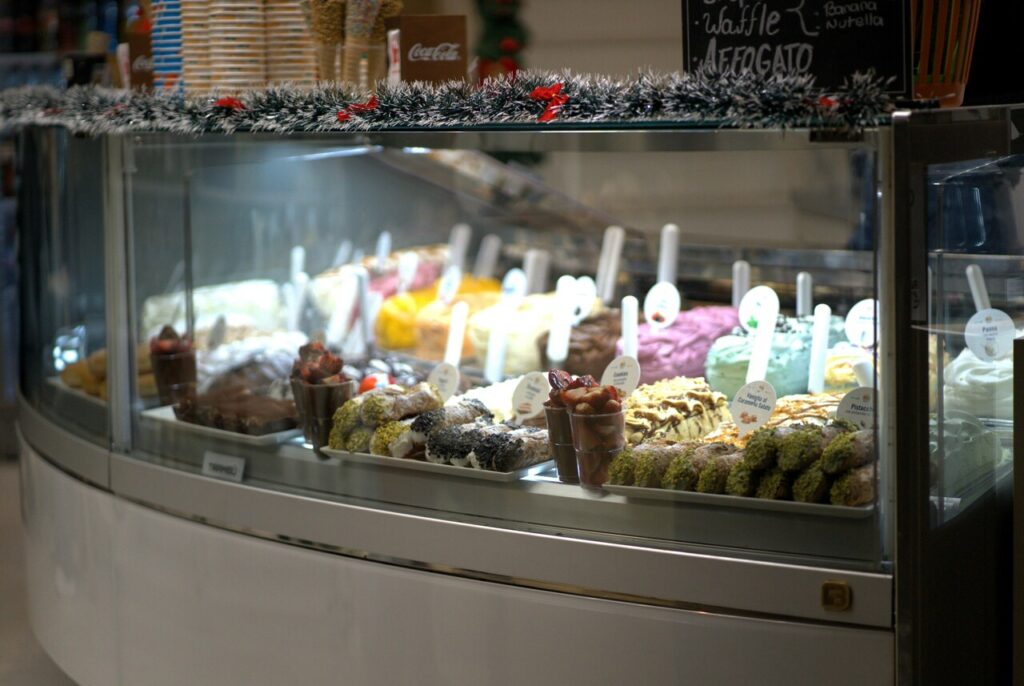
The frozen dessert aisle in many supermarkets is quietly changing its appearance. Ice creams, frozen cakes, cookie sandwiches, and specialty treats now appear under store-owned labels in many chains. This expansion reflects a deliberate effort by retailers to strengthen their presence in the frozen dessert category. Frozen desserts remain a popular purchase for shoppers looking for indulgent treats. Retailers recognize that this category encourages impulse buying. Expanding store brands in this section can influence many purchasing decisions. As a result, supermarkets continue investing in new private-label dessert options.
One reason behind this shift is control over product variety and shelf placement. Grocery chains can decide exactly how much space their own products receive in the freezer section. By placing private-label desserts in visible locations, retailers increase the chances that shoppers will notice them. This visibility helps store brands compete more directly with national labels. Over time, consistent shelf presence can gradually influence consumer purchasing habits. Strategic placement near eye level often increases product visibility. Retailers carefully design freezer layouts to guide customer choices.
The freezer aisle has therefore become a strategic area for retailers. Frozen desserts are popular impulse purchases and often attract attention because of their colorful packaging and familiar flavors. When store brands appear alongside national brands at competitive prices, shoppers are more likely to give them a try. As more customers experiment with these products, the balance of power within the frozen dessert section begins to shift. Repeated exposure builds familiarity with store brand packaging. Familiarity can gradually strengthen consumer trust. This gradual change reshapes the structure of the freezer aisle.
The Quality Perception Change
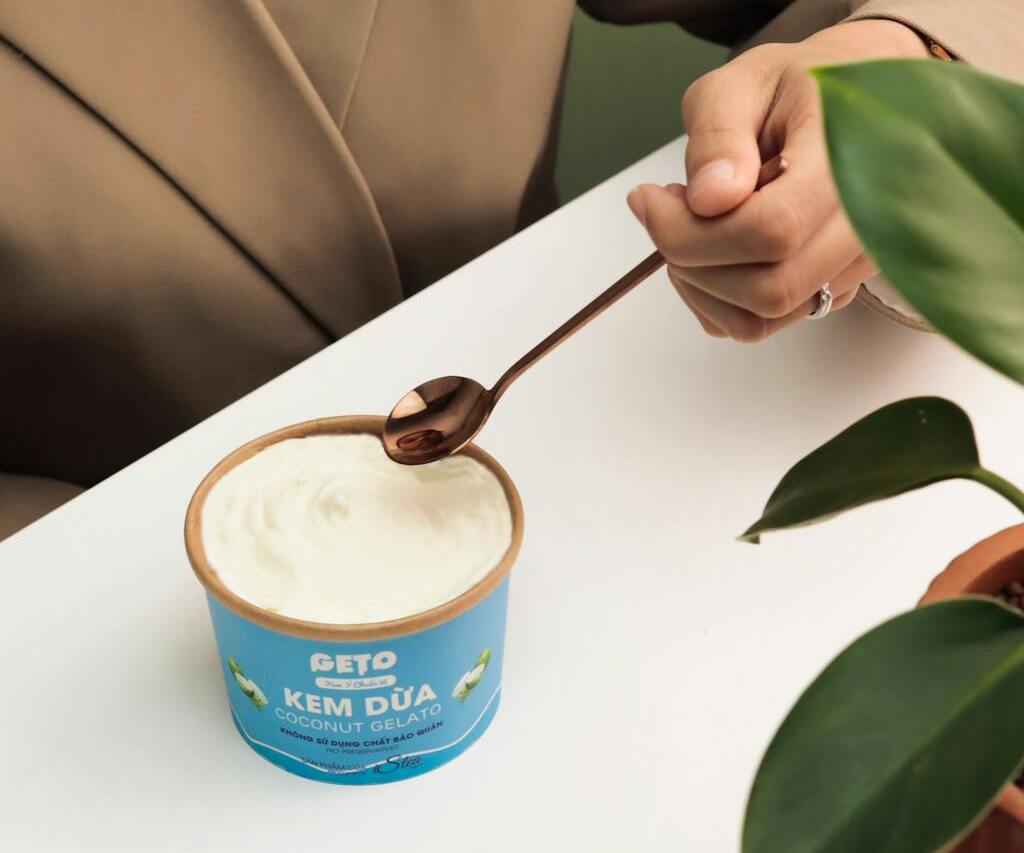
For many years, store-branded desserts were often viewed as simple budget alternatives. Consumers sometimes assumed that lower prices meant lower quality. That perception has changed considerably in recent years. Retailers have invested in improving ingredients, recipes, and packaging for their private-label desserts. As a result, many shoppers now see these products as comparable to national brands. Better ingredient sourcing has improved flavor consistency. Many retailers partner with experienced dessert manufacturers. Product testing ensures quality standards remain high. These improvements help reshape consumer expectations.
Taste has played a significant role in this change. When customers try store-brand ice cream or frozen treats and find the flavor and texture satisfying, their expectations begin to shift. Positive experiences encourage repeat purchases and build confidence in the product. Over time, the gap in perceived quality between store brands and well-known labels becomes smaller. Word of mouth also strengthens this perception. Families may recommend store-brand desserts to friends. Positive reviews on online grocery platforms further reinforce trust. Gradually, the reputation of store brands continues to improve.
Consumer trust in store brands often grows gradually through these experiences. Once shoppers discover that a retailer’s dessert performs well in terms of taste and consistency, they become more willing to explore other private label products. This process strengthens the reputation of store brands and reinforces the idea that quality can exist at multiple price points. Shoppers may start experimenting with other store brand categories. Confidence spreads beyond the dessert aisle. Retailers benefit from stronger overall brand recognition. This trust helps store brands compete with long-established national labels.
The Retailer Profit Strategy
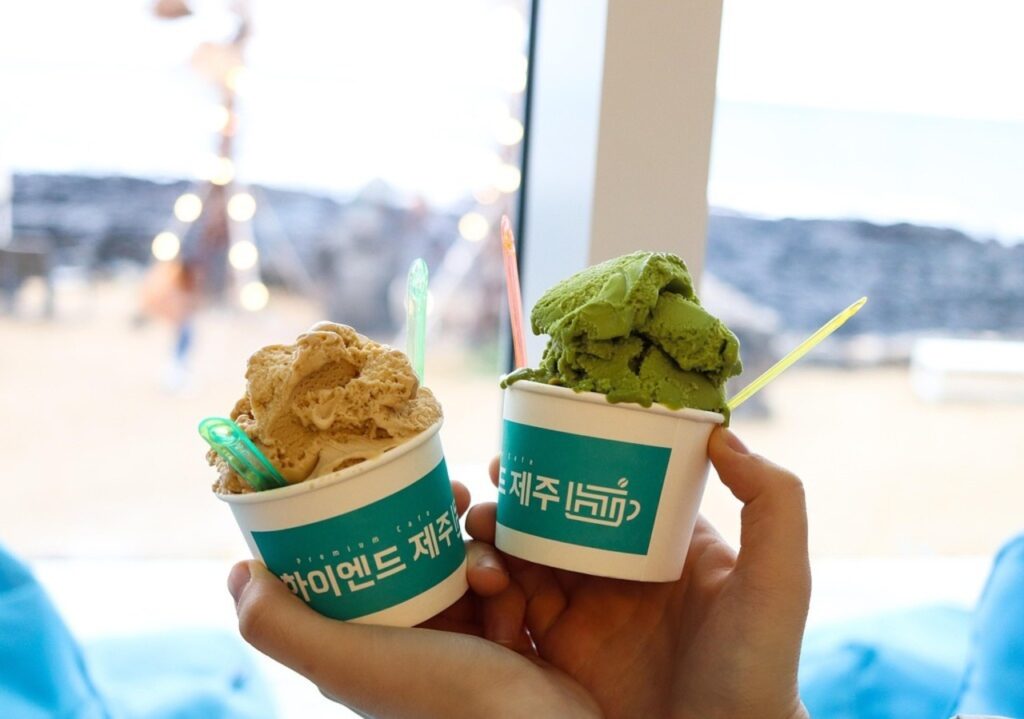
Behind the growth of private label desserts lies a clear financial incentive for retailers. Store brands typically generate higher profit margins than national brands. Because retailers control the supply chain and marketing costs more directly, they can offer competitive prices while maintaining stronger returns. Frozen desserts provide a particularly attractive category for this strategy because they sell consistently throughout the year. Retailers also gain flexibility in pricing decisions. Lower production costs allow them to adjust prices quickly. This financial advantage supports long-term expansion.
Retailers also gain greater control over their product offerings through private labels. Instead of relying solely on external manufacturers, grocery chains can develop dessert lines tailored to their customers. This flexibility allows stores to experiment with new flavors, packaging designs, and product sizes. Such adjustments can respond quickly to consumer trends and preferences. Retailers often analyze purchasing data to guide product development. Popular flavors may be expanded into multiple formats. Packaging can be redesigned to stand out in the freezer aisle. These decisions strengthen the store’s overall product strategy.
Another advantage involves brand identity. When shoppers purchase a private label dessert and enjoy the experience, the positive impression reflects directly on the store itself. This connection helps retailers build loyalty among their customers. The grocery store becomes associated not only with convenience but also with dependable products. Repeat purchases reinforce this association. Customers begin to trust the retailer’s product quality. Store brands gradually become part of household routines. Stronger loyalty benefits the retailer across multiple departments. Positive experiences with one product often encourage shoppers to try others within the same store brand.
The Premium Dessert Upgrade

Private label frozen desserts have evolved far beyond basic flavors. Retailers are now introducing products that compete with premium national brands. These desserts often include rich ingredients, creative flavor combinations, and sophisticated packaging. Options such as salted caramel, cookie dough swirls, and specialty chocolate blends have become common within store brand lines. Premium packaging enhances the perception of quality. Attractive designs catch shoppers’ attention quickly. High-quality ingredients create richer taste experiences. The overall presentation often mirrors the style of luxury dessert brands found in specialty stores.
This upgrade reflects changing consumer expectations in the frozen dessert market. Many shoppers look for indulgent treats that deliver a high-quality taste experience. Retailers recognize that premium flavors can attract attention and encourage impulse purchases. By offering gourmet-style desserts at competitive prices, store brands position themselves as appealing alternatives. Shoppers may feel they are receiving luxury at a lower price. Premium options can elevate the image of store brands. Customers often become curious about trying new flavors. Over time, these premium offerings help redefine how consumers view store brand desserts.
Seasonal products have also become an important part of this strategy. Limited edition flavors introduced during holidays or special events generate excitement among shoppers. These products encourage customers to explore new offerings while strengthening the store brand’s reputation for innovation. Holiday flavors often create short-term demand spikes. Customers anticipate these releases each year. These experiences strengthen the appeal of private-label desserts. Seasonal promotions increase visibility in freezer aisles. These limited offerings help maintain consumer interest. Seasonal packaging designs often make these products stand out even more.
The Inflation Influence
Economic pressure has played a major role in accelerating the growth of private-label desserts. As grocery prices increase, many households become more attentive to how much they spend on food. Frozen desserts, while still considered treats, remain a popular purchase. Shoppers looking for ways to manage budgets often consider store brands as a practical alternative. Price differences between brands become easier to notice during inflation. Families may evaluate each purchase more carefully. Lower-priced options attract greater attention. Budget awareness influences everyday shopping habits. Many households now treat store brands as the default option during price-sensitive periods.
The price difference between national brands and private labels can be noticeable in the freezer aisle. Even a small reduction in cost may influence purchasing decisions when customers compare similar products. If the taste and quality feel comparable, the lower price becomes a strong incentive to switch. Consumers often test store brands during budget-conscious periods. Positive experiences may encourage repeat purchases. Price sensitivity continues shaping grocery behavior. These trends support the growth of private-label desserts. The perceived value becomes even more important during periods of economic pressure.
Inflation, therefore, encourages experimentation with store brands. Once consumers try these alternatives and feel satisfied, they may continue buying them even when economic conditions improve. This pattern strengthens the long-term position of private-label desserts within the market. Shoppers become comfortable with the product quality. Habitual purchasing patterns develop gradually. Store brands may remain part of the shopping routine. This lasting change reinforces their presence in the freezer aisle. Over time, these original national brands may lose their automatic place in the shopping cart.
The Shelf Space Battle
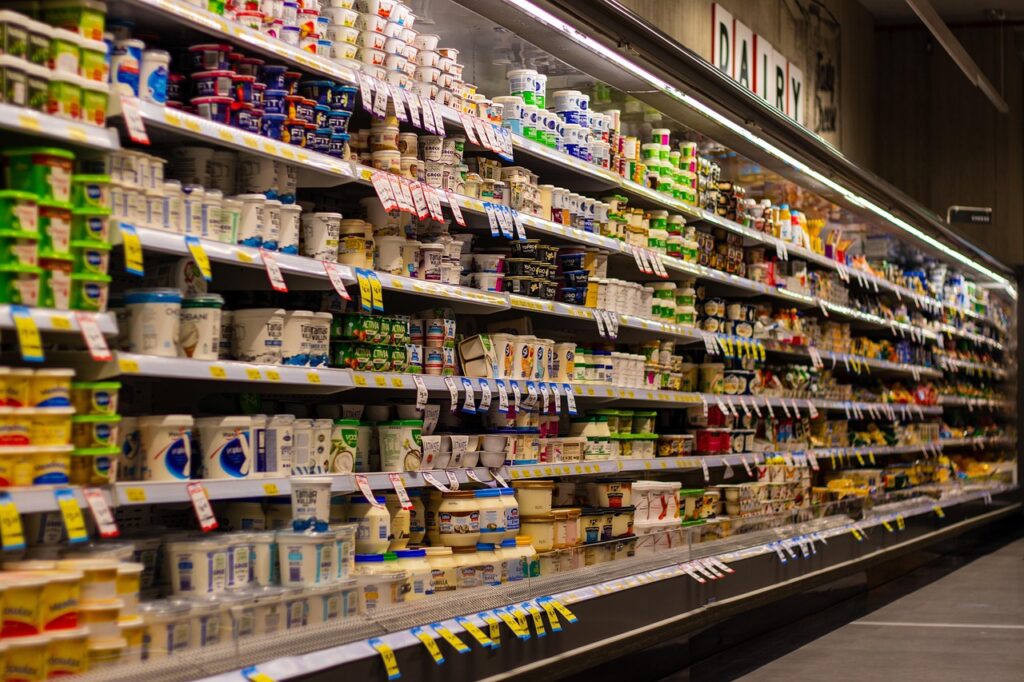
Competition within the freezer aisle has intensified as private-label desserts gain prominence. Retailers control the layout of their stores, which allows them to determine how products are displayed. This control gives store brands an advantage when it comes to shelf placement. Private label desserts can be positioned in locations that attract immediate attention. Prominent positioning encourages quick decisions. Store brands frequently appear near popular dessert categories. Strategic placement strengthens their presence in the freezer aisle. These placement strategies subtly guide shoppers toward store brand products.
National brands must therefore compete more aggressively to maintain their visibility. Promotional campaigns, discounts, and new product launches often attempt to capture shopper interest. However, limited freezer space means that not every product can remain on the shelf indefinitely. Retailers must decide which items generate the strongest sales. Strong-performing products usually retain their positions. Lower-selling items may disappear from shelves. Shelf competition becomes increasingly intense. Each brand must demonstrate strong sales performance. This constant competition keeps the freezer aisle highly dynamic.
As private-label desserts perform well, they often earn more space in the freezer section. Increased visibility can lead to higher sales, which further reinforces their presence. This cycle gradually shifts the balance between national brands and retailer-owned products. More shelf space leads to greater consumer awareness. Greater awareness encourages more purchases. Retailers monitor these trends closely. Shelf allocation, therefore, continues evolving. The process gradually strengthens the influence of private-label desserts. Retailers also analyze sales data to decide which products deserve expansion.
The Innovation Race
Innovation has become an important factor in the growth of private-label frozen desserts. Retailers are exploring new product ideas that appeal to changing consumer preferences. Plant-based frozen treats, dairy-free options, and desserts with simpler ingredient lists have started appearing within store brand portfolios. These innovations help private labels stay competitive with evolving dietary trends. Consumers increasingly look for alternatives to traditional dairy products. New ingredients create different texture and flavor experiences. Innovation keeps the category dynamic and interesting. These developments attract a broader range of shoppers.
Health awareness has also influenced product development. Some store brands now offer frozen desserts with reduced sugar, alternative sweeteners, or smaller portion sizes. These adjustments allow retailers to address a wider range of consumer needs while maintaining the indulgent appeal of dessert products. Health-conscious shoppers appreciate these alternatives. Smaller portions help manage calorie intake. Clear labeling improves product transparency. These options expand the potential customer base. Retailers continue testing these new formulas to balance indulgence with healthier ingredients.
As retailers continue experimenting with new ideas, the frozen dessert aisle becomes a space for ongoing creativity. Private label products are no longer limited to copying established brands. Instead, they increasingly introduce original flavors and concepts that contribute to the growth and diversity of the frozen dessert market. Unique recipes attract curious shoppers. Retailers differentiate their products through creative flavors. Innovation encourages customers to explore store brand offerings. This momentum continues driving the expansion of private-label desserts. The frozen aisle continues evolving as retailers compete through innovation.