You’ve Been Cooking With These 10 Rules Your Whole Life: Most of Them Are Wrong

Cooking has always been surrounded by rules that pass from kitchens to generations without much questioning, creating a sense that certain steps are non-negotiable even when they no longer serve a real purpose. Many of these ideas come from tradition, convenience, or outdated understanding rather than actual results. What makes this interesting is how often these rules are followed without knowing why, even when better methods exist. Looking closely at them reveals that good cooking is less about strict obedience and more about understanding what truly works.
1. Cooking rules are fixed
Cooking is often taught through rigid rules that are meant to simplify learning, but these rules tend to stay long after their purpose is served, creating the impression that deviation leads to failure. Many of them were built around specific tools, ingredients, or limitations.
As techniques evolve and access to information improves, many of these fixed ideas are being questioned and reworked by professionals and home cooks alike. What was once considered essential is now often optional, depending on the context and desired outcome.
Understanding the reasoning behind a rule matters far more than following it blindly. When the logic is clear, it becomes easier to adapt, adjust, and improve dishes based on real conditions.
2. Searing meat first is mandatory
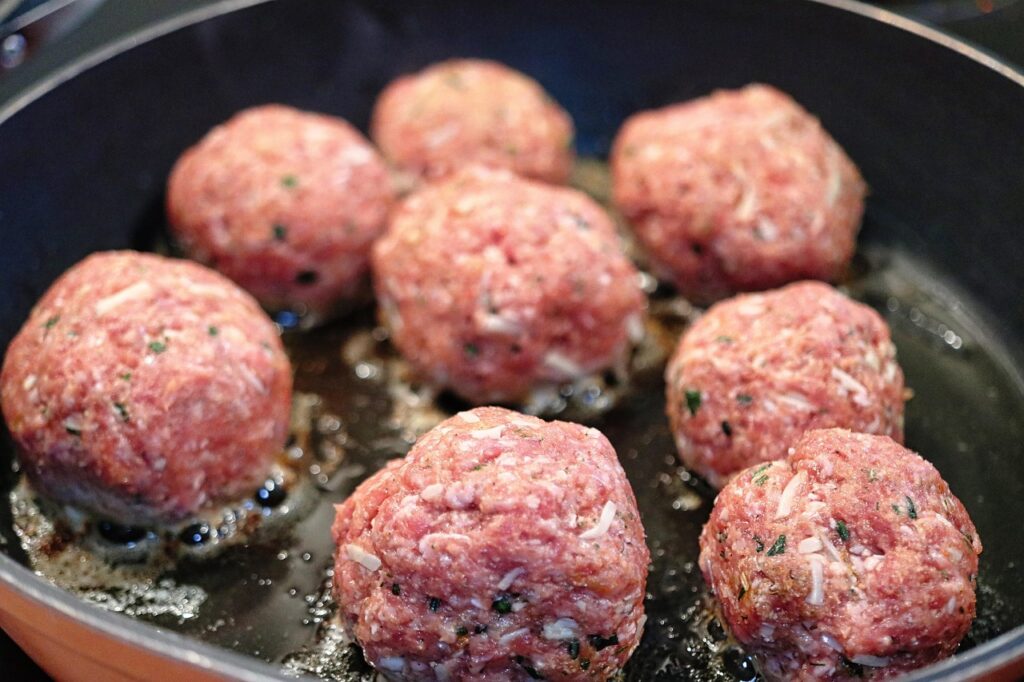
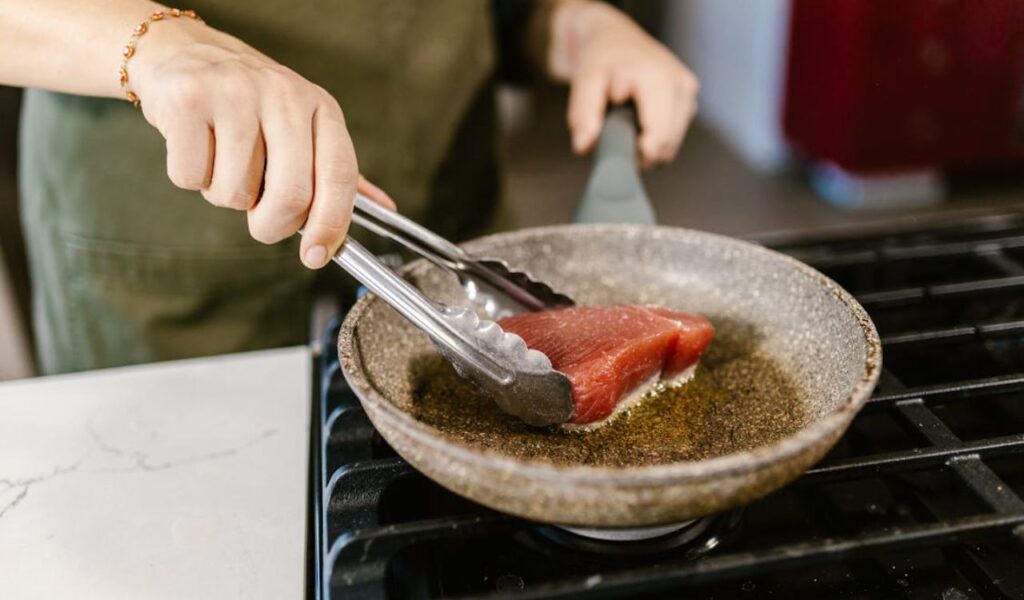
Searing has been romanticized as the golden rule of cooking meat, often presented as the step that locks in juices and guarantees flavor, but that idea has been misunderstood for years and repeated so often that it feels unquestionable. In reality, searing does not seal moisture inside the meat, and the juices can still escape during cooking.
The real purpose of searing is to create a crust through the Maillard reaction, which develops complex flavors and improves texture, but this does not mean it must always happen first or even at all.
Understanding when to sear comes down to the dish and the desired outcome rather than a fixed rule. For stews or braises, skipping the initial sear can still produce rich flavors if other elements are handled well.
3. Alcohol fully cooks off

The idea that alcohol completely evaporates during cooking is one of the most persistent myths in the kitchen, often used to justify adding wine or spirits without concern for their presence in the final dish.
Studies have shown that a significant percentage of alcohol can remain depending on cooking time, method, and surface area, meaning dishes like sauces or flambé preparations still retain measurable amounts. This becomes important not only for dietary reasons but also for understanding how alcohol contributes to flavor.
Instead of assuming alcohol disappears, it is better to treat it as an ingredient that shapes the dish in both taste and composition. Chefs often use it intentionally for depth, knowing that some presence will remain.
4. Microwave is not real cooking

The microwave has long suffered from an undeserved reputation as a shortcut or inferior method, dismissed as something separate from real cooking, yet it operates on clear scientific principles that make it one of the most efficient tools in the kitchen.
This internal heating makes the microwave particularly effective for tasks like steaming vegetables, reheating without excessive drying, or even cooking certain proteins with minimal nutrient loss.
Dismissing the microwave limits efficiency and precision in modern cooking. When used thoughtfully, it becomes a complementary tool rather than a replacement. It helps with prep, timing, and consistency in everyday cooking.
5. Roux must be traditional
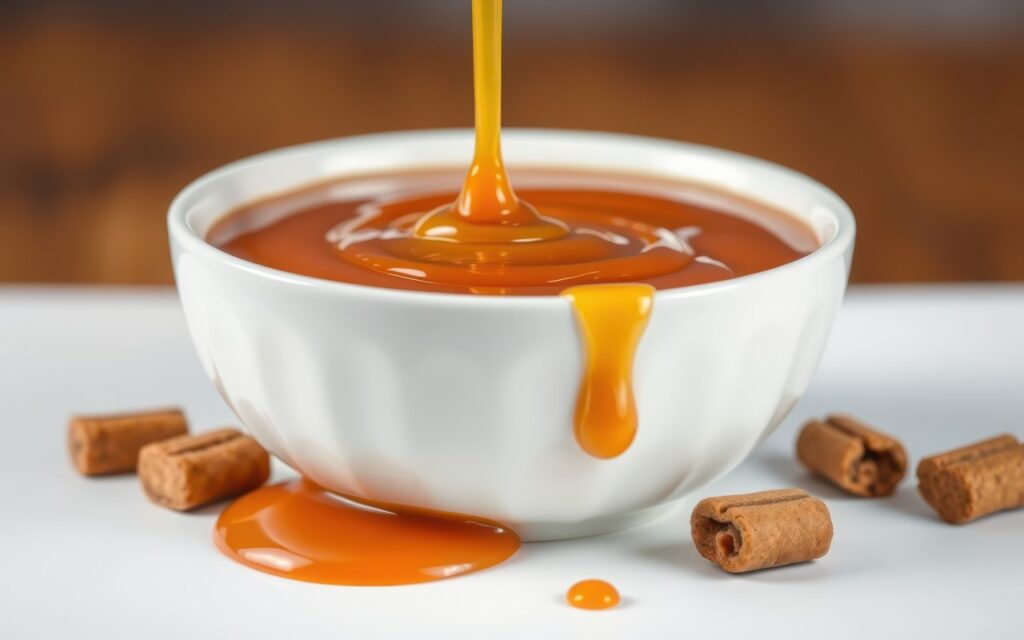
The classic method of making a roux by slowly cooking flour and fat in a separate pan is often treated as the only correct approach, rooted in tradition and widely taught as a foundational technique.
Many modern techniques allow for incorporating flour directly into dishes, using alternatives like beurre manié or slurry methods, all of which can produce similar thickening effects with less time and fewer steps. Each method offers different control over texture and flavor depending on how the starch is introduced.
Treating roux as mandatory can make cooking unnecessarily rigid. Understanding the role of starch and fat interaction allows adaptation based on context.
6. Beans must be soaked
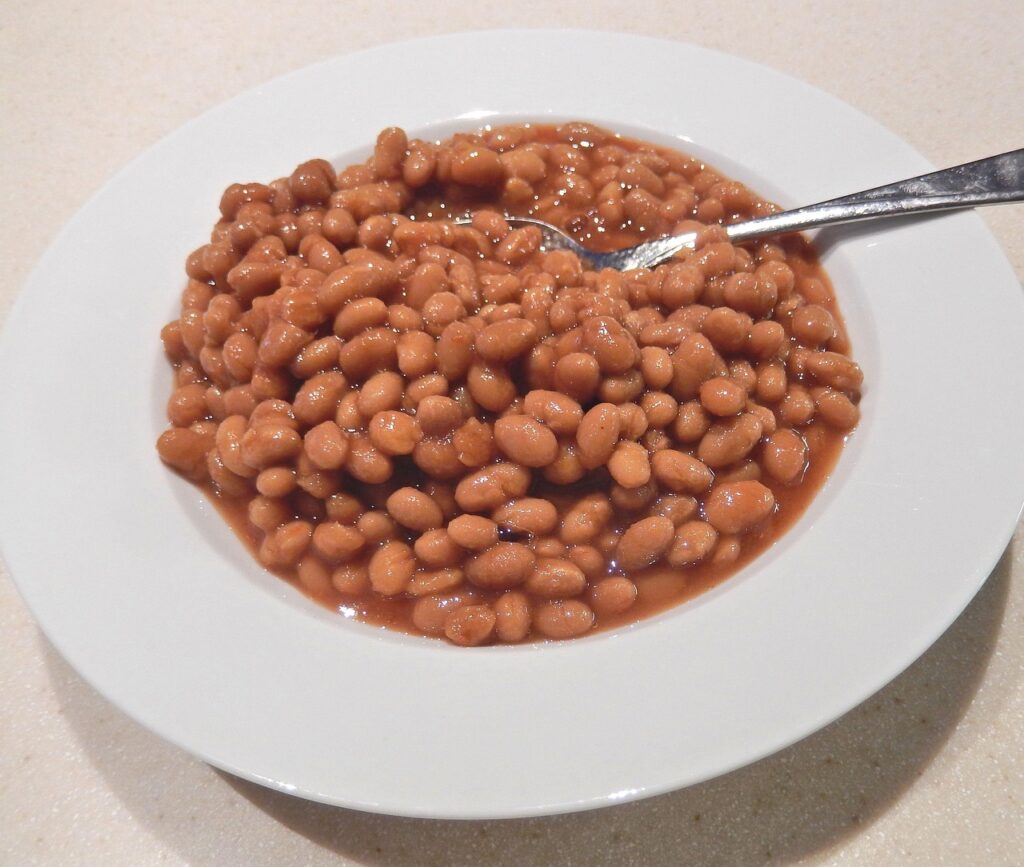
Soaking dried beans overnight is often presented as essential, framed as the only way to ensure proper cooking and digestibility, yet this step is more about efficiency than necessity. Beans can cook perfectly well without soaking, especially when given enough time and consistent heat.
The main benefit of soaking is reducing cooking time and helping beans cook more evenly, but modern cooking methods like pressure cooking have made soaking far less important. In fact, unsoaked beans can sometimes retain better flavor and texture.
If time is limited, soaking helps, but if not, beans can be cooked directly with careful monitoring. The rule is less about correctness and more about convenience.
7. Fish and cheese do not mix
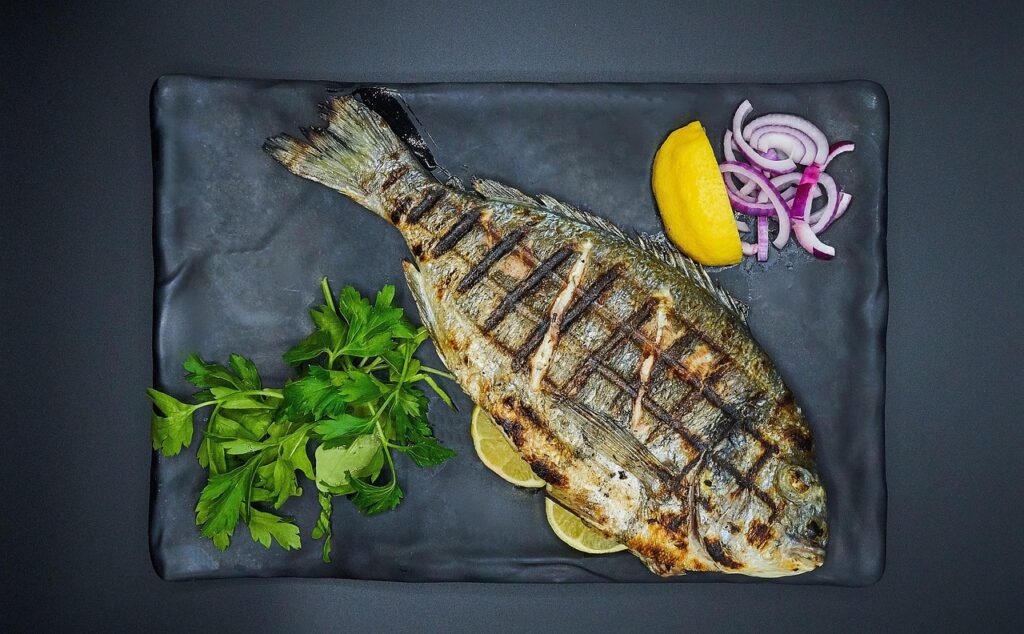
The idea that fish and cheese should never be paired is rooted more in tradition than in science, often traced back to certain culinary customs that prioritize balance and subtlety. While these traditions have their logic, they are not universal truths.
In many cuisines, fish and dairy coexist successfully, from creamy seafood dishes to preparations that rely on richness for flavor balance. The key lies in understanding flavor intensity, texture, and proportion rather than avoiding the combination entirely.
What matters is how the ingredients interact rather than whether they belong together by rule. Mild fish can pair well with soft cheeses, while stronger fish may need careful handling. Breaking this rule allows for more creative combinations.
8. Browning meat is essential
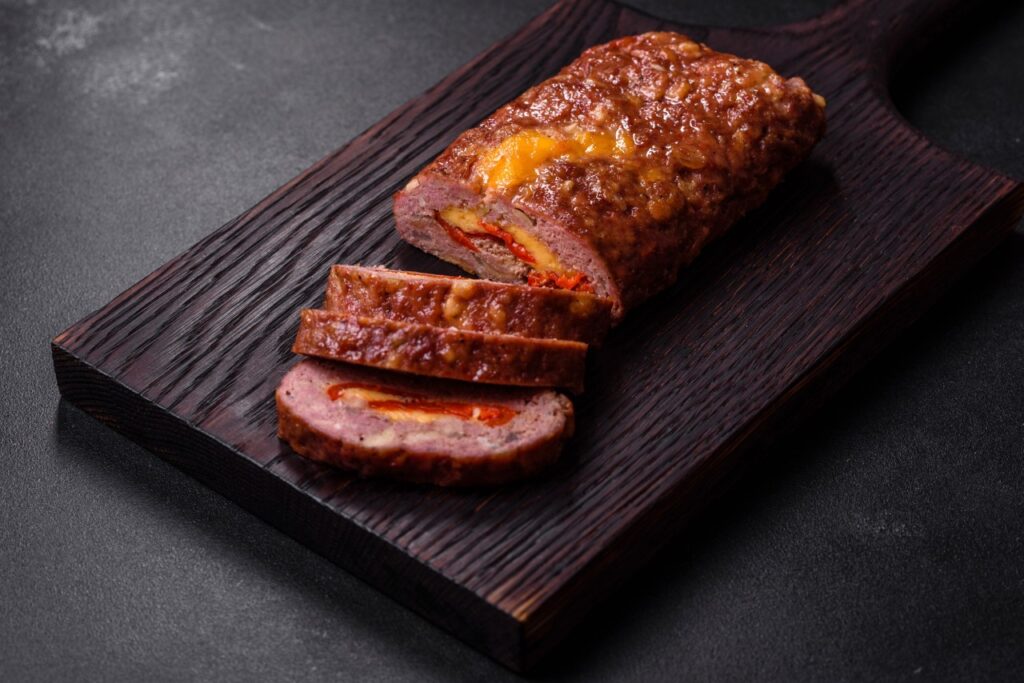
Browning meat before adding it to a stew is often treated as a non-negotiable step, believed to be essential for flavor development, but while it does enhance taste, it is not strictly required for a good result. The depth of flavor in a dish comes from multiple sources.
Slow cooking allows flavors to develop through the interaction of ingredients over time, and in some traditional recipes, meat is added directly to liquid without prior browning. This can produce a cleaner and lighter flavor profile.
Choosing whether to brown meat depends on the intended outcome. If a rich, roasted flavor is desired, browning helps, but if the goal is a more delicate broth, skipping it can be beneficial. The step becomes optional rather than mandatory.
9. Only cast iron can sear
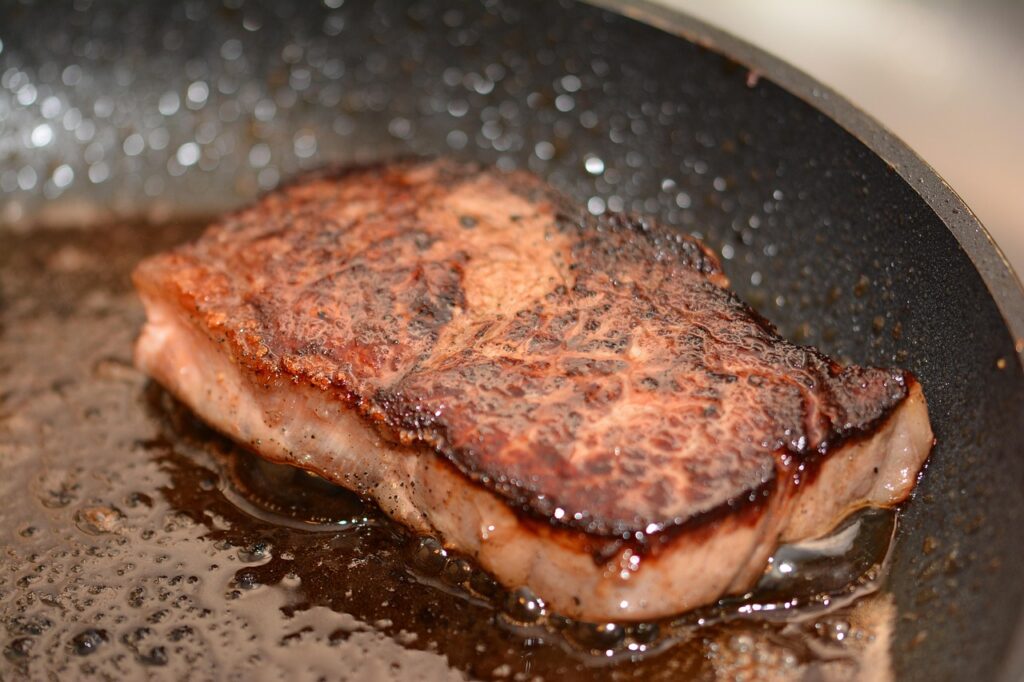
Cast-iron pans are often praised as the ultimate tool for searing, leading to the belief that other cookware cannot achieve the same result, but this overlooks the actual factors that influence a good sear. Heat retention and surface temperature matter more than the material.
Stainless steel, carbon steel, and even certain nonstick pans can produce effective searing if preheated properly and used with the right technique. The key is ensuring sufficient heat and avoiding overcrowding.
While cast iron is reliable and forgiving, it is not exclusive in its capability. Understanding heat management allows for similar results with different tools. This makes searing more accessible across kitchens.
10. No salt in desserts
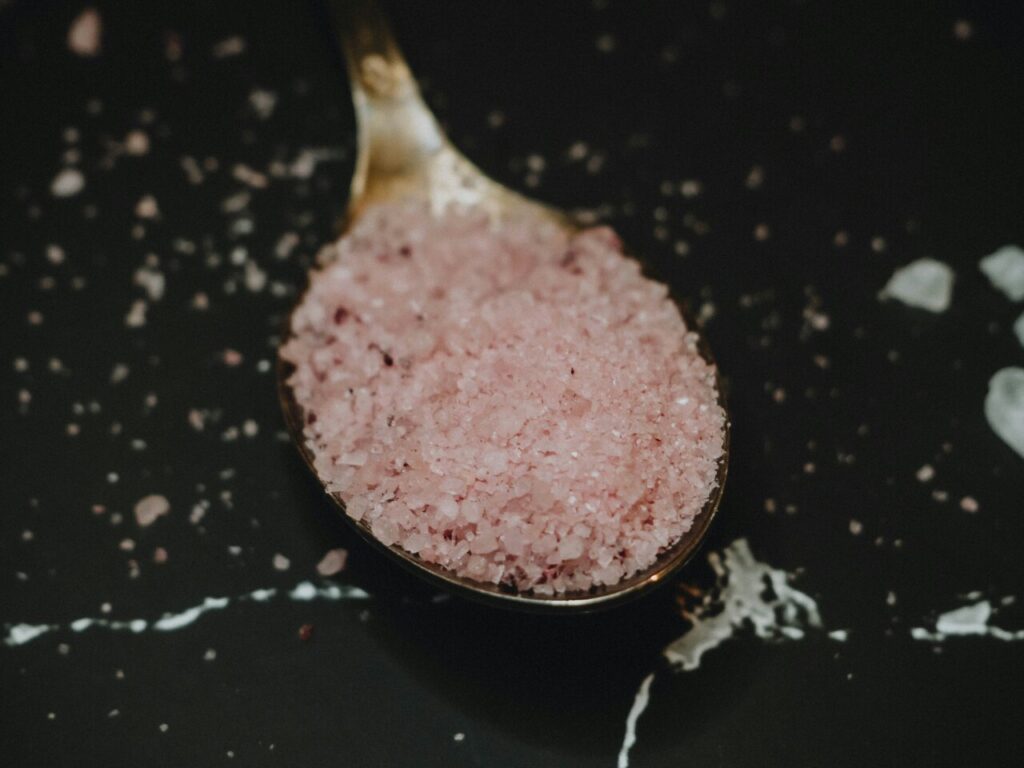
The separation of sweet and salty flavors is a common assumption, leading many to avoid adding salt to desserts, yet this ignores how flavor balance actually works. Salt enhances sweetness by suppressing bitterness and intensifying other flavor compounds.
A small amount of salt in desserts like chocolate cake, caramel, or cookies can make flavors more pronounced and complex without making the dish taste salty. This is why many professional recipes include salt as a standard ingredient.
Rather than being opposites, salt and sugar work together to create balance. Understanding this interaction allows for more nuanced cooking, where flavors are layered instead of isolated, resulting in desserts that taste fuller and more satisfying.