The 10 School Cafeteria Classics That Got Quietly Replaced (and What’s On the Tray Now)


School cafeteria food has always been more than a midday meal. It’s tied to routine, shared tables, and the small comforts students look forward to. Certain dishes became familiar not because they were perfect, but because they were always there.
Over time, those favorites began to change. Driven by updated nutrition guidelines, cafeterias replaced many classics with lighter, more balanced options designed to support healthier habits.
The transition has been subtle but noticeable. While new choices aim to improve nutrition, they also reshape what school lunch feels like. These swaps reflect shifting priorities, leaving a mix of nostalgia and adjustment on today’s trays.
1. Square Pizza Slices

Few cafeteria memories are as familiar as the thick, square slice of pizza on a tray. It was easy to portion, fill, and make for large-scale prep. The crust was soft, the cheese generous, and the flavor consistent enough to please most students.
Over time, nutrition standards reshaped how pizza is served in schools. Many cafeterias now use whole wheat crusts or thinner flatbreads to increase fiber and reduce refined grains. Cheese portions are controlled, and vegetable toppings are encouraged.
These changes aim to create a more balanced meal but also alter the experience. The texture is lighter, the richness reduced, and portions feel different. While improved nutritionally, the updated version often feels less indulgent than the original.
2. Chicken Nuggets

Fried chicken nuggets were long a reliable favorite on school trays. Their crisp coating and uniform shape made them easy to serve and widely accepted. They were built for convenience in both preparation and eating.
To meet updated guidelines, many schools now serve baked chicken bites. These versions reduce oil and fat while maintaining portion control. The goal is to provide protein in a healthier form.
The biggest change is in texture. Baking creates a softer coating compared to frying, which affects how the food is experienced. While nutrition improves, the familiar crunch and richness of classic nuggets are often reduced.
3. French Fries

French fries once held a central place on the cafeteria tray, known for their crisp texture and salty flavor. They were simple, familiar, and widely appealing. Their popularity was tied to both taste and habit.
Today, many schools replace fries with sweet potato fries or roasted vegetables. These options provide more fiber and nutrients while reducing deep frying. Most are prepared by baking instead of frying.
This shift improves nutrition but changes the experience. Sweet potato fries have a different flavor, and roasted vegetables are softer. While healthier, these alternatives may not fully match the appeal of classic fries.
4. Chocolate Milk

Chocolate milk was once a small highlight of school meals, adding sweetness and familiarity. It helped increase milk consumption, supporting calcium intake. Its flavor made it more appealing than plain milk.
As sugar concerns grew, schools introduced low-fat or reduced sugar versions. Some cafeterias now limit flavored milk entirely, focusing on plain options to meet guidelines. These changes aim to reduce sugar intake.
While beneficial, the shift affects preference. Reduced sweetness can make milk less appealing, especially for students used to flavored options. Balancing nutrition with acceptance remains a challenge.
5. Sloppy Joes
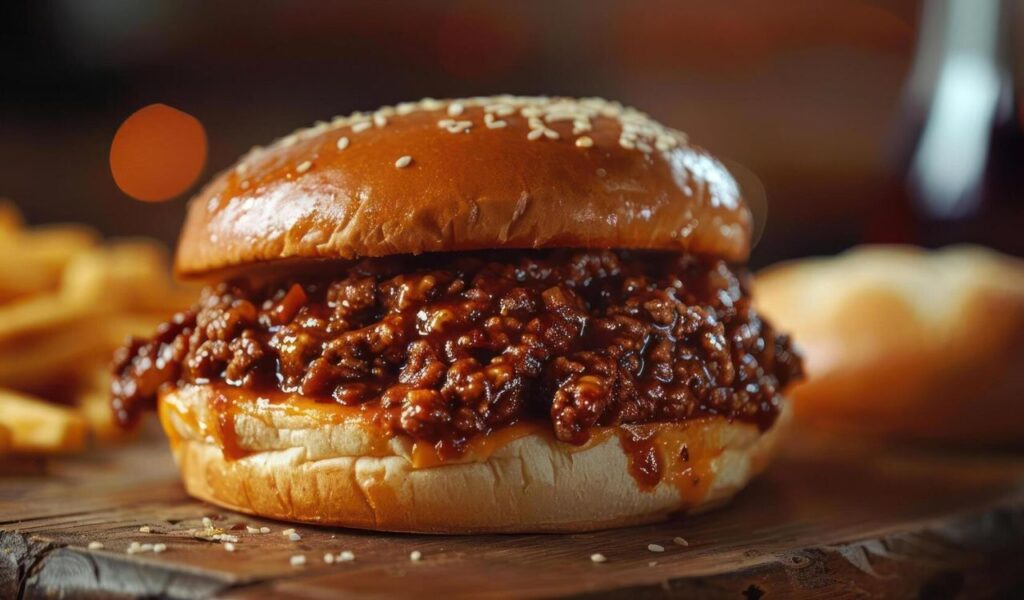
Sloppy Joes stood out for their bold flavor and messy appeal. Ground meat in a tangy sauce, served on a bun, created a meal that felt different from standard sandwiches. It was memorable, even if not always easy to eat neatly.
Modern cafeterias often replace this dish with lean turkey sandwiches or wraps. These options reduce fat and sodium while offering a more controlled portion of protein. They are easier to prepare in large quantities and simpler to serve.
The tradeoff lies in flavor and experience. Lean turkey versions are milder and less distinctive, lacking the saucy texture that defined the original. While they meet nutritional goals, they often feel less exciting to students used to stronger flavors.
6. Mac and Cheese

Mac and cheese has long been associated with comfort and familiarity. Its creamy texture and mild flavor made it widely accepted, especially among younger students. It was filling and easy to prepare in bulk.
To improve nutritional value, many schools now serve whole-grain pasta with lighter cheese or tomato-based sauces. These changes increase fiber and reduce saturated fat, aligning with updated dietary standards.
The result is a noticeable shift in taste and texture. Whole-grain pasta is denser, and lighter sauces reduce the richness of the dish. While healthier, the updated version often lacks the creamy consistency that made mac and cheese so appealing.
7. Ice Cream Cups

Ice cream cups once offered a simple and enjoyable end to a school meal. They were portion-controlled, easy to serve, and provided a sense of reward after lunch. Their appeal was largely tied to sweetness and familiarity.
Today, many cafeterias offer yogurt or fresh fruit instead. These options provide nutrients such as calcium, fiber, and vitamins while reducing added sugars. They are designed to support healthier eating habits.
Although beneficial, the change alters the perception of dessert. Yogurt and fruit are less indulgent, which can make them feel less like a treat. The focus shifts from enjoyment to nutrition, reflecting broader changes in school meal priorities.
8. White Bread Sandwiches

White bread sandwiches were once a standard part of school meals, valued for their soft texture and neutral taste. They paired easily with a variety of fillings and were widely accepted by students.
Current guidelines encourage the use of whole-grain bread to increase fiber and improve overall nutrition. These breads have a denser texture and a slightly stronger flavor, reflecting their less processed composition.
The transition can take time for students to adjust to. While whole-grain options offer clear health benefits, they change the eating experience. The softer, more familiar texture of white bread is replaced with something more substantial and less neutral.
9. Sugary Cereals

Sugary cereals once brought color and excitement to school breakfasts. Their bright appearance and sweet taste made them appealing, especially to younger students. They were easy to serve and required minimal preparation.
In response to nutritional concerns, schools now provide low-sugar or fortified cereals. These options focus on delivering essential nutrients while limiting added sugars. They are designed to support sustained energy throughout the day.
This change improves health outcomes but reduces the novelty factor. Without bright colors and strong sweetness, the cereals may feel less engaging. The emphasis shifts from entertainment to nourishment, reflecting a more practical approach to school meals.
10. Pudding Cups

Pudding cups were once a familiar dessert, offering a smooth texture and sweet flavor in a convenient serving. They required no preparation and were easy to include in large meal programs.
Many schools have replaced them with applesauce or fresh fruit to reduce added sugars and increase nutrient intake. These options provide natural sweetness along with vitamins and fiber.
The difference lies in both texture and perception. Fruit-based options feel lighter and more natural, but they may not satisfy the same craving for a dessert like pudding. The shift reflects a broader move toward whole foods over processed treats.