Boomers Keep Bringing These 8 Dishes to Potlucks and Younger Guests Keep Finding Excuses Not to Take Any

Potlucks have always been about more than just food. They reflect habits, memories, and the dishes people trust to bring to a shared table. For many, certain recipes have become automatic choices, carried from one gathering to the next without much thought.
But as tastes shift, so do expectations. What once felt comforting and familiar can now seem heavy, overly sweet, or simply out of place among newer, lighter options that younger guests tend to prefer.
This quiet contrast creates an interesting dynamic at the table. The dishes still arrive, just as they always have, but the reactions around them are changing. What was once a guaranteed favorite now often sits untouched, revealing how quickly food preferences can evolve.
1. Jell-O Salad

Few dishes stand out at a potluck quite like Jell-O salad. Its bright colors and molded shape make it instantly noticeable, often filled with fruit, nuts, or even vegetables set in gelatin. For many older hosts, it reflects effort, creativity, and a tradition carried over decades.
The dish became popular in the mid 20th century when convenience foods were widely embraced. Gelatin allowed cooks to create visually appealing dishes with little effort, making it ideal for gatherings where presentation mattered.
Younger guests often struggle with the texture and flavor pairing. The mix of sweet gelatin with unexpected add-ins can feel unfamiliar. While it carries nostalgia for some, others quietly skip it for more familiar options.
2. Tuna Casserole
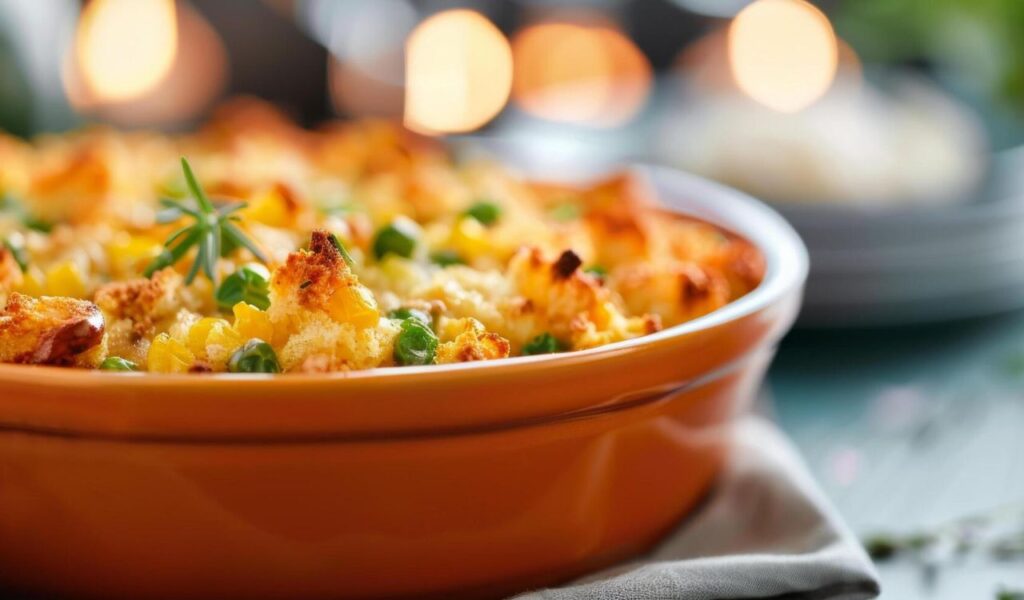
There is something undeniably practical about tuna casserole. It brings together pantry staples like canned tuna, pasta, and a creamy sauce into a dish that feeds a crowd without much effort. For years, it was a reliable solution for both family dinners and potlucks.
Its rise was tied to affordability and convenience, especially when households relied on shelf-stable ingredients. It offered protein and comfort in one dish, often topped with crunchy elements to add texture.
Today, the strong aroma and soft consistency can be a challenge for younger diners. Preferences have shifted toward fresher, lighter meals with more defined textures. As a result, this once dependable classic is often passed over without much discussion.
3. Ambrosia Salad
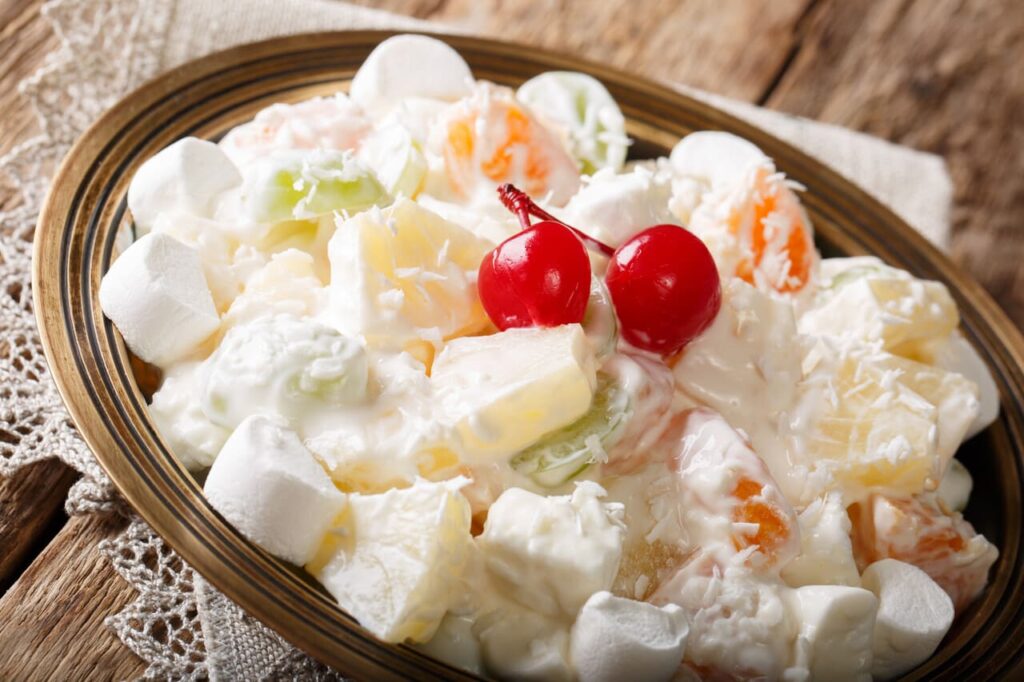
Ambrosia salad leans heavily into sweetness, combining fruit, marshmallows, and whipped topping into a soft, creamy mixture. It has long been associated with celebrations, where its dessert-like quality made it feel festive and indulgent.
The dish gained popularity when canned fruits and packaged toppings became widely available. It was easy to assemble, required no cooking, and could be prepared in advance, making it ideal for gatherings.
For younger guests, the sweetness can feel excessive, especially when served alongside other rich foods. Its texture and flavor blur the line between side dish and dessert, which can make it harder to place on a plate. Many simply choose lighter options instead.
4. Deviled Eggs
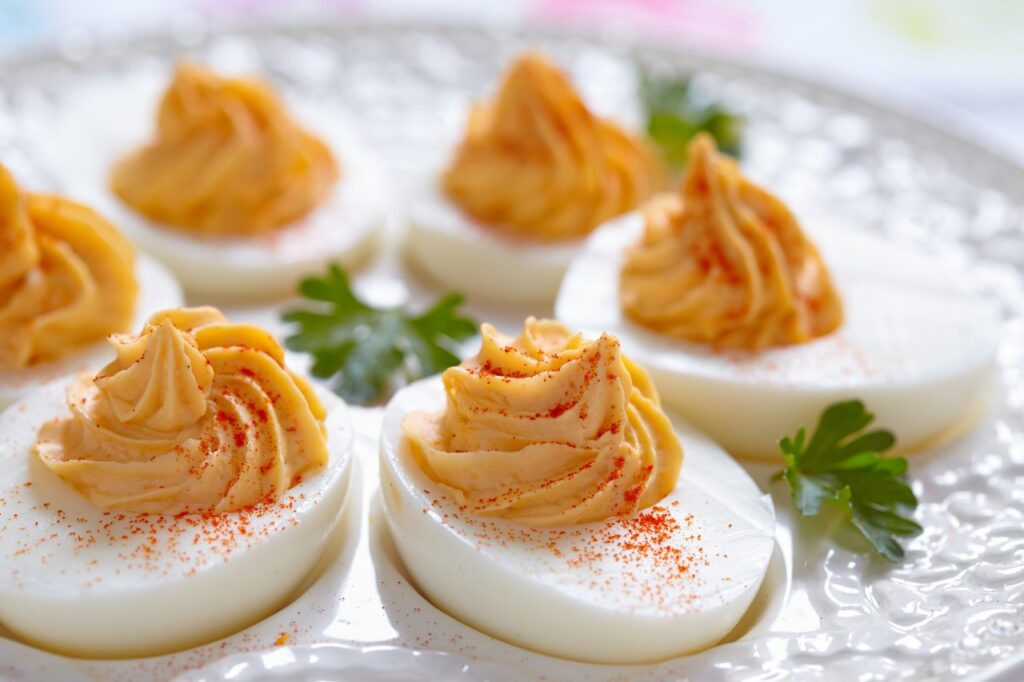
Deviled eggs are a classic example of simple ingredients done well. Hard-boiled eggs are filled with a creamy, seasoned yolk mixture, creating a bite-sized dish that is easy to serve and share. They have long been a staple at gatherings for their practicality.
Their appeal comes from familiarity and ease. They require basic ingredients, can be made in large batches, and fit neatly into any spread of food. For many, they are a reliable and expected presence at potlucks.
Younger guests, however, may hesitate due to concerns about freshness or food safety when dishes sit out for long periods. While still appreciated, they are often approached with caution, leading some to skip them altogether.
5. Meatloaf Slices
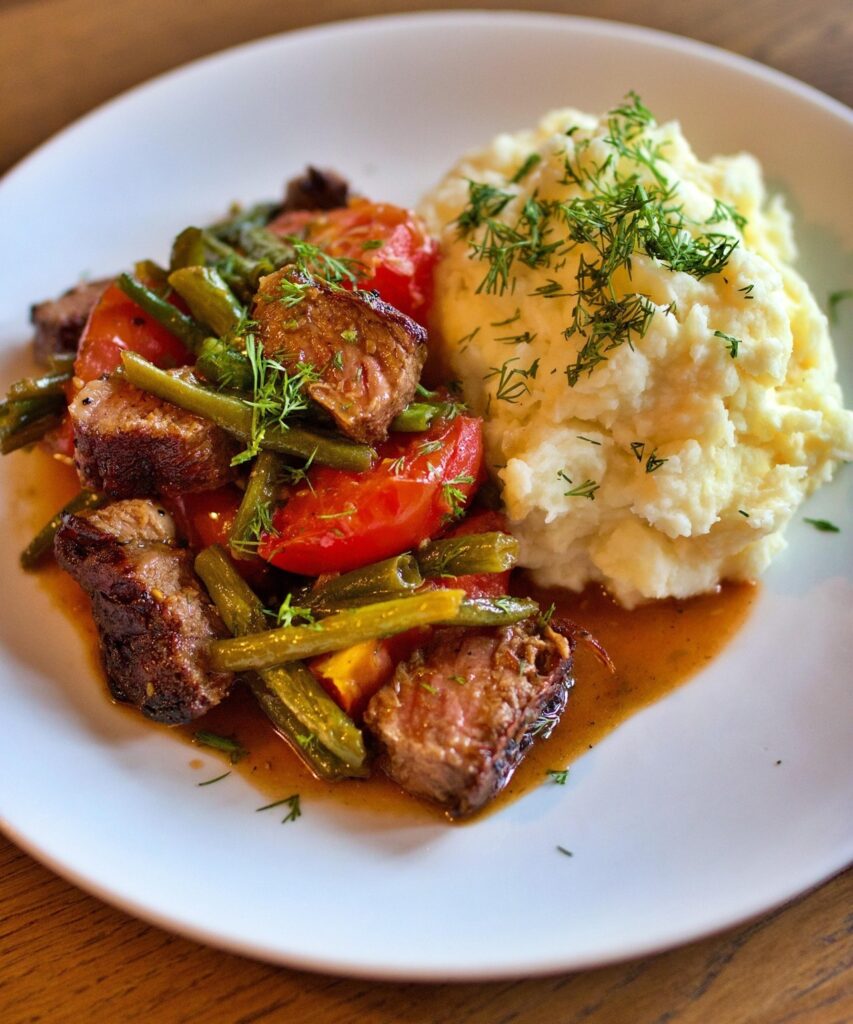
Meatloaf reflects a straightforward approach to cooking, turning ground meat and simple ingredients into a filling, sliceable dish. It was designed to stretch ingredients while still providing a hearty meal, making it a practical choice for feeding groups.
At potlucks, it offers convenience in serving and familiarity in flavor. It can be prepared ahead of time and portioned easily, which makes it a dependable option for hosts bringing something substantial.
However, served cold or reheated, it can feel dense and heavy compared to other dishes. Younger diners often look for lighter, more vibrant options, which makes meatloaf less appealing despite its long-standing presence on shared tables.
6. Seven-Layer Salad
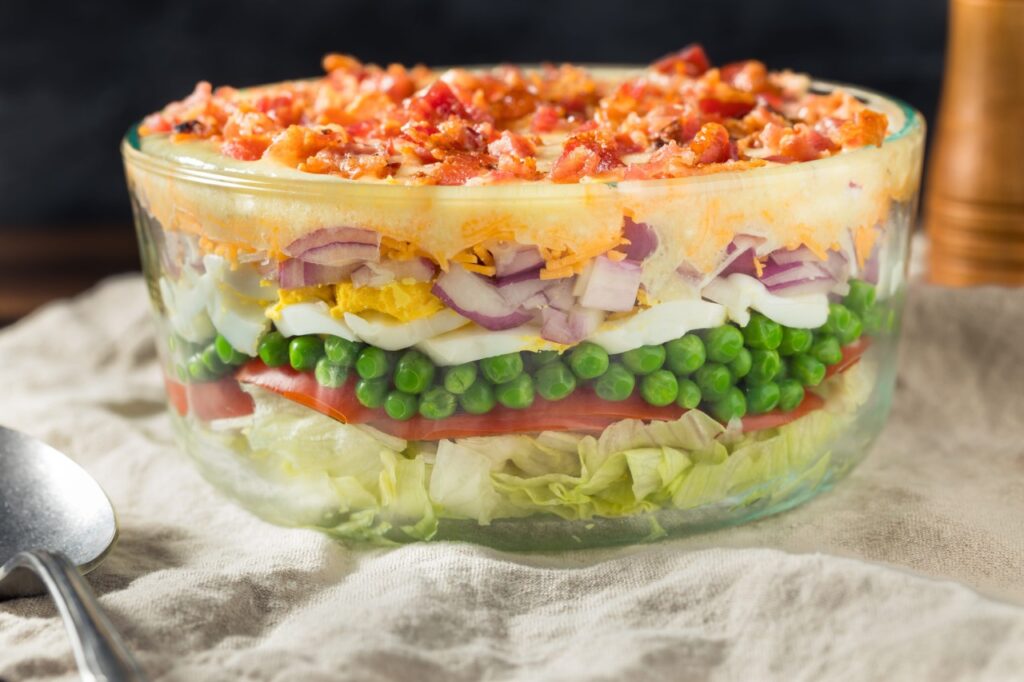
The seven-layer salad is as much about presentation as it is about taste. Carefully arranged layers of lettuce, vegetables, cheese, and dressing create a dish that looks structured and abundant. It was designed to impress while feeding a large group.
Its popularity grew when layered dishes became a way to showcase variety in a single bowl. The use of mayonnaise-based dressing helped preserve the layers and added richness to the overall flavor.
For younger guests, the heaviness of the dressing and the dense layering can feel overwhelming. Modern preferences often lean toward lighter salads with fresh, mixed ingredients. As a result, this visually striking dish is sometimes admired more than it is eaten.
7. Spam Dishes

Spam-based dishes reflect a time when shelf-stable foods were essential in many kitchens. Whether fried, baked, or mixed into casseroles, Spam offered a reliable source of protein that was easy to store and prepare. It became a practical choice for large gatherings.
Its use in potluck dishes often highlights creativity with limited ingredients. Recipes were built around making the most of what was available, resulting in meals that were both filling and convenient.
Today, the processed nature and distinct flavor of Spam can make it less appealing to younger diners. With greater access to fresh ingredients, preferences have shifted, and these dishes are often overlooked in favor of lighter, less processed options.
8. Cottage Cheese with Fruit

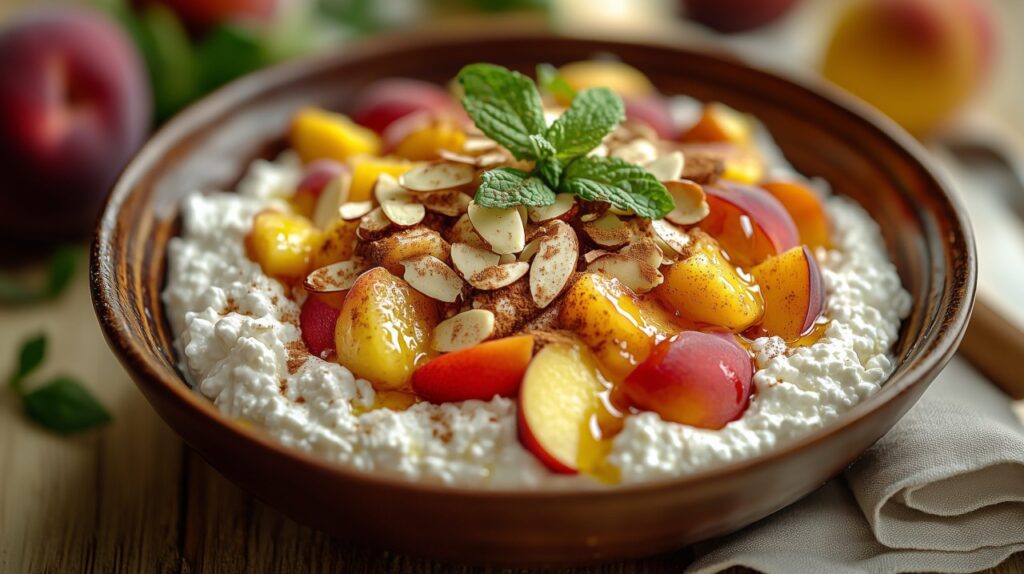
Cottage cheese with fruit was once seen as a balanced and refreshing addition to the potluck table. It combines protein-rich cheese with the sweetness of fruit, creating a dish that feels both light and nutritious.
Its appeal was tied to simplicity and health consciousness. It required little preparation and offered a contrast to heavier, richer dishes typically found at gatherings. For many, it represented a mindful choice.
However, its mild flavor and unique texture can feel underwhelming to younger guests. Compared to more flavorful or visually appealing dishes, it often goes unnoticed. While still practical, it no longer draws the same level of interest it once did.