Bought It for One Recipe, Never Opened It Again: 10 Ingredients Every Kitchen Is Hiding

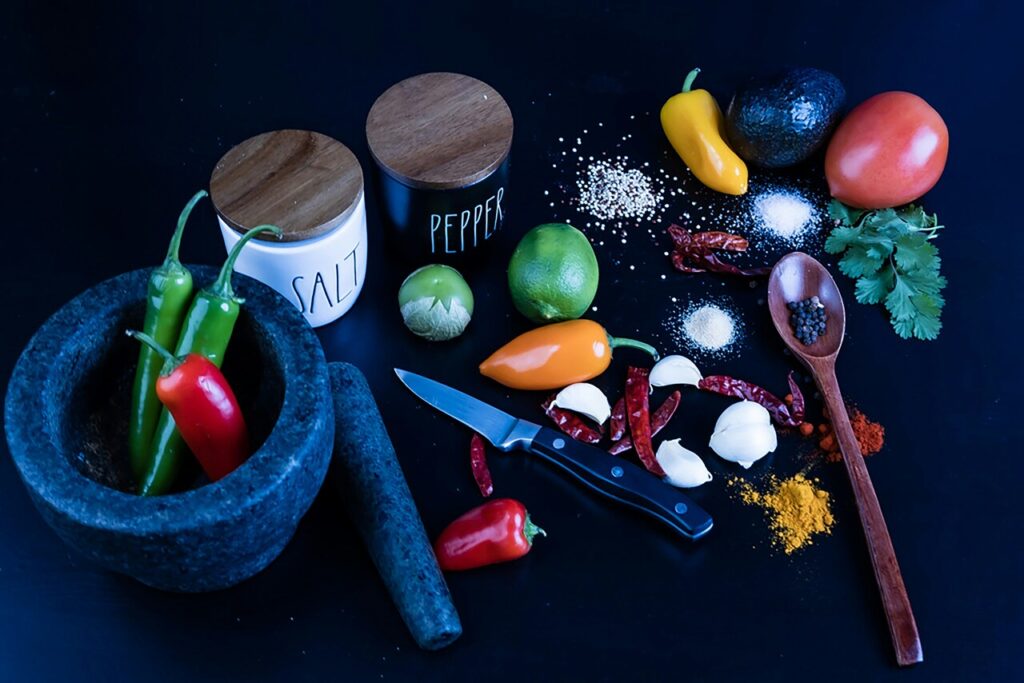
Many kitchens hold a collection of ingredients that were once bought with a clear purpose but slowly faded into the background after a single use. These are not bad purchases but misunderstood ones, often tied to unfamiliar flavors or limited usage ideas at the time. What makes them interesting is how useful they actually are when used correctly, yet they remain untouched simply because they never became part of regular cooking habits. Looking closer at them reveals how easily great ingredients can be overlooked.
1. Fish Sauce Lingers Unused
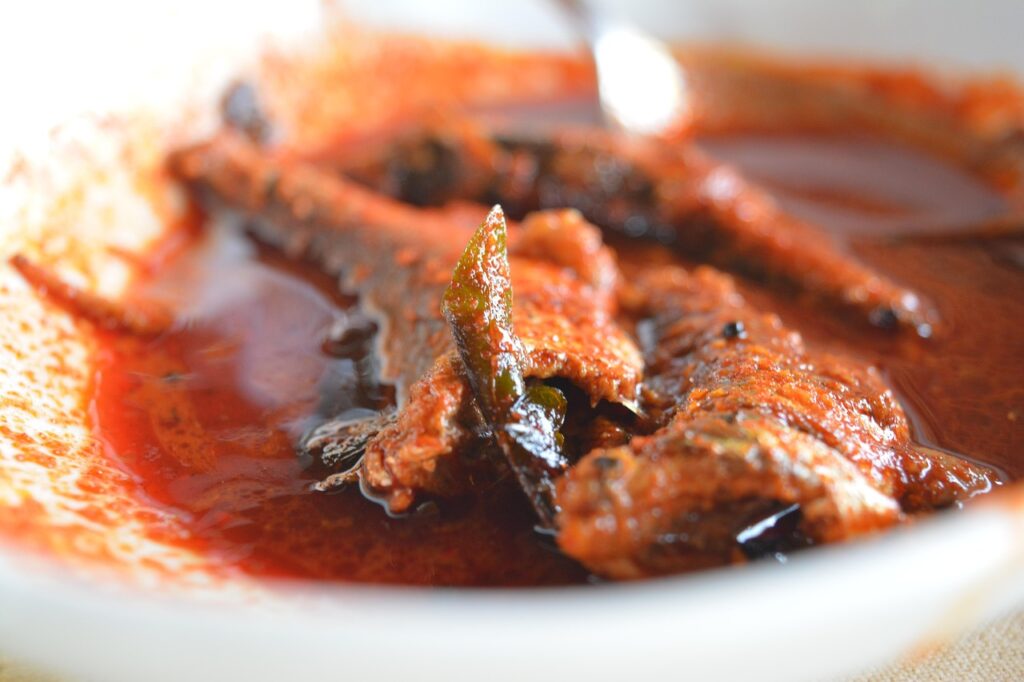
A small bottle tucked behind other condiments often holds one of the most powerful flavor boosters in the kitchen, yet fish sauce is frequently bought for a single recipe and then ignored. Its strong aroma can feel intimidating at first, which discourages regular use.
Despite its smell, fish sauce delivers deep umami and saltiness that enhances a wide range of dishes beyond traditional Asian cooking. Just a few drops can elevate soups, stir fries, marinades, and even sauces without making the dish taste fishy.
The hesitation usually comes from unfamiliarity rather than limitation. Once understood, it becomes a versatile ingredient, but until then, it often remains unopened after its first use.
2. Anchovies Stay Forgotten
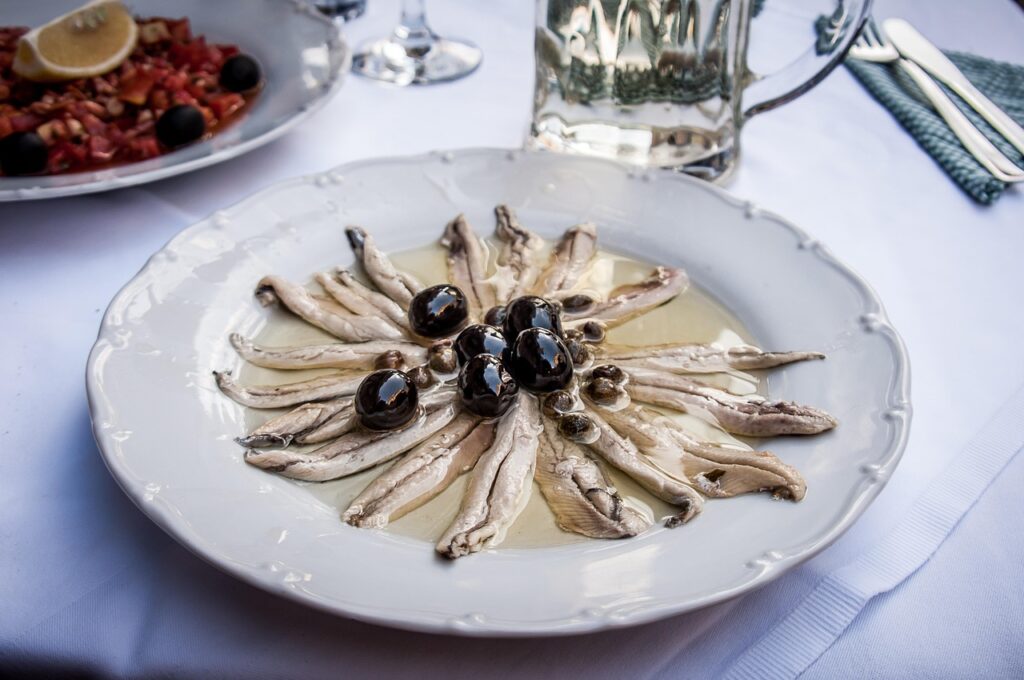
A small tin of anchovies often carries a reputation that overshadows its actual usefulness, leading many to buy it once and never return to it. The strong flavor can feel overwhelming when thought of on its own.
In reality, anchovies dissolve easily into dishes, adding depth rather than a distinct fish taste. They are a key component in sauces like Caesar dressing and can enhance pasta, vegetables, and meats by building a richer base flavor.
Because their role is subtle, their value is often underestimated. This misunderstanding leaves them sitting unused, even though they can transform everyday cooking.
3. Miso Paste Gets Overlooked
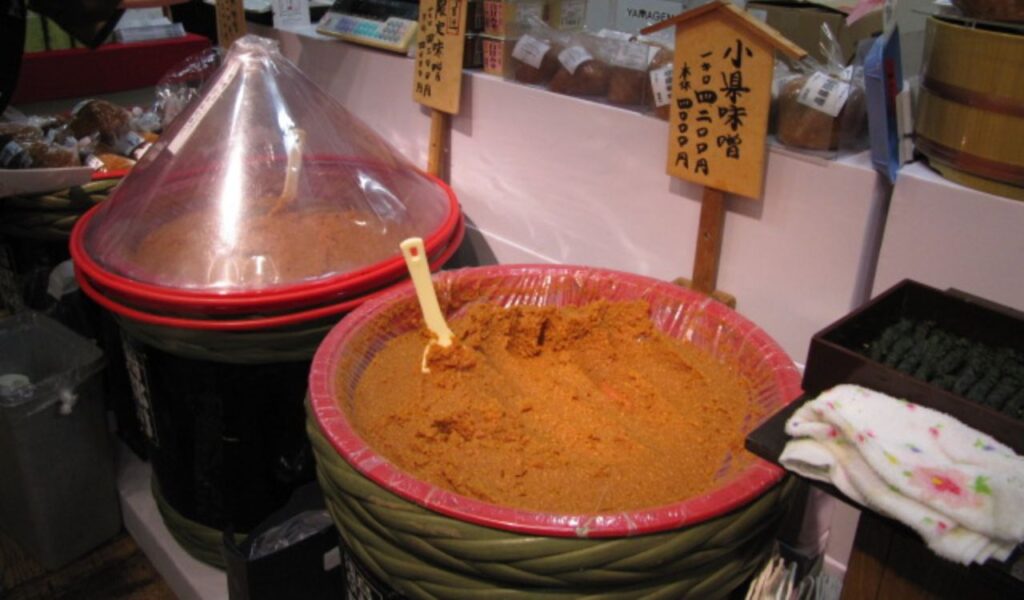
Miso paste usually enters the kitchen with the intention of making soup, but it rarely becomes part of regular cooking beyond that. Its unique taste and unfamiliar texture can make it feel limited in use. It is often stored away after just one attempt.
This fermented ingredient is rich in umami and can be used in marinades, dressings, and even baking. It adds complexity and depth, especially when combined with ingredients like butter, honey, or soy sauce.
The challenge lies in knowing how to use it beyond its most common application. Without that understanding, it often stays in the fridge far longer than expected. This lack of familiarity limits its everyday use. A small amount can go a long way when used correctly.
4. Capers Sit In the Fridge
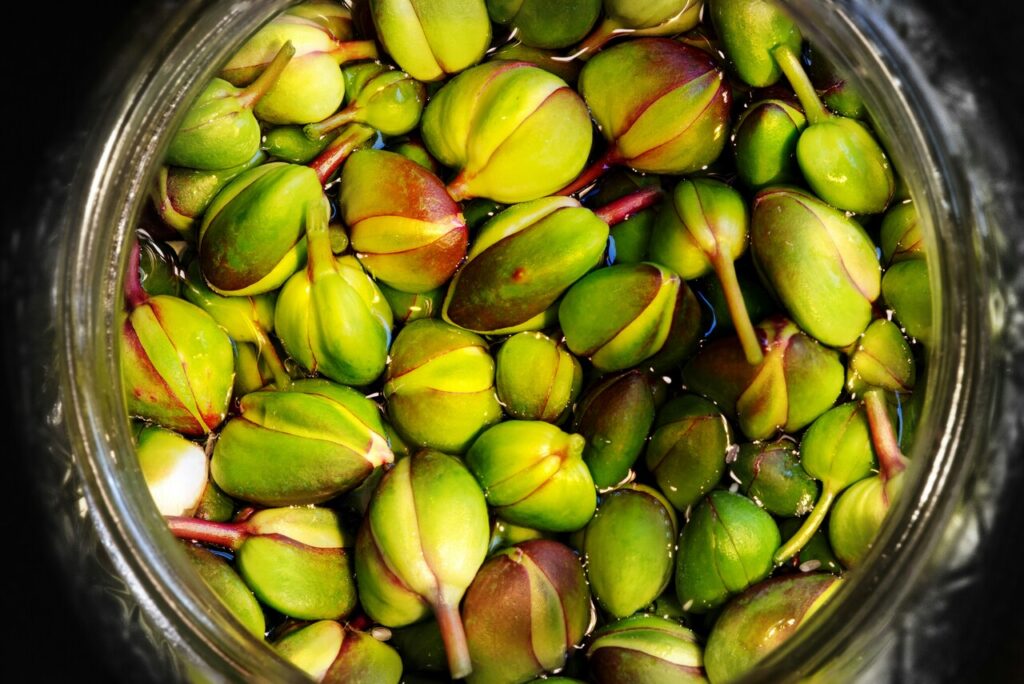
A jar of capers often remains half-used after a single dish, mainly because their sharp and briny flavor feels too specific. They are usually associated with a narrow range of recipes. This makes them easy to forget between uses. They often stay hidden behind other condiments.
Capers can add brightness and contrast to rich dishes, working well in pasta, salads, and sauces. Their acidity helps balance heavier flavors, making them more versatile than they seem. They can be used in small amounts to great effect. Even a spoonful can change the overall taste of a dish.
Because they are used in small amounts, they tend to last a long time, which contributes to them being forgotten. Their potential is often overlooked due to limited familiarity.
5. Worcestershire sauce is rarely revisited
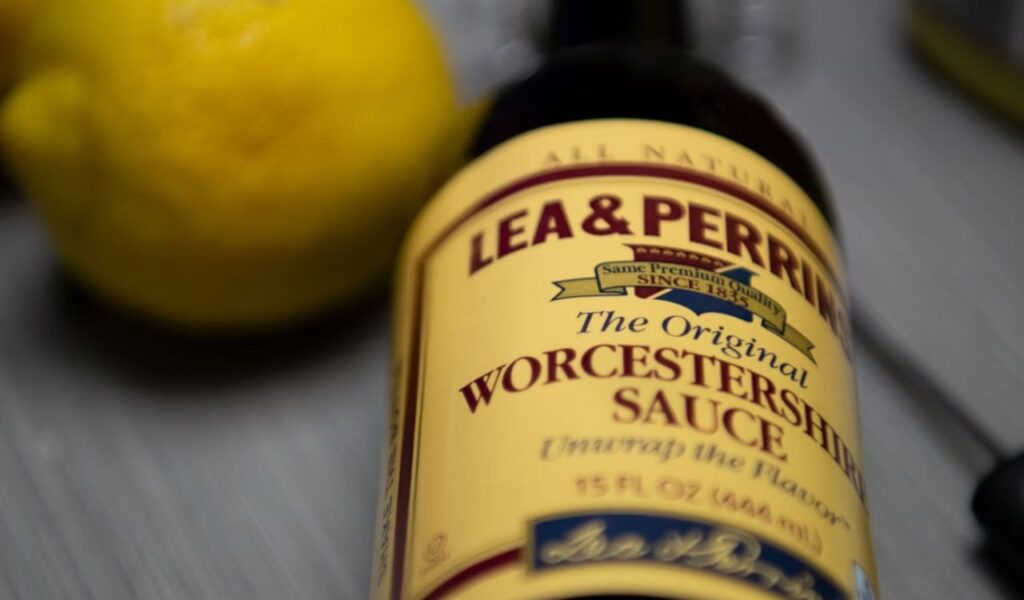
Worcestershire sauce is commonly purchased for a specific recipe, such as marinades or certain classic dishes, and then left unused for long periods. Its complex flavor can make it difficult to place in everyday cooking. It often feels too specific for frequent use. Many are unsure where to use it next.
Made from a blend of ingredients including vinegar, molasses, and anchovies, it offers a balance of sweet, tangy, and savory notes. It works well in sauces, soups, and even simple dishes that need added depth.
The issue is not its usefulness but its identity, as many are unsure where it fits beyond a few recipes. This uncertainty often leads to it being overlooked. As a result, it remains unused for long periods.
6. Molasses Stays Untouched
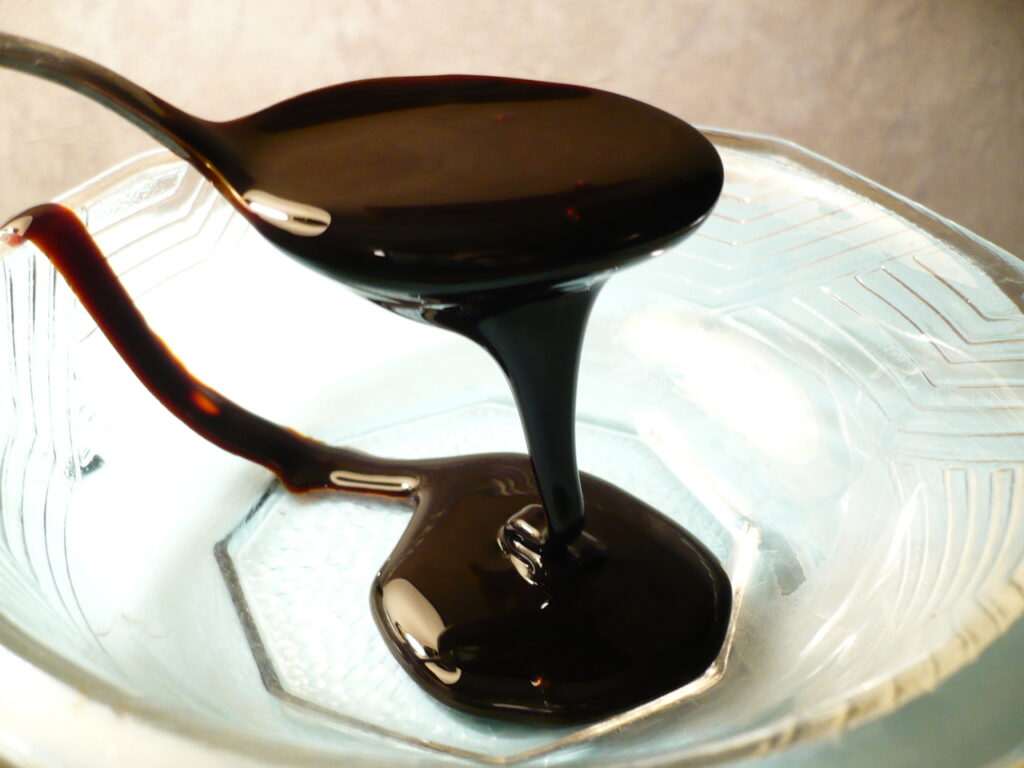
Molasses is often bought for baking projects and then forgotten once the recipe is complete. Its thick texture and strong flavor can make it seem limited to specific uses. It is usually associated with seasonal recipes.
It adds moisture, color, and a deep sweetness to baked goods, but it can also be used in savory dishes like marinades and sauces. Its richness makes it a powerful ingredient when used in small amounts. It pairs well with spices and roasted flavors. Its depth can balance both sweet and savory dishes.
Because it is not part of everyday cooking habits, it tends to remain unused. Its versatility is often hidden behind its association with baking. This leads to it being overlooked in regular meals.
7. Sesame Oil Is Used Once
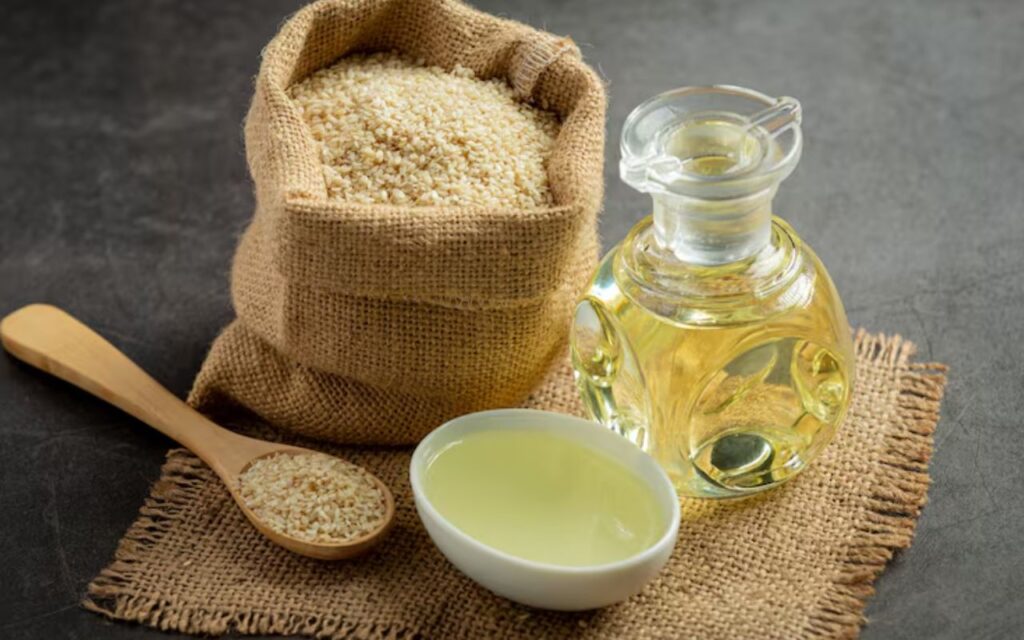
Sesame oil is known for its strong aroma and distinct flavor, which can make it feel like a specialty ingredient rather than a regular staple. It is often bought for a single dish and then set aside. Its intensity can make people hesitant to use it often.
A small amount can transform dishes by adding nuttiness and depth, especially in stir-fries, noodles, and dressings. It is typically used as a finishing oil rather than for cooking, which extends its shelf life. Its flavor stands out even in small quantities.
The key is using it sparingly, but without regular use, it becomes easy to forget. Its intensity makes it both valuable and underused. This balance often leads to hesitation.
8. Smoked Paprika Gathers Dust
Smoked paprika is often purchased to add a specific flavor to a recipe, but it is not always used beyond that initial purpose. Its distinct smoky taste can feel tied to certain cuisines. This limits how often it is reached for. It is often reserved for special dishes.
This spice can enhance meats, vegetables, and even soups by adding depth without requiring complex preparation. It provides a quick way to introduce a layered flavor profile. It can also be used as a finishing touch. Its impact is noticeable even in small amounts.
Because it is not always included in everyday seasoning routines, it tends to be overlooked. Its impact is strong, but its usage remains limited. This makes it easy to forget in the spice rack.
9. Bouillon And Stock Concentrates Are Ignored
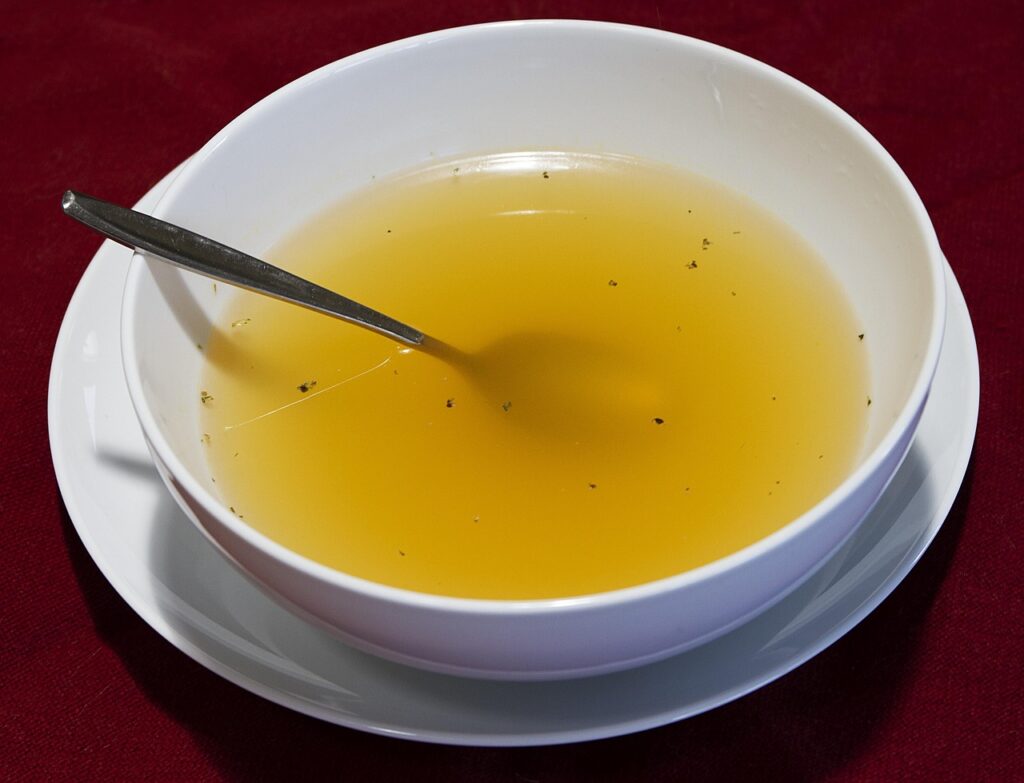
Bouillon cubes or stock concentrates are commonly bought for soups or broths, yet they often sit unused once the initial need passes. They are seen as situational rather than essential. This perception limits their regular use. They are often stored for later use.
These products provide concentrated flavor that can be added to a variety of dishes, including rice, sauces, and stews. They offer a quick way to build depth without long cooking times. They dissolve easily into liquids. This makes them convenient for quick meals.
Their convenience is often underestimated, leading to infrequent use. When understood, they can become a reliable addition to everyday cooking. This shift can make them more useful.
10. Specialty Vinegars Go Unused

A bottle of specialty vinegar is often purchased with a clear purpose, such as making a dressing or finishing a dish, but it rarely becomes part of regular use. Its flavor can feel too specific for everyday cooking. It is often used only occasionally.
Different vinegars offer varying levels of acidity and sweetness, making them useful for balancing flavors in salads, marinades, and sauces. They can brighten dishes in subtle but noticeable ways. Each type brings a unique character.
Without regular experimentation, their role remains limited. This leads to bottles sitting unused despite their versatility. This pattern is common in many kitchens.