7 Food Trends Home Cooks Will Be Chasing Hard in 2026

Home cooks are chasing bigger flavor, better texture, and clearer results, using methods that feel repeatable instead of complicated.
The push is toward structure: protein-forward meals that stay interesting, gadgets used for crispness and consistency. Preserved and fermented ingredients also keep rising because small amounts deliver high impact.
Live-fire cooking brings char and smoke that feel restaurant-level, tableside-style finishing steps add aroma at the last second, and luxury-style sweets bring texture and spectacle without requiring professional kitchens.
1. Protein-First, But Make It Fun
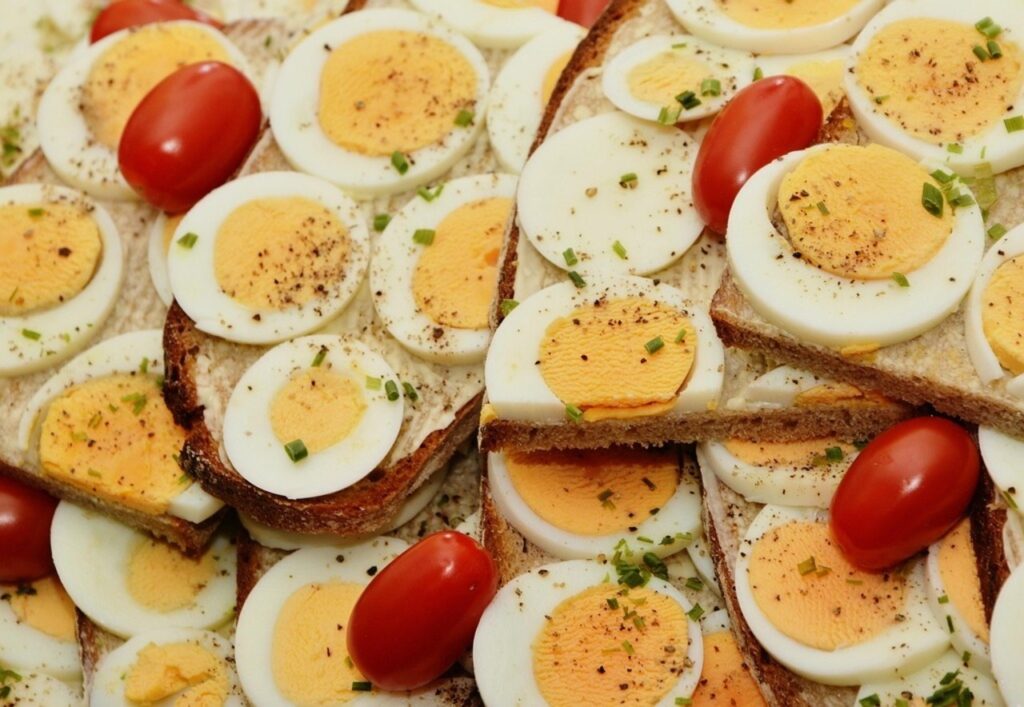
Protein-forward eating is no longer just a gym cue, because it has become a daily meal-planning default, and that pushes home cooks to look for ways to make chicken, eggs, fish, beans, and dairy-based proteins feel exciting rather than repetitive.
Stuffing, rolling, skewering, smashing, and layering add variety without requiring exotic ingredients, and those formats also help with texture, since crisp edges and juicy centers make lean proteins taste more satisfying.
This trend also fits the reality of weeknight cooking. Protein-centric meals often reheat well, which makes them useful for meal prep, and they can be adapted for different diets by swapping animal proteins for tofu, tempeh, lentils, or high-protein grains.
2. Kitchen Gadgets Doing the Heavy Lifting
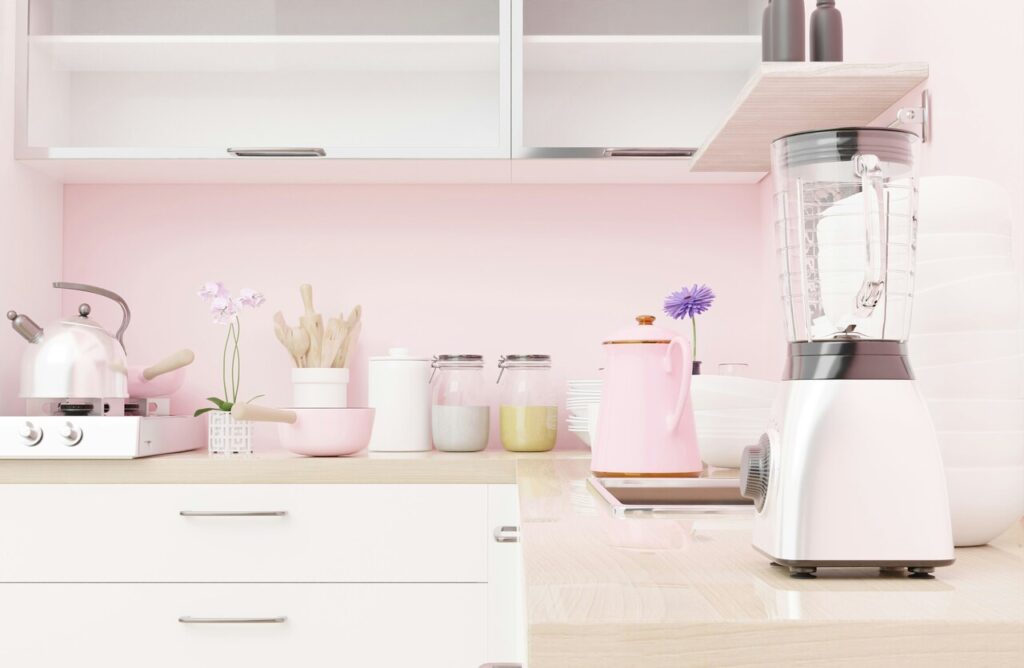
Appliances are moving from “time savers” to “texture makers,” and that shift is why air fryers, toaster ovens, pressure cookers, and even waffle makers keep showing up in trend forecasts.
The appeal is repeatability. Gadgets make heat more predictable, and predictable heat leads to consistent results, like evenly crisp potatoes, reheated leftovers that still crunch, or fast-roasted vegetables that do not turn soggy.
Instead of cooking a dish “the normal way,” recipes are being designed around what the machine does best, like air-frying for crunch or pressure-cooking for tenderness. That approach creates new formats and new expectations, and it is likely to stick because it delivers visible results with less trial and error.
3. Viral Food Myths Put on Trial
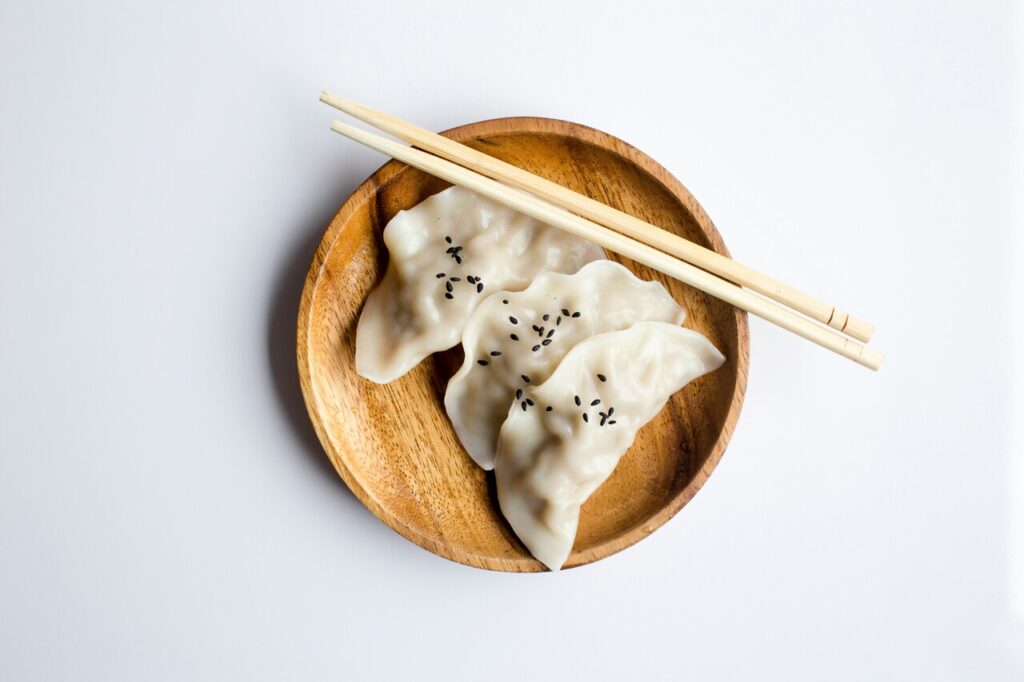
Social media made cooking louder, and now it is making cooking more skeptical, because more home cooks are testing claims instead of repeating them.
Many hacks are oversold, and when results disappoint, people look for proof, not vibes, which is why side-by-side tests are popular: the same recipe, one variable changed, and a clear outcome. The format also fits modern attention spans, since quick experiments produce clear takeaways, like whether resting time matters, what actually prevents sticking, or which substitutions work.
The wider effect is better home cooking. Testing myths encourages basic skills like temperature control, timing, and seasoning, and it reduces dependence on shortcuts that often fail.
4. Preserved and Fermented Flavors Everywhere
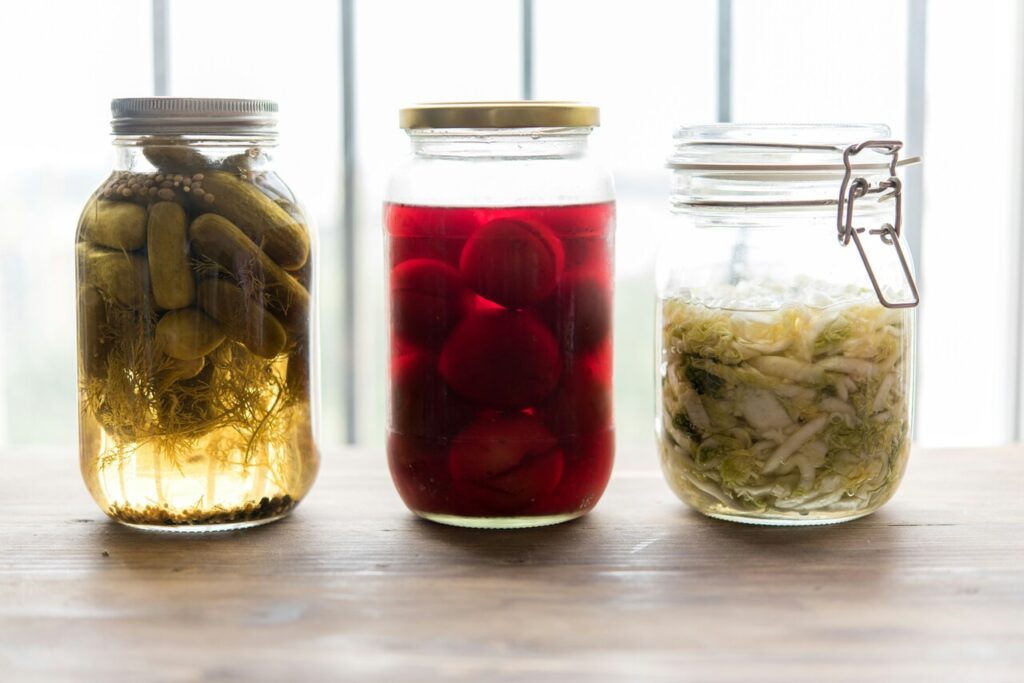
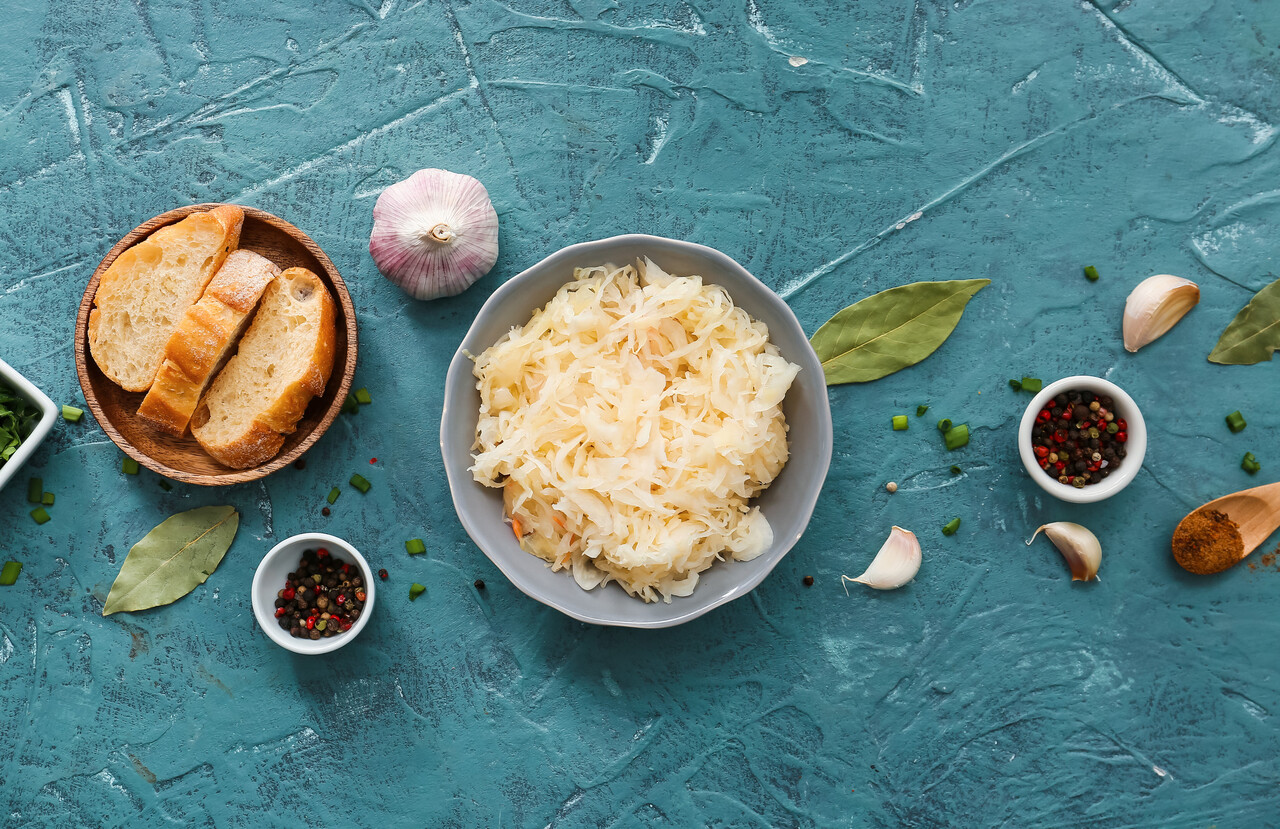
Big flavor in small amounts is the reason preserved and fermented ingredients keep rising, because a spoonful of something like kimchi, pickled onions, miso, or preserved lemon can change an entire dish without adding much time.
Many preserved items last longer than fresh herbs and delicate produce, which helps reduce waste, and they can be used across cuisines. Home cooks are also more comfortable with brines, jars, and fridge pickles than they used to be, because simple preservation methods are easy to learn and quick to repeat.
The main driver is balance. When used with restraint, they do not dominate; they sharpen, and that sharpening effect makes everyday cooking feel more intentional.
5. Live-Fire, Char, and Smoke at Home
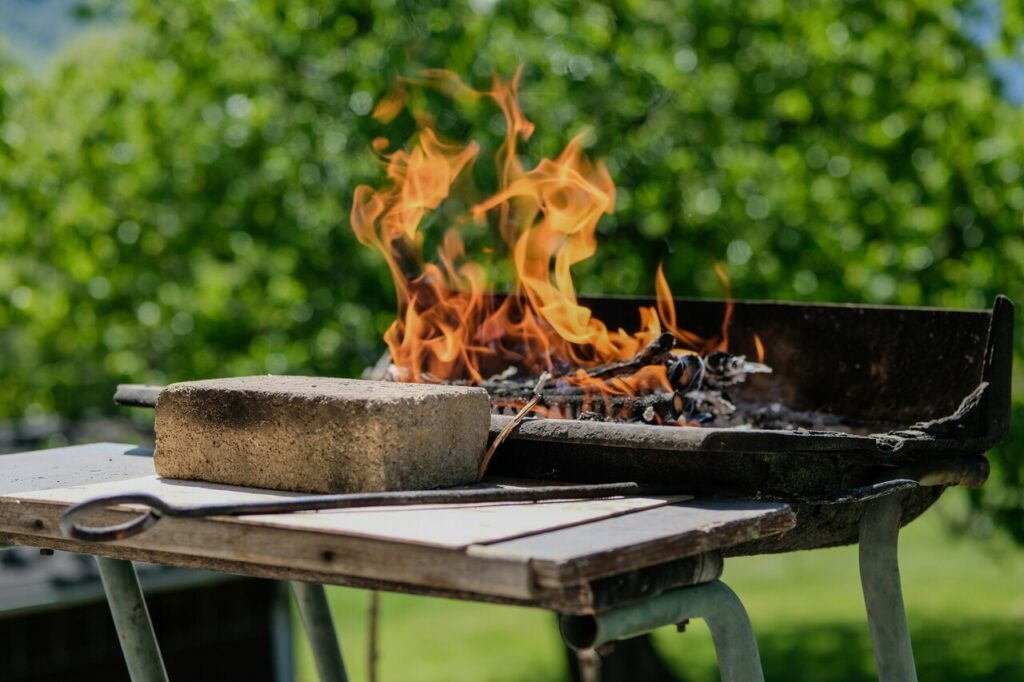
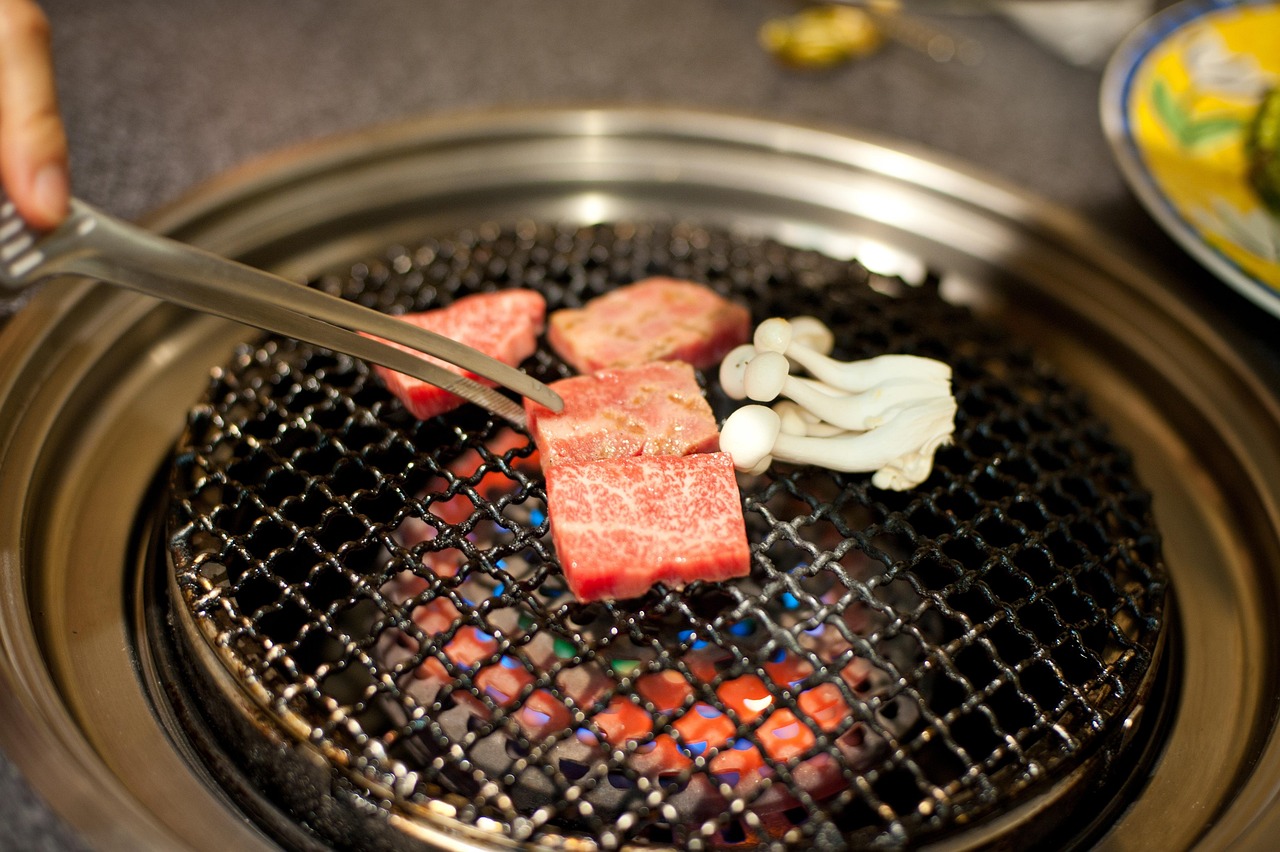
Char is a flavor people recognize instantly, and it has become a symbol of restaurant cooking because high heat creates aroma, bitterness in controlled amounts, and a deep savory profile that indoor cooking can struggle to match.
High heat creates browning reactions that produce complex flavors, and smoke adds aromatic compounds that cling to fat and protein. The challenge is control, because uncontrolled smoke tastes harsh, and uncontrolled char tastes burnt.
This trend also ties to social cooking. Live-fire methods naturally bring people outside and create a sense of occasion, which makes them popular for gatherings, yet the flavors also translate to weeknights with smaller grills and quick charring techniques.
6. Tableside-Style Finishes and “Dinner Theater”
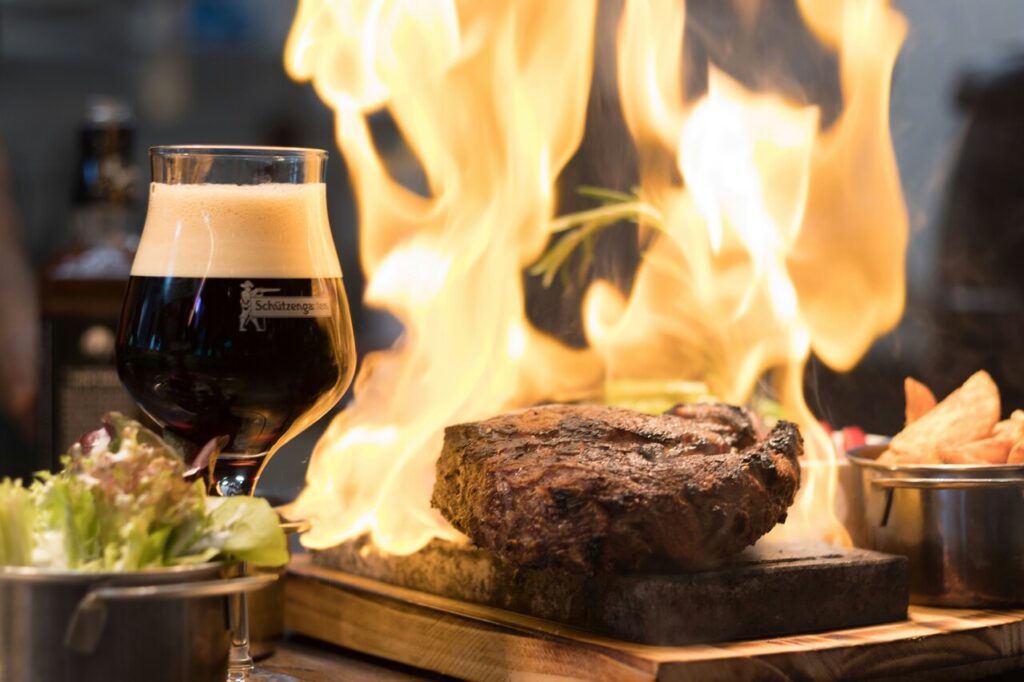
Restaurant energy is being recreated at home through finishing steps that happen right before serving, because that last-minute moment often creates the most aroma, the best texture, and the strongest visual impact. Think sizzling butter poured over meat, herbs torn and scattered at the end, citrus squeezed at the table, or a sauce spooned over a dish in front of guests.
Many aromas fade quickly after cooking, so finishing at the end makes food smell better and taste brighter, and it also helps with texture, since crisp toppings stay crisp when added last.
It is lower effort than complex multi-course cooking, yet it creates a memorable experience. It is dinner with a small performance, but the performance is functional, because it improves the food.
7. Dubai Chocolate and Luxury-Style Sweets at Home
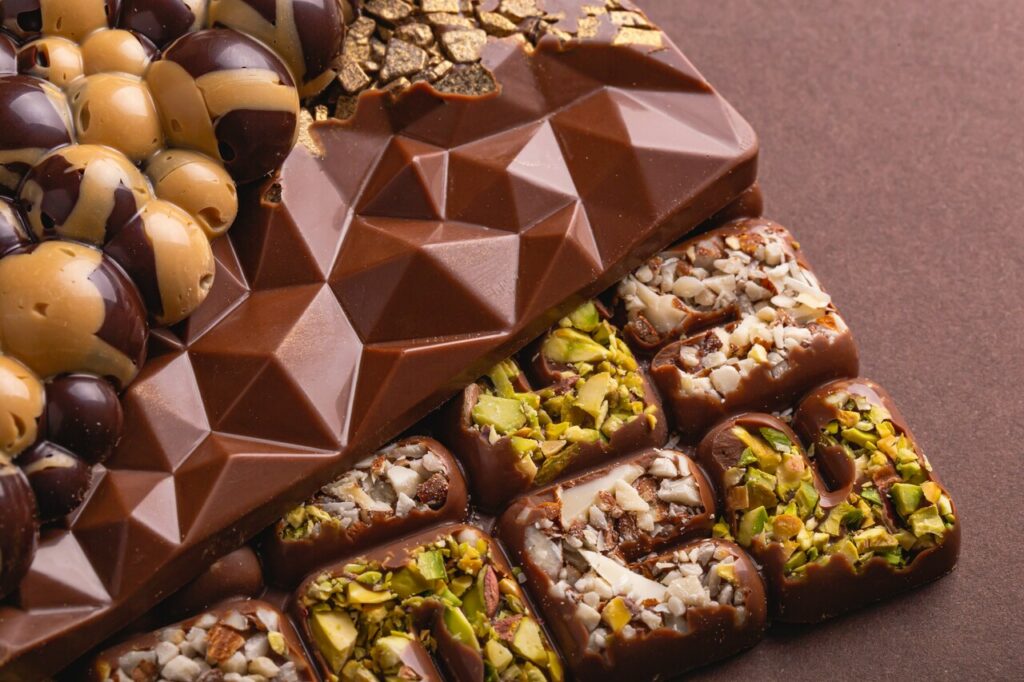
Luxury desserts are being copied at home not only for taste but for spectacle, and Dubai-style chocolate is a strong example because it blends rich chocolate with dramatic texture and a sense of novelty.
Crunchy layers, creamy fillings, and glossy chocolate coatings create contrast that reads as premium, and that contrast is easier to appreciate than subtle flavor differences. Many home cooks chase these sweets because they look impressive on camera.
The broader trend is “high-end results without high-end tools.” Home bakers are learning tempering shortcuts, using molds, and building layered bars and filled chocolates with simple equipment. The motivation is clear: a homemade luxury sweet feels like a win.