Viral Recipes Often Collapse in Home Kitchens and There’s a Common Reason Why

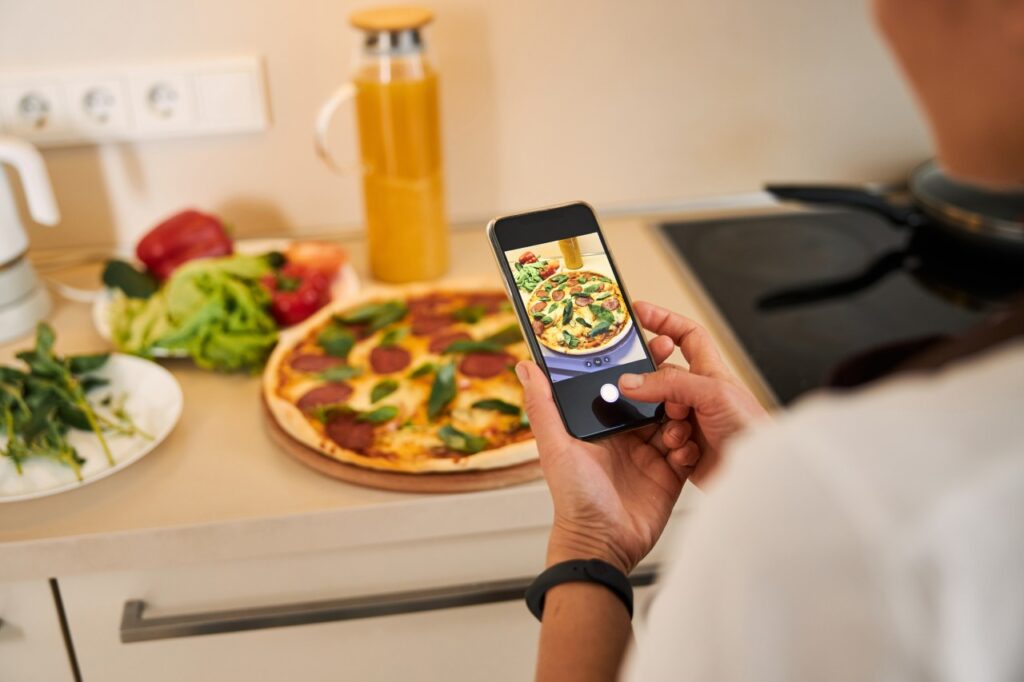
A quick scroll through social media can make cooking look almost magical. In a matter of seconds, ingredients are mixed, sauces thicken beautifully, and a perfectly plated dish appears as if it required almost no effort. Viral recipe videos are designed to capture attention with rich colors, satisfying textures, and dramatic final results. Millions of viewers save these clips each day, inspired by the promise that they can recreate the same dish in their own kitchens. The appeal is easy to understand. A trending video offers the excitement of discovering something new while making cooking appear quick, simple, and surprisingly achievable.
Yet many home cooks quickly realize that the reality behind those viral recipes can be very different from what appeared on screen. A dish that looks effortless in a short video often depends on techniques, ingredient choices, and timing details that were never clearly shown. Important steps may be skipped, shortened, or edited out entirely to keep the video fast and visually appealing. Without those details, viewers trying the recipe at home can run into unexpected problems. What seemed like a guaranteed success online can turn into a confusing kitchen experiment once the camera is gone, leaving many cooks puzzled about what went wrong.
The Viral Recipe Boom
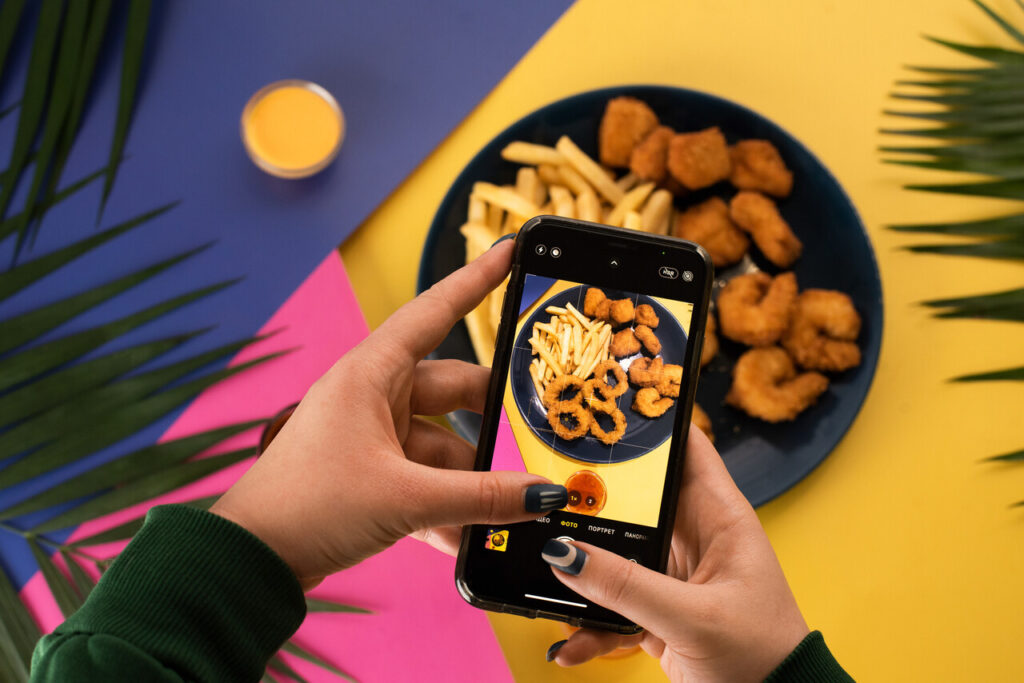
Scroll through any social media platform today, and cooking content appears almost instantly. Short clips show molten cheese pulls, glossy sauces, and perfectly browned dishes that seem simple enough for anyone to recreate at home. Platforms built around quick videos have gradually turned cooking into a form of entertainment, where visual impact matters just as much as flavor. Viral recipes can travel across the internet within hours, spreading from one feed to another as viewers save, share, and comment. A single trending post can inspire millions of people around the world to attempt the same dish in their own kitchens.
This surge of attention has quietly changed how many people discover and learn new recipes. Instead of relying mainly on cookbooks, cooking shows, or trusted food websites, a growing number of home cooks now turn to influencers, trending hashtags, and algorithm-driven video feeds. Viral recipes often emphasize bold visuals, dramatic cheese pulls, and satisfying final reveals that naturally attract clicks and shares. While this wave of online content has introduced audiences to creative dishes and unfamiliar ingredients, it has also widened the gap between what viewers see on their screens and what actually happens when they attempt the recipe in a real home kitchen.
Why Social Media Makes Cooking Look Effortless
Many viral cooking videos are carefully crafted to make the entire process look quick, smooth, and almost impossible to fail. In reality, many dishes that appear in these clips require far more preparation and attention than the video suggests. Complex techniques, ingredient preparation, and timing are often compressed into a few seconds of footage. A recipe that might normally take an hour or more to prepare can appear to come together in less than a minute on screen. Because viewers watch ingredients mixed, cooked, and plated so quickly, it creates the impression that the dish is simple and easy to replicate.
Short-form video formats naturally remove many of the slower and less visually appealing parts of cooking. Waiting for dough to rise, allowing sauces to reduce, or adjusting heat levels rarely make it into the final cut. Editing removes pauses, corrections, and trial-and-error moments that happen during real cooking. As a result, viewers often underestimate the time, patience, and experience required to produce the same results. When they attempt the recipe in their own kitchens, they may discover that important steps were never explained, making the process more confusing than the video originally suggested.
The Missing Details That Ruin Home Results
Successful cooking often depends on small details that are easy to overlook, especially in short-form recipe videos. Precise measurements, ingredient temperatures, and exact cooking times all influence how a dish turns out. When these details are skipped or only briefly mentioned, even a minor difference can cause a recipe to fail. A sauce might separate instead of thickening, dough may refuse to rise properly, or a dessert can collapse once it leaves the oven. These problems rarely come from a single mistake but from missing guidance that helps cooks understand how each step affects the final result.
Ingredients themselves can also behave very differently depending on where they are purchased and how they are produced. Flour varieties vary in protein levels, butter can have different fat contents, and ovens in home kitchens often heat unevenly. Professional recipe developers usually test their recipes several times to adjust for these variations and make the instructions reliable. Many viral recipes, however, are shared after only one successful attempt. Without careful testing and clear explanations, home cooks may struggle to reproduce the same flavor, texture, and appearance that looked so convincing in the original video.
How Editing and Presentation Mislead Viewers
Editing has a powerful influence on how viral cooking videos are understood by viewers. Many of these clips are carefully trimmed to remove delays, mistakes, or attempts that did not work the first time. What appears on screen is usually a polished sequence where ingredients behave perfectly and every step unfolds smoothly. In reality, cooking rarely works this way. A dish may require several attempts before the creator achieves the desired result, but those earlier trials never appear in the final video. The finished clip creates a clean narrative that suggests the recipe works flawlessly from start to finish.
Presentation techniques strengthen that impression even further. Lighting, camera angles, and food styling are carefully arranged so that the dish looks as appealing as possible on screen. Crispy textures appear sharper, sauces look glossier, and colors often seem brighter than they might in an ordinary home kitchen. These visual tricks are common in food media and help capture attention online. However, they can also raise expectations that are difficult for viewers to match. When someone attempts the recipe at home without professional lighting, styling, or editing, the final dish may look quite different from the perfectly staged version shown in the video.
Why Tested Recipes Still Matter
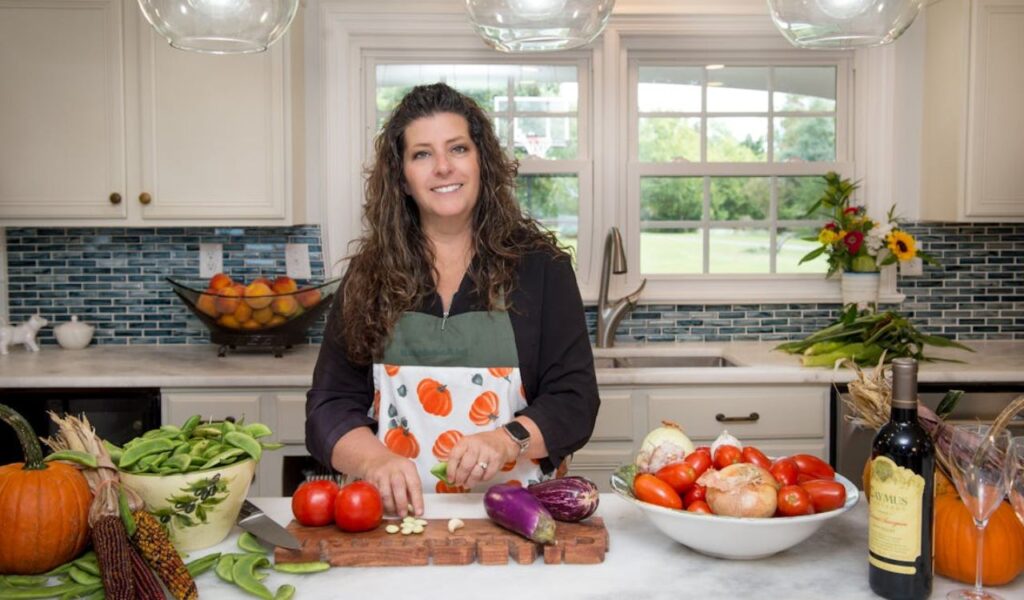
Reliable recipes did not appear overnight. Long before short cooking videos filled social media feeds, professional cooks, food writers, and culinary editors spent significant time testing dishes to make sure they worked in real kitchens. Recipes in cookbooks, food magazines, and trusted cooking websites are usually prepared multiple times under slightly different conditions. Ingredients are measured carefully, cooking times are checked, and instructions are rewritten until the process becomes clear and repeatable. This careful testing helps ensure that when someone follows the steps at home, the dish has a strong chance of turning out as expected.
That detailed testing process still plays a vital role in dependable home cooking today. Well-developed recipes include clear measurements, accurate timing, and useful notes that explain how ingredients should look, smell, or feel during each stage of cooking. Many also provide troubleshooting advice so cooks can adjust if something begins to go wrong. Viral cooking videos can be inspiring and fun to watch, but they rarely include this level of guidance. When creative online ideas are paired with thoroughly tested instructions, home cooks gain both excitement and reliability, making it far easier to recreate dishes successfully outside the camera frame.