What Really Sets Chives Apart from Green Onions

At first glance, chives and green onions seem interchangeable, often chopped the same way and sprinkled over similar dishes. But beneath that surface similarity lies a clear divide in flavor strength, texture, and culinary purpose. One is a delicate herb meant to finish a dish, while the other is a versatile vegetable that can anchor it. Understanding how they differ helps cooks make better choices, avoid overpowering flavors, and use each ingredient exactly where it shines. This distinction affects not just taste but also how dishes are structured. Using the right one improves balance and intention in cooking.
Chives and Green Onions Defined
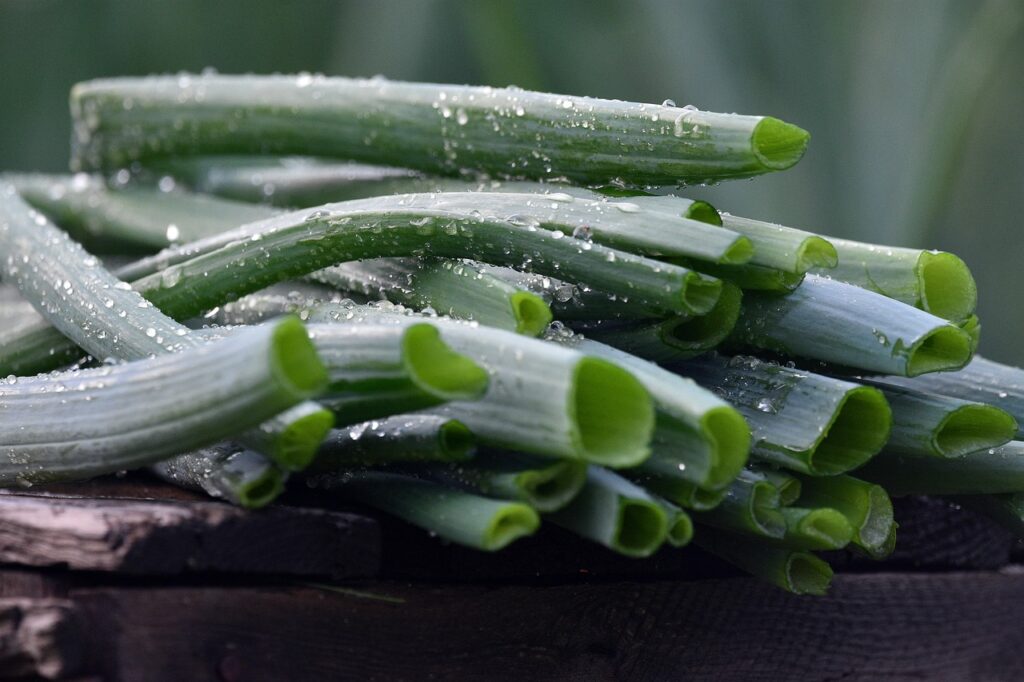
Chives and green onions may look similar at first glance, but they occupy very different roles in the kitchen. Chives are classified as an herb and are prized primarily for their delicate flavor rather than their bulk. They grow as thin, hollow green stalks without forming a noticeable bulb at the base. Because of this structure, chives are rarely used as a main ingredient and are instead added at the end of cooking or sprinkled over finished dishes to add subtle onion notes without overpowering other flavors. Their purpose is enhancement rather than substance. They work best when restraint is applied. A little goes a long way in most dishes.
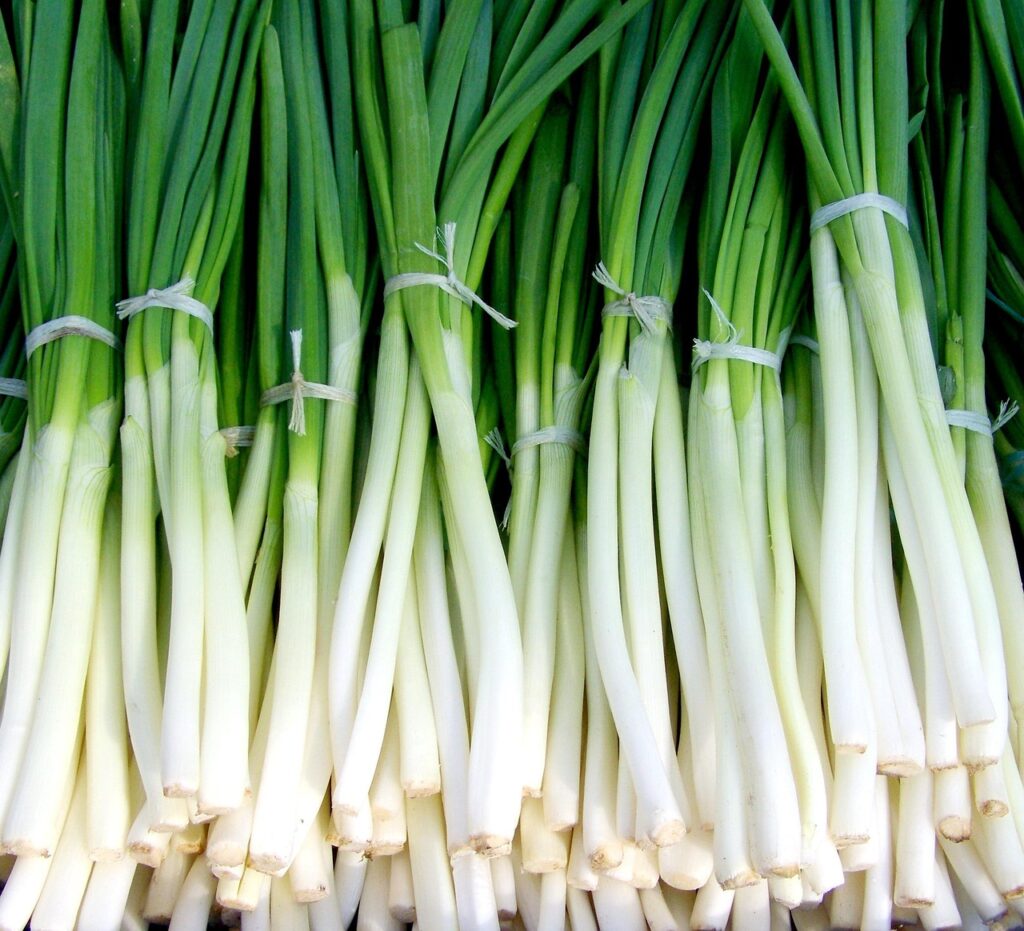
Green onions, also known as scallions, are considered a vegetable rather than an herb. They consist of long green stalks and a small white bulb that has not yet matured into a full onion. Both parts are edible and commonly used in cooking. Unlike chives, green onions can be eaten raw or cooked and often form part of the body of a dish rather than just a garnish. Their structure and versatility make them suitable for a much wider range of culinary applications. They contribute both flavor and volume. This makes them more filling in recipes. Their role is often central rather than decorative.
Botanical Differences
From a botanical standpoint, chives and green onions belong to the same plant family but differ in species and growth habits. Chives are perennial plants that return year after year once established. They grow in clumps and produce purple edible flowers in addition to their slender leaves. Because they are perennial, chives are often grown in home gardens as a long-term herb that can be harvested repeatedly without replanting. This makes them economical for gardeners. They require minimal upkeep once established. Their growth pattern encourages frequent harvesting.
Green onions are immature onions harvested before the bulb fully develops. They are typically grown as annual crops and pulled from the soil once the stalks reach a usable size. Their lifecycle is shorter and more production-focused than that of chives. Green onions are cultivated primarily for food supply rather than ornamental or long-term harvesting. These differences influence not only how the plants grow but also how they are harvested, stored, and used in kitchens. Speed and yield drive their cultivation. They are designed for efficiency. This impacts how they enter the food system.
Flavor and Aromatic Profiles
The flavor of chives is mild, grassy, and gently onion-like, making them ideal for dishes where subtlety matters. They provide aroma without sharpness and enhance foods without competing for attention. Because their flavor is delicate, chives are usually added raw or at the very end of cooking. Prolonged heat quickly diminishes their taste, which is why they are often used as a finishing herb rather than a cooking ingredient. Heat sensitivity defines their use. Timing is critical when adding them. Late addition preserves their character.
Green onions have a noticeably stronger and sharper onion flavor that varies depending on which part is used. The white portion has a more pungent bite similar to raw onion, while the green tops are milder but still more assertive than chives. This range of intensity allows green onions to be used both raw and cooked. Heat softens their sharpness, making them adaptable to stir-fries, soups, and grilled dishes. Their flavor evolves with cooking. This flexibility broadens their appeal. They adjust well to many cuisines.
Culinary Uses and Pairings
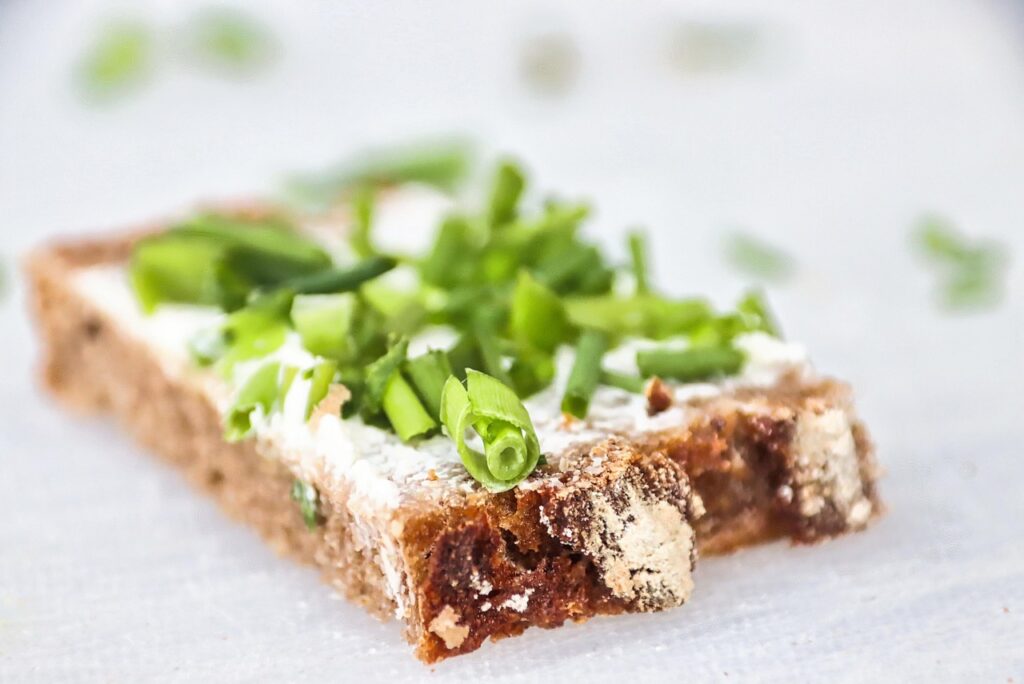
Chives are most commonly used as a garnish or finishing touch in dishes where visual appeal and gentle flavor are desired. They pair well with eggs, potatoes, cream-based sauces, and mild cheeses. Their fine texture and bright green color make them especially popular in dishes that benefit from contrast without added bulk. Because chives do not withstand heat well, they are rarely cooked and are best used fresh. They shine in minimalist preparations. Their presence is subtle but intentional. Overuse can easily overpower delicate dishes.
Green onions are far more flexible in cooking applications. They can be sliced and used raw in salads, salsas, and dips or cooked into dishes such as fried rice, soups, and noodle bowls. Both the white and green portions serve different roles, with the white base often sautéed for flavor and the green tops added later for freshness. Their adaptability makes green onions a staple ingredient rather than a finishing accent. They function across cooking stages. This makes them practical in everyday meals. Few kitchens operate without them.
Textural and Visual Differences
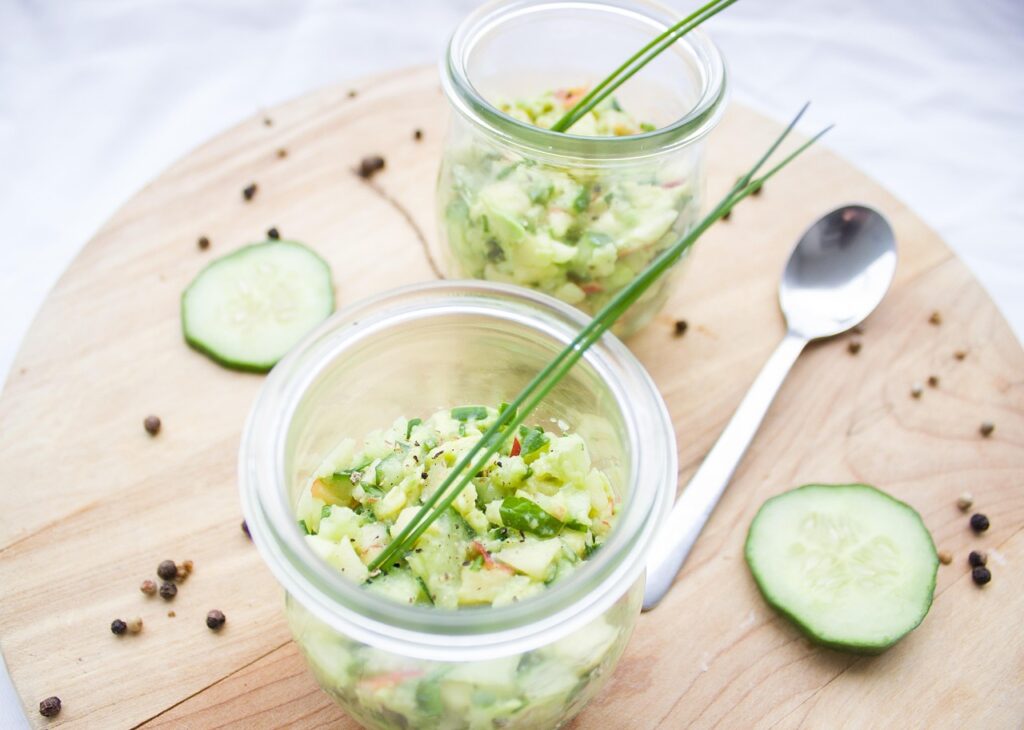
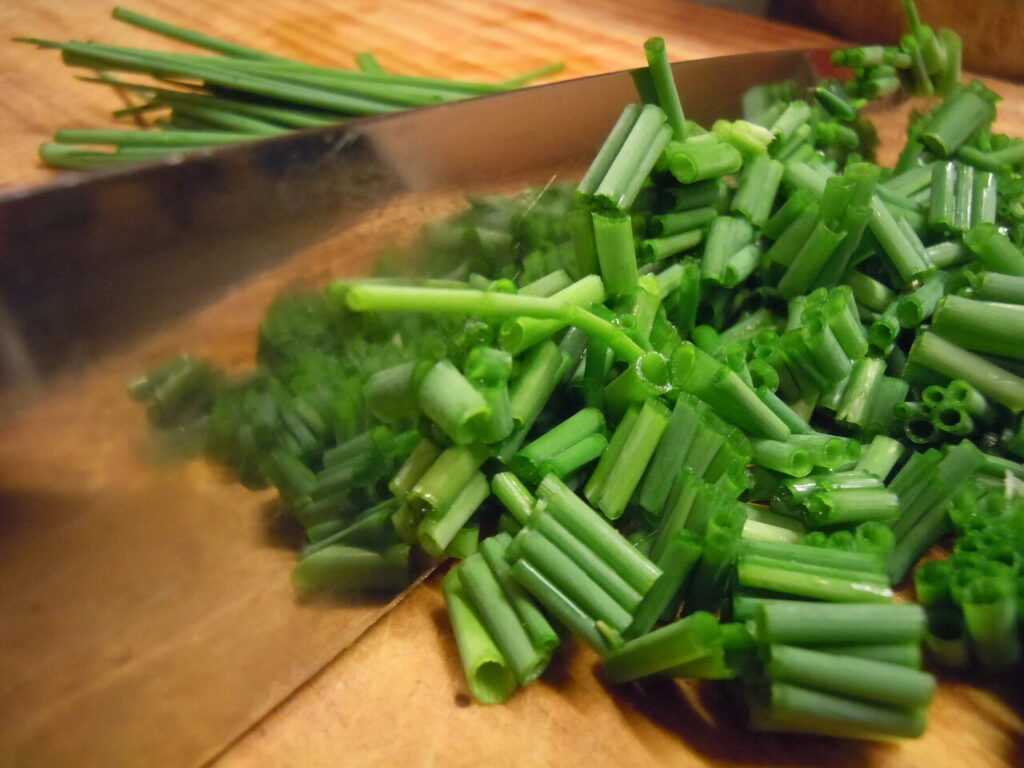
Chives are thin, hollow, and grass-like in appearance, which contributes to their delicate presentation. When finely chopped, they blend seamlessly into dishes without adding noticeable texture. Their uniform shape and bright color make them ideal for garnishing and decorative plating. Visually, chives signal refinement and restraint, which is why they are often associated with classic and fine-dining presentations. They create polish without distraction. Their appearance suggests intention. This visual cue influences perception of quality.
Green onions are thicker and more substantial, offering both crunch and structure. The contrast between the white base and green tops adds visual interest to dishes. Their texture remains noticeable even when chopped finely, making them suitable for dishes that benefit from bite and freshness. Green onions also hold their shape better during cooking, which allows them to contribute both visually and texturally to finished meals. They bring energy to a plate. Their presence is immediately recognizable. Texture becomes part of the experience.
Nutrition and Health Attributes
Chives contain vitamins A and C along with small amounts of antioxidants that contribute to their health appeal. While they are typically consumed in small quantities, they still offer nutritional value as part of a balanced diet. Their mild flavor allows them to be added generously without overwhelming dishes, which can increase overall herb intake. Chives also contain compounds associated with digestive support and anti-inflammatory properties. Their benefits are subtle but consistent. Regular use supports variety in diet. Herbs contribute more than flavor alone.
Green onions provide fiber, vitamin K, and higher overall nutrient density due to their larger serving size. They contribute more significantly to daily nutritional intake because they are often eaten in greater quantities than chives. The white and green portions contain different concentrations of nutrients, making the whole plant beneficial. Green onions also contain sulfur compounds linked to heart health and immune support. Quantity increases impact. They play a stronger nutritional role. This makes them more than a garnish.
Harvesting and Storage Tips
Chives are best harvested by cutting the stalks close to the base while leaving the root system intact. This allows the plant to continue producing new growth. Fresh chives should be used soon after harvesting, as their delicate leaves wilt quickly. When stored, they should be wrapped lightly and kept refrigerated. Drying chives significantly reduces their flavor, making fresh use preferable. Freshness defines quality. Time quickly diminishes aroma. Storage requires gentle handling.
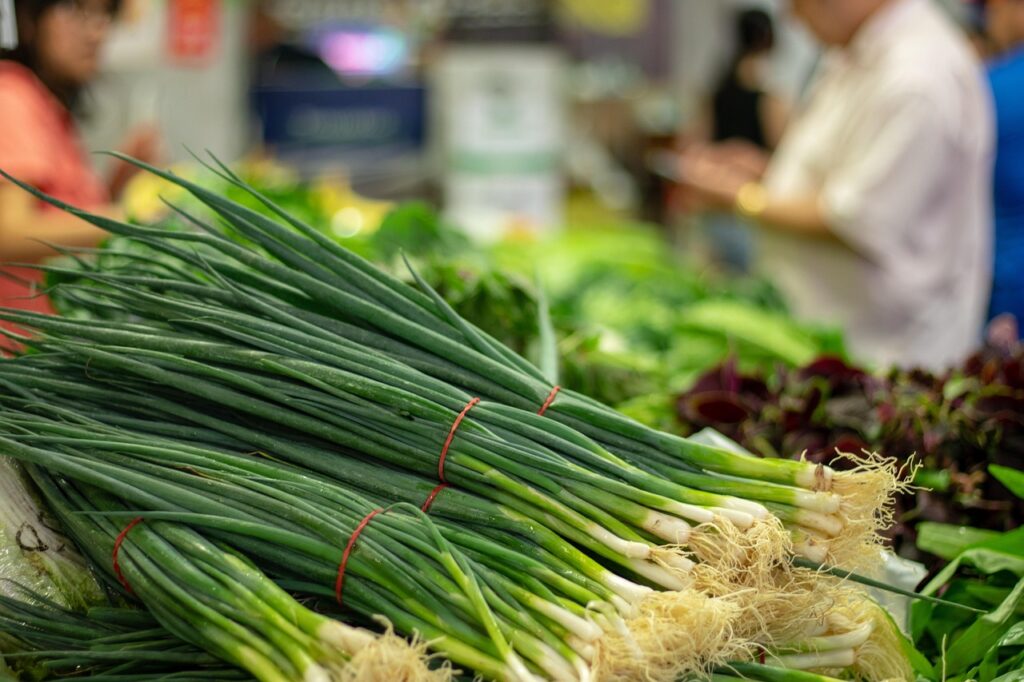
Green onions are harvested by pulling the entire plant from the soil. Once harvested, they store better than chives due to their thicker structure. They should be kept refrigerated with some moisture control to prevent wilting. Green onions can also be frozen or regrown in water using the root base. Their durability makes them easier to store and maintain over time. They tolerate handling well. Regrowth adds convenience. This extends their usable life.
Common Misconceptions Clarified
One common misconception is that chives and green onions can always be substituted for one another. While they share onion flavor notes, their intensity and texture differ too much for direct substitution in many recipes. Using green onions in place of chives can overpower delicate dishes, while using chives instead of green onions may result in a lack of flavor depth. Substitution changes the balance. Flavor intent gets disrupted. Results often disappoint. Knowing which ingredient a recipe expects prevents unnecessary adjustments. Respecting that distinction leads to more predictable outcomes.
Another point of confusion comes from naming conventions. Green onions and scallions are the same thing, while spring onions are more mature with larger bulbs. Chives are a separate herb entirely. Mislabeling often occurs in grocery stores and recipes, leading to incorrect use. Understanding these distinctions helps cooks choose the right ingredient and achieve better results. Clarity improves outcomes, and correct labels guide technique. Knowledge reduces waste. Familiarity builds confidence in everyday cooking. Accurate identification saves time and frustration. This awareness also improves shopping decisions.
Beyond the Kitchen
Chives are often grown for both culinary and ornamental purposes. Their purple blossoms attract pollinators and add visual interest to gardens. Because they are perennial and low-maintenance, they are popular among home gardeners. Their dual role as edible and decorative plants sets them apart from most kitchen herbs. They bridge beauty and function. Gardens benefit from their presence. Sustainability plays a role here. This versatility makes them especially appealing for small spaces. They offer value beyond harvest alone. Their compact growth suits containers and balconies well. Minimal upkeep makes them accessible to beginner gardeners.
Green onions are grown almost exclusively for food production. They are cultivated in large quantities and harvested quickly to meet demand. Their fast growth cycle makes them a reliable crop for continuous supply. While they lack ornamental value, their importance in global cuisines makes them indispensable. Together, chives and green onions serve distinct purposes that extend beyond simple flavor. Utility defines its role. Efficiency drives production. Cultural reliance keeps demand high. Scale matters more than aesthetics in their cultivation. Consistency supports their everyday use worldwide.
Refereneces
- All About Scallions & Chives- Learning. Library.org
- Chive x Green Onion- Opensourceplantbreedin.org
- Recipes with Green onions and Chives- Wisdom Library.org