8 Grocery Trends Experts Say Will Take Over American Stores in 2026

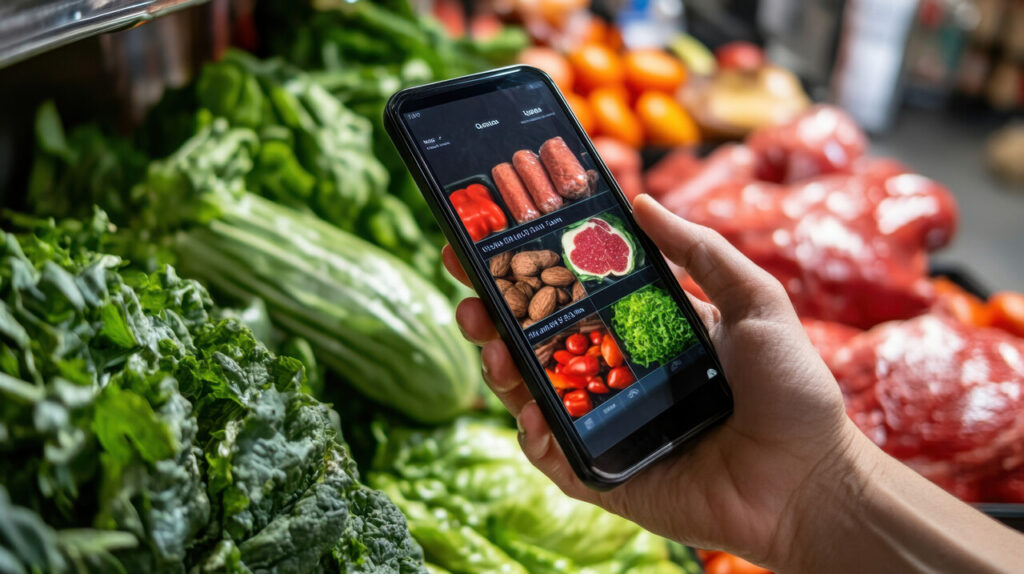
Grocery shopping in 2026 won’t look or feel like it does today. Technology is reshaping how stores predict demand, personalize offers, and keep shelves stocked. At the same time, shoppers are pushing for better value, clearer health benefits, global flavors, and stronger transparency around sourcing and sustainability. Convenience is also being redefined, not just through delivery and click-and-collect, but through smarter store layouts, fresher food programs, and faster in-store experiences. What this really means is a grocery aisle that feels more tailored, more efficient, and more connected to how people actually live and eat. These emerging trends reveal where retailers are investing, how consumer priorities are shifting, and what shoppers can expect to see filling carts over the next year and beyond.
1. Data-Driven AI and Personalization Redefining Grocery Shopping
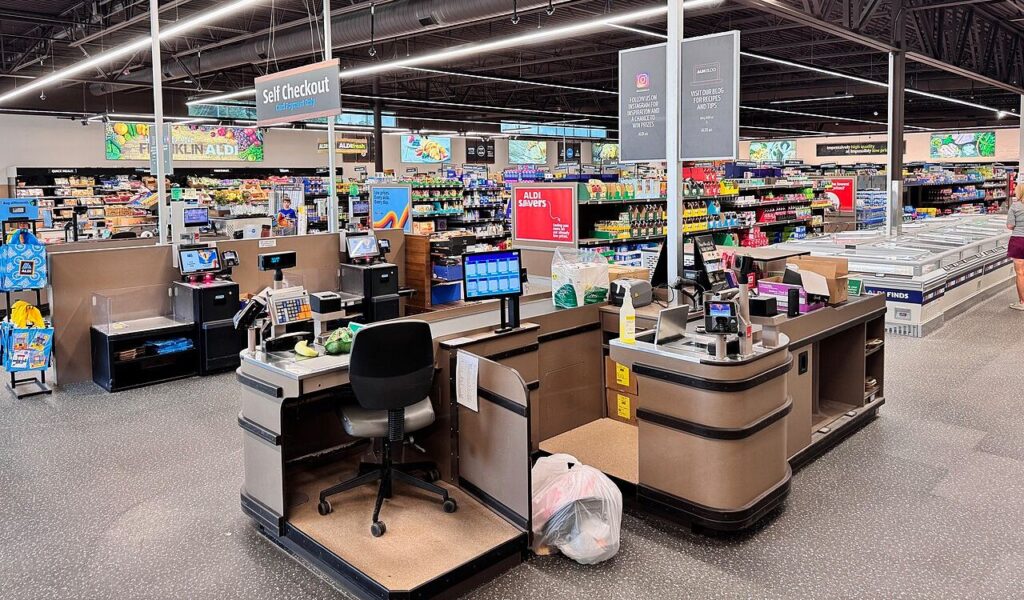
Artificial intelligence and customer data are rapidly becoming core operational tools in grocery retail, transforming everything from demand forecasting to personalized experiences. In 2026, AI isn’t just optimizing back-end logistics; it’s directly shaping what shoppers see and how they shop. Retailers are using machine learning models to forecast demand more accurately, fine-tune inventory, and reduce waste by ensuring products are stocked at the right time and in the right amounts. Predictive analytics also power personalized recommendations, tailored promotions, and dynamic pricing strategies. This means shoppers may soon see customized deals based on their buying behaviors and preferences, both online and in stores. AI is also showing up in smart carts and automated checkouts that make trips smoother and faster. As grocers embrace this technology, the result is a more efficient supply chain, fewer out-of-stock products, and a shopping experience that feels more attuned to individual needs.
2. Value-Focused Shopping and Private Label Strength Grow Stronger
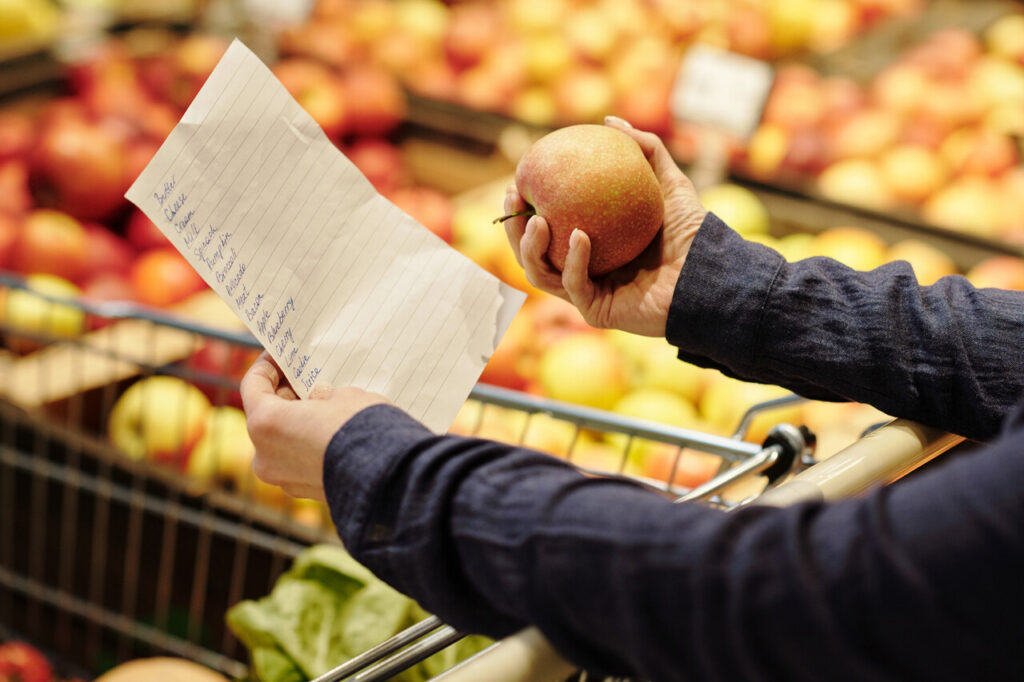
Economic uncertainty continues to shape consumer behavior, pushing value and affordability to the forefront of grocery trends in 2026. Shoppers are increasingly scrutinizing price points, seeking products that deliver real value per dollar without compromising on quality. This value-driven mindset is one reason private label products are gaining ground; they often offer quality close to national brands but at lower price points, helping households stretch their budgets further. As a result, retailers are investing more in private label expansion, introducing lines that range from everyday essentials to premium gourmet and organic choices. This shift isn’t just about low cost but about perceived value, where shoppers feel they’re getting a better overall proposition. Retailers who successfully balance price, quality, and assortment are better positioned to build loyalty in an era where every dollar counts.
3. Health and Wellness Become Everyday Shopping Drivers
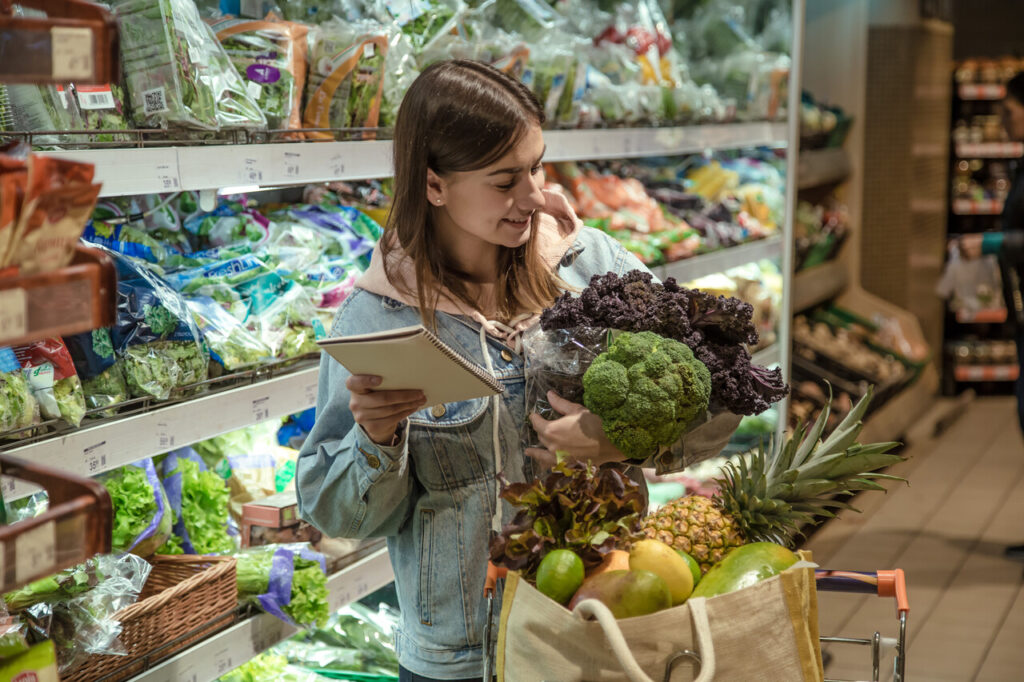
Health isn’t a niche trend anymore; it’s becoming a daily priority for grocery shoppers. Consumers are increasingly choosing foods that deliver nutritional benefits, such as high fiber, protein, or functional ingredients that support digestive or metabolic health. This shift reflects broader lifestyle goals where overall wellness influences purchase decisions rather than occasional diet plans. Grocery aisles are responding with clearer labeling, fortified products, and curated health-forward selections that help shoppers make informed food choices. Functional ingredients, clean labels, and products formulated for specific health outcomes are expected to play a larger role in 2026 as shoppers prioritize measurable benefits alongside affordability. Retailers that provide trustworthy guidance and transparent sourcing stand to build deeper trust with health-minded customers.
4. Multicultural and Global Flavors Become Mainstream

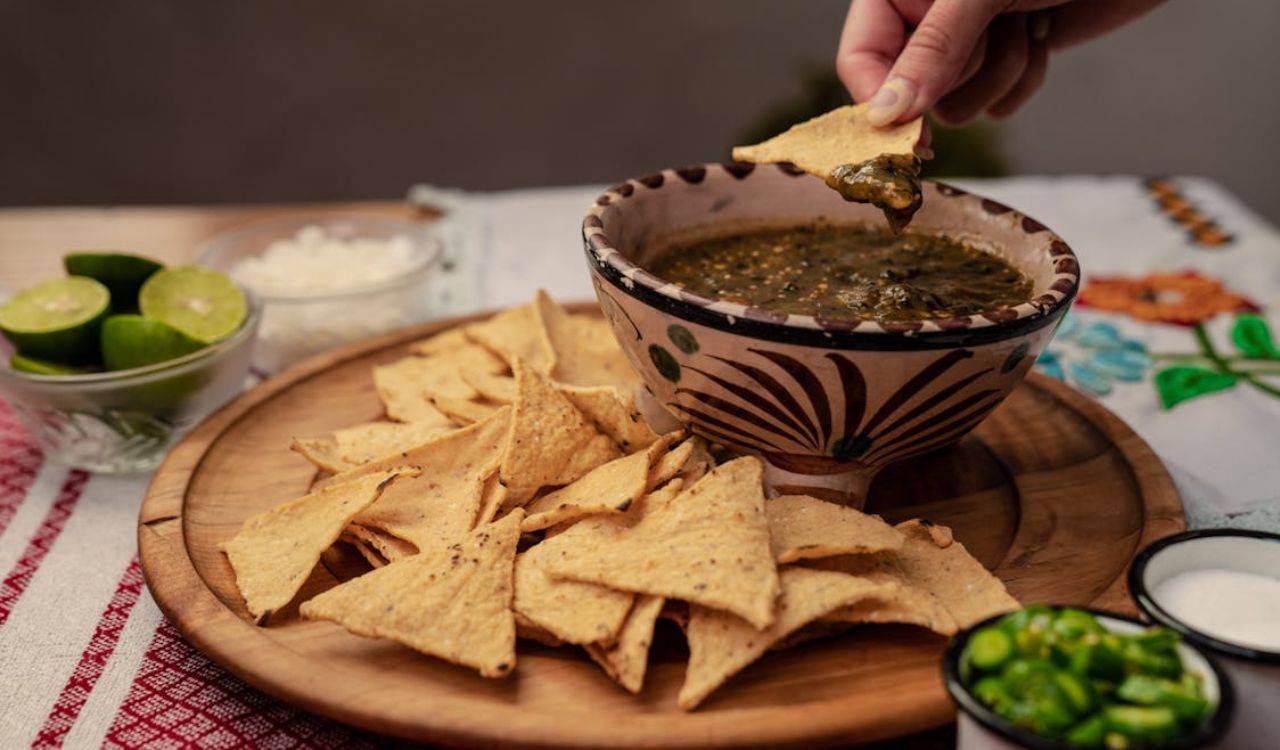
American grocery aisles are expected to see a growing presence of multicultural ingredients and global flavor profiles in 2026. Rather than isolating international foods in niche sections, retailers are integrating world cuisines into core product assortments. This shift responds to consumer curiosity fueled by travel, social media, and a more diverse population seeking authentic culinary experiences at home. Expect homeowners to find sauces, spices, ready-to-heat meals, and snack products inspired by global traditions alongside familiar favorites. As global flavors become a part of everyday eating, retailers will emphasize authenticity, provenance, and partnerships with credible brands to meet demand for genuine taste experiences. This evolution broadens choice and invites shoppers to explore new cuisines without leaving their local stores.
5. Hybrid Grocery Experiences Blur Online and In-Store Boundaries
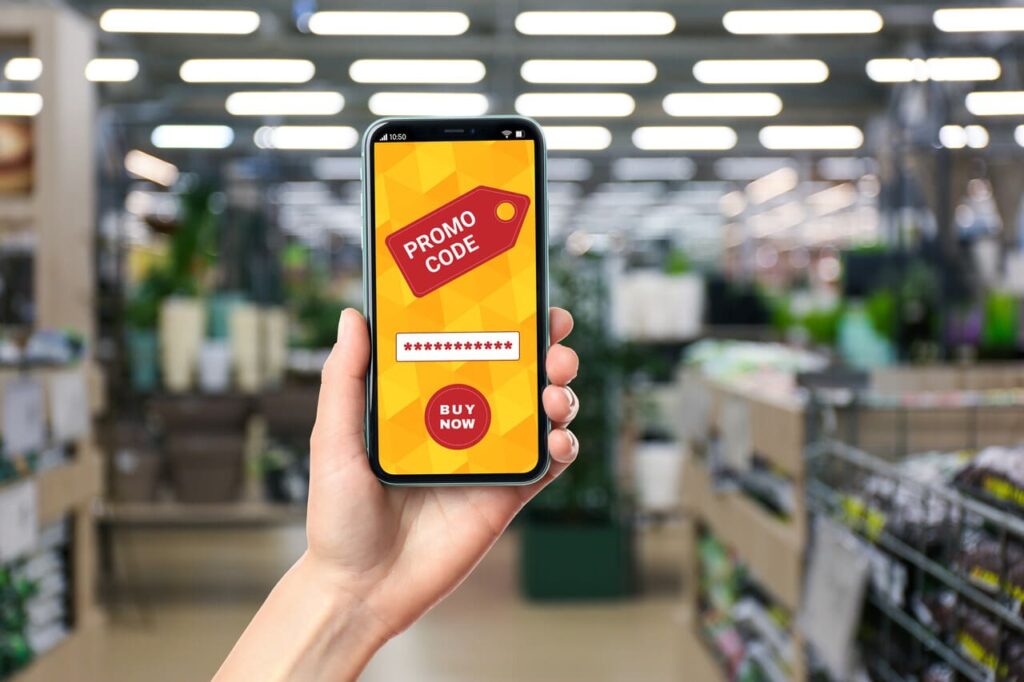
Hybrid shopping, where digital and physical retail seamlessly integrate, is set to become the default rather than the exception in 2026. Growth in online grocery sales, click-and-collect services, and rapid delivery options continues to outpace traditional retail. At the same time, physical stores are reinventing themselves to complement, not compete with, digital channels. Shoppers increasingly mix and match purchase methods, ordering some items online for home delivery while choosing fresh produce in person. Successful grocers will optimize both channels, ensuring inventory visibility, consistent pricing, and smooth transitions between digital planning and physical fulfillment. This hybrid model satisfies convenience demands while preserving the sensory experience of in-store shopping.
6. Convenience Retail Reinvents Grocery Formats and Foodservice Offerings

Convenience stores, long focused on quick purchases and essentials, are transforming into hybrid grocery-foodservice destinations in 2026. Operators are expanding fresh food options, ready-to-eat meals, and quality heat-and-eat offerings that go beyond traditional snacks. Enhanced store formats may include expanded seating, hot and cold counters, and collaboration with local food producers to offer diverse, fresh choices. This trend reflects the broader “foodvenience” movement, where consumers expect speed without sacrificing quality and choice. By elevating foodservice and fresh assortments, convenience retail becomes a more substantial part of daily eating routines, not just an occasional stop for impulse buys.
7. Sustainability and Transparency Shape Product Assortments

In 2026, sustainability isn’t just a buzzword; it’s a shopping criterion for many consumers. Shoppers increasingly want clarity about where their food comes from, how it was produced, and what environmental or ethical standards it meets. Grocery retailers are responding with transparent labeling, sustainability certifications, and storytelling that highlights responsible sourcing. This includes a focus on regenerative agriculture, reduced packaging waste, and supply chains that emphasize animal welfare and fair trade. Making sustainable options visible and understandable helps shoppers feel confident about their choices, turning sustainability from a complex idea into an actionable part of everyday shopping.
8. Elevated Convenience and Experience in Stores Focus on Freshness and Engagement
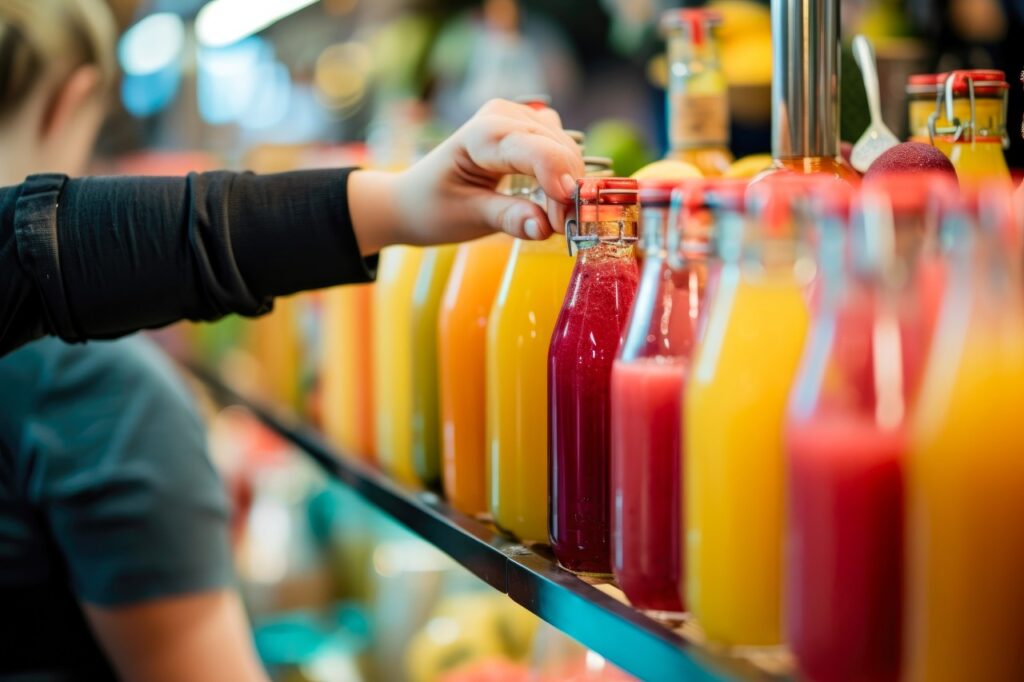
Physical grocery stores are reinventing their value proposition by emphasizing what digital channels can’t replicate: sensory engagement and freshness. In 2026, retailers are investing in produce quality, fresh prepared foods, chef-inspired counters, tasting stations, and curated assortments that encourage exploration. These in-store experiences aim to make shopping feel less transactional and more engaging, rewarding customers with inspiration and discovery. In a landscape where some purchases happen online, stores that offer memorable, convenience-oriented experiences around fresh food and knowledgeable staff will win loyalty. It’s about making every visit feel worth the trip by combining speed, taste, and delight in real time.