15 WWII Rations Celebrities Are Wrongly Hyping

World War II food is often wrapped in nostalgia, framed as clever or charmingly resourceful. Social media clips and celebrity interviews sometimes praise wartime rations as humble classics worth revisiting. The reality was far less romantic. These foods existed because options were limited, not because they tasted good or brought joy to the table. For millions of civilians and soldiers, rationed meals were repetitive and emotionally draining. They were designed to last, fill stomachs, and stretch scarce supplies, not to delight. Understanding what these foods were really like strips away the myth and shows how deeply scarcity shaped everyday eating during the war.
1. Spam
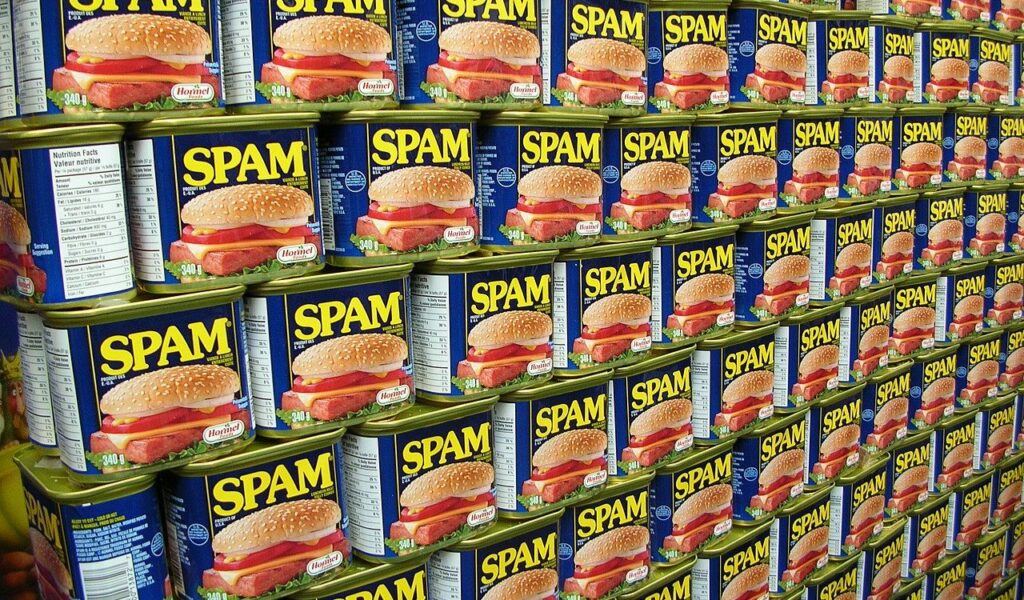
Spam is often praised today as a quirky wartime favorite, but its popularity during WWII came from necessity rather than affection. Fresh meat was scarce, tightly rationed, and reserved for troops, forcing civilians and soldiers to rely on preserved proteins. Spam was shelf-stable, calorie-dense, and easy to ship, which made it practical but exhausting when eaten repeatedly. Its extremely high salt content was essential for preservation, yet that same salt made meals greasy, heavy, and difficult to enjoy day after day. Families fried it, baked it, or stretched small portions across multiple meals simply to get by.
2. Powdered Eggs
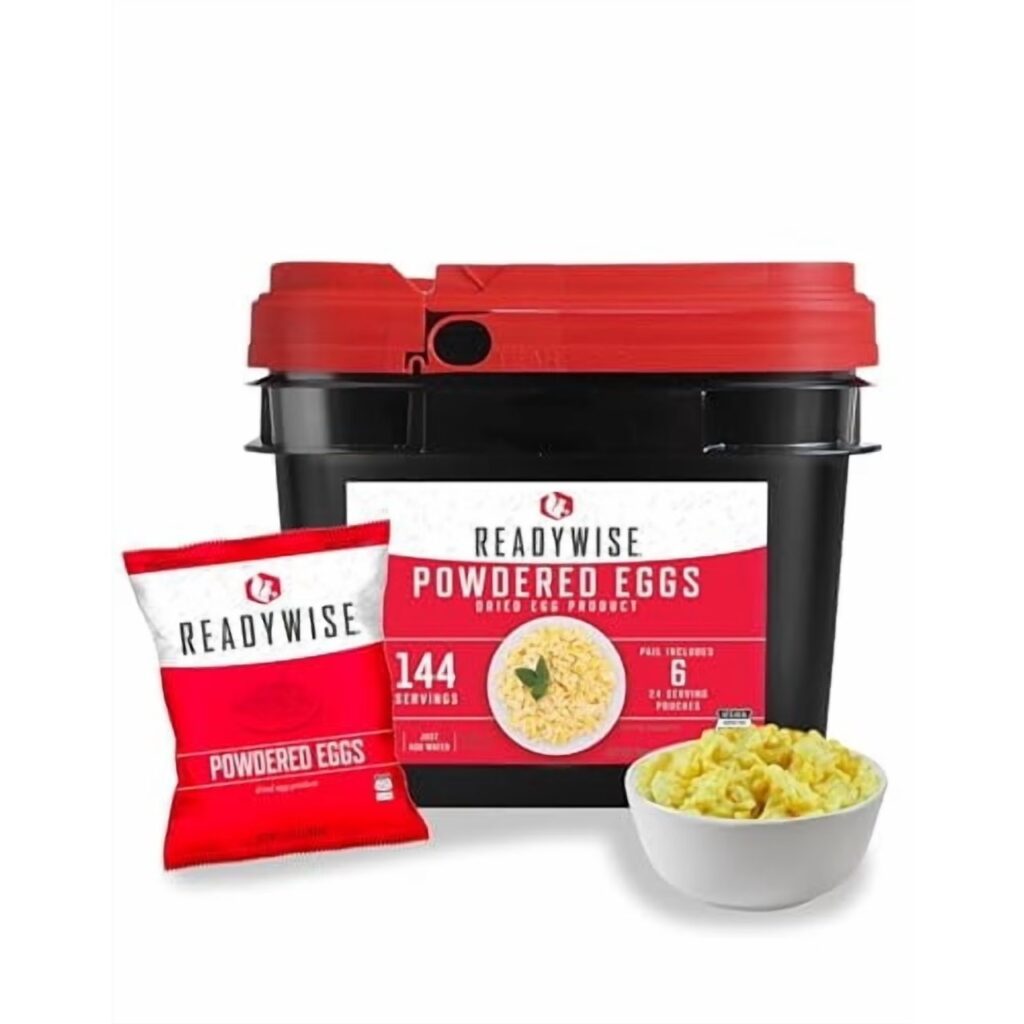
Powdered eggs are often framed as a clever wartime innovation, but for those who depended on them, they were deeply disappointing. The dehydration process stripped away much of the egg’s natural flavor and changed its structure. When reconstituted, powdered eggs often smelled sulfurous and cooked unevenly. Scrambled versions turned rubbery, while baked goods lacked lift and richness. Fresh eggs were rationed and prioritized for specific uses, making powdered eggs unavoidable in many households. Families tried hiding the taste with spices or mixing them into casseroles, but the underlying quality remained poor. Children especially disliked them.
3. Hardtack
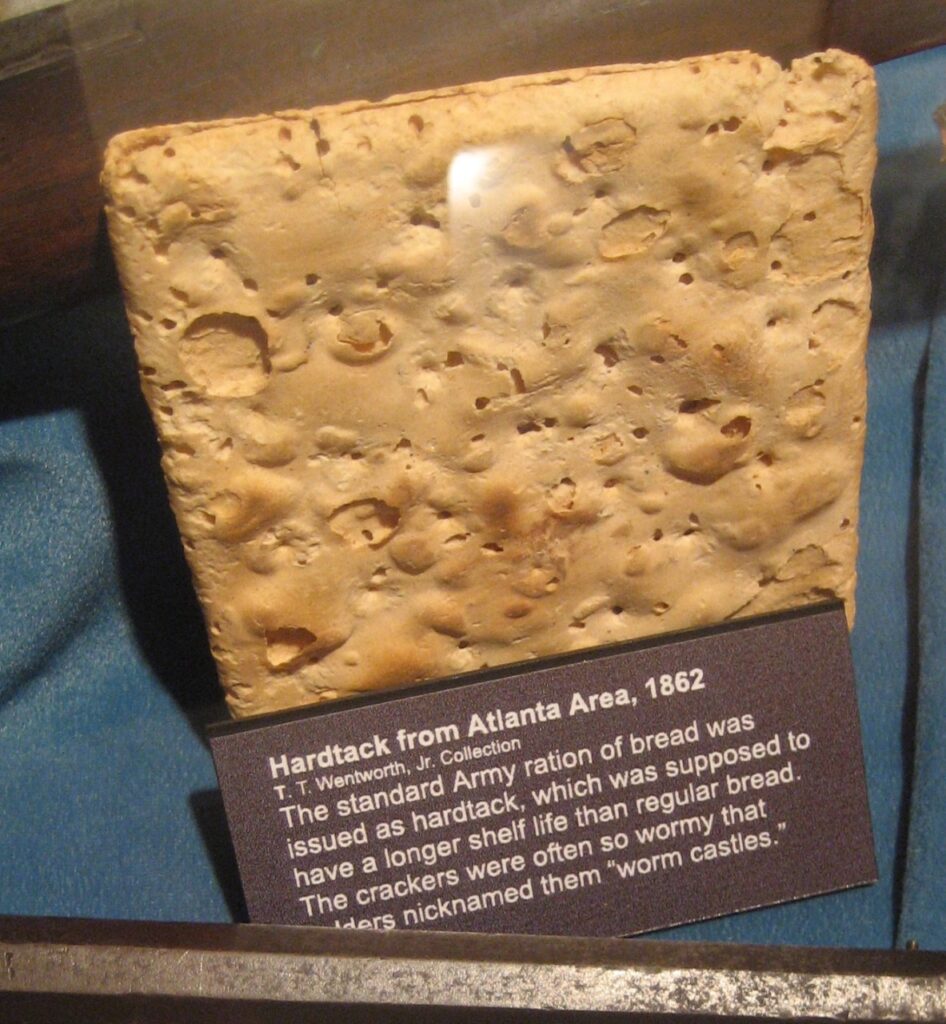
Hardtack is sometimes romanticized as a tough survival food, yet its reality was harsh and unpleasant. Made from flour and water and baked until nearly indestructible, it was designed to last for years, not to taste good. Soldiers frequently cracked teeth trying to bite into it and often found insects baked inside. Eating it dry was nearly impossible, so it had to be soaked in coffee, water, or stew just to soften it enough to chew. While hardtack provided basic calories, it offered little nutrition beyond energy. It was valued solely for durability. Modern portrayals overlook how widely despised it was by those who relied on it daily.
4. Canned Meat Stews
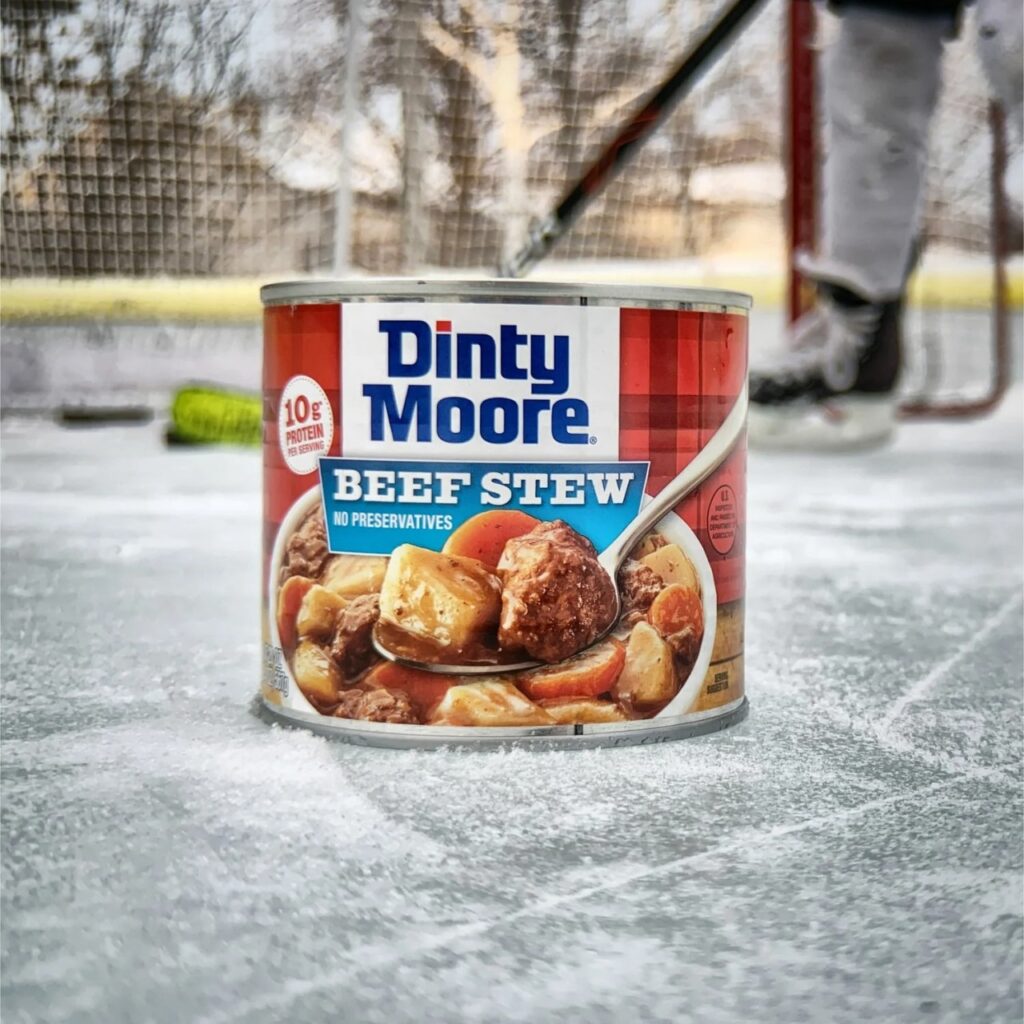
Canned meat stews are often portrayed as hearty wartime comfort food, but in reality they were inconsistent and tiring. Wartime production emphasized volume over quality, leading to wide variation between cans. Some were greasy and gelatinous, others filled with gristle or unidentifiable cuts suspended in thick gravy. Ingredients depended heavily on availability, not flavor. With limited access to herbs, spices, or fresh vegetables, meals quickly became bland and heavy. Eating the same stews repeatedly dulled appetites rather than satisfying them. While they filled stomachs, they rarely provided pleasure.
5. Margarine
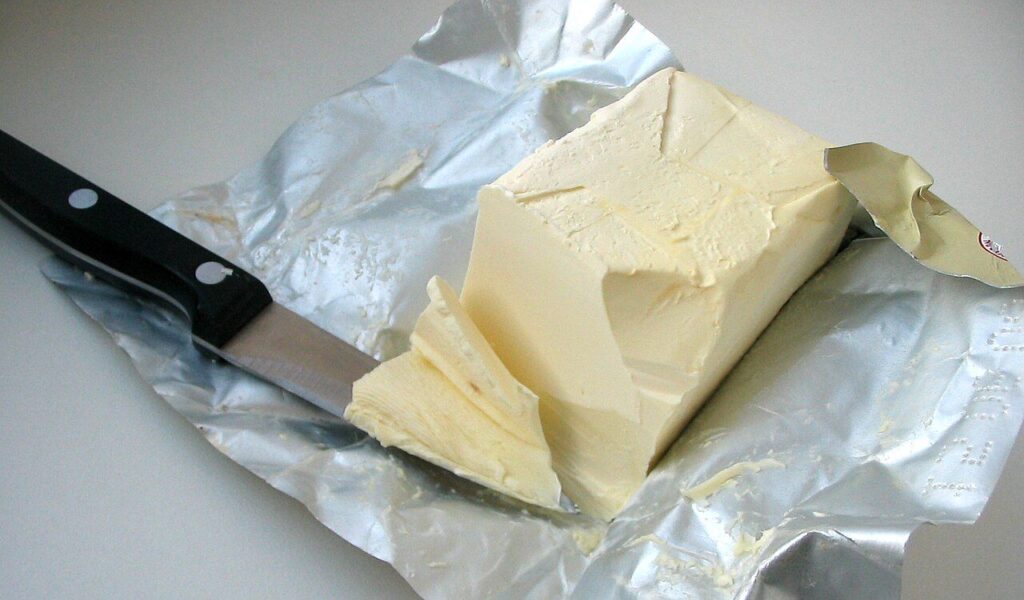
Margarine is now framed as a smart butter substitute, but early wartime versions were widely disliked. These margarines lacked the aroma, flavor, and creamy texture people associated with butter. Many were pale and unappetizing, sometimes sold with coloring packets so families could dye them yellow at home. Butter shortages forced households to use margarine regardless of preference. Nutritional quality varied, and taste complaints were common. Margarine became a constant reminder of what was missing rather than a welcome alternative. Today’s praise ignores how strongly it symbolized deprivation and compromise during the war, especially in households used to fresh dairy.
6. Sugarless Desserts
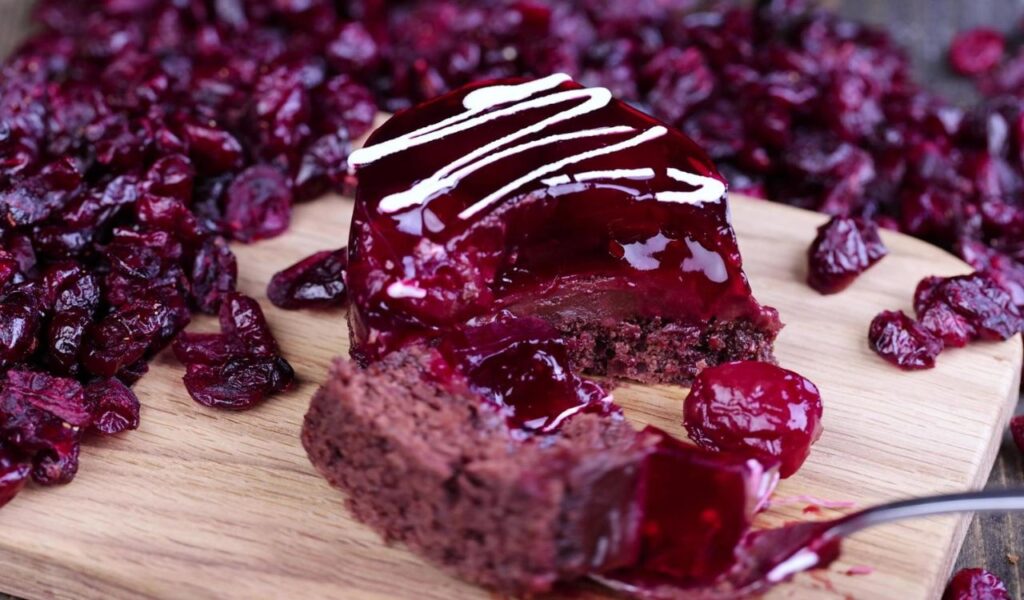
Sugar-free desserts during WWII were not early wellness trends but reluctant compromises. Sugar was tightly rationed, leaving bakers with few options for sweetness or structure. Desserts often turned out dense, dry, or flavorless, failing to satisfy cravings or provide comfort. Artificial sweeteners were scarce and unreliable, while honey and syrups were rationed as well. Many desserts existed only to maintain morale, not because they were enjoyable. Families baked out of habit or hope, but results frequently disappointed. Modern health-focused narratives overlook how unsatisfying these treats were. They reminded people of scarcity more than indulgence.
7. Powdered Milk

Powdered milk is sometimes praised as a practical staple, but many families found it unpleasant. It dissolved poorly, often leaving gritty residue and a chalky taste. Lacking the richness of fresh milk, it was especially unpopular with children, who resisted drinking it outright. As a result, many households reserved powdered milk for baking or cooking rather than drinking. Fresh milk shortages made powdered milk unavoidable, but it was rarely preferred. Its modern reputation as a survival essential ignores the widespread dislike it faced. Convenience helped people cope, but it did not make meals more enjoyable.
8. Meatless Loaves
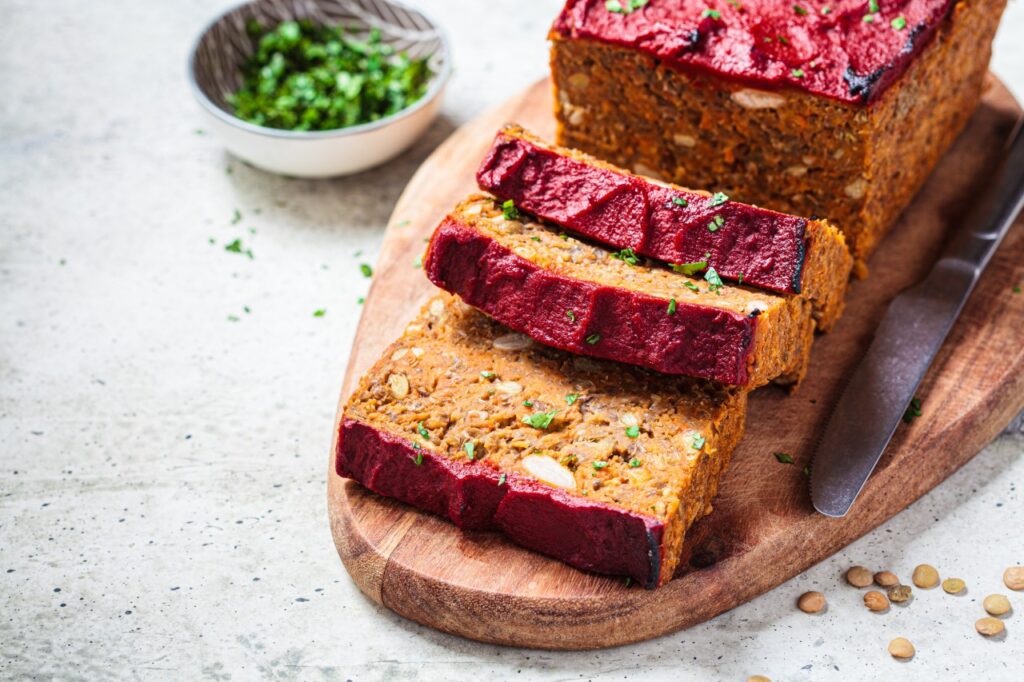
Meatless loaves are sometimes reframed as early plant-based meals, but their origins were driven by rationing. With meat tightly limited, cooks stretched portions using grains, vegetables, and fillers. The resulting loaves were dense, dry, and often bland. While filling, they lacked the flavor and texture people missed from meat-based dishes. These meals were eaten out of obligation rather than interest. Modern reinterpretations forget that these loaves symbolized scarcity and constraint. They were practical solutions, not culinary experiments, and few people ate them by choice. For many families, meatless loaves became a reminder of shortages rather than a satisfying centerpiece.
9. Cornmeal Mush
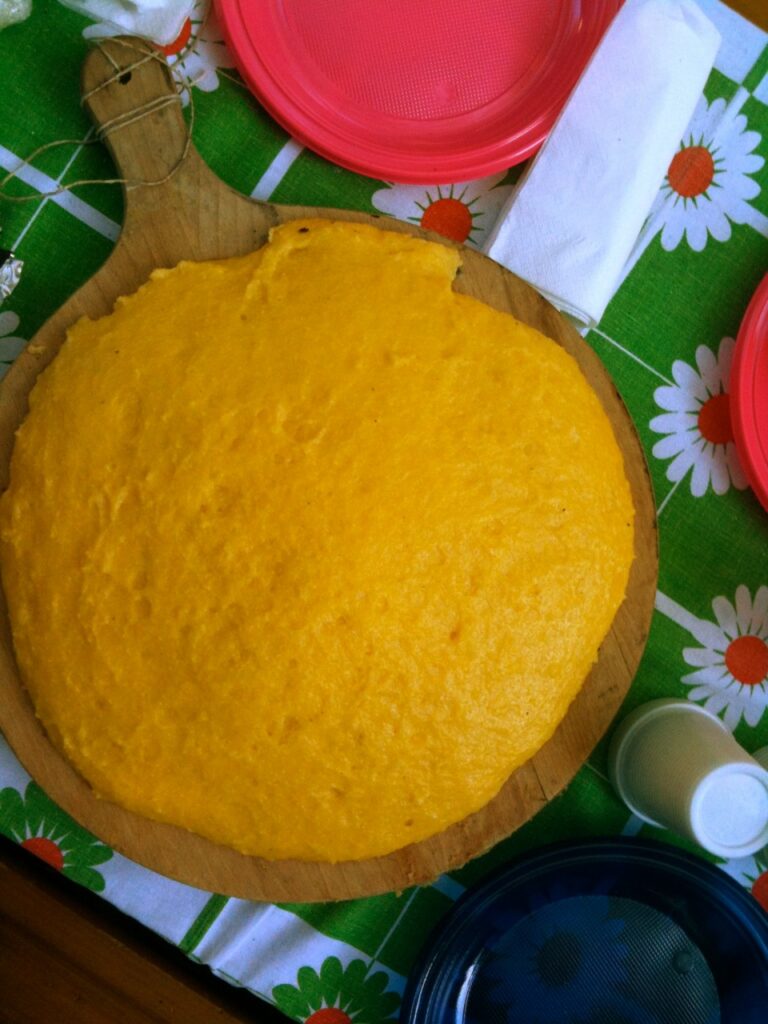
Cornmeal mush is often described as rustic and nourishing, but during rationing it became tiresome quickly. It was inexpensive, filling, and widely available, which made it a frequent staple. Limited access to seasonings meant meals tasted nearly identical day after day. Families boiled it, fried it, or baked it simply to add variety. The issue was not cornmeal itself but relentless repetition. Modern nostalgia ignores how strongly people craved change. Cornmeal mush kept hunger at bay, but it rarely brought satisfaction or excitement to the table. For many households, it became a food associated with endurance rather than enjoyment.
10. Victory Bread
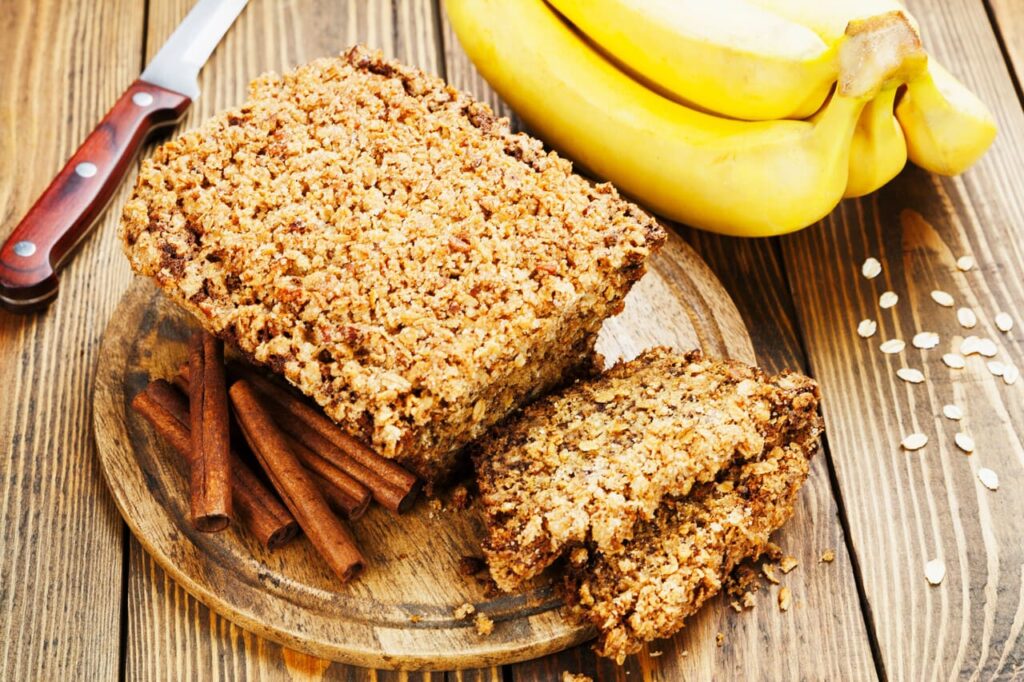
Victory bread was designed to conserve wheat by incorporating alternative flours such as barley or oats. While practical, the result was bread that was darker, denser, and prone to staling quickly. Texture suffered, and flavor fell short of prewar loaves. Bread was a daily staple, so its decline was deeply felt. Sandwiches lost appeal, and toast lacked the familiar comfort people missed. Victory bread filled a need but never replaced what was lost. Its modern praise overlooks how clearly it represented compromise rather than improvement. Many families noticed it crumbled easily or dried out within a day. Eating it was less about enjoyment and more about making do.
11. Canned Cheese

Canned cheese is sometimes described as indulgent, but wartime versions were heavy, salty, and highly processed. It was valued for shelf stability, not taste. Repeated use made it cloying and difficult to enjoy. Fresh cheese was scarce, leaving canned varieties as the only option for many families. While it provided fat and calories, pleasure was limited. Modern enthusiasm skips over how quickly people grew tired of it. Canned cheese was functional fuel, not a treat. Its strong flavor often overwhelmed simple meals instead of improving them. Over time, it became something people used sparingly despite its long shelf life.
12. Mock Apple Pie
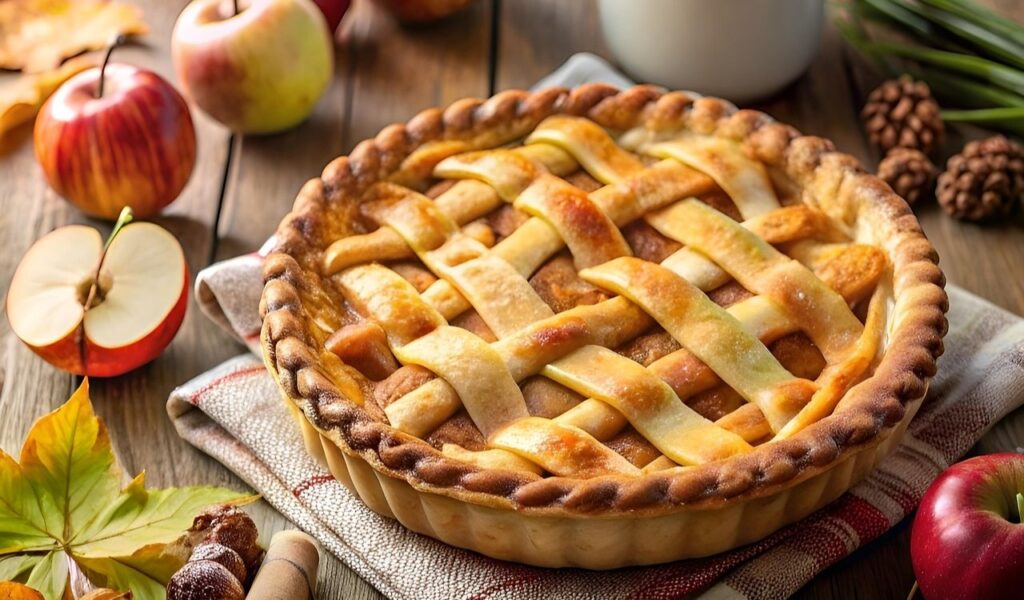
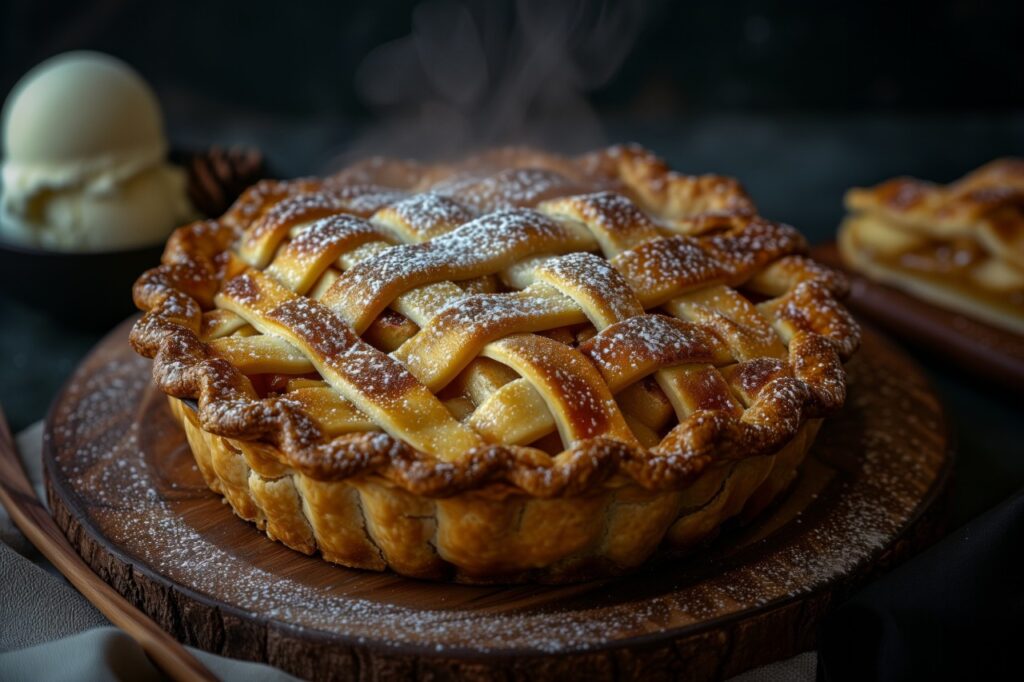
Mock apple pie is often celebrated as clever ingenuity, but it was born from absence. Made with crackers instead of apples, it relied on sugar, spices, and imagination to mimic fruit. While creative, it never fully matched the texture or flavor of real apples. Families made it because apples were unavailable, not because it was better. The dish highlighted scarcity rather than abundance. Modern charm erases the frustration and longing that inspired its creation in the first place. Many bakers saw it as a reminder of what could not be bought or grown. It satisfied tradition more than taste. For many households, serving it felt like keeping a ritual alive despite missing its heart.
13. Dried Fish
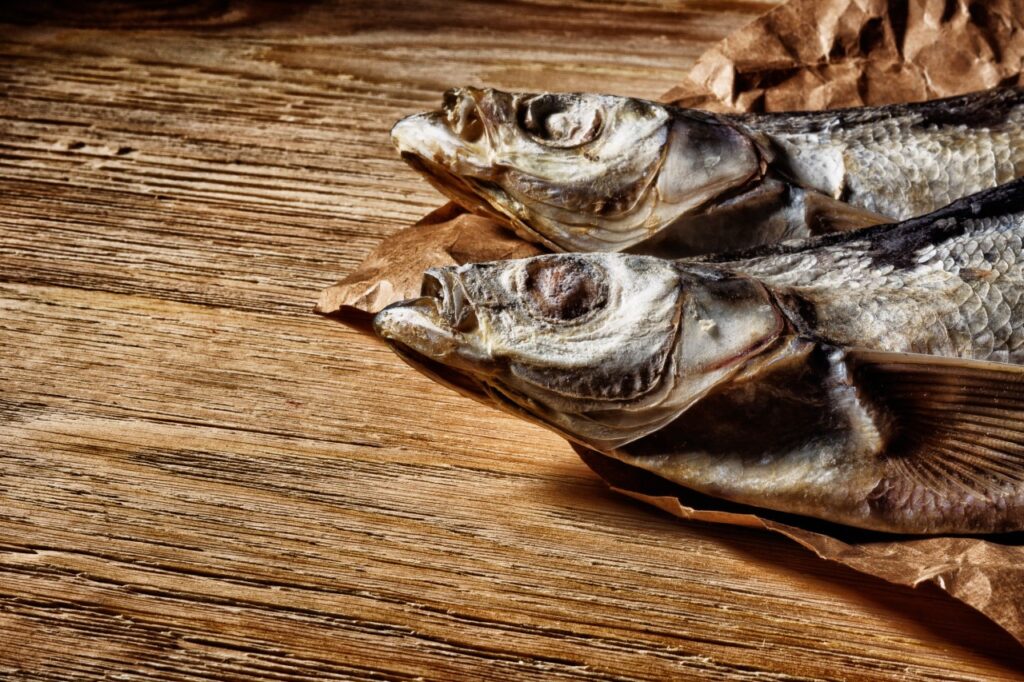
Dried fish served as a protein alternative when fresh options were limited. Its strong smell and chewy texture made it unpopular, especially indoors. Preparing it required soaking and careful cooking, adding work to already strained households. While nutritious, it rarely felt satisfying. Modern reinterpretations often ignore how much effort was needed to make it edible. Dried fish was eaten for survival, not enjoyment, and few looked forward to it. The lingering odor often filled small kitchens long after meals ended. For many families, it was a food tolerated rather than welcomed. Its presence at the table often signaled necessity rather than nourishment or comfort.
14. Liver-Based Dishes
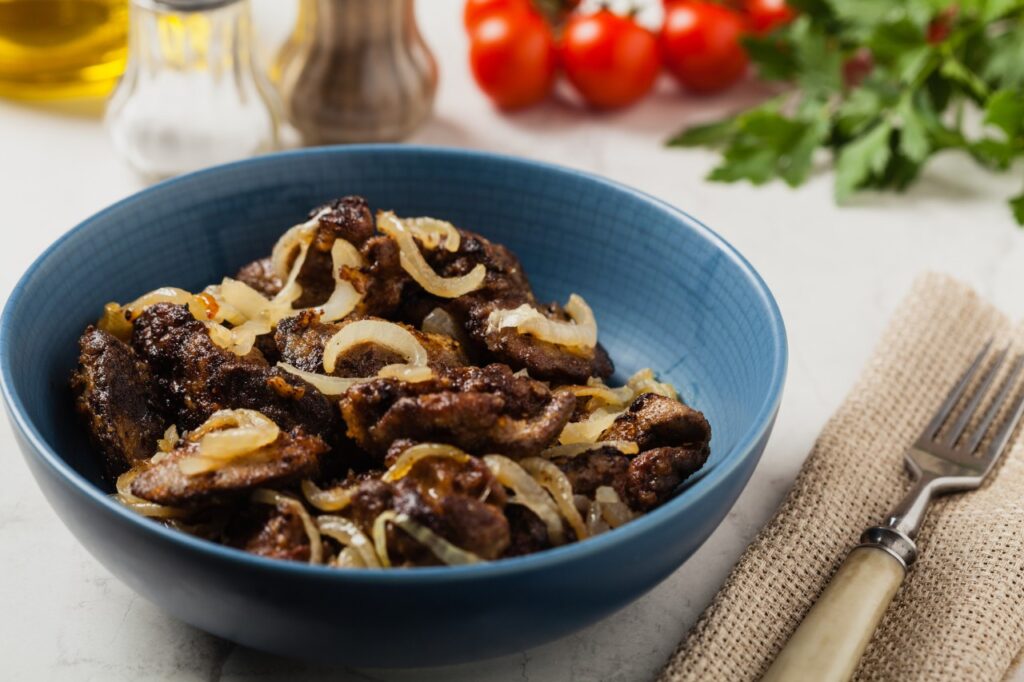
Liver was heavily promoted for its nutritional value, especially iron and vitamins. Despite its benefits, its strong flavor and soft texture made frequent meals unpleasant. Many households struggled to prepare it in ways children would eat. Over time, liver became associated with obligation rather than nourishment. Its modern reputation as a superfood overlooks how reluctantly it was consumed. During the war, it represented enforced nutrition, not comfort. Even creative cooking methods could not fully overcome widespread dislike. Liver dinners often ended with leftovers no one wanted to revisit. For many families, it became the meal everyone endured but never requested.
15. Boiled Root Vegetables
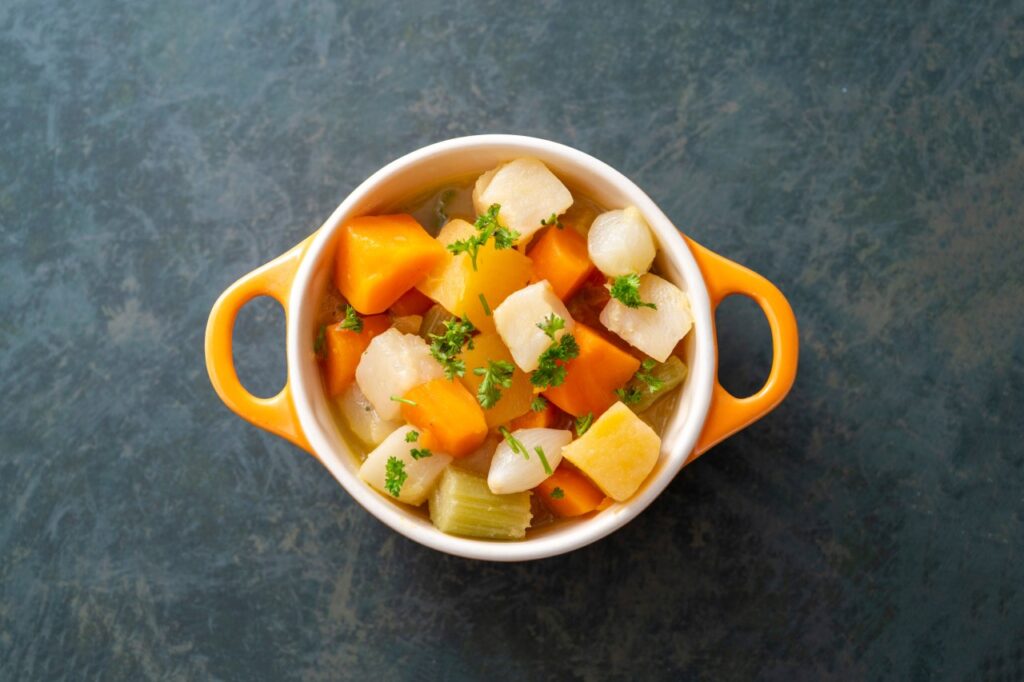
Root vegetables like turnips and rutabagas were abundant and reliable, making them a rationing staple. Repeatedly boiled with little seasoning, they became dull and monotonous. The problem was not the vegetables themselves but the lack of variety and flavor. Families ate them daily because alternatives were scarce. Modern praise forgets how exhausting this repetition was. These vegetables filled stomachs but rarely lifted morale. Over time, even familiar favorites lost their appeal. What once felt hearty slowly became a symbol of culinary fatigue. The constant repetition drained the enthusiasm from meals meant only to quiet hunger.