10 Restaurant Design Tricks That Push Diners to Spend More and Eat Faster

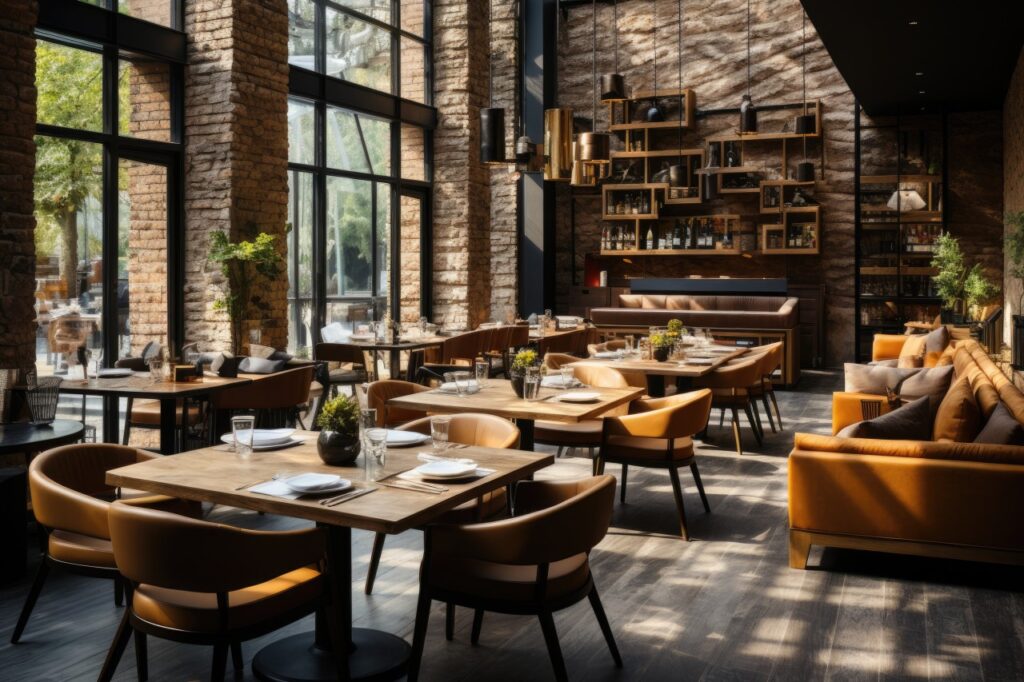
Restaurants don’t rely on food alone to shape your experience. Every chair, light, color, and sound is carefully chosen to guide how long you stay, how fast you eat, and how much you spend. These design choices rarely feel pushy or obvious. Instead, they work quietly in the background, nudging behavior while keeping diners comfortable enough to return. From seating that discourages lingering to lighting that keeps energy high, restaurant spaces are built to move people through efficiently. Understanding these subtle tactics reveals why some meals fly by and cost more than expected, even when the food feels familiar.
1. Hard Seating Instead of Cushioned Chairs
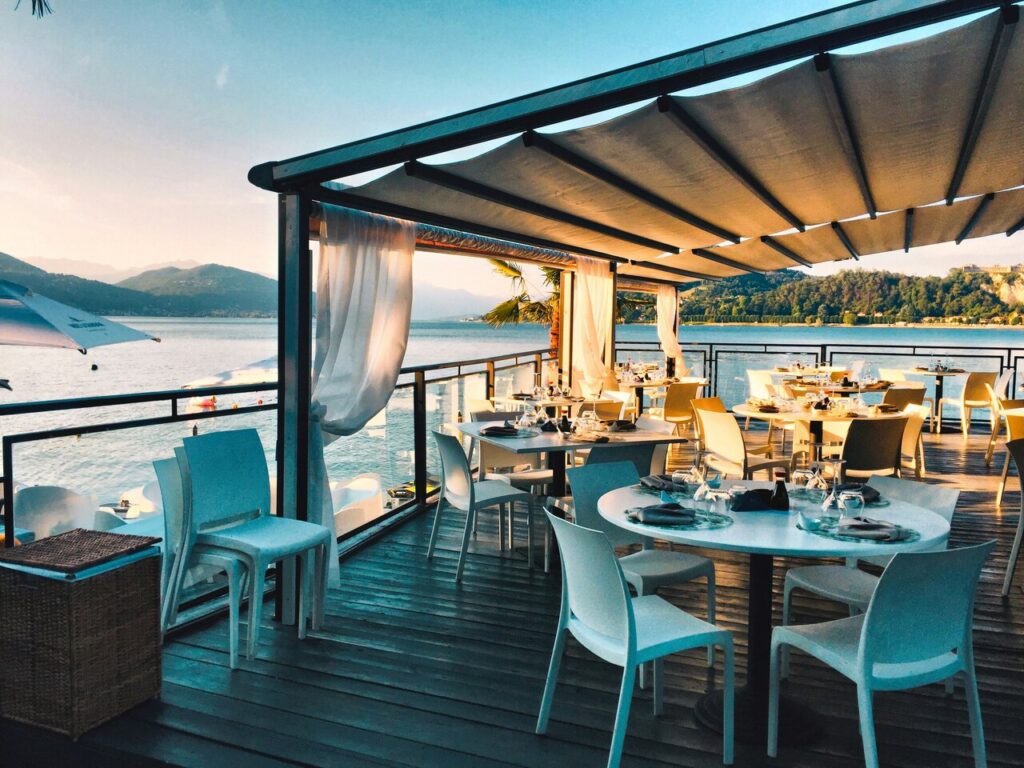
Comfort in restaurants is carefully calculated, and hard seating is one of the most deliberate choices. Chairs that are firm, narrow, or minimally padded subtly limit how long diners want to stay. When the body never fully relaxes, people tend to finish meals faster and skip lingering extras like dessert or coffee. This is not about making guests uncomfortable enough to complain, but about removing the physical cues that encourage staying put. Cushioned chairs invite leaning back, settling in, and extending conversations. Hard seating keeps posture upright and slightly alert. From an operational standpoint, these chairs are cheaper, last longer, and are easier to clean.
2. Tight Table Spacing
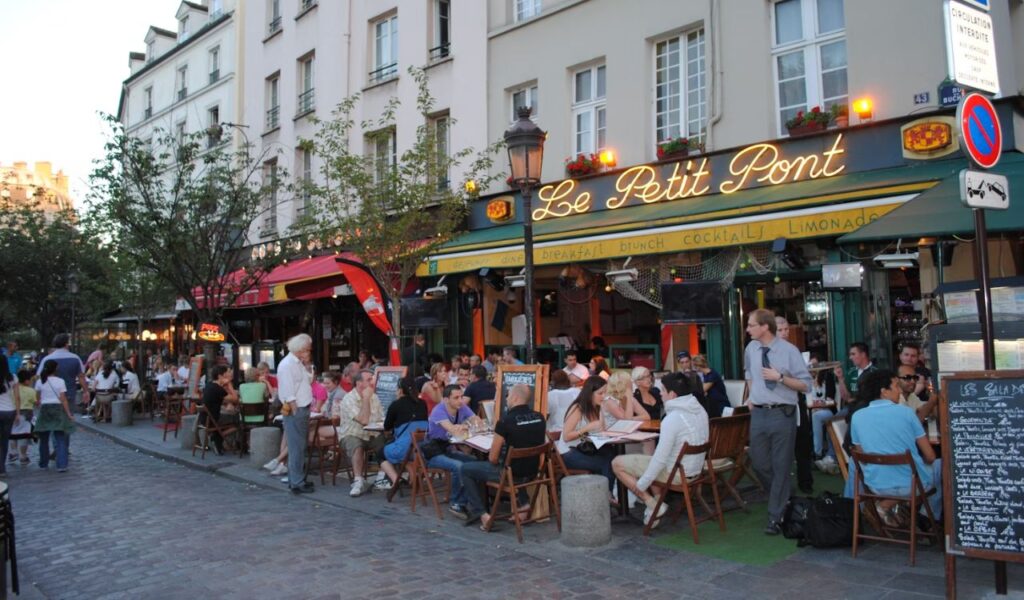
The distance between tables plays a powerful role in pacing a meal. When diners sit close to strangers, privacy disappears and awareness increases. Conversations become quieter, body language tightens, and meals feel less relaxed. This environment discourages long stays and extended courses. Tight spacing also increases overall noise levels, which research shows leads people to eat faster. Restaurants benefit by fitting more tables into the same space, increasing revenue per square foot. A crowded room also signals popularity, making diners more accepting of higher prices. Guests often order quickly to avoid feeling in the way of servers or nearby tables.
3. Bright Overhead Lighting
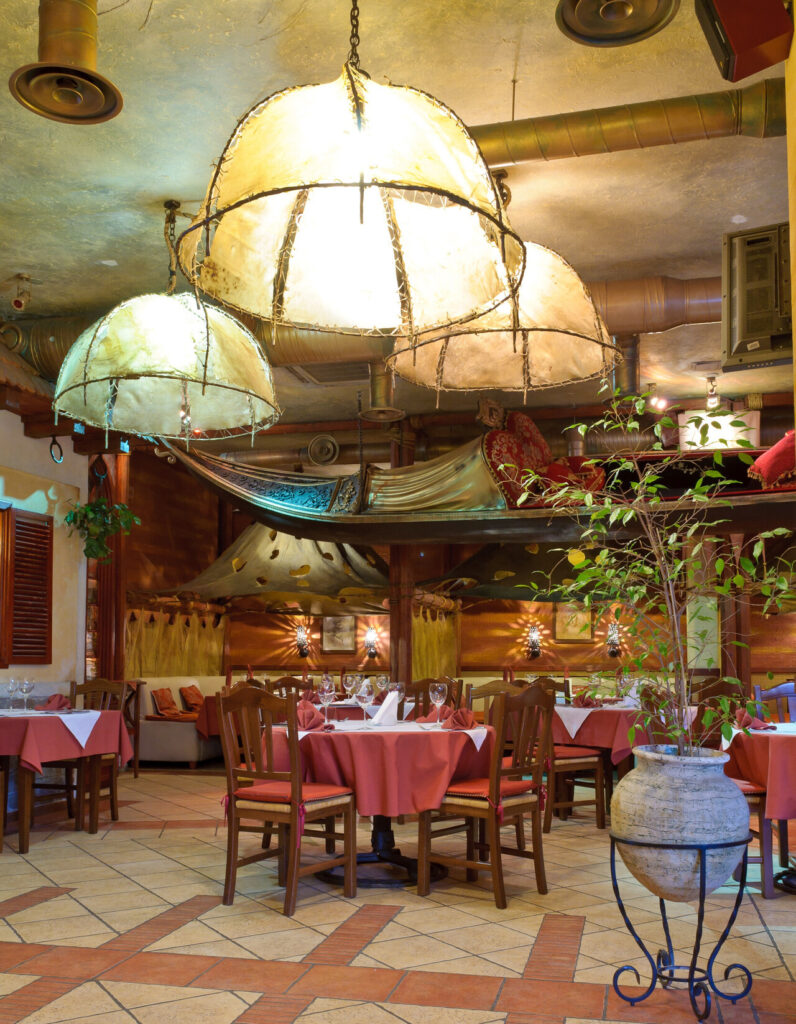
Lighting shapes mood more than most diners realize. Bright, cool-toned lighting keeps the brain alert and engaged. It reduces feelings of intimacy and calm that would otherwise encourage lingering. Under strong overhead lights, people tend to be more aware of time and surroundings. This leads to quicker eating and faster decisions. Dim, warm lighting slows behavior and promotes longer stays, which is why it is often reserved for fine dining. In casual and fast-casual restaurants, brightness supports efficiency for both staff and guests. It improves visibility, reduces errors, and maintains a steady pace. The tradeoff is intentional. Speed and volume matter more than lingering comfort.
4. Strategic Menu Placement
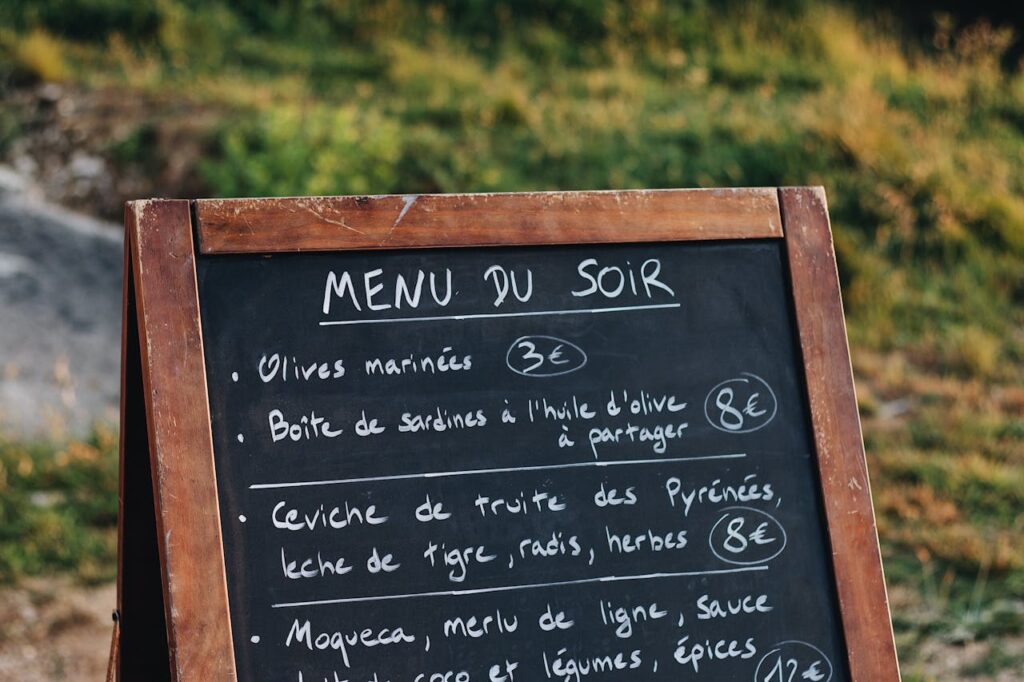
Menu placement is designed to limit hesitation. Menus mounted high on walls or behind counters force customers to decide while standing or craning their necks. This physical discomfort shortens browsing time. When people feel rushed, they rely on visual cues like photos, highlighted items, or large fonts rather than scanning prices closely. This steers them toward featured dishes that are often higher margin. Limited menu access also reduces comparison shopping. Restaurants know that fewer choices made quickly often lead to higher spending. The design removes opportunities to second-guess or downgrade orders. What feels like convenience is actually controlled decision-making.
5. Warm Color Palettes
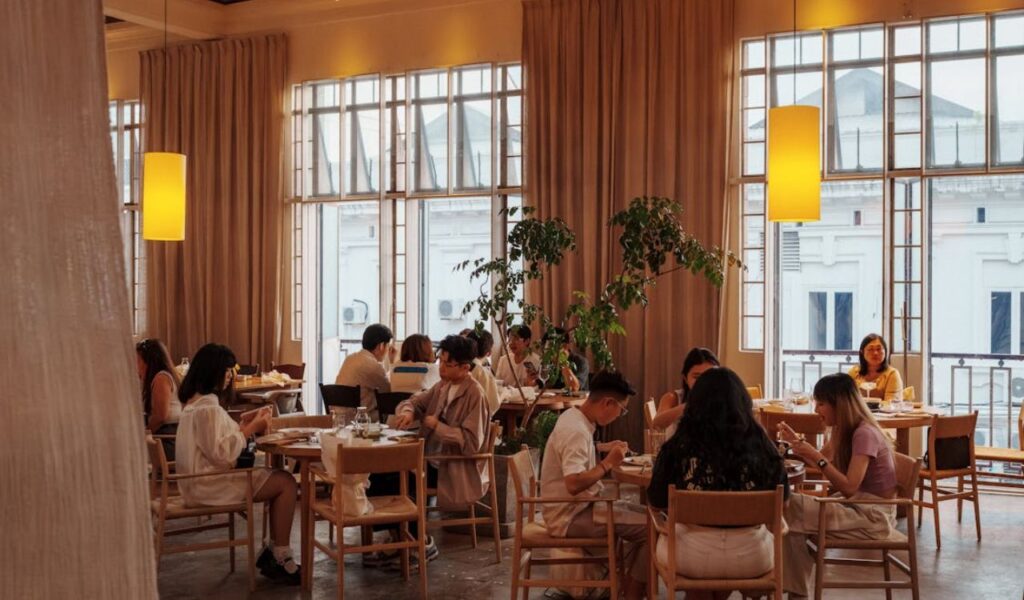
Colors influence appetite and speed in measurable ways. Warm tones like red, orange, and yellow increase heart rate slightly and stimulate hunger. These colors create energy rather than calm. In an energetic space, people eat faster and make quicker decisions. That is why fast food and casual dining spaces rarely use cool blues or muted neutrals as dominant colors. Warm palettes also keep attention focused on food rather than atmosphere. The environment feels active and social, not restful. This visual stimulation encourages diners to order promptly and move on once finished. Color becomes a silent signal that this is a place to eat, not linger.
6. Music Tempo Control
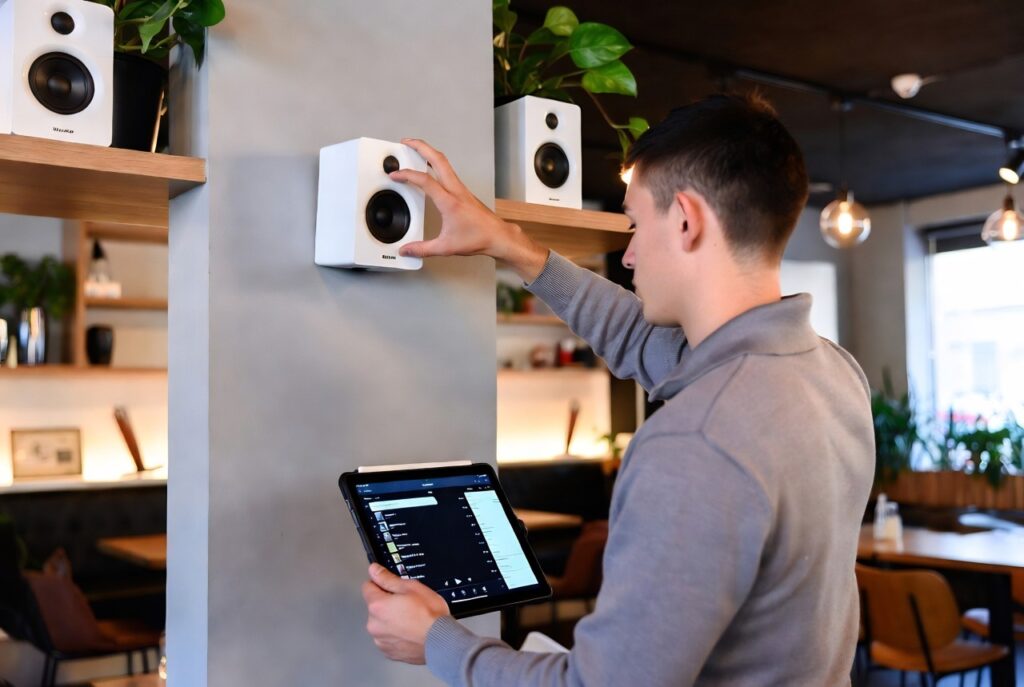
Music sets the rhythm of a meal. Faster tempos increase chewing speed and reduce the length of pauses between bites. Restaurants adjust playlists throughout the day to match traffic patterns. During peak hours, upbeat music keeps energy high and tables moving. During slower periods, music may soften to encourage longer stays. Diners rarely notice the change consciously, but their behavior responds to it. Music also masks background noise, making crowded rooms feel intentional rather than chaotic. The tempo quietly coordinates customer flow without verbal cues. This allows restaurants to manage pacing while preserving a relaxed surface experience.
7. Minimal Table Decor
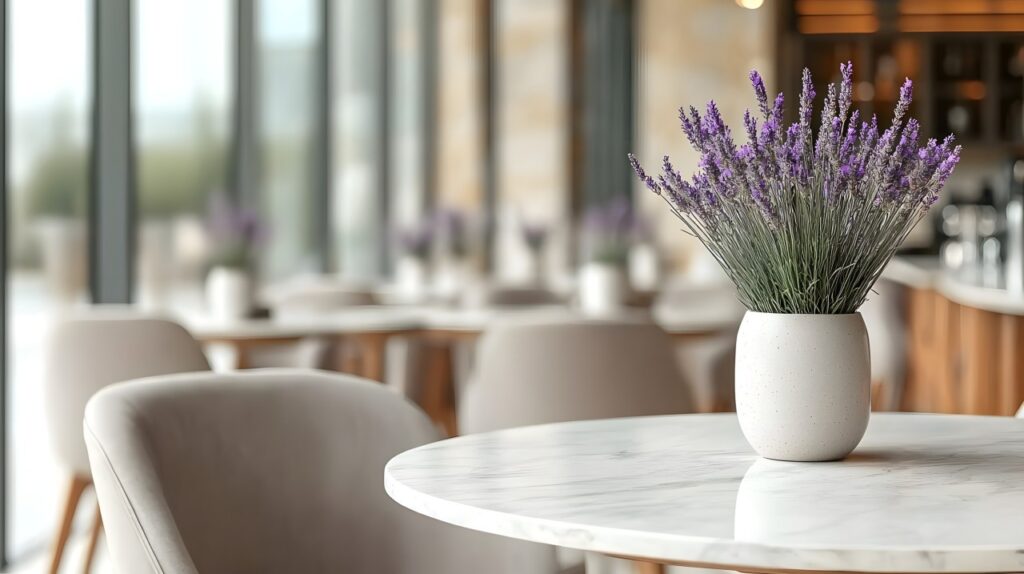
Bare tables are not a design oversight. They are a signal of transience. Without tablecloths, candles, or decorative elements, tables feel temporary and functional. This discourages settling in after the meal ends. Minimal decor also speeds cleaning and resetting, which supports faster turnover. Visually, fewer objects reduce emotional attachment to the space. Diners focus on eating rather than ambiance. Once plates are cleared, there is little reason to stay seated. The simplicity keeps the dining experience efficient while still appearing modern and intentional. This streamlined setup subtly cues diners that the experience is about efficiency, not lingering comfort.
8. Seating Near Entrances and Walkways
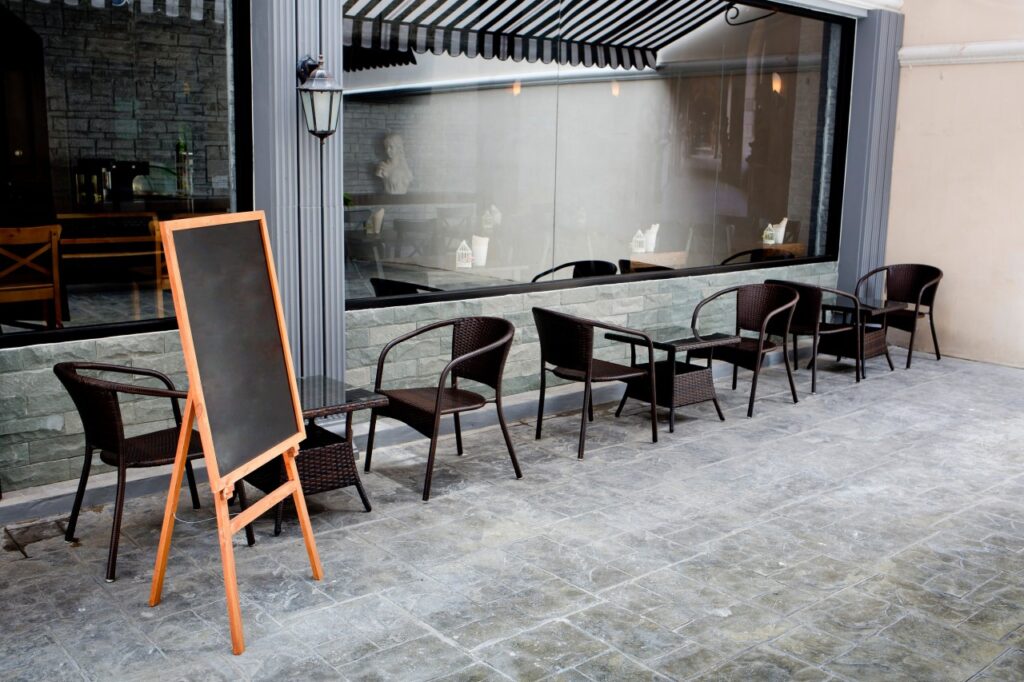
High-traffic seating areas are intentionally placed. Tables near doors or main walkways experience constant movement, drafts, and noise. This prevents deep relaxation. Diners in these seats are more likely to eat quickly and leave sooner. These tables are often used for walk-ins or short stays rather than long meals. The design ensures that the most disruptive areas also produce the fastest turnover. Guests may not identify the reason they feel rushed, but the environment creates it. Meanwhile, quieter corners are reserved for guests expected to stay longer. Space is used strategically to manage time.
9. Open Kitchen Visibility
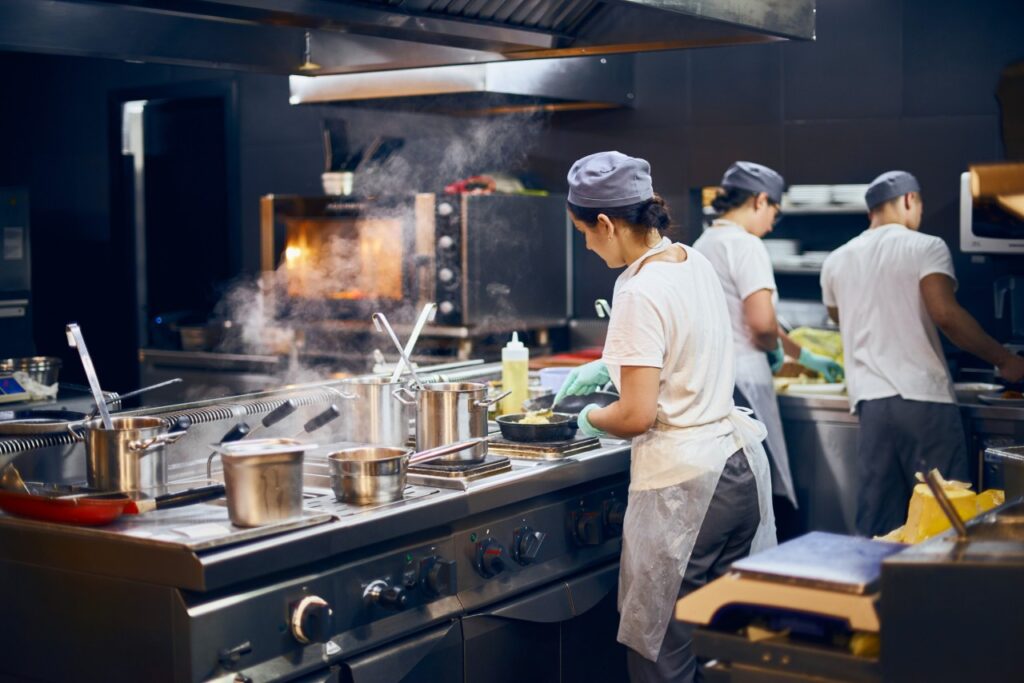
Open kitchens increase spending while accelerating pace. Watching food being prepared stimulates appetite and increases interest in add-ons. Movement, sound, and visual heat keep energy levels high in the dining room. At the same time, the constant activity reinforces awareness of time and flow. Diners see meals being cooked and served, which creates momentum. Open kitchens also signal freshness and transparency, making higher prices feel justified. They serve as both entertainment and subtle pressure. The environment feels alive, encouraging diners to order, eat, and move on. This constant visual motion subtly reduces the sense of a leisurely meal and replaces it with forward momentum.
10. Limited Waiting Areas
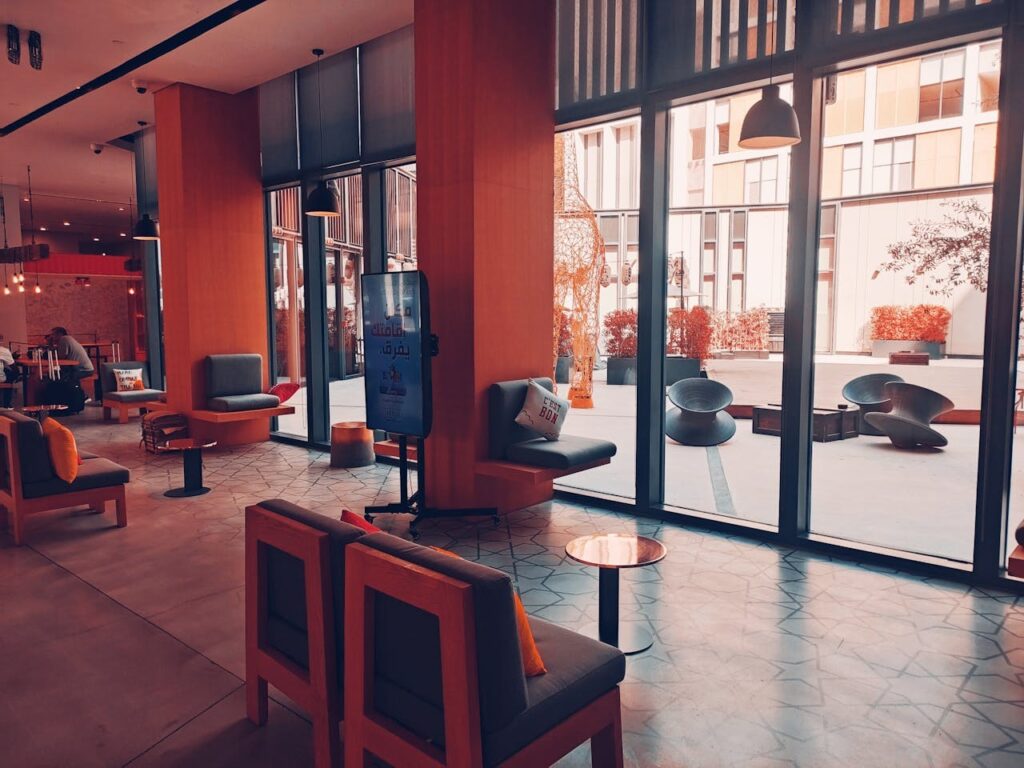
Small or uncomfortable waiting spaces create urgency before diners even sit down. Seeing others standing with nowhere to relax increases perceived demand. Once seated, guests feel fortunate to have a table and are more likely to order quickly. They are also less inclined to linger afterward, knowing others may be waiting. Limited waiting areas discourage loitering and keep foot traffic flowing. This design choice shapes expectations around speed and efficiency. Diners unconsciously adjust their behavior to match what the space communicates. The message is clear without being spoken. Scarcity of space reinforces the idea that time at the table is limited and valuable.