9 Restaurant Starters That Cost More Than They’re Really Worth

The appetizer menu is designed to tempt. A few bites before the main course can feel like the perfect way to start a meal, especially when the dishes sound indulgent, shareable, and expertly prepared.
But not every starter delivers the value diners expect. Many popular appetizers rely on inexpensive ingredients that are transformed through clever presentation, trendy names, or the promise of something indulgent.
That does not make them bad choices. It simply means some starters carry markups that far exceed their ingredient cost. Knowing which ones do can make your next restaurant order a little smarter.
1. Bread Basket or Table Bread Service
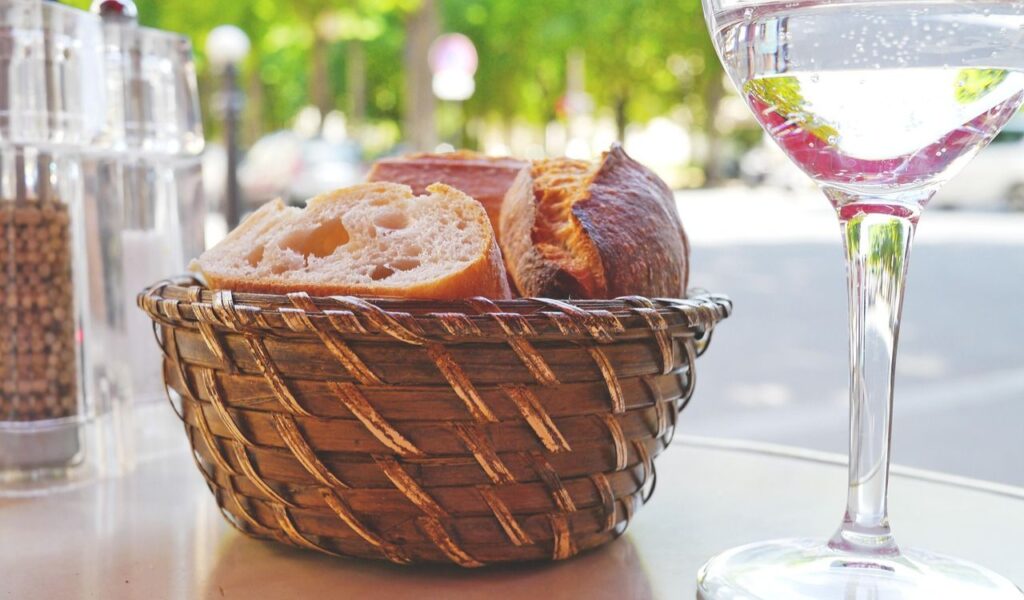
Few starters feel more traditional than a basket of warm bread arriving at the table. Yet in many restaurants, this simple offering has shifted from a complimentary gesture to a paid appetizer that can carry a surprising price.
The ingredients themselves are inexpensive. Flour, yeast, butter, and oil cost little compared with most menu items. However, restaurants increasingly charge for bread service to offset labor involved in baking, slicing, plating, and replenishing baskets during busy dining hours.
Another factor is food waste. Bread baskets are often only partly eaten and must be discarded for safety reasons. By attaching a price to the basket, restaurants reduce waste while recovering the cost of preparation and table service.
2. Loaded Nachos
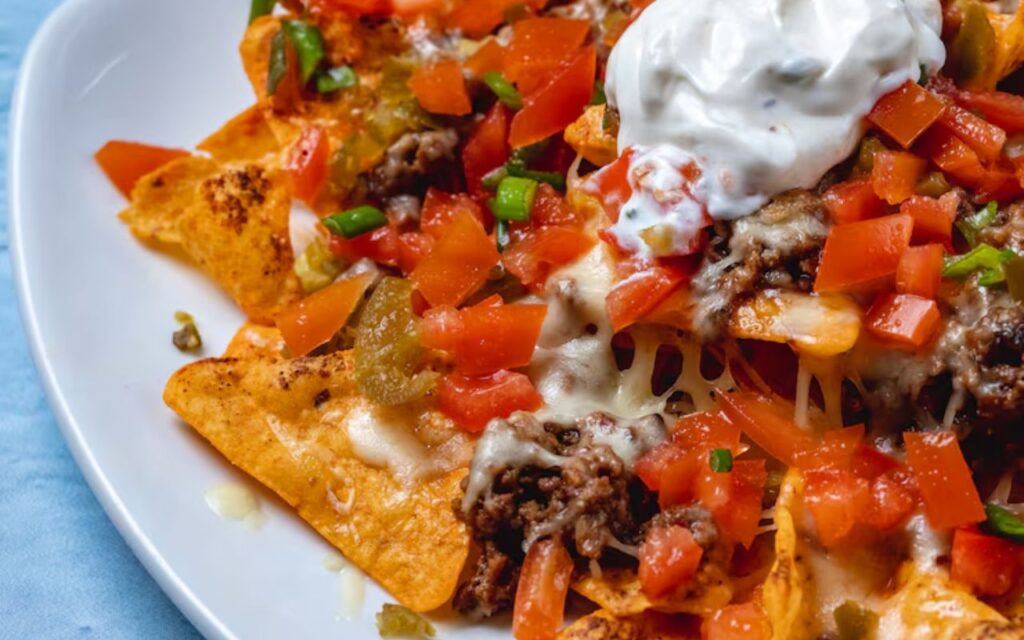
Loaded nachos often appear as a generous starter meant for sharing. Piled high with cheese, jalapeños, sour cream, and toppings, they create the impression of a large and valuable appetizer.
In reality, the base ingredient is usually inexpensive tortilla chips. Most toppings, such as processed cheese sauce or shredded blends, are relatively low-cost as well. Even when meat is added, the portion is often small compared with the total price charged.
Restaurants price nachos higher because they are perceived as a group-friendly dish. The large presentation encourages sharing, which allows the kitchen to generate strong profit margins from ingredients that remain inexpensive.
3. Fried Calamari
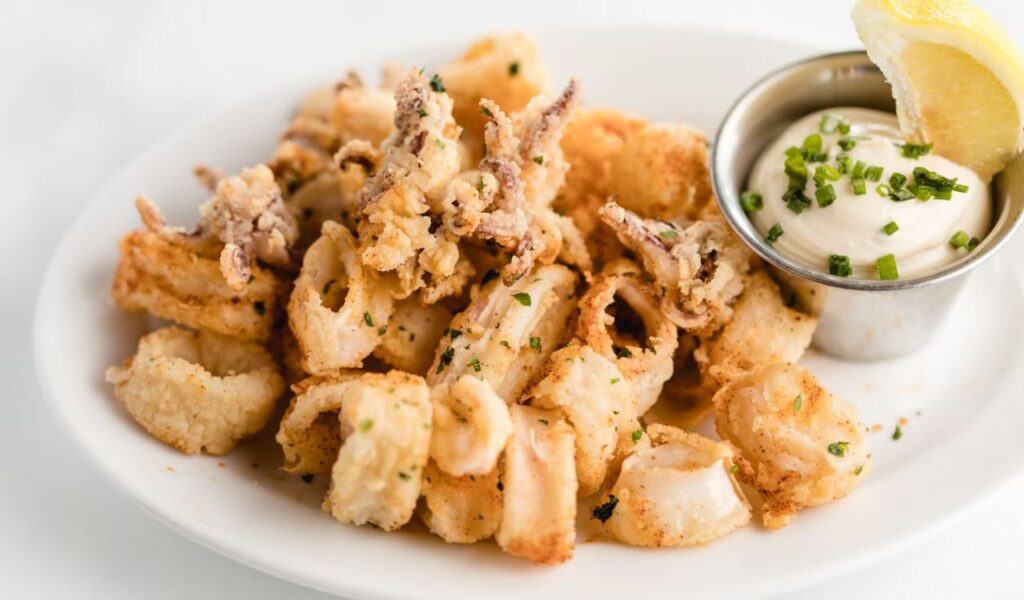
Fried calamari is one of the most common seafood starters on restaurant menus. Golden rings served with marinara or aioli often suggest a premium seafood experience before the main course arrives.
However, much of the dish’s cost lies in presentation rather than ingredients. Many restaurants purchase frozen, pre-cut squid rings that are breaded and fried in large batches. The actual seafood portion may be smaller than diners expect.
The price reflects restaurant overhead more than the raw ingredient. Oil for frying, kitchen labor, and seafood handling standards all contribute. Still, the markup on calamari remains significant compared with the wholesale cost of the squid.
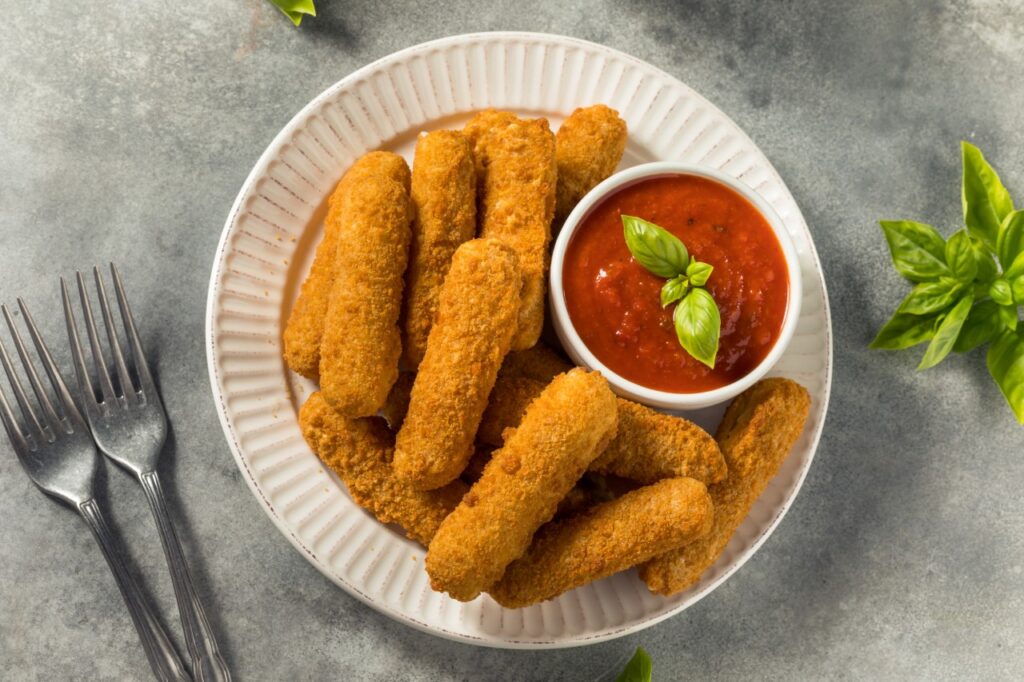
4. Mozzarella Sticks
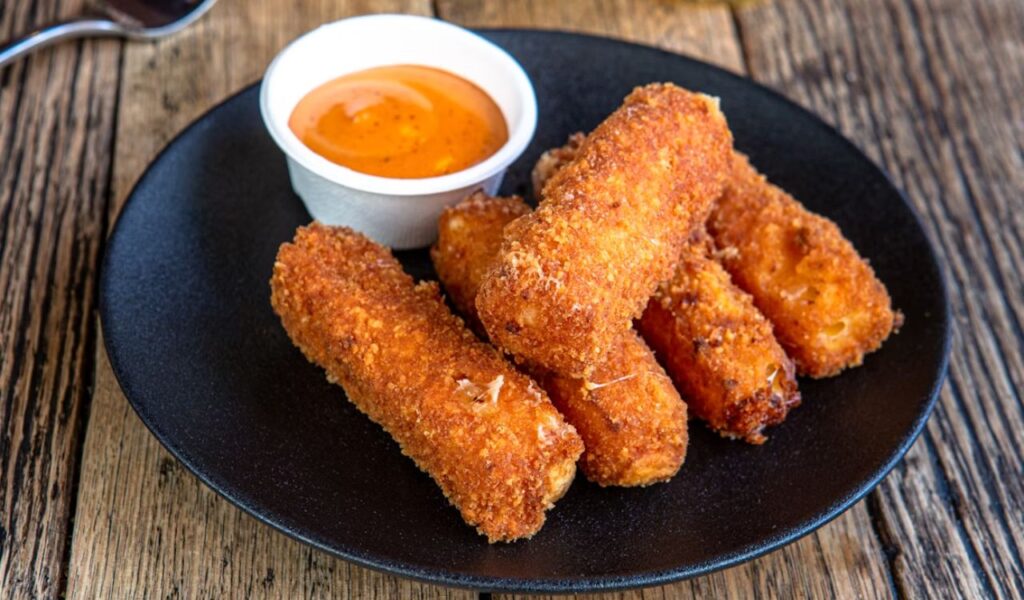
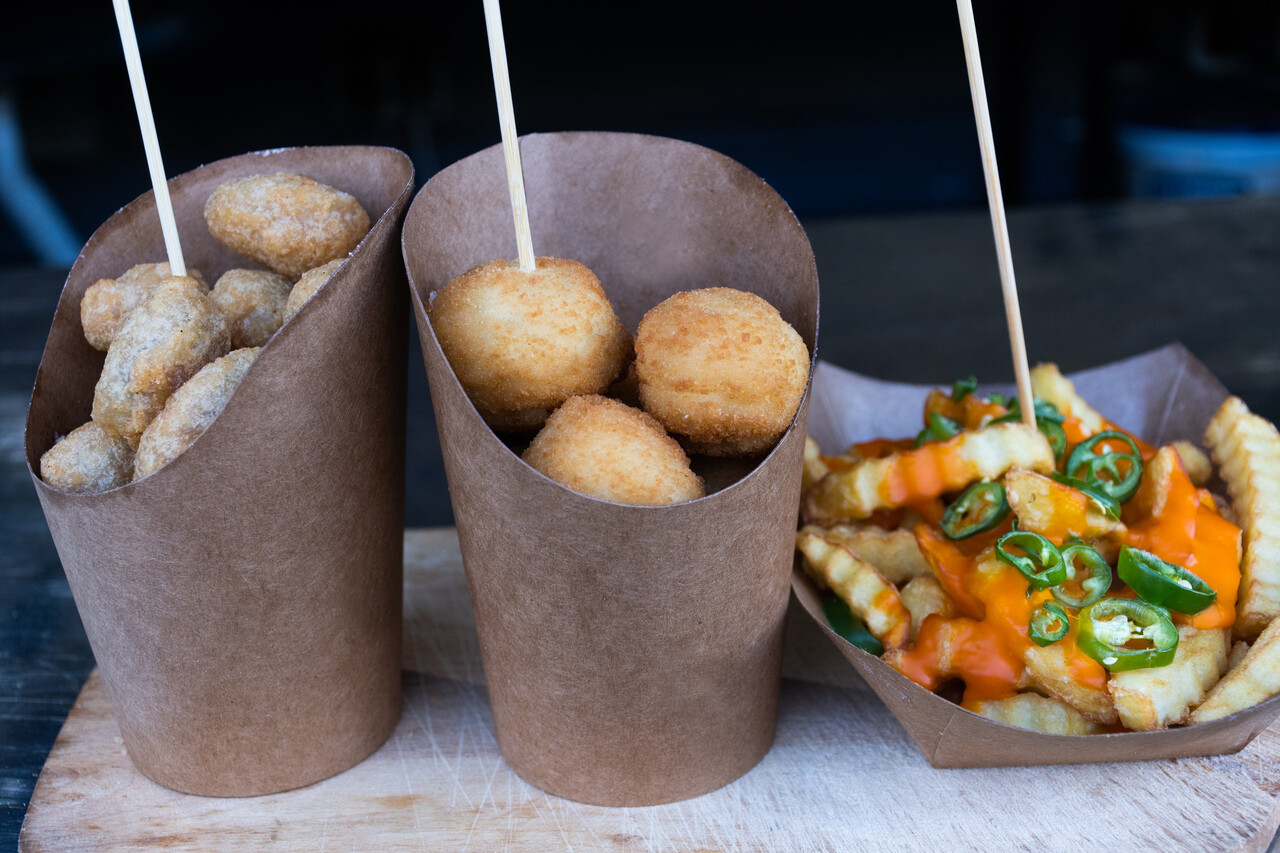
Mozzarella sticks are a comfort food classic that rarely fails to sell. Crispy breading and melted cheese make them a reliable crowd-pleasing appetizer across casual dining chains and independent restaurants alike.
From a cost perspective, the ingredients are simple. Blocks of mozzarella are cut, coated with breadcrumbs, and deep-fried. Many establishments even purchase them pre-made and frozen from food distributors.
Despite the low production cost, mozzarella sticks often appear on menus at prices that rival more complex starters. The markup exists because they are easy to prepare quickly, require minimal labor, and consistently attract orders from diners.
5. Truffle Fries
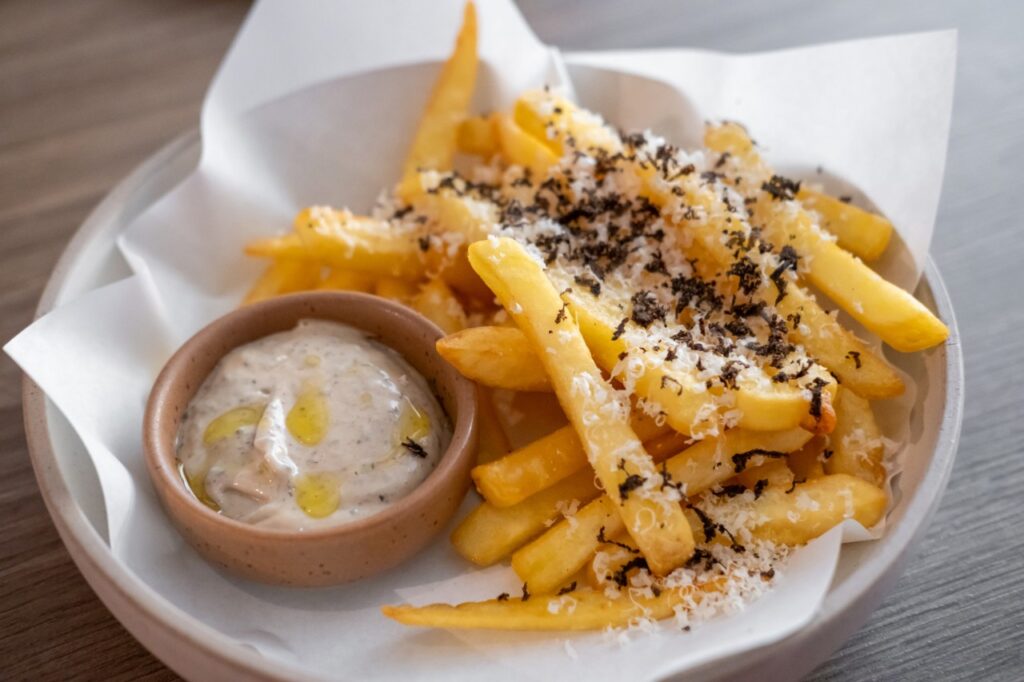
Truffle fries sound luxurious, and that perception plays a major role in their pricing. The phrase alone suggests a rare ingredient and a gourmet preparation.
In many restaurants, however, the fries are not made with fresh truffles. Instead, they are tossed in truffle-flavored oil, which contains aromatic compounds designed to mimic the scent of real truffles. The oil is far less expensive than the ingredient diners imagine.
Restaurants rely on the strong aroma and premium reputation of truffles to justify higher prices. The dish itself still starts with ordinary potatoes that cost very little, making the profit margin particularly high.
6. Spinach and Artichoke Dip
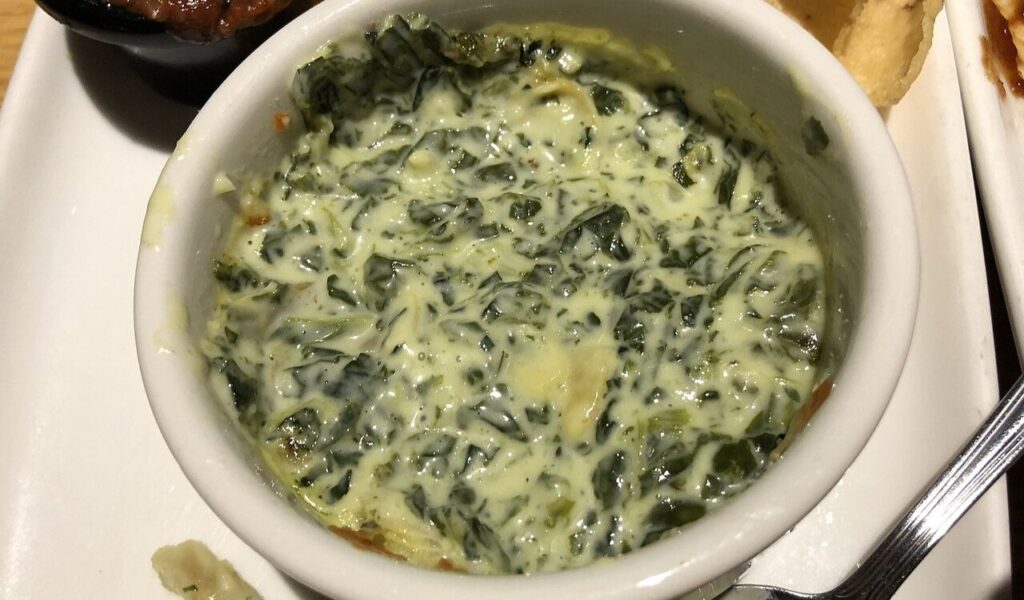
Spinach and artichoke dip has become a staple appetizer across American restaurant menus. Served hot with tortilla chips or toasted bread, it feels rich and satisfying enough to share among several diners.
Yet the base ingredients are relatively inexpensive. Cream cheese, mayonnaise, spinach, and canned artichokes make up most recipes. These ingredients are easy to store, prepare in bulk, and reheat quickly during service.
Because the dip is filling and popular with groups, restaurants price it higher than the ingredient list might suggest. The creamy texture and warm presentation create the impression of a premium dish even though the preparation cost remains modest.
7. Shrimp Cocktail

Shrimp cocktail carries an upscale reputation that dates back to classic steakhouse dining. Chilled shrimp arranged around a glass of cocktail sauce still signals a traditional seafood starter.
The actual cost of shrimp varies widely depending on sourcing. Many restaurants rely on frozen shrimp imported in bulk, which keeps ingredient costs manageable. Once thawed and plated, the preparation itself is very simple.
The dish’s elegant presentation allows restaurants to charge a premium. Diners associate shrimp cocktail with fine dining, which means the perceived value often exceeds the relatively straightforward preparation behind the plate.
8. Bruschetta
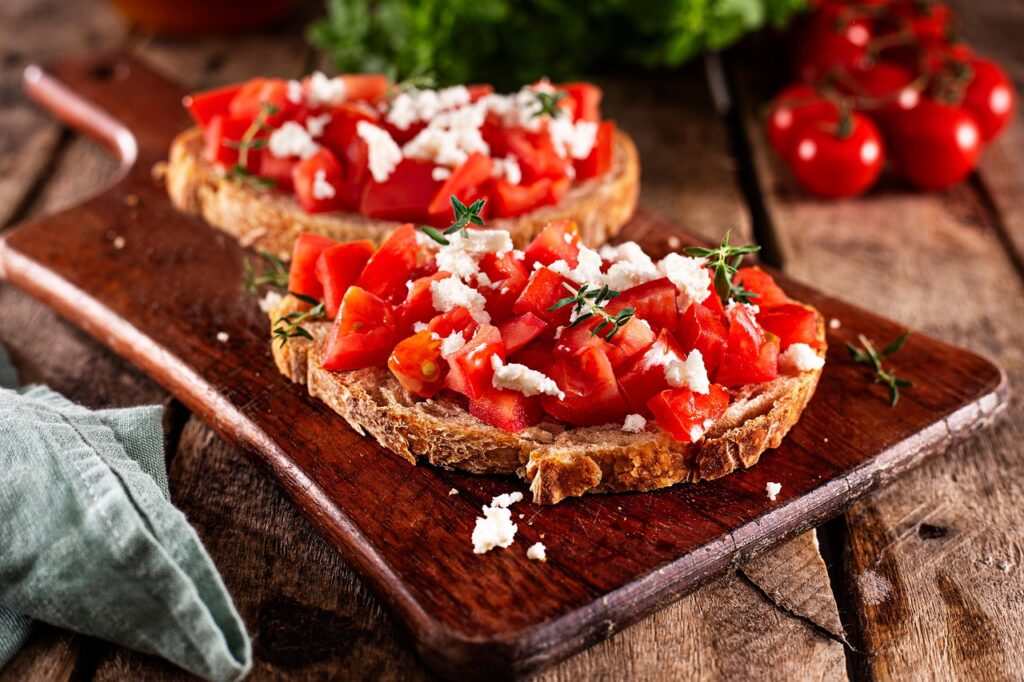
Bruschetta appears on menus as a light, Mediterranean-style starter. Toasted bread topped with diced tomatoes, olive oil, garlic, and herbs delivers fresh flavor with minimal cooking.
Despite its appealing simplicity, the ingredients remain inexpensive. Tomatoes, bread, and olive oil are basic pantry items that restaurants can prepare quickly in large batches. Assembly takes only minutes before the plate reaches the table.
Restaurants often rely on presentation and portion size to justify the price. Several small pieces arranged neatly on a plate can look refined, even though the ingredient cost is among the lowest of most appetizers.
9. Deviled Eggs
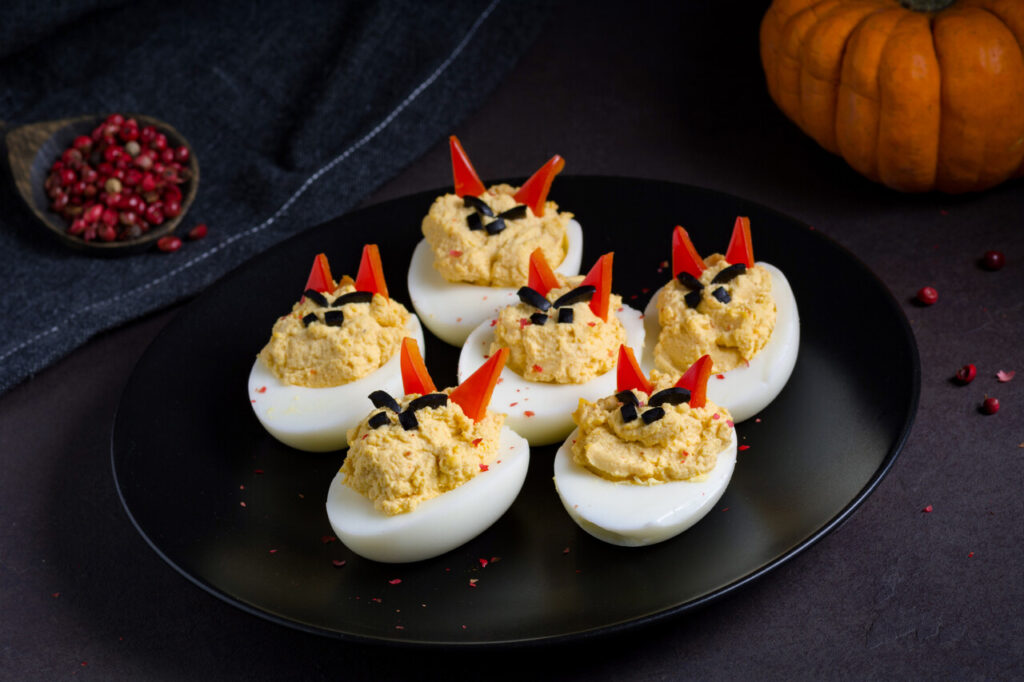
Deviled eggs have reappeared on modern menus after years of being considered old-fashioned party food. Restaurants now serve them with creative toppings such as bacon bits, smoked paprika, or pickled vegetables.
At their core, however, deviled eggs remain one of the least expensive dishes to prepare. Eggs, mayonnaise, and mustard form the base filling, and the preparation can be done well in advance of service.
The markup comes from presentation and novelty. When arranged carefully and garnished with specialty toppings, the dish feels upscale despite its humble ingredients. That contrast between perception and cost explains why deviled eggs can carry surprisingly high menu prices.