8 Viral Food Trends That Quickly Disappointed Home Cooks


Social media has a powerful way of turning simple recipes into global sensations. A quick video, a clever presentation, or a dramatic food reveal can send millions of home cooks rushing to their kitchens to try the latest viral dish.
But internet popularity does not always translate into real-life success. Many trending recipes look impressive on camera yet require more effort, taste less exciting, or deliver textures that fall short of expectations once people try them at home.
That does not mean these trends were pointless. They sparked creativity and fun in the kitchen. Still, some viral foods quickly proved that what works online does not always become a lasting favorite at the dinner table.
1. Dalgona Coffee

The rise of dalgona coffee turned instant coffee into a global trend almost overnight. Photos of fluffy whipped coffee sitting on top of milk made the drink look both elegant and easy to recreate at home.
The process involves whipping instant coffee, sugar, and hot water until the mixture forms a thick foam. While visually appealing, many home cooks found the taste extremely strong and bitter. The foam contains concentrated coffee, which can overwhelm the milk beneath it.
Another issue was effort. Achieving the signature texture often requires several minutes of intense whisking or a hand mixer. After the novelty wore off, many people returned to simpler coffee routines that required less time and produced a more balanced flavor.
2. Baked Feta Pasta
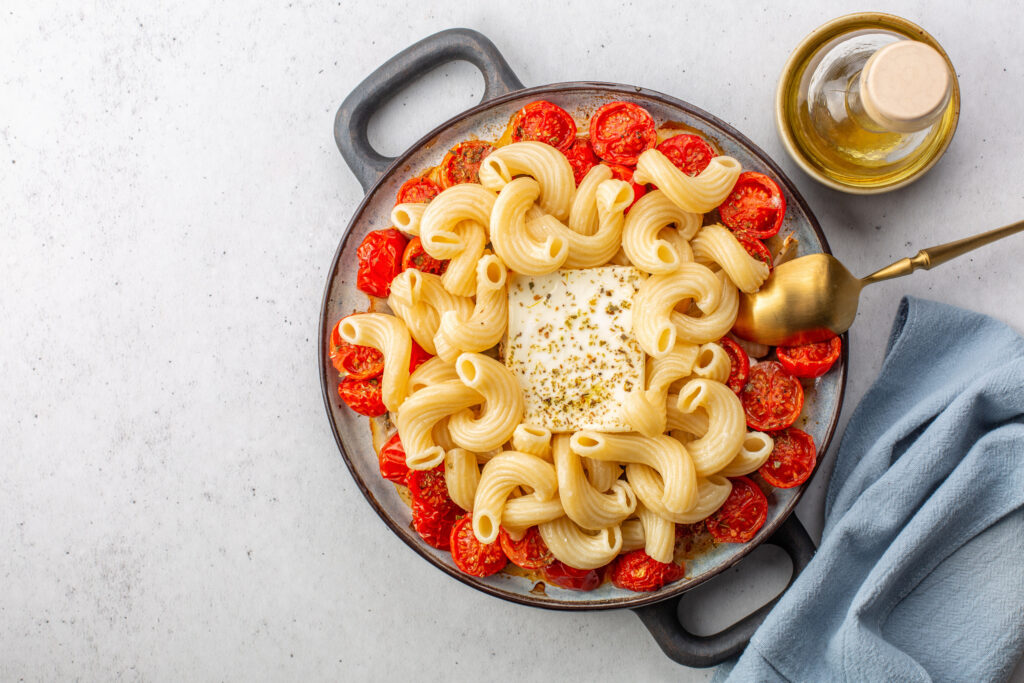
Baked feta pasta became a viral sensation after videos showed cherry tomatoes and a block of feta melting together in the oven to create a creamy sauce. The method looked almost effortless.
The dish works by roasting tomatoes with olive oil and baking a block of feta until it softens. Once mixed with pasta, the ingredients form a quick sauce. For many home cooks, however, the flavor proved saltier and heavier than expected.
Feta naturally carries a strong, tangy taste, and using an entire block can dominate the dish. Some people also found the sauce oily if too much olive oil was added. While still enjoyable for some, the trend cooled as cooks looked for pasta recipes with more balanced flavors.
3. Butter Boards
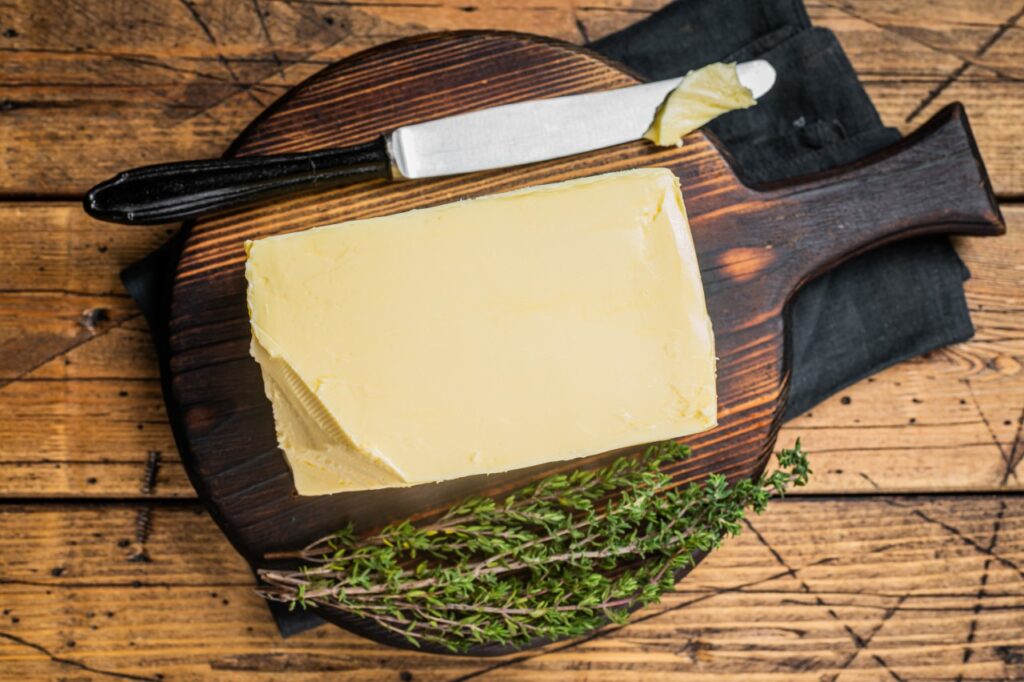
Butter boards quickly captured attention because of their dramatic presentation. Softened butter spread across a wooden board and topped with herbs, honey, or spices created a colorful centerpiece for gatherings.
The idea was inspired by charcuterie boards but focused entirely on butter as the base. While visually appealing, many home cooks found the concept raised practical concerns. Butter left at room temperature can soften too much, making the board messy to serve.
There were also hygiene concerns when multiple guests dipped bread into the same spread. In addition, the dish offered little variety beyond flavored butter and bread. After the novelty passed, many returned to appetizer platters with more balance and variety.
4. Pancake Cereal
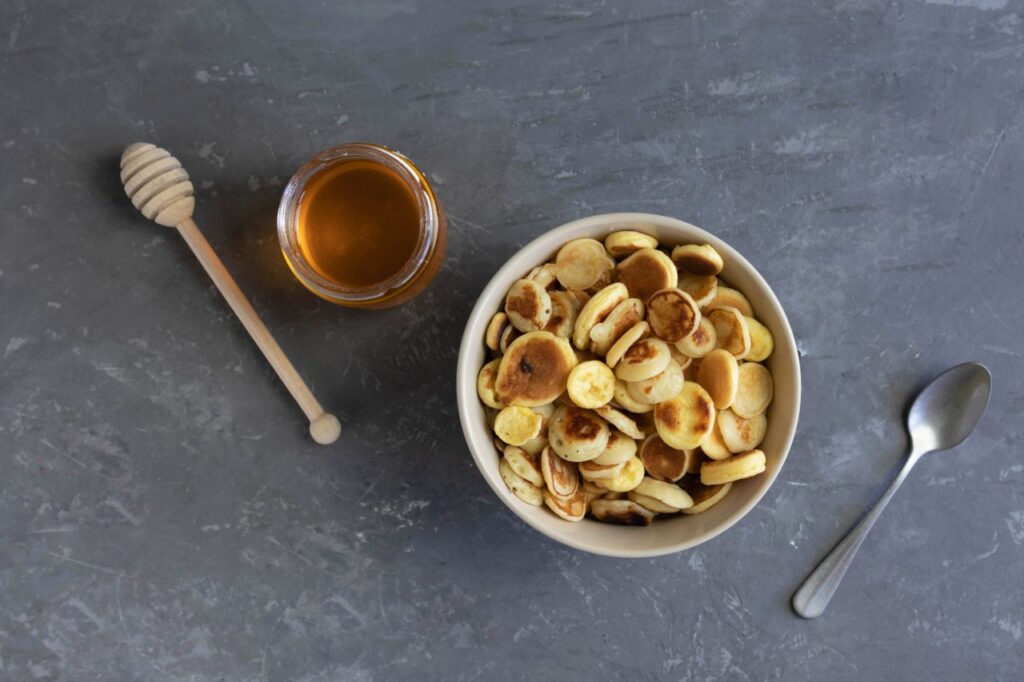
Pancake cereal turned a breakfast staple into something miniature and playful. The idea involved cooking dozens of tiny pancakes and serving them in a bowl with syrup or milk.
Videos made the process look charming, but the reality proved far more time-consuming. Each tiny pancake must be poured and flipped individually, which can take significantly longer than preparing a standard stack.
Many home cooks also found the texture inconsistent. Small pancakes cool quickly and can become dry before serving. While the idea worked well for short videos, it offered little practical advantage over traditional pancakes, which remain easier to prepare and enjoy.
5. Mug Cakes
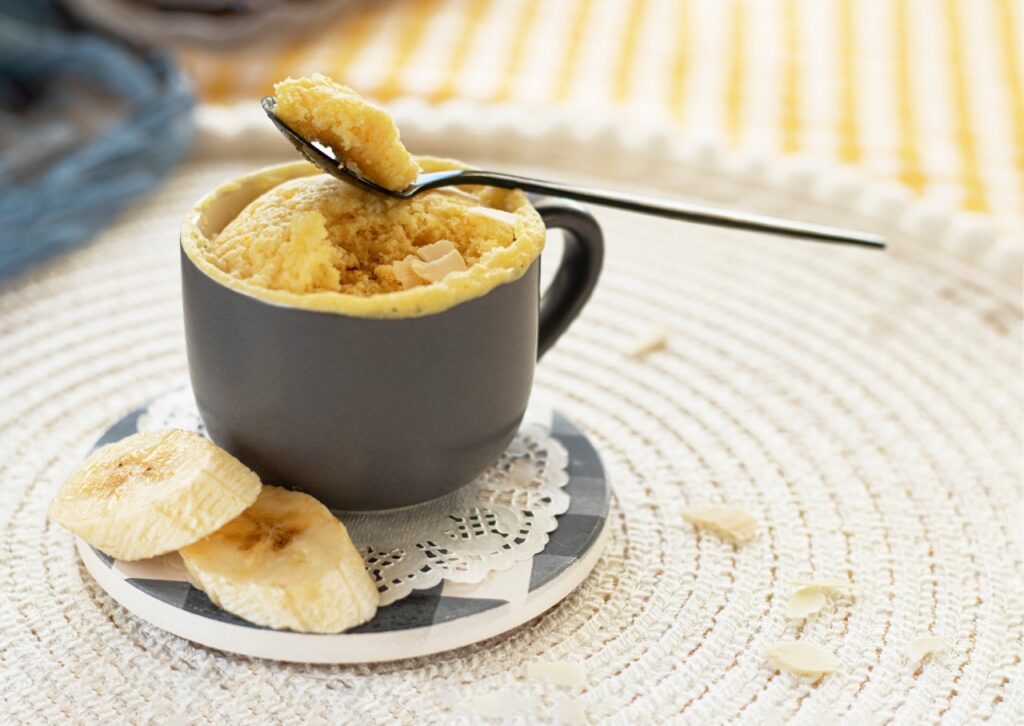
Mug cakes promised instant dessert with almost no effort. A few ingredients mixed in a mug and microwaved for about a minute seemed like the perfect solution for late-night cravings.
The challenge comes from how microwaves heat food. Without the even heat of an oven, mug cakes often cook unevenly. The edges can become rubbery while the center remains undercooked.
Flavor was another issue. Many recipes rely on basic pantry ingredients that lack the depth of traditional baked cakes. While mug cakes remain convenient, many home bakers found the results inconsistent compared with standard baking methods.
6. TikTok Tortilla Wrap Hack
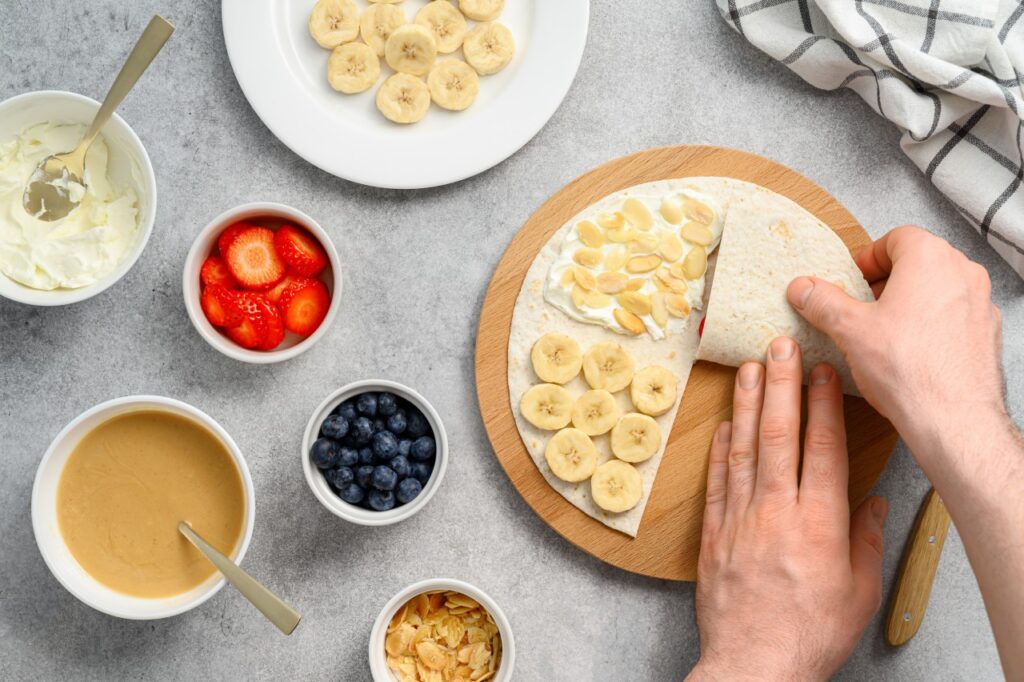
The tortilla wrap hack gained popularity for its clever folding technique. By cutting a tortilla in half and folding sections over different fillings, cooks could create a compact layered wrap.
The idea simplified cooking because the folded tortilla fits neatly in a skillet or sandwich press. While the concept worked, some home cooks found it less revolutionary than the videos suggested.
The wrap limits the amount of filling that can be added, and thicker ingredients can cause uneven cooking. In many cases, traditional quesadillas or wraps offer similar results with fewer steps, making the viral version feel more like a clever trick than a lasting kitchen improvement.
7. Nature’s Cereal
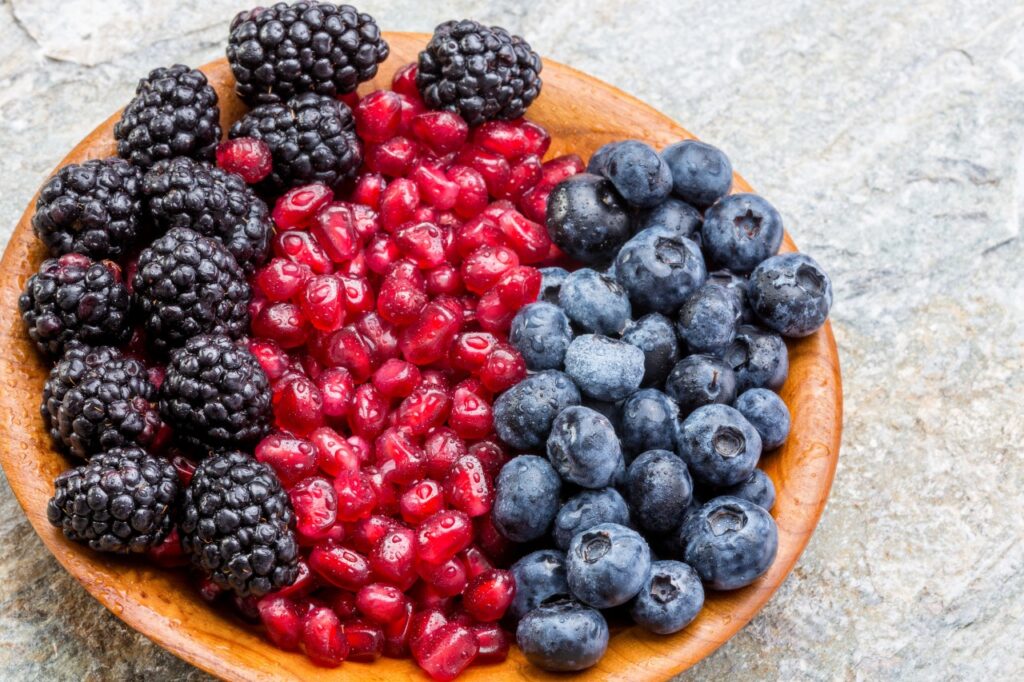
Nature’s cereal gained attention when influencers shared bowls filled with fresh fruit, coconut water, and sometimes ice cubes. The dish was promoted as a refreshing breakfast alternative.
The ingredients are undeniably healthy. Fresh berries and coconut water provide vitamins, hydration, and natural sweetness. However, many home cooks found the combination less satisfying than expected.
Without grains or protein, the dish often fails to keep people full for long. The texture can also feel more like fruit salad with liquid rather than a true cereal replacement. While refreshing on a hot day, it rarely replaces a balanced breakfast.
8. 3-Ingredient Peanut Butter Cookies

Three-ingredient peanut butter cookies promised a shortcut for home bakers. The recipe typically combines peanut butter, sugar, and eggs to create a quick dough.
While the simplicity is appealing, many people found the cookies lacked the texture of traditional versions. Without flour or leavening agents, the cookies can spread too much and become dense or crumbly.
Flavor can also feel overly sweet depending on the peanut butter used. Traditional recipes include additional ingredients that balance sweetness and improve structure. For many home cooks, the shortcut did not fully replace the reliability of classic cookie recipes.