Why Certain Steak Cuts Are Suddenly More Expensive

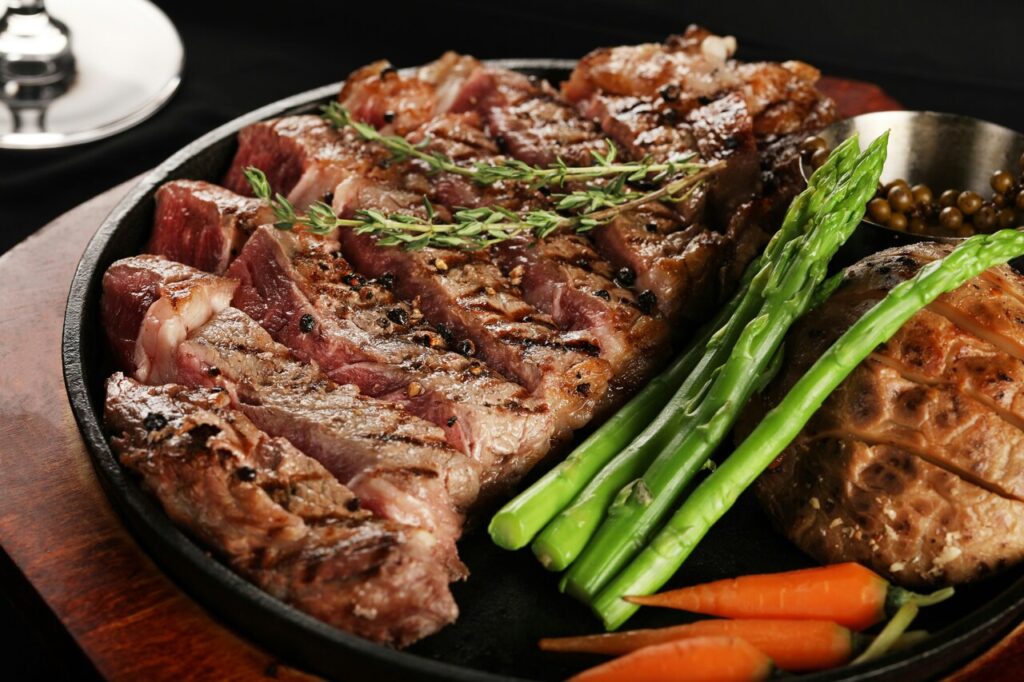
If your favorite steak suddenly feels more expensive at the butcher counter, you are not imagining it. Certain cuts have seen noticeable price jumps in recent years, and the reasons go far beyond simple inflation. Factors such as tenderness, marbling, limited supply, cattle breeding, and rising production costs all shape how steaks are priced. Some cuts are naturally scarce, while others require careful processing or come from premium cattle breeds. Understanding what drives these differences helps explain why ribeye, strip steak, and tenderloin often command such high prices today.
Why Less-Used Muscles Stay Softer
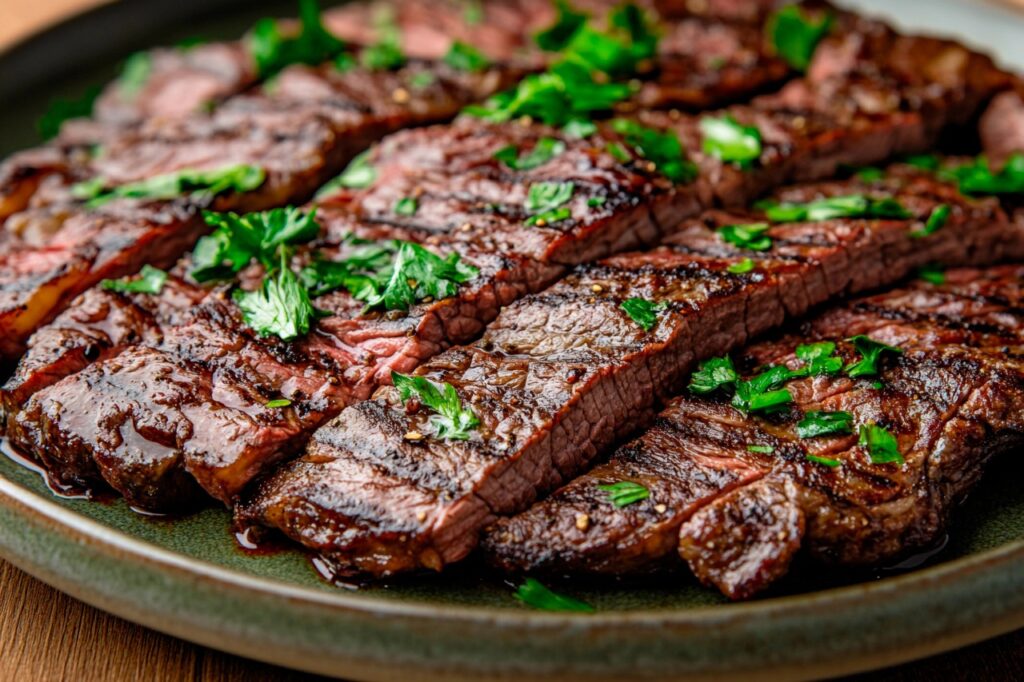
One of the biggest reasons certain steak cuts cost more is simple anatomy. Muscles that do less work during the animal’s life tend to produce softer meat. Cuts such as tenderloin come from areas of the cow that are rarely used for movement. Because these muscles do not constantly contract and support weight, their fibers remain delicate and fine. The result is a steak that feels noticeably softer when cooked and sliced. This difference in muscle activity directly shapes the texture of the final cut. The structure of the muscle fibers stays shorter and less dense in these areas. As a result, the steak requires less force to chew and feels naturally tender.
Less active muscles also contain fewer connective tissues. Connective tissue tightens during cooking and creates chewiness in tougher cuts. Since tenderloin and similar steaks contain very little of this tissue, they stay smooth and buttery even with minimal cooking. This natural tenderness is difficult to replicate through cooking techniques alone. Even long braising cannot fully imitate the texture of naturally tender meat. That is why chefs value these muscles so highly. The tenderness exists before the steak ever reaches the kitchen. Cooking simply preserves a quality already built into the muscle structure.
Consumers are often willing to pay a higher price for this texture. Many diners view tenderness as the ultimate sign of a high-quality steak. Restaurants highlight these cuts for that reason. When customers consistently choose steaks that require less chewing and offer a melt-in-the-mouth experience, demand rises. That demand is one of the clearest drivers of why these cuts command a higher price. Diners often associate tenderness with luxury dining. This perception reinforces the premium status of these cuts. Over time, reputation and demand continue to push their prices higher. Steakhouses often build their signature menus around these prized cuts.
How Tenderness Drives Consumer Demand
Tenderness strongly influences how people judge a steak. Even before flavor enters the conversation, diners expect a premium steak to cut easily with minimal resistance. Cuts like filet mignon have built their reputation around that experience. Their texture feels refined and luxurious compared with firmer cuts taken from heavily used muscles. Many diners describe this experience as buttery or delicate. That sensory expectation shapes how people evaluate steak quality. Texture, therefore, becomes a central selling point in the steak market. Visual cues such as a fine grain and smooth surface also signal tenderness.
This expectation shapes purchasing habits. Many shoppers visiting a butcher counter automatically look for the most tender cuts available. Restaurants also build entire menu sections around tender steaks because they are easier to cook consistently and appeal to a wide range of diners. The reputation of these cuts reinforces their popularity. When a steak consistently delivers a soft bite, customers remember that experience. Positive experiences create repeat purchases and stronger demand. Over time, the market rewards these cuts with higher prices. Word of mouth and dining reviews further reinforce their desirability.
High demand combined with limited supply naturally increases the price. Only a small portion of the animal produces extremely tender steaks. When many customers compete for the same limited cuts, prices rise quickly. Over time, tenderness becomes both a culinary advantage and a powerful economic factor in the steak market. Retailers know these cuts will sell quickly once displayed. Restaurants often feature them prominently to attract customers. The cycle of demand and scarcity keeps their prices elevated. Premium positioning on menus also enhances perceived value. Limited availability ensures continued competition among buyers.
The Small Portion of Premium Cuts
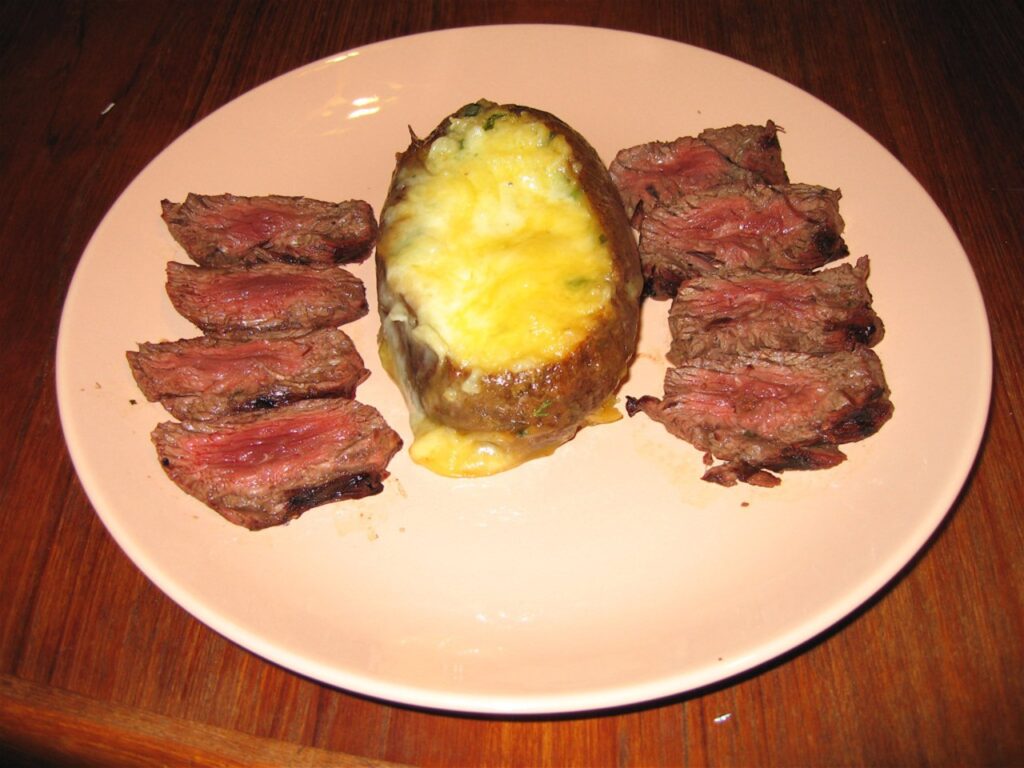
A single cow produces a surprisingly small amount of premium steak. While the animal yields many pounds of beef overall, only a few sections are suitable for high-end cuts like ribeye, strip steak, and tenderloin. These prized areas make up a fraction of the total carcass. That imbalance between supply and demand plays a major role in determining price. Butchers must divide these limited portions carefully. Each section yields only a handful of steaks. Once they are sold, the supply disappears until another animal is processed. This limited yield shapes how beef is valued across the entire market.
For example, the tenderloin is a long but narrow muscle located inside the cow’s backbone. Even on a large animal, it produces only a limited number of steaks. Once those portions are removed, there is no way to create more. In contrast, tougher muscles such as chuck or round make up much larger portions of the carcass. This imbalance highlights how little premium steak actually exists per animal. The rarity of these sections contributes heavily to their value. Scarcity becomes unavoidable in the market. Butchers must allocate these cuts carefully between retail and restaurant buyers. Demand often exceeds the available supply.
Because premium cuts are naturally scarce, their value increases. Butchers must distribute that limited supply among many buyers. Restaurants, supermarkets, and individual customers all compete for the same small pool of steaks. Scarcity alone ensures that these cuts remain among the most expensive options at the meat counter. Even a small increase in demand can drive prices higher. Retailers often reserve these cuts for special displays. Their limited quantity keeps them positioned as premium items. Marketing often emphasizes their rarity and quality. Customers recognize these steaks as special purchases rather than everyday meals.
Supply and Demand in the Beef Market
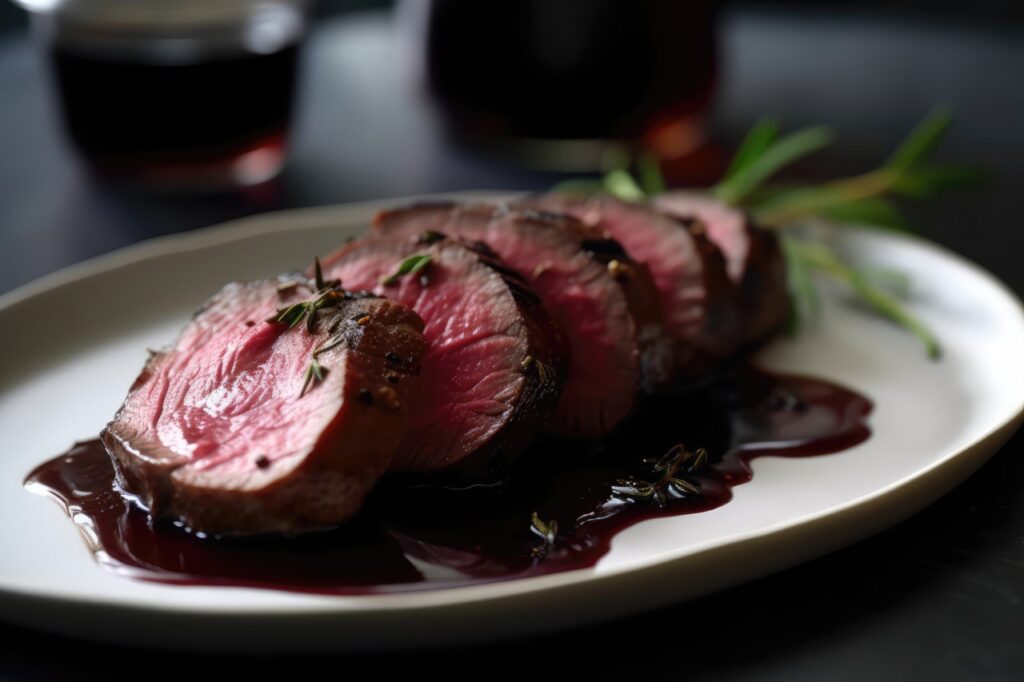
Supply and demand principles strongly influence steak prices. When demand for premium cuts rises faster than supply, prices increase quickly. Steakhouse culture and home grilling trends have intensified this effect. More consumers now seek restaurant-quality steaks for cooking at home. Social media and cooking shows have also increased interest in premium grilling. As awareness grows, more people search for the same high-quality cuts. This widespread interest concentrates demand on a small group of steaks. Ribeye, strip, and tenderloin become the primary targets for buyers. As more households pursue these cuts, competition for them grows stronger.
At the same time, the supply of cattle does not expand instantly. Raising beef cattle takes time and significant resources. Farmers cannot rapidly increase herd sizes in response to short-term demand. This slow production cycle limits how quickly supply can adjust. Cattle require months of feeding and growth before reaching market weight. Agricultural cycles move far more slowly than consumer demand trends. This mismatch often causes price fluctuations. Weather conditions and feed prices also influence herd management decisions. Ranchers must plan production years. These long timelines keep the supply relatively stable.
The combination of high demand and fixed supply creates consistent price pressure on premium steaks. When a cut becomes especially popular, its price tends to climb faster than other types of beef. Market forces, therefore, play a major role in why certain steaks suddenly appear more expensive than others. Economic cycles also influence beef production decisions. Farmers adjust herd sizes carefully to manage risk. These long-term factors keep premium steak prices sensitive to demand shifts. Retail markets react quickly when supply tightens. Even small changes in demand can affect pricing noticeably.
Global Demand Is Driving Up Beef Prices
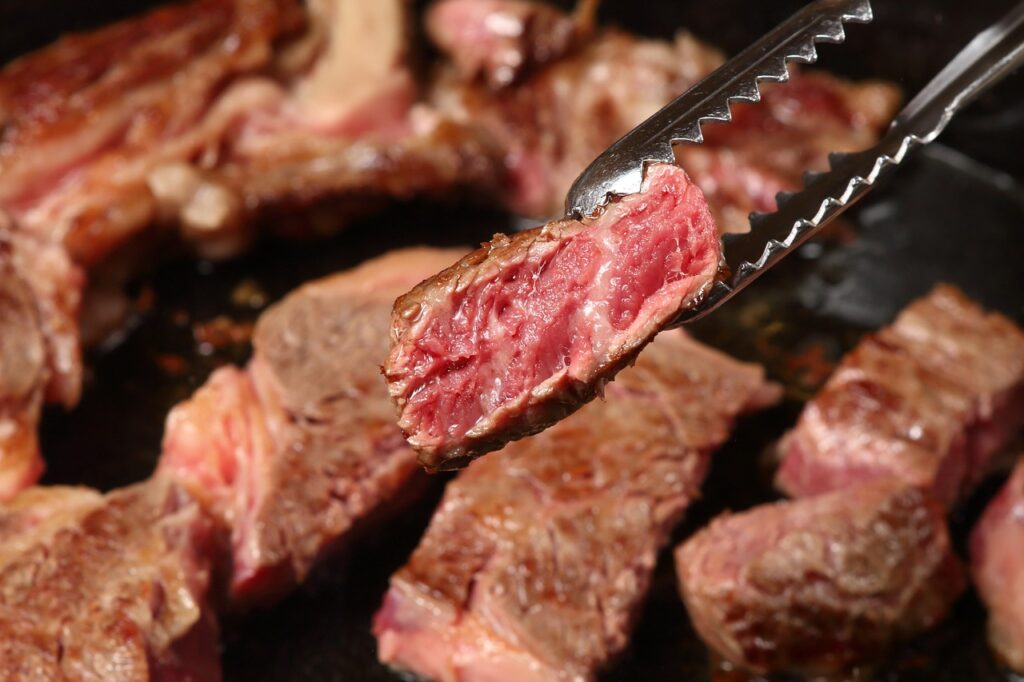
One major factor behind rising steak prices is the growing global demand for high-quality beef. As international markets expand, more countries are importing premium beef cuts that were once primarily consumed within the United States. This increased competition for supply affects how beef is distributed and priced. Restaurants, grocery stores, and distributors must compete for the same products, which inevitably pushes prices higher. International trade agreements and improved cold-chain logistics have also made it easier to ship fresh beef across continents. As global supply networks expand, the competition for prized cuts becomes even more intense.
The expansion of global food culture has also increased interest in premium beef varieties such as ribeye, strip steak, and tenderloin. Social media, culinary tourism, and international restaurant chains have helped popularize steakhouse-style dining around the world. As more consumers seek these cuts, producers prioritize exporting to markets willing to pay higher prices. Even small changes in global demand can create noticeable increases in the cost of popular steak cuts. High-end restaurants across major cities now promote premium steaks as signature menu items. This visibility continues to drive demand for the most desirable cuts.
Another factor is the reputation of American beef in international markets. Many countries view it as a premium product due to strict quality standards and consistent production methods. When overseas buyers compete for the same supply that American restaurants and grocery stores rely on, the market adjusts accordingly. This competition strengthens the perception that steak is becoming a luxury product rather than an everyday purchase. Export demand often prioritizes top-grade cuts that deliver the best texture and flavor. As a result, those cuts become even more scarce within domestic markets.
Weather and Cattle Supply Affect Steak Availability
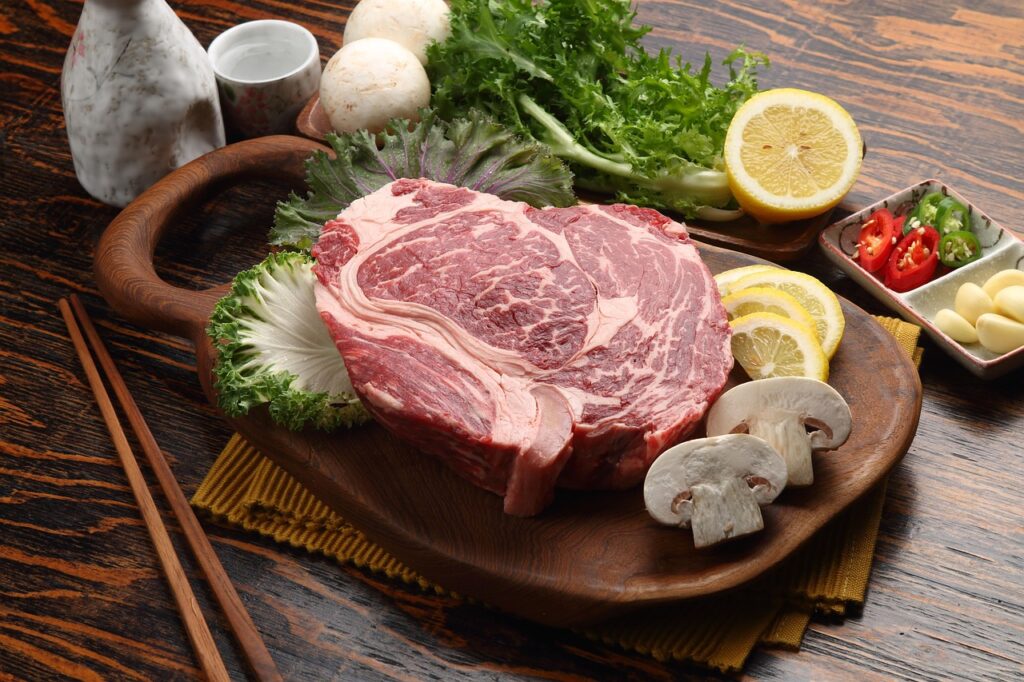
Weather patterns and environmental conditions play an important role in determining how much beef reaches the market each year. Droughts, extreme temperatures, and feed shortages can significantly affect cattle production. When ranchers face difficult conditions, they may reduce herd sizes or delay raising new cattle. This limits the number of animals eventually available for processing and sale. Because steak cuts come from specific parts of each animal, any reduction in cattle supply quickly influences the availability of premium steaks. When grazing land becomes less productive, raising cattle becomes more expensive.
Raising cattle requires a long production cycle, which means supply cannot adjust quickly when demand changes. It takes years for ranchers to rebuild their herds after periods of drought or economic pressure. During this time, beef production remains limited while consumer demand continues to grow. The imbalance between supply and demand often leads to higher prices for desirable cuts such as ribeye, T-bone, and filet mignon. Even modest declines in herd size can create noticeable effects across the beef market. This slow recovery period contributes to prolonged price increases. Careful planning prevents overgrazing and protects animal health.
Environmental factors also affect the cost of feed, transportation, and land management. When feed prices increase, ranchers face higher expenses for maintaining healthy cattle. These costs eventually move through the supply chain and appear in the final price of steak. As climate patterns become less predictable in many regions, fluctuations in cattle production may continue to influence steak prices for years to come. Transportation costs can also rise when weather disrupts supply routes. Each of these pressures gradually contributes to the rising cost of premium steak cuts. Together these variables make beef pricing sensitive to environmental conditions.