Perfectly Good Food Gets Tossed by Grocery Stores Every Day

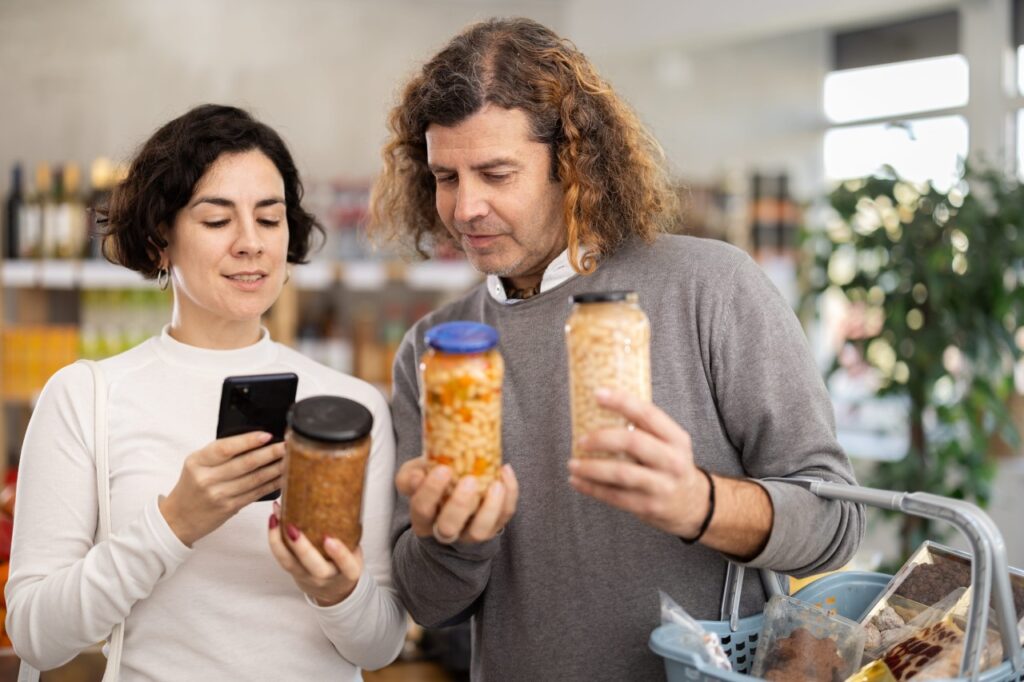
At the end of each day, grocery stores quietly remove large amounts of food from their shelves. Much of it still looks perfectly edible, yet it never makes it into a shopping cart. Fresh produce, baked goods, packaged meals, and deli items are often pulled from displays simply because they no longer meet store standards. For many shoppers, this hidden routine is surprising, especially when the food appears perfectly fine at first glance. What customers see during regular shopping hours is only part of the story, as store employees frequently rotate items to keep displays looking fresh and appealing throughout the day.
Behind the scenes, a mix of retail practices, customer expectations, and strict safety policies shapes what stays on the shelf and what gets discarded. Stores aim to present full, attractive displays while protecting customers from potential food safety risks. These priorities can sometimes lead to food being removed earlier than necessary, even when it remains safe to eat. Employees follow guidelines related to expiration dates, appearance, and packaging condition, and these standards often require items to be pulled from sale sooner than many shoppers would expect, even when the food still looks perfectly fine.
Cosmetic Standards Push Edible Food Off Shelves
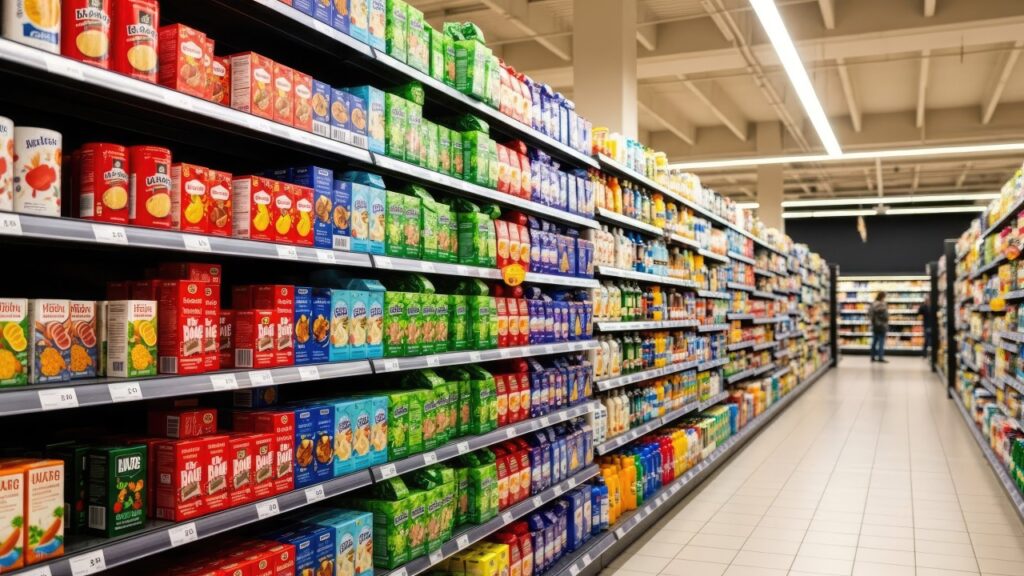
Much of the food that grocery stores discard each day is still completely edible, and appearance is often the deciding factor. Supermarkets place a strong emphasis on visual appeal because shoppers tend to judge produce by how it looks rather than how it tastes. Fruits and vegetables that are slightly misshapen, uneven in color, or marked with small blemishes may be removed from displays even though they remain safe and nutritious. Because stores compete to present attractive produce sections, items that fall outside visual expectations are often pulled from shelves earlier than necessary, despite being perfectly edible.
Retail standards commonly require produce to meet consistent expectations for size, color, and shape so displays appear clean, uniform, and appealing to customers. Research on shopping behavior shows that many people instinctively choose the most visually perfect items, leaving less attractive ones behind. When these imperfect foods remain unsold, stores often remove them to maintain the appearance of freshness and abundance. Over time, this pattern leads to significant amounts of edible food being discarded simply because it does not match the cosmetic standards shoppers have come to expect in modern supermarkets.
Expiration Dates Trigger Early Disposal
Expiration and freshness labels play a major role in how grocery stores manage the products on their shelves. Many packaged foods display dates such as “best by,” “sell by,” or “use by,” which are intended to guide retailers and shoppers about when a product should ideally be sold or consumed. In most cases, these labels reflect quality recommendations rather than strict safety limits. Foods may remain safe to eat after these dates, yet grocery stores often treat them as firm deadlines. To avoid any confusion or customer complaints, retailers usually remove these products from shelves as the printed date approaches.
To protect customer trust and brand reputation, stores commonly follow strict rotation rules that require older items to be pulled quickly once they reach their labeled selling window. Employees are trained to prioritize the newest stock while removing products that are close to their dates, even when they still appear perfectly usable. Because date labeling is not fully standardized across the food industry, stores often rely on cautious policies to avoid potential risks. This careful approach helps maintain safety standards, but it also means that large amounts of edible food can be discarded earlier than necessary.
Overstocked Displays Create Daily Waste
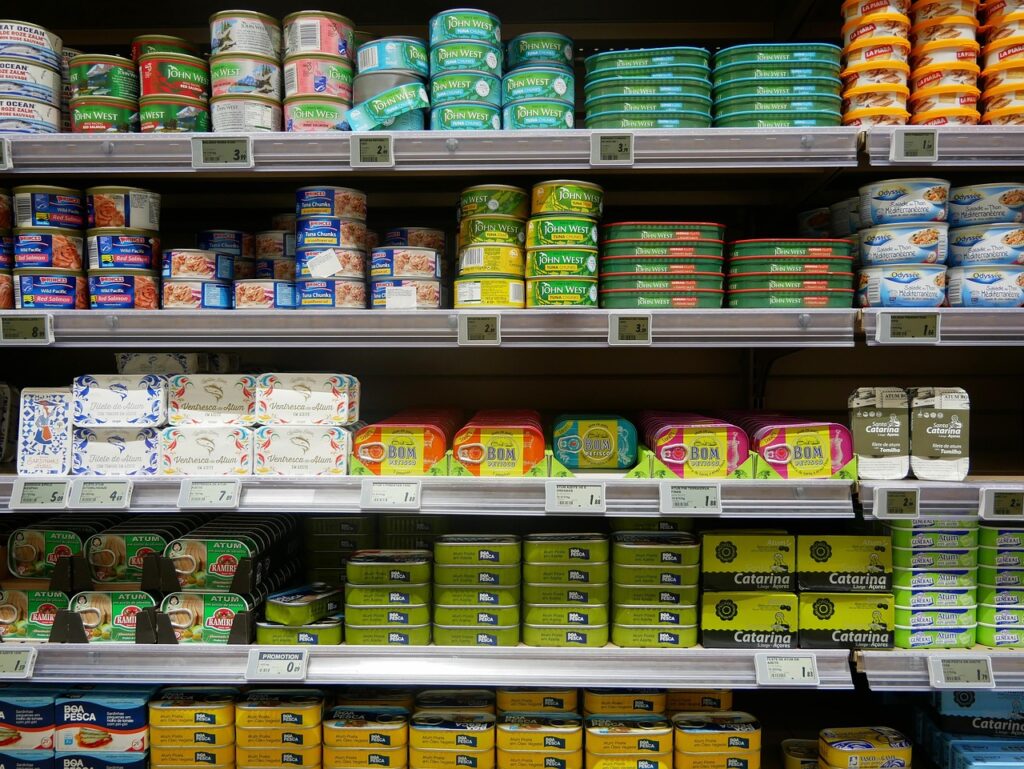
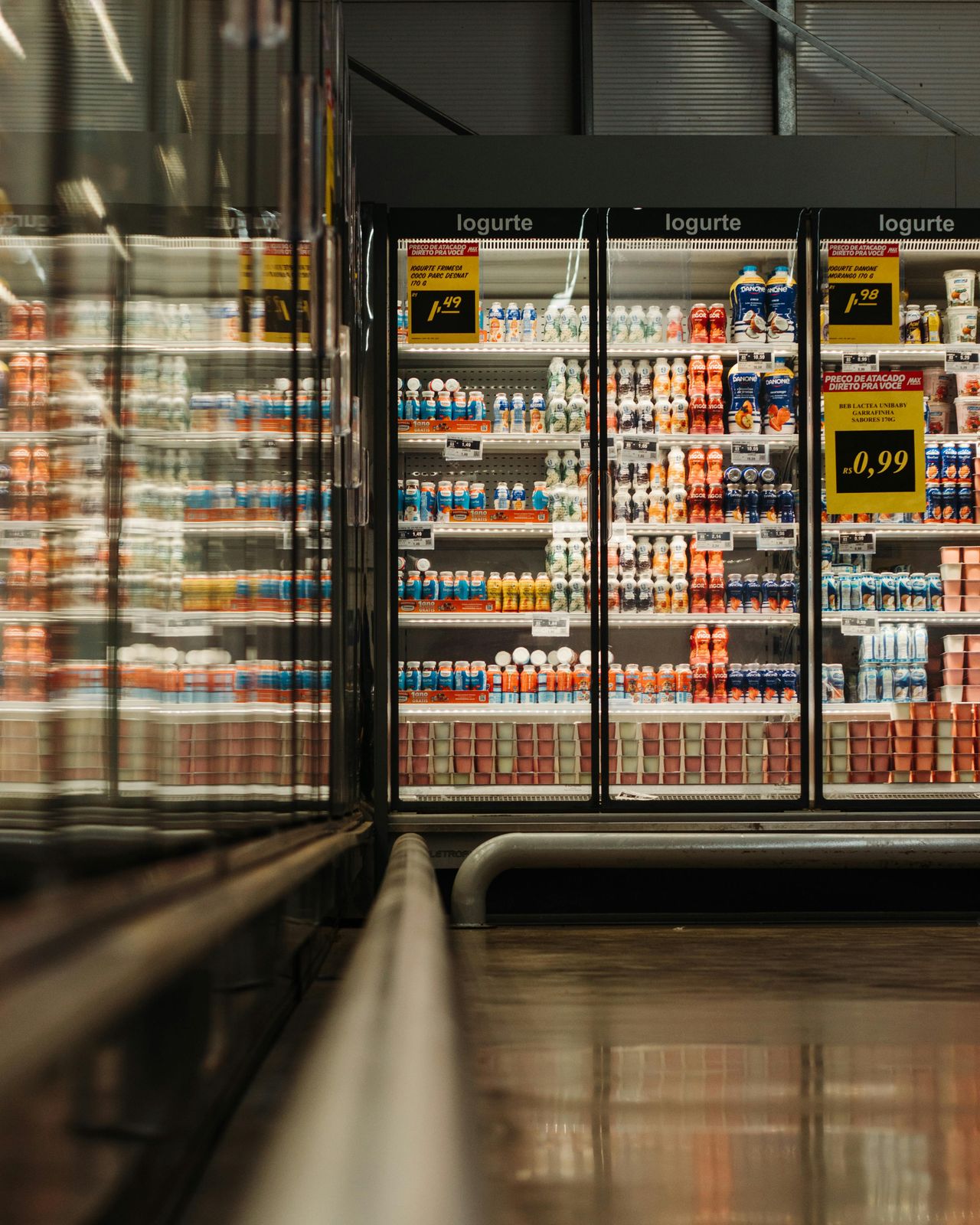
Grocery stores are designed to look full and inviting from the moment shoppers walk through the doors. Retail research shows that customers are more likely to buy from displays that appear abundant and freshly stocked rather than partially empty shelves. Because of this, supermarkets often keep produce bins, bakery cases, and refrigerated sections filled throughout the day. Employees regularly restock items to maintain this appearance of freshness and variety. While this strategy improves the shopping experience and encourages purchases, it can also result in stores carrying more perishable food than customers will actually buy.
Fresh products such as fruits, vegetables, baked goods, dairy items, and prepared meals naturally have short selling windows. When stores order large quantities to maintain full displays, some of those items may remain unsold by the end of the day. As products begin to lose freshness or approach store quality limits, employees remove them from shelves to keep displays looking appealing. This routine happens daily in many supermarkets. Although the goal is to create attractive, well-stocked displays, it often leads to edible food being discarded once it no longer meets visual or freshness standards.
Store Policies Encourage Quick Discarding
Grocery chains often operate under strict internal policies designed to protect both food safety and brand reputation. These guidelines instruct employees to remove products from shelves whenever there is uncertainty about quality, freshness, or packaging condition. While the goal is to maintain customer trust and avoid potential health risks, these rules can sometimes lead to food being discarded earlier than necessary. In fast-paced retail environments, employees are encouraged to follow clear procedures rather than spend time evaluating whether a product might still be acceptable for sale, especially during busy store hours in supermarkets.
Staff members are usually trained to watch for specific signs that trigger product removal. Produce that begins to soften, packaged items with torn labels, dented containers, or foods nearing their sell-by dates may be pulled from shelves quickly. In busy stores, it is often simpler and safer for workers to discard questionable items instead of inspecting each one carefully. These precautionary practices help protect shoppers and maintain store standards, but they also mean that some food still suitable for consumption can end up being thrown away sooner than many customers might expect in retail stores.
Smarter Systems Can Reduce Food Waste
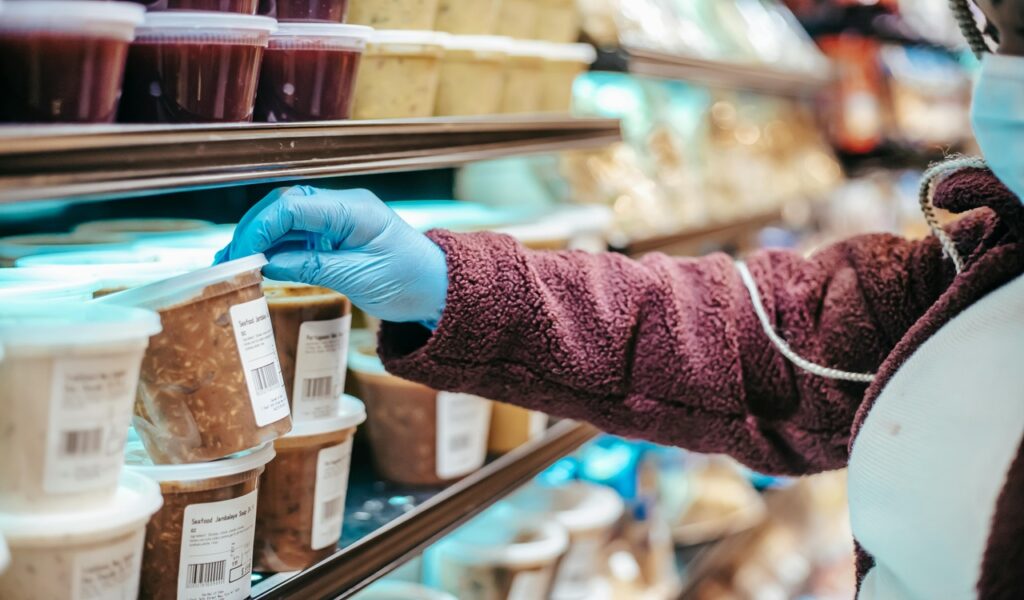
As awareness of food waste continues to grow, many grocery stores are exploring smarter ways to manage the food on their shelves. Modern inventory technology now allows retailers to track products more precisely from sale to delivery. Digital systems monitor stock levels, expiration timelines, and sales patterns so stores can better predict how much food customers will actually buy. By studying these patterns, managers can adjust orders and reduce the risk of overstocking perishable items that might otherwise remain unsold. These tools are gradually helping stores match supply more closely with real customer demand.
Some supermarkets are also introducing creative programs to keep edible food from being discarded. Products that are approaching their sell-by dates may be placed in discount sections, encouraging shoppers to purchase them before they are removed from shelves. Other stores work with local food banks, charities, and community groups to donate items that are still safe to eat. These efforts help redirect surplus food to people who can use it, while also reducing the amount of waste that would otherwise end up in landfills. Such partnerships are becoming an important part of modern grocery operations.