Are Grocery Stores Making Shopping More Confusing on Purpose

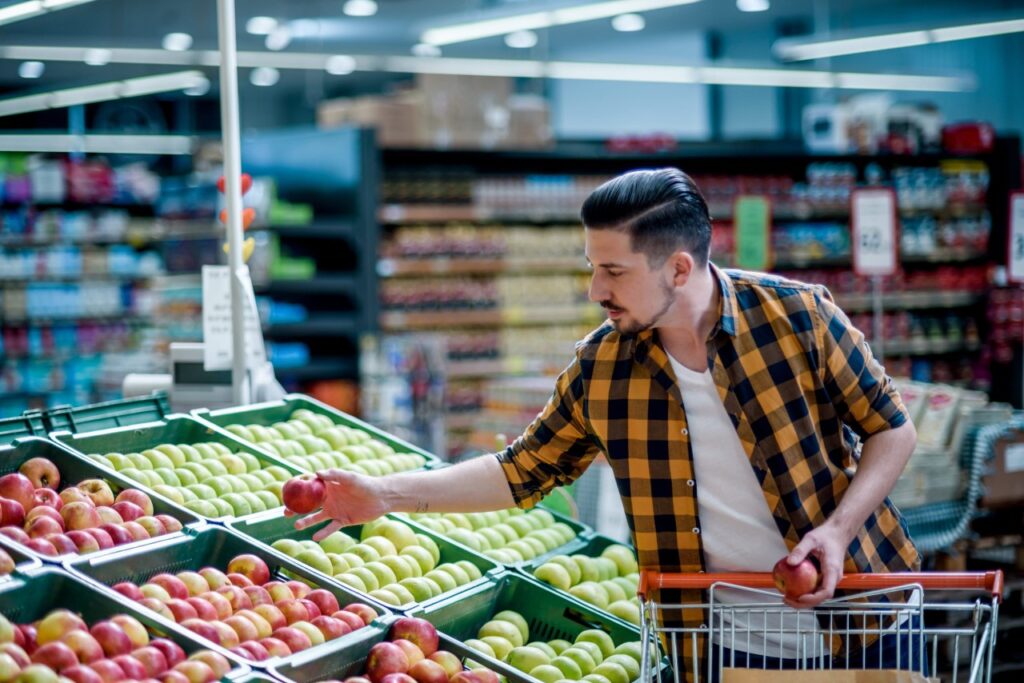
Grocery shopping used to feel simple, almost routine. You walked in, picked what you needed, and left without second-guessing every choice along the way.
Today, that same experience feels layered with subtle decisions. Prices shift, products move, and promotions seem to appear exactly when you least expect them.
What feels like convenience is often carefully designed. Every aisle, label, and display is shaped by strategies that influence how you browse and what you buy.
Behind the scenes, research in psychology and consumer behavior plays a powerful role in shaping these spaces. Stores are not just selling products; they are guiding decisions.
Once you start noticing these patterns, the entire shopping experience changes. What seemed random begins to reveal a system that is far more intentional than it appears.
Retail Strategies That Shape Shopper Decisions
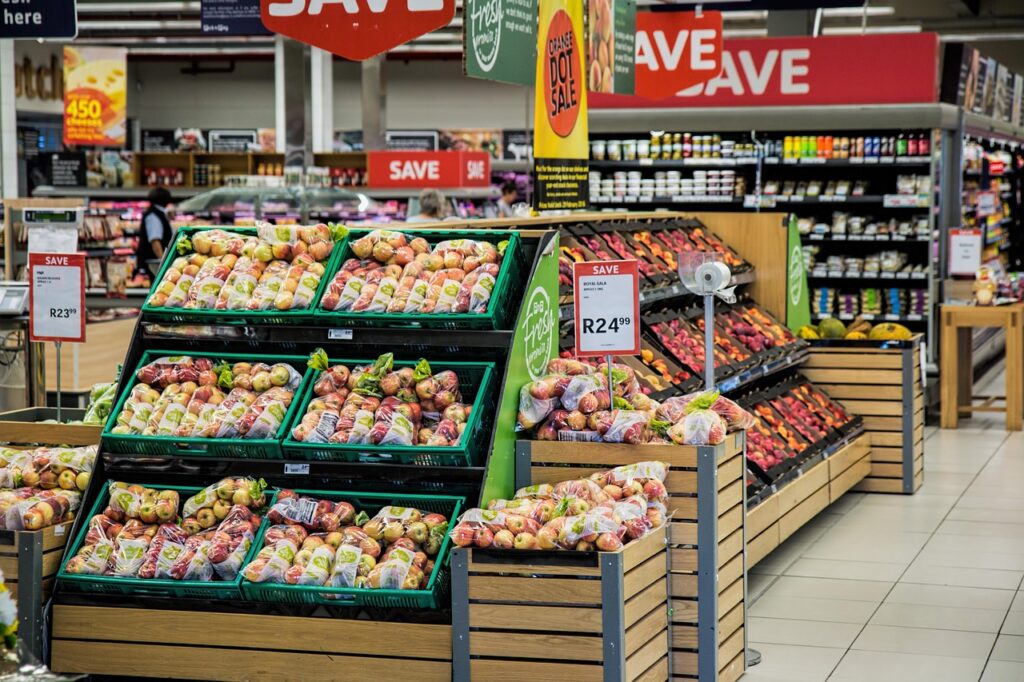
Step into a supermarket and little is accidental. Layouts, displays, and placements are designed to guide your path and shape what lands in your cart, often without you noticing.
Endcaps sit where traffic is highest, making them ideal for impulse buys. Even without discounts, their visibility alone can create a sense of urgency and value.
Products are often grouped by use. Pasta beside sauces or chips near dips nudges shoppers to pick up more than planned by creating a sense of completeness.
Essentials like milk and eggs are placed at the back. This forces you through multiple aisles, increasing exposure and the chance of unplanned purchases.
These strategies are intentional, aligning store design with human habits to quietly steer decisions while keeping the experience smooth.
Behavioral Science Behind Grocery Store Design
Grocery stores rely heavily on how people think and decide. Every element is shaped to make choices feel easier while increasing the chances of purchase.
Cognitive ease plays a key role. Clear layouts, bright visuals, and familiar arrangements help shoppers decide quickly without overthinking.
Stores also manage choice carefully. Too many options overwhelm, but moderate variety keeps shoppers engaged without causing hesitation.
As shoppers move along, decision fatigue sets in. That is why impulse items are placed near checkout, when mental energy is low.
Lighting, music, and scent create a relaxed mood. A comfortable shopper tends to browse longer, which often leads to higher spending.
Pricing Tactics That Obscure True Costs
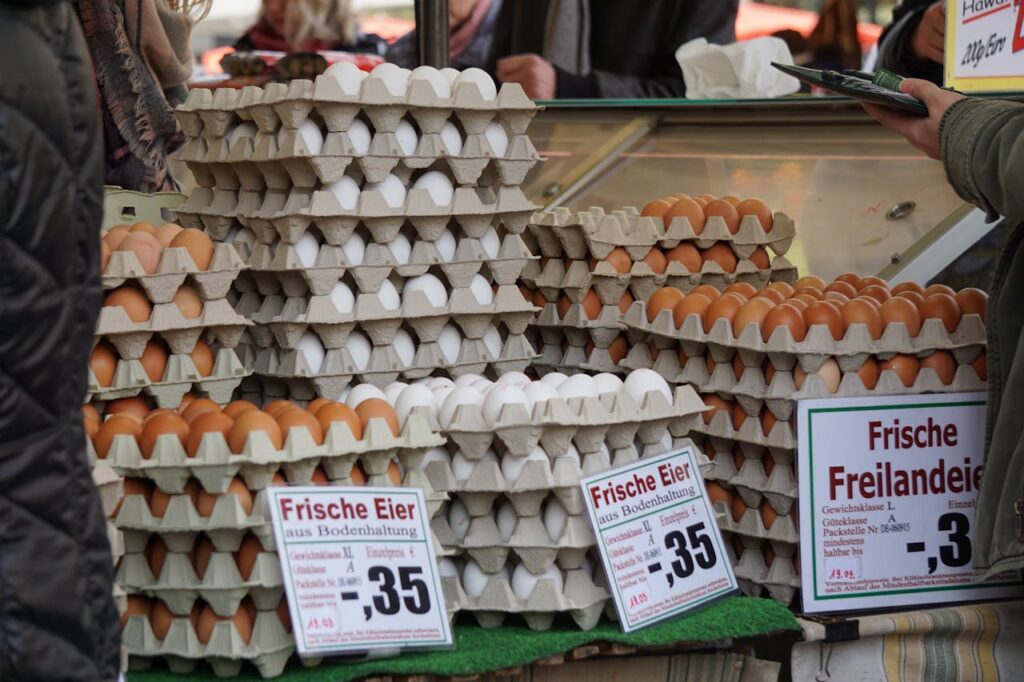
Prices in grocery stores are designed to influence perception, not just reflect cost. Many tactics make it harder to judge real value quickly.
Unit prices exist but are often small or inconsistent, making comparisons less obvious and pushing shoppers toward the total price instead.
Promotions like “buy one, get one” create urgency. Even when savings are small, they frame spending as a smart decision.
Price anchoring is common. A higher-priced item nearby makes a mid-range option feel more reasonable, even if it is still costly.
Frequent price changes add confusion. Shoppers struggle to track normal prices, making it harder to spot genuine deals.
The Influence of Technology and Data on Shopping Habits
Grocery stores now run on data. Every purchase helps refine how products are placed, priced, and promoted.
Loyalty programs track habits and offer targeted deals. While useful, they also encourage repeat buying and brand attachment.
Digital pricing allows quick changes. Electronic labels and app offers make prices more flexible but less predictable.
Online platforms use algorithms to suggest items. These recommendations feel helpful, but can limit exposure to alternatives.
Stores also study movement patterns. Layouts are adjusted to guide traffic, making shopping efficient while subtly influencing choices.
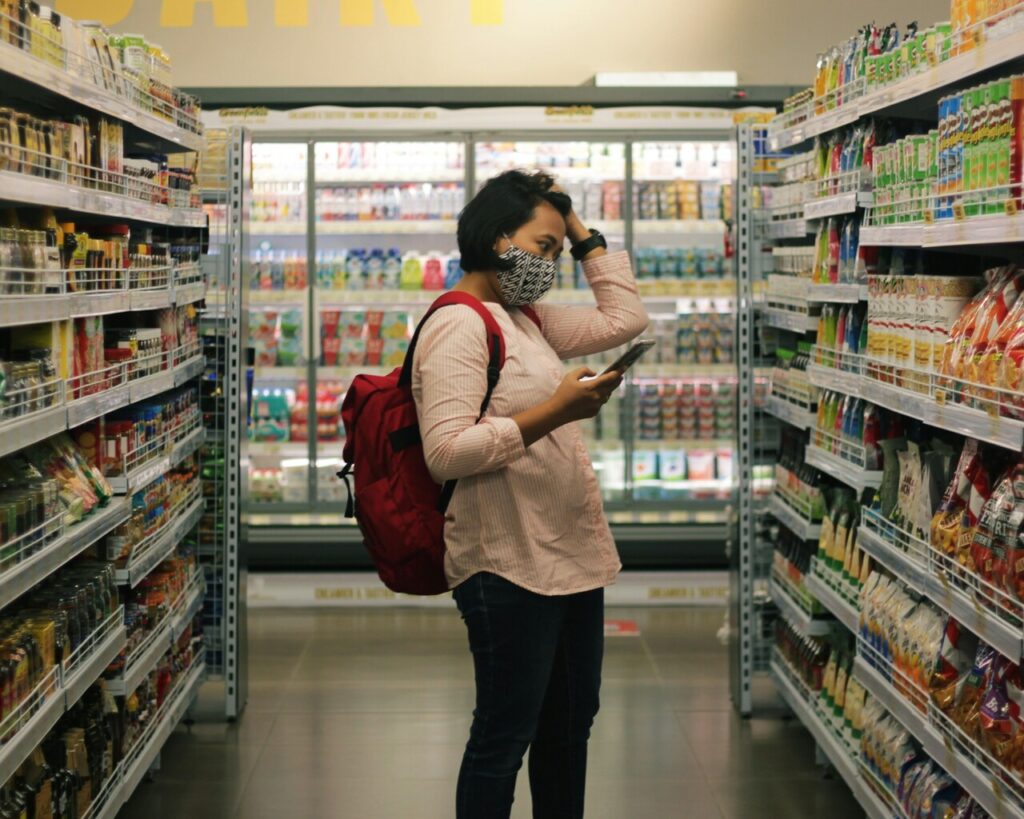
Shopping does not have to feel overwhelming. A few simple habits can help you stay in control of your decisions.
A clear shopping list keeps you focused and reduces impulse buying triggered by displays and promotions.
Checking unit prices helps reveal real value, especially when deals make products seem cheaper than they are.
Sticking to the perimeter often means fewer processed temptations, as essentials are usually placed along the edges.
Keeping trips short reduces decision fatigue. Less time in-store means fewer chances for unplanned purchases.
With awareness and small adjustments, shopping becomes clearer, helping you make choices that truly fit your needs.