Why Pre Cut and Ready to Eat Foods Keep Getting More Expensive

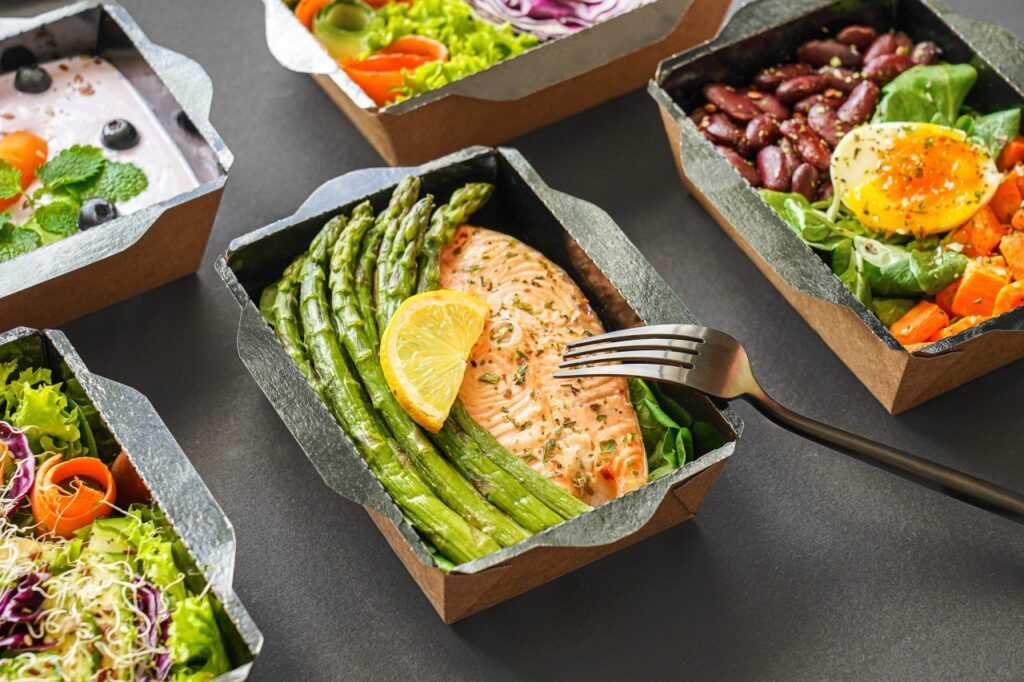
There was a time when convenience in food felt like a small upgrade. Pre-cut fruit or a ready meal saved a few minutes, not a noticeable chunk of your budget.
Today, that same convenience often comes with a surprising price tag. Items that once felt affordable now seem closer to a premium purchase.
The shift is not random. Behind every neatly packed salad or ready-to-eat dish is a chain of processes that quietly add to the final cost.
From extra handling to specialized packaging and stricter safety standards, each step increases what you ultimately pay at checkout.
Once you understand what goes into these foods, the higher price starts to make sense, and helps you decide when the convenience is truly worth it.
Cost Drivers Behind Convenience Foods
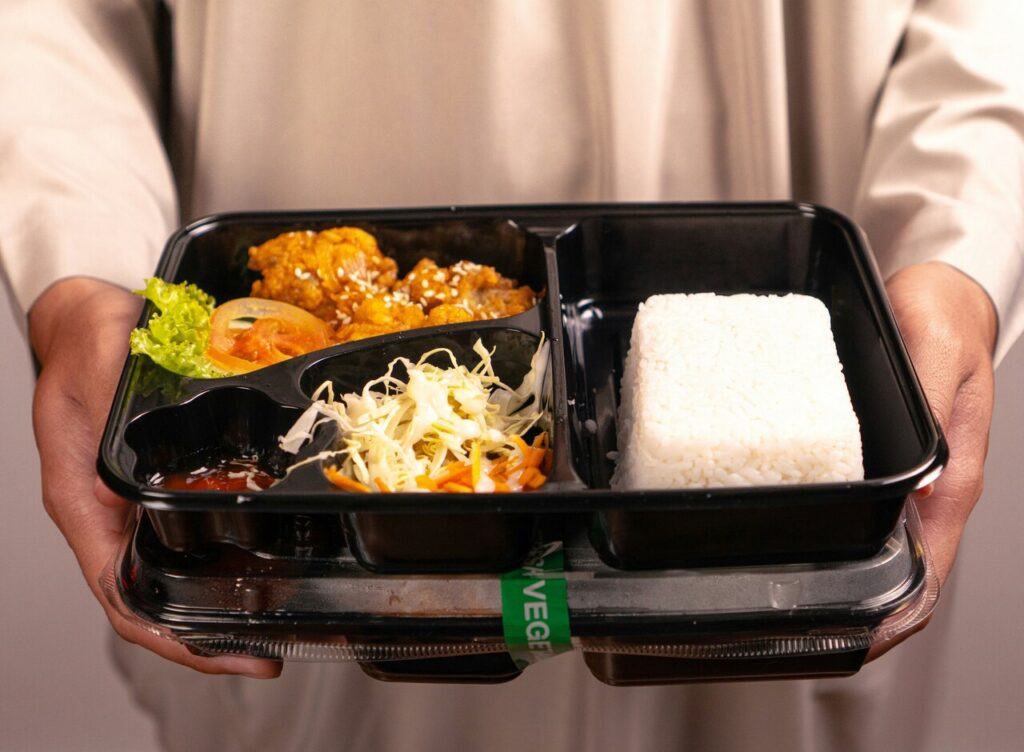
Convenience foods cost more than just their ingredients. What you are paying for is the time and effort taken out of your routine and handled elsewhere.
Raw ingredients make up only a small share of the price. Once food is cleaned, cut, or cooked, each step adds labor, equipment use, and checks that raise costs.
Labor is a key factor. Ready-to-eat foods need careful handling to maintain hygiene, consistency, and presentation, which requires trained workers.
Energy use also increases costs. Facilities depend on refrigeration, machinery, and controlled settings to keep food fresh and safe.
All these factors make convenience foods more expensive. You are paying not just for food, but for a service that replaces multiple steps.
Processing and Packaging That Increase Prices
Turning raw ingredients into ready-to-eat food involves several processing steps, each adding to the final cost. Washing, cutting, and portioning all require machines and supervision.
Packaging adds another layer of expense. Pre-cut and ready meals need sealed containers to keep them fresh and safe, raising material costs.
Some packaging extends shelf life. Methods like vacuum sealing require added technology, which further increases expenses.
Smaller portions also cost more. Individual packs use more packaging per gram, making them less economical overall.
Strict safety and labeling rules add to costs. While they ensure quality, they also increase production and compliance expenses.
Supply Chain and Safety Factors Affecting Costs
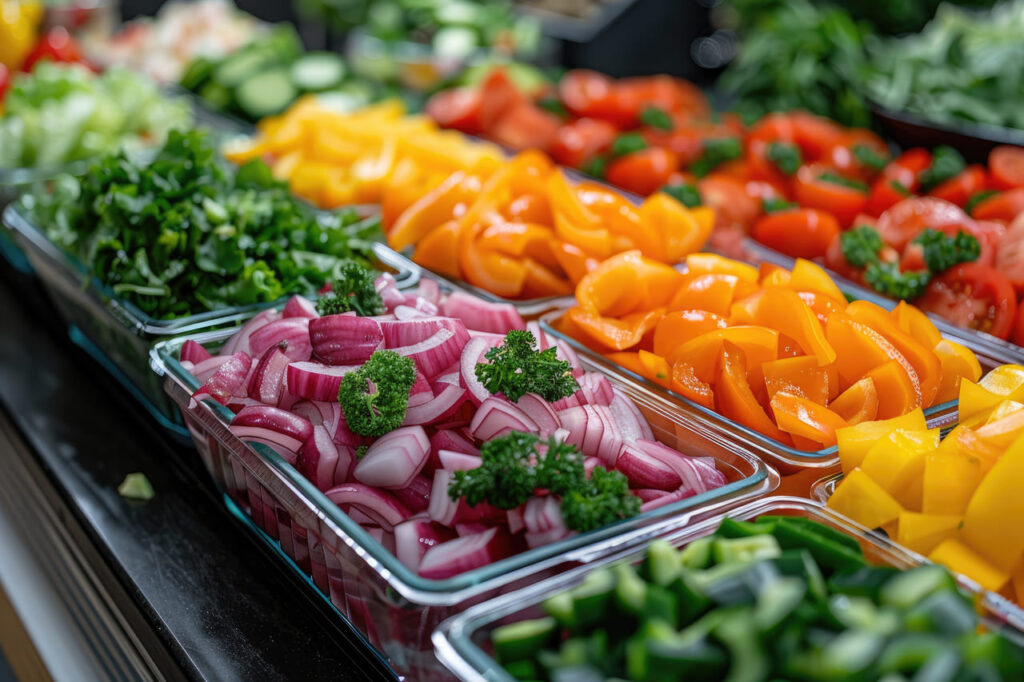
Convenience foods depend on more complex supply chains than raw ingredients. Each stage, from sourcing to processing to distribution, must be carefully managed to maintain quality and safety.
Cold chain logistics are essential. Many ready-to-eat items require constant refrigeration from the factory to the store, increasing transportation and storage costs significantly.
Food safety standards are stricter for pre-prepared items. Since these foods are consumed directly, they must undergo rigorous testing and handling procedures to prevent contamination.
Short shelf life adds pressure. Retailers and suppliers must move these products quickly, and any unsold stock often becomes waste, which is factored into pricing.
All these factors create a system where efficiency must be balanced with safety. The added complexity inevitably leads to higher prices for the end consumer.
Consumer Demand and Pricing Psychology
The growing demand for convenience is one of the biggest reasons prices keep rising. As more people prioritize time over cost, retailers respond by expanding ready-to-eat options.
Urban lifestyles play a role. Busy schedules and smaller households increase reliance on foods that require little to no preparation, making convenience a premium feature.
Pricing is also influenced by perception. Consumers often associate ready-to-eat products with higher quality or freshness, even when the base ingredients are similar to cheaper alternatives.
Retailers use this perception to position convenience foods as premium items. Attractive packaging and branding reinforce the idea that these products are worth the extra cost.
This dynamic creates a cycle. Higher demand supports higher prices, and those prices are maintained because consumers continue to value the time saved.
Practical Ways to Spend Smarter on Ready-to-Eat Foods
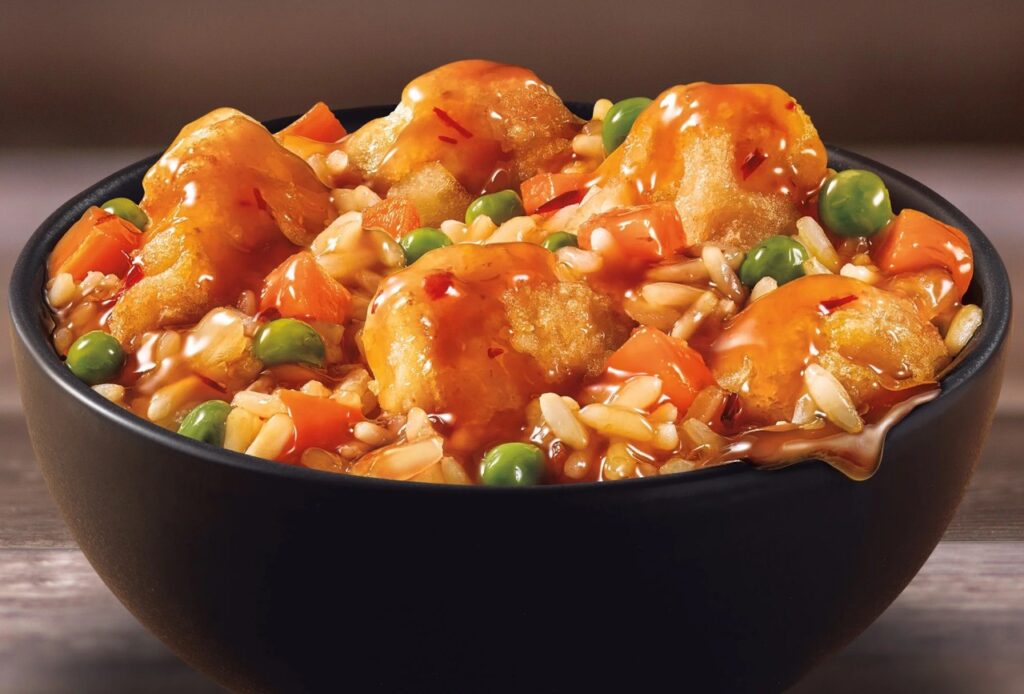
Even with rising prices, it is possible to enjoy convenience foods without overspending. A mindful approach can help balance ease with cost.
One effective strategy is selective buying. Choose ready-to-eat items for tasks that are truly time-consuming, while handling simpler preparation at home.
Comparing unit prices can reveal better value. Larger packs or minimally processed options often cost less per gram than fully prepared alternatives.
Planning meals reduces reliance on expensive convenience items. Preparing ingredients in advance at home can offer similar ease at a lower cost.
Another approach is mixing convenience with fresh items. Pairing a ready-to-eat component with home-prepared elements can cut costs without sacrificing time.
With a bit of awareness, convenience foods can remain a helpful option rather than a constant expense.