Bulk Isn’t Always What It Seems at Sam’s Club in 9 Ways

Shopping at Sam’s Club is built around one simple idea: buy more, save more. The shelves are stacked high, the packages are oversized, and the pricing is designed to make everything feel like a better deal. At first glance, it works. Bulk looks efficient, practical, and often cheaper per unit.
But here’s the thing. Bulk only delivers real value when it matches how you actually shop and consume. Larger quantities can change how much you spend, how much you waste, and even how you evaluate price. What feels like a smart purchase in the moment can quietly cost more over time if it goes unused or replaces a better deal elsewhere.
That is where perception and reality start to drift apart. The savings are not always as straightforward as they seem.
1. The Bigger Cart That Quietly Raises Your Total Spend
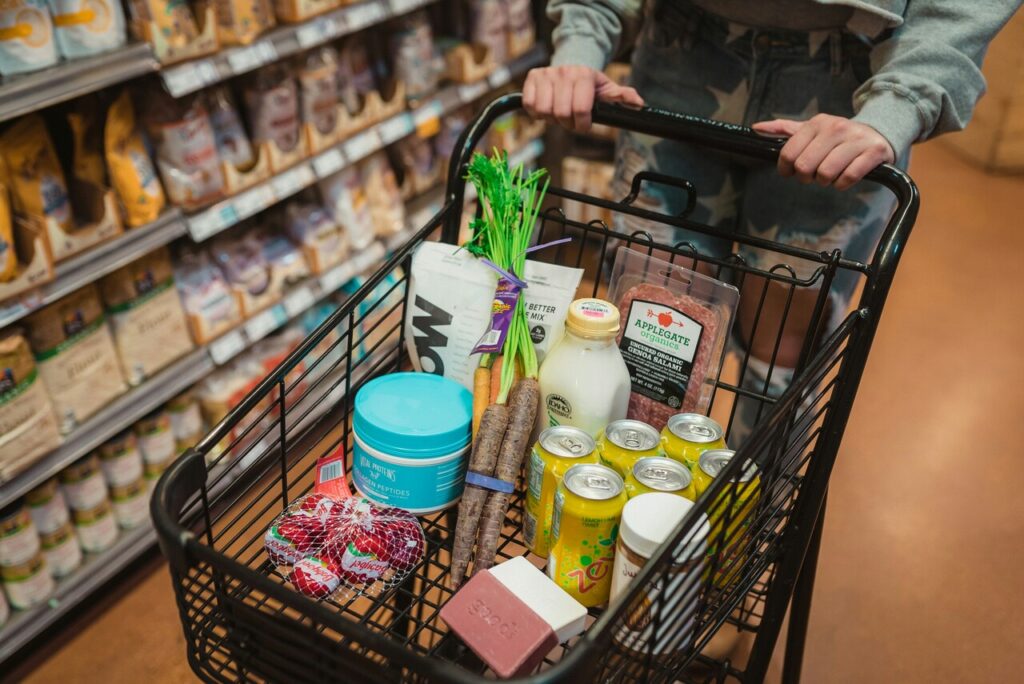
Walking into a warehouse store often means grabbing a larger cart, and that small change influences how much you buy. Bigger packaging takes up more space, which makes partially filled carts look empty. That visual gap encourages adding more items than originally planned.
Bulk pricing also shifts focus away from total cost and toward perceived value. A large package may seem like a better deal per unit, but the upfront price is still higher. When multiple items follow that pattern, the total bill increases quickly without feeling excessive in the moment.
This is where bulk can mislead. The savings might exist on paper, but the actual spending rises. For many shoppers, the real impact is not in price per unit but in how much more they end up buying overall.
2. The Fresh Items That Don’t Last as Long as Expected

Buying fresh food in large quantities sounds practical until it meets real consumption habits. Produce, dairy, and prepared foods have limited shelf lives, and bulk packaging often exceeds what a household can realistically use in time.
Even with refrigeration, items like greens, berries, or deli products can spoil faster than expected. When that happens, part of the purchase is effectively wasted. That waste reduces any savings gained from buying in larger quantities.
The issue is not the quality of the food but the mismatch between portion size and usage. Bulk works best for non-perishables, but with fresh items, it can easily lead to throwing away what you paid for.
3. The Price Tags That Take More Work to Understand
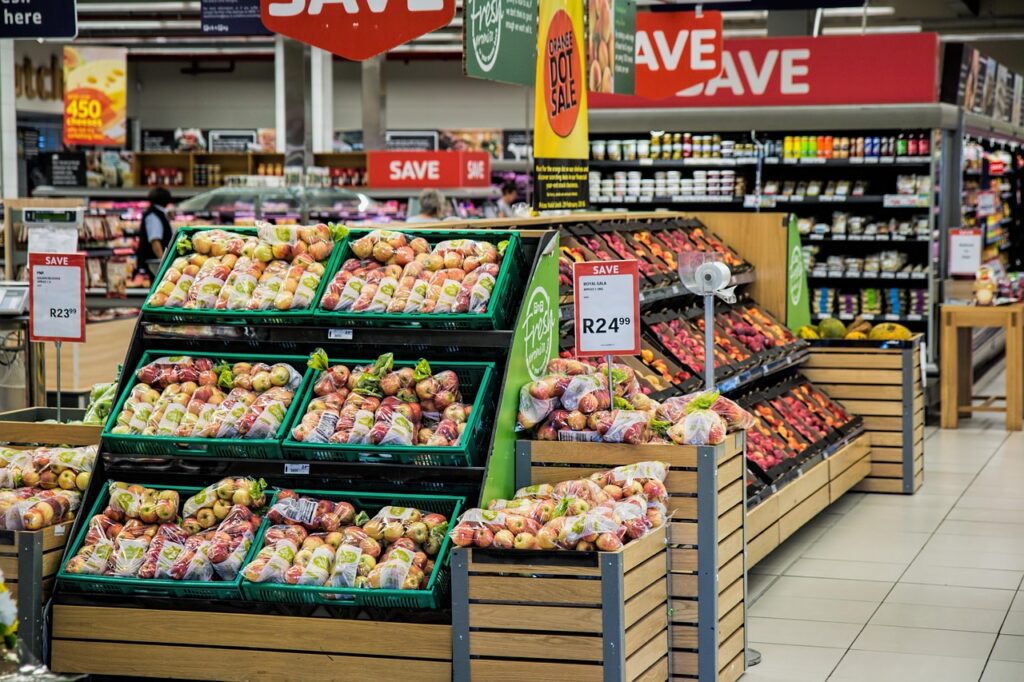
Warehouse pricing often relies on unit cost comparisons, which require a bit of math. While labels may show price per ounce or per item, shoppers still need to compare across brands and package sizes to know if they are actually saving.
This extra step is easy to skip, especially when shopping quickly. As a result, people may assume that bulk automatically means cheaper, even when smaller packages elsewhere offer better deals.
The complexity adds friction to decision-making. Without careful comparison, it is easy to pay more while believing you are saving. That gap between perception and reality is one of the key ways bulk can be misleading.
4. The Limited Choices That Nudge You Toward Higher Prices
Warehouse stores typically carry fewer brands within each category. While this simplifies the shopping experience, it can also limit the ability to choose lower-cost alternatives.
When only a few options are available, shoppers may default to what is stocked rather than comparing across a wider range. This can lead to purchasing premium or higher-priced items that would not have been chosen in a standard grocery store.
The result is less flexibility. Bulk buying may seem efficient, but it can reduce price competition at the shelf level, which sometimes leads to spending more than expected.
5. The Packaging That Makes Everything Look Like a Deal

Large boxes and oversized containers create a strong visual impression of value. The size alone suggests abundance, which can influence how shoppers judge the product before even looking at the price.
This effect is tied to perception. When something looks bigger, it feels like more for the money. However, packaging can mask differences in quality or quantity that are not immediately obvious.
The visual appeal of bulk packaging is powerful, but it does not guarantee better value. Understanding what is inside matters more than how large the container appears.
6. The Store Layout That Encourages Extra Stops
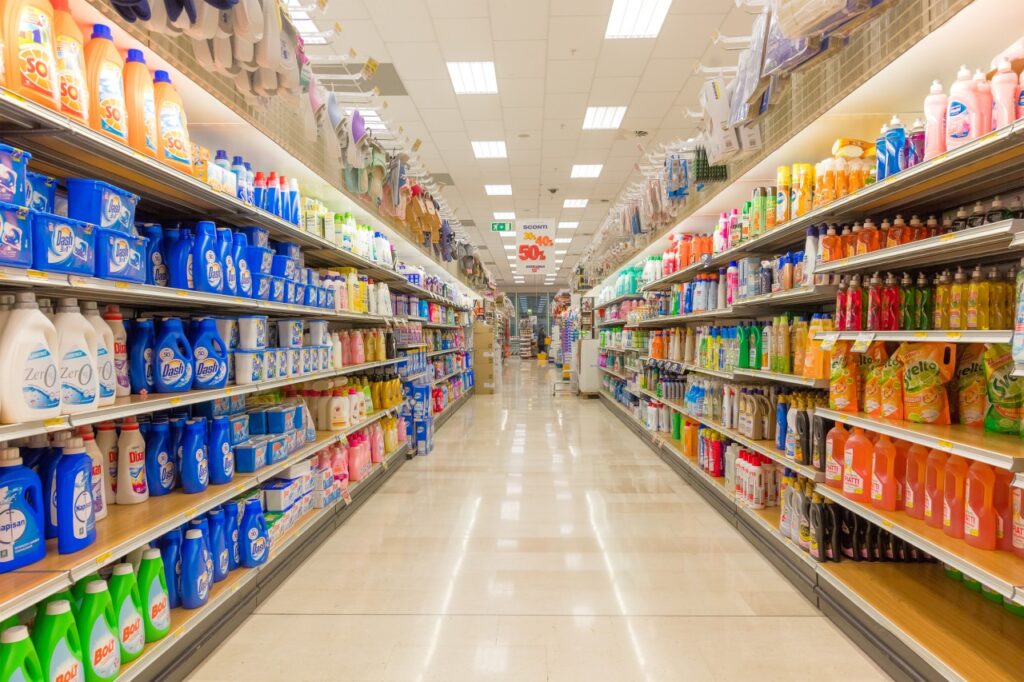
Warehouse stores are designed to guide shoppers through multiple sections before reaching checkout. This layout increases exposure to products that were not on the original list.
Wide aisles, stacked displays, and rotating featured items create opportunities for unplanned purchases. The longer someone stays in the store, the more likely they are to add items to their cart.
This is not accidental. It is a strategy that increases overall spending. Even disciplined shoppers can find themselves picking up extra items simply because they encountered them along the way.
7. The Free Samples That Turn Curiosity Into Commitment

Free samples are a common feature in warehouse stores, and they are effective for a reason. Trying a product reduces hesitation and increases the likelihood of purchase.
The challenge comes with the scale of the commitment. Sampling a small bite can lead to buying a large package. If the product is not used regularly, it may not justify the purchase.
Sampling creates a moment of excitement that can override careful planning. It turns curiosity into action, often leading to buying more than intended.
8. The Expiration Dates That Sneak Up on Bulk Purchases
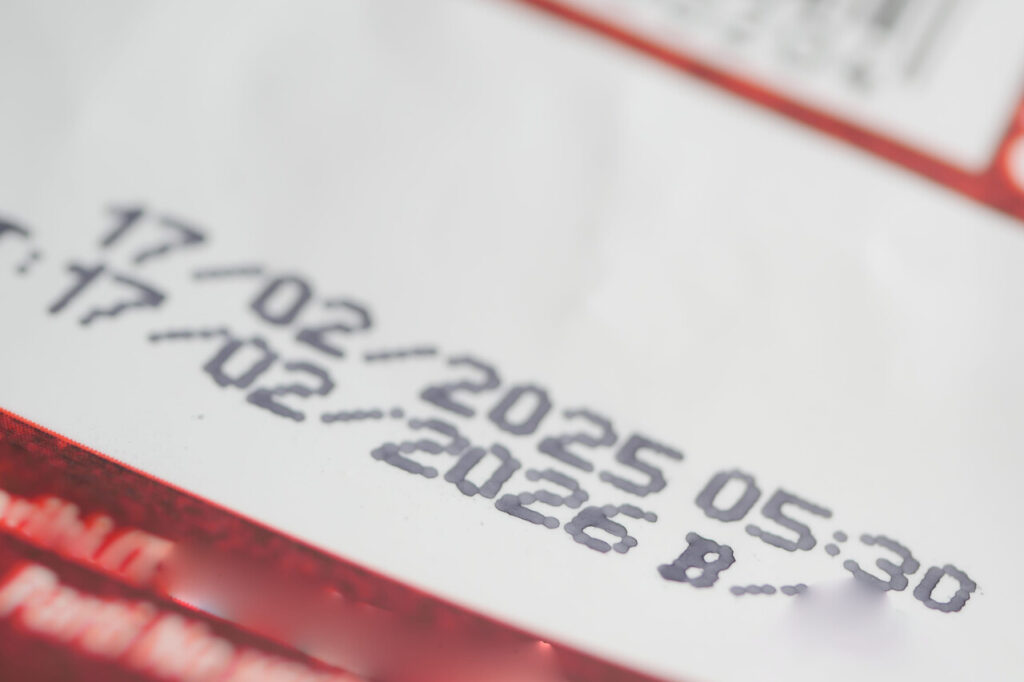
Large quantities take longer to use, which makes expiration dates more relevant. Even non-perishable items have shelf lives, and bulk packaging can extend beyond what a household consumes in time.
Products like snacks, condiments, or pantry staples may sit longer once opened. Over time, quality can decline even if the item has not technically expired.
This creates a hidden cost. If part of the product goes unused, the effective price per unit increases. Bulk only delivers value when it is fully used within its intended timeframe.
9. The Deals That Are Not Always the Best Available
Bulk pricing often feels like the lowest available option, but that is not always the case. Sales, coupons, and promotions at regular grocery stores can sometimes offer better per-unit prices.
Comparing across stores requires effort, and many shoppers assume warehouse pricing is consistently lower. This assumption can lead to missed opportunities for better deals elsewhere.
The key point is that bulk is not automatically cheaper. It depends on timing, promotions, and actual usage. Without comparison, it is easy to pay more while believing you are getting the best value.