The Decline of Pandemic Era Backyard BBQ Trends

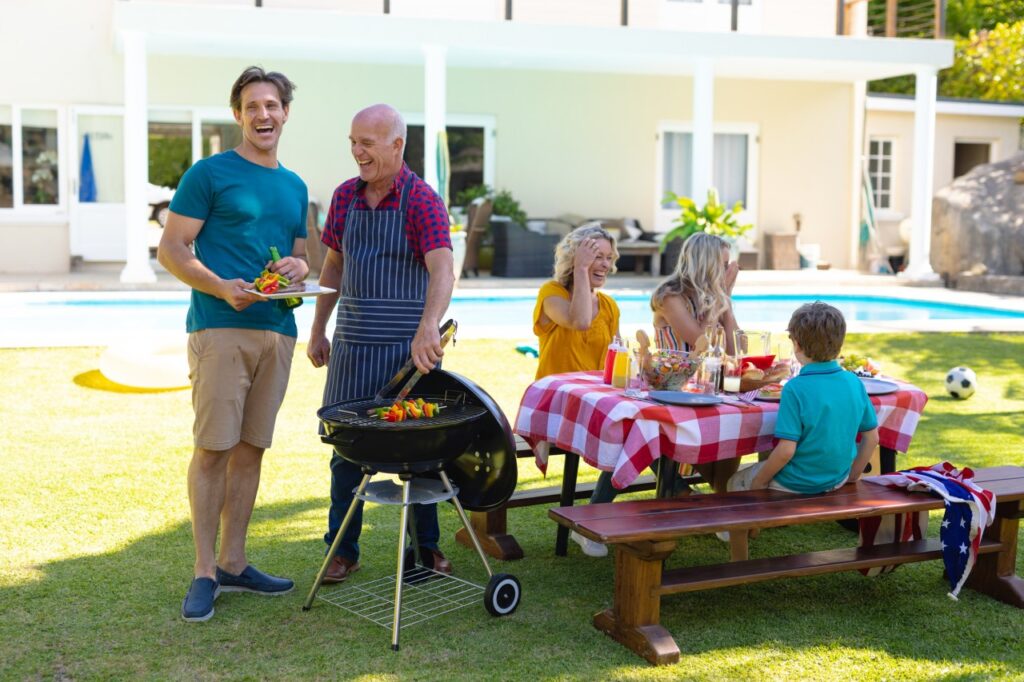
There was a time not long ago when the backyard grill rarely cooled down. During the height of the pandemic, patios became gathering spaces and weekend barbecues turned into rituals in uncertain times. With restaurants closed and travel plans canceled, many households embraced outdoor cooking as both a necessity and an escape. Grill sales surged as first-time buyers invested in new equipment, while experienced home cooks experimented with smoking techniques and homemade marinades. What had once been reserved for summer holidays expanded into regular dinners. For many families, lighting the grill offered more than a meal. It provided routine and comfort when daily life felt unpredictable.
As offices reopened and social calendars filled with travel, events, and restaurant reservations, that steady rhythm of backyard cooking began to slow. Grills still sit beside decks and patios, but near-daily use has faded. Higher prices for meat, fuel, and groceries have made frequent cookouts more expensive than they were just a few years ago. Consumers are also directing more of their budgets toward experiences outside the home. Barbecues have shifted back toward seasonal gatherings and holiday weekends. The affection for outdoor cooking remains, yet it now fits into a lifestyle shaped by new priorities and tighter household budgets.
Pandemic-Fueled Outdoor Cooking Lost Steam
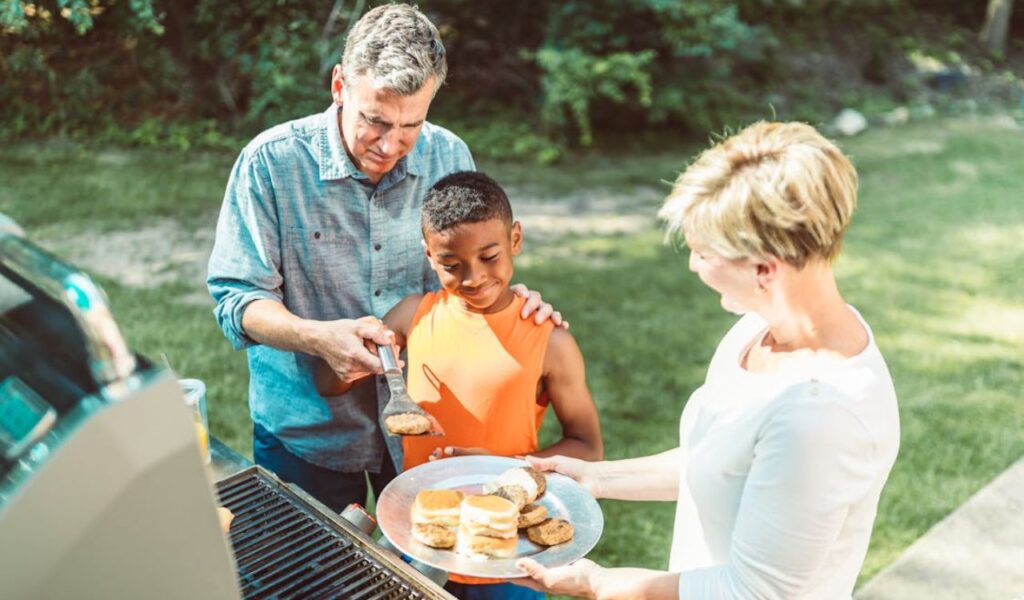
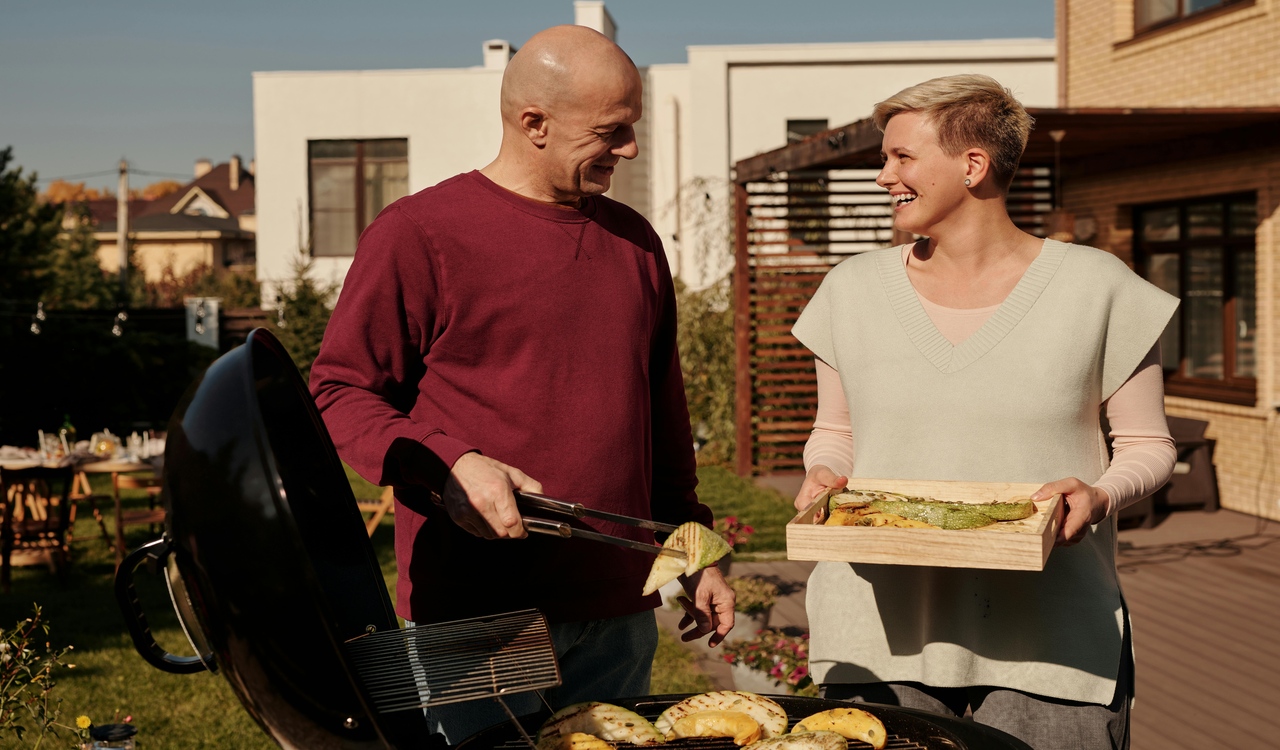
At the height of COVID-19 lockdowns, Americans embraced backyard grilling as a safe way to gather while limiting indoor contact. Outdoor cooking shifted from a seasonal hobby to a regular household routine. Families experimented with marinades, tried smoking meats for the first time, and expanded grilling beyond burgers and hot dogs to include vegetables and pizza. Industry surveys recorded a sharp rise in grill ownership and more frequent use, showing how deeply outdoor cooking became part of daily life. For many households, the backyard served as a controlled social space, offering connection when travel, restaurants, and large gatherings were off-limits.
As restrictions eased and routines returned, that momentum began to settle. Offices reopened, travel resumed, and restaurant dining regained appeal, reducing the need to cook every meal at home. Spontaneous weeknight barbecues and experimental menus gradually gave way to traditional patterns. Grilling remains popular, but it is now centered more on holidays, summer weekends, and planned gatherings rather than frequent daily use. While ownership levels stay higher than before the pandemic, sales growth has slowed, and usage rates have normalized. Backyard barbecues continue, but without the urgency created by stay-at-home constraints.
Grill Ownership Satiation Slows Purchases
One of the clearest signals of change has come from retail data. After record-breaking sales during the height of lockdowns, grill purchases have slowed. In 2020 and 2021, millions of households invested in their first gas, charcoal, or pellet grills as outdoor cooking became a central form of home entertainment. Retailers struggled to keep popular models in stock, and manufacturers ramped up production to meet demand. Ownership rates climbed to historic highs, with more than three-quarters of U.S. households reporting access to a grill or smoker. That surge created a marketplace driven by novelty and the practical need to prepare more meals at home during restricted movement.
Today, the industry faces a reality shaped more by saturation than scarcity. Many consumers who purchased grills during the pandemic still own relatively new units that function well, limiting the urgency to upgrade. As a result, new grill sales have dropped compared to peak levels, with manufacturers reporting notable year-over-year declines. The pattern reflects a typical durable-goods cycle: once households are equipped, demand evens out. Rather than replacing entire units, many owners are maintaining their grills, swapping out parts, or buying accessories. The shift points to market stabilization, not the end of backyard cooking.
Costs and Inflation Squeeze Backyard Traditions
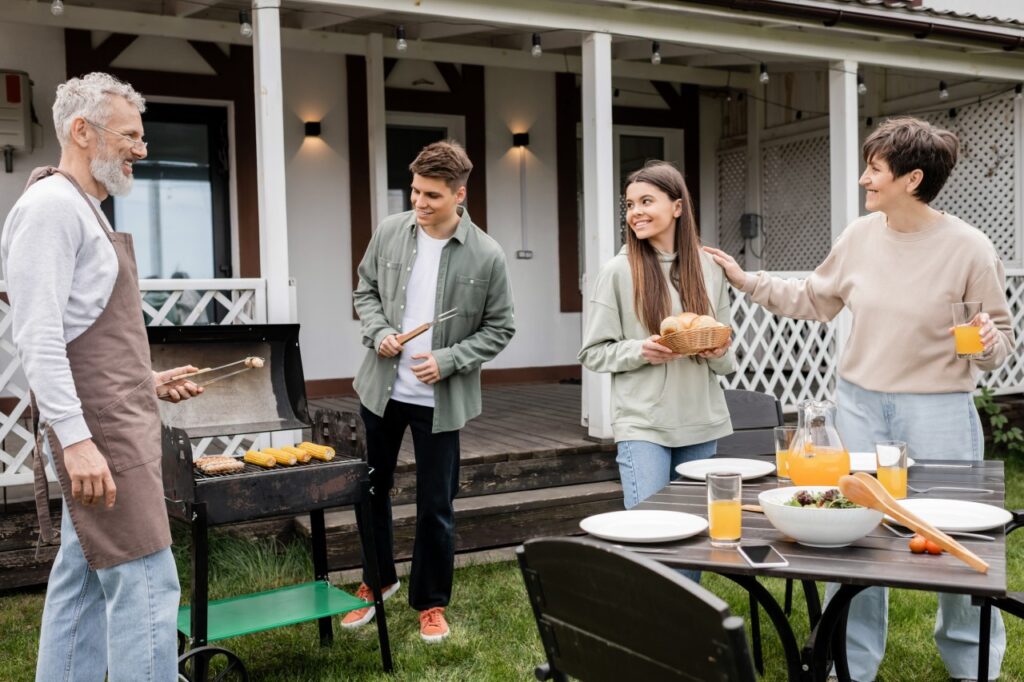
The economics of hosting backyard gatherings has shifted in noticeable ways. Across the United States, the cost of organizing even a modest barbecue has climbed compared to pre-pandemic years. Beef, chicken, and pork prices have seen volatility, while staple items such as buns, condiments, and side dishes reflect broader grocery inflation. Charcoal and propane prices have also risen at times, adding to the overall expense. For families managing higher housing, transportation, and utility bills, frequent cookouts feel less spontaneous and more like a planned budget choice. What was once an easy weekend default now requires closer attention to portions, guest lists, and total cost.
Beyond food prices, the outdoor living category has also felt the strain of tighter consumer spending. Grills, patio furniture, smokers, and accessories are durable goods many households already purchased during the pandemic surge. With inflation affecting essentials, shoppers are more cautious about upgrades or add-ons. Retailers report softer demand as consumers prioritize necessities. This shift does not eliminate backyard barbecues, but it returns them to seasonal and holiday occasions rather than frequent gatherings. Outdoor cooking remains a valued tradition, though it now competes with other spending priorities.
Routine Habits Replace Novelty Barbecues
During the pandemic, grilling evolved into more than a way to prepare dinner; it became part of a daily rhythm that filled the gaps left by closed restaurants and canceled gatherings. With commutes eliminated and evenings suddenly open, many households turned to outdoor cooking as both activity and escape. Lighting the grill marked the end of a work-from-home day, while experimenting with new cuts of meat or smoked recipes replaced postponed vacations and dining experiences. Surveys from that period showed not only higher grill ownership but also more frequent weekday use, signaling that barbecuing had shifted from an occasional hobby to a regular household ritual woven into lockdown life.
As offices reopened and social calendars regained momentum, that sense of novelty naturally began to fade. Travel resumed, sports events returned, and dining out once again offered convenience and variety. Backyard cookouts gradually moved back into their pre-pandemic lanes, centered on summer weekends, holidays, and special gatherings rather than spontaneous midweek meals. Many people who embraced grilling as a creative outlet still enjoy it, but it now competes with a wider range of leisure options. Today’s barbecues are more deliberate and planned, reflecting a lifestyle no longer defined by stay-at-home routines but by a fuller balance of work, travel, and social commitments.
Future of Backyard BBQ Culture Shifts Focus
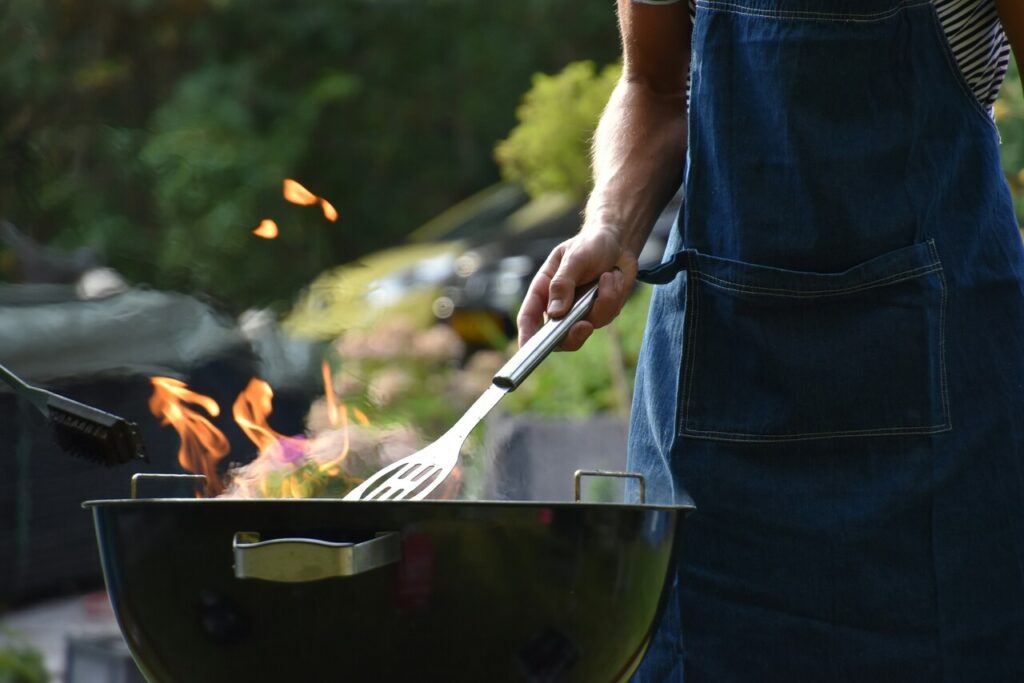
Backyard barbecue culture is not fading away; it is entering a steadier phase. After the surge in ownership during the pandemic years, manufacturers and retailers are focusing less on volume and more on innovation. Smart grills with app connectivity and built-in temperature monitoring are drawing interest from consumers who value precision and convenience. Portable and compact electric models are also gaining attention, especially among apartment dwellers and urban residents with limited outdoor space. Instead of replacing equipment entirely, many buyers now look for features that add flexibility and fit more easily into modern routines shaped by tighter schedules.
Demographic trends reinforce this shift. Younger consumers often prioritize versatility over size, choosing grills that are easy to store, move, or use for shorter cooking sessions. Interest in global flavors and lighter meal options is also influencing usage, with more focus on vegetables, seafood, and alternative proteins alongside traditional meats. Backyard cookouts may not dominate weekly schedules as they did during lockdowns, yet the cultural base remains strong. The future of American barbecue appears driven more by preference than necessity, blending convenience, portability, and evolving tastes into a flexible outdoor cooking experience.