Why Some Imported Ingredients Are Disappearing from Shelves


A missing jar on the shelf can tell a much bigger story than it first appears. That imported olive oil, specialty pasta, or hard-to-find spice blend did not vanish by accident. Behind every overseas ingredient is a layered chain of farmers, processors, exporters, freight carriers, port operators, customs officials, and currency markets that must move in coordination. Harvest timing, packaging schedules, container availability, and shipping routes all have to align before a single product reaches a store. When even one step slows down or becomes more expensive, the effect can travel across oceans and quietly surface as a space in your neighborhood grocery aisle.
In recent years, global shipping delays, elevated freight rates, shifting trade policies, and climate-related crop disruptions have made that journey far less predictable. Retailers now face longer lead times and greater uncertainty when placing import orders, especially for specialty or lower-volume goods. To reduce risk, many stores are trimming international selections or prioritizing products with steadier supply chains. Shoppers notice the gaps when favorite sauces, grains, or regional ingredients disappear without warning. While global trade continues, the path from distant farms to local shelves has grown more fragile, reshaping both retail decisions and everyday cooking choices.
Global Disruptions Thin Out Imported Shelves

A jar of specialty olives or a packet of imported spices may seem small, yet each item depends on a global network stretching across farms, factories, shipping lanes, and distribution centers. In recent years, that network has faced strain from port congestion, container shortages, labor slowdowns, and geopolitical tensions. When vessels are delayed or routes shift, the effects rarely stop at one shipment. Perishable and specialty goods, often shipped in smaller volumes and on tighter schedules, are especially exposed. Retailers that once relied on steady overseas deliveries now face fluctuating transit times and uneven inventory flow.
These disruptions move quickly from docks to store aisles. A backlog at a major port or a temporary customs slowdown can reduce shelf availability for weeks, especially for niche ingredients sourced from specific regions. Importers often prioritize high-demand or higher-margin products to protect revenue, leaving slower-moving specialty items at greater risk of being cut. Domestic staples remain more stable because they travel shorter distances and face fewer regulatory layers. As global logistics stay vulnerable to shocks, grocery shelves mirror those weak points, revealing how tightly everyday shopping is tied to international trade systems.
Rising Costs Make Overseas Ingredients Harder to Stock
The cost of bringing food products across oceans has shifted in recent years, placing new pressure on imported ingredients. During global supply chain disruptions, ocean freight rates climbed far above pre-pandemic levels, and although they have eased, volatility remains. Fuel prices, vessel capacity limits, insurance premiums, port fees, and container costs all contribute to the final landed price of goods. For specialty ingredients shipped in smaller quantities, these layered expenses can raise per-unit costs. Even modest increases at each step can translate into higher wholesale prices before a product reaches a retail shelf.
Retailers operate on narrow margins, leaving little room to absorb sustained cost increases. When import expenses climb, grocers must decide whether customers will pay higher shelf prices for niche or premium items. In many cases, price hikes reduce demand, especially when domestic or lower-cost substitutes are available. Lower sales volumes can make future orders less efficient, as smaller shipments often mean higher per-item shipping costs. To limit risk, stores may shrink order sizes, rotate products seasonally, or discontinue slower-moving imports. The result reflects economic practicality rather than declining consumer interest.
Trade and Currency Pressures Reshape Availability
Exchange rates may seem distant from everyday grocery shopping, yet they play a quiet but powerful role in determining which imported ingredients remain affordable. When the U.S. dollar strengthens against foreign currencies, American buyers can purchase overseas goods at a lower cost. When the dollar weakens, those same products become more expensive before they even leave their country of origin. Because many import contracts are negotiated months in advance, currency fluctuations create uncertainty for distributors trying to lock in pricing. Even small shifts in exchange rates can alter profit margins enough to influence whether a shipment moves forward or is scaled back.
Beyond currency movements, trade policies and regulatory requirements further shape availability. Tariffs on certain agricultural goods can raise landed costs overnight, while changes in trade agreements may alter sourcing strategies. Importers must also navigate labeling standards, food safety inspections, and documentation rules that vary by product and country of origin. For smaller specialty brands operating on thinner margins, added duties or compliance costs can make U.S. distribution impractical. Over time, these financial pressures determine which regions remain competitive suppliers and which imported ingredients gradually disappear from store shelves.
Retailers Pivot Toward Domestic Substitutes
When imported ingredients become difficult to source consistently, retailers often respond by shortening supply chains. Domestic producers typically offer faster shipping times, fewer port delays, and reduced exposure to customs inspections or tariff changes. Working with suppliers within the same country can also simplify contracts, lower transportation risks, and improve inventory forecasting. For grocery chains focused on keeping shelves reliably stocked, predictability carries significant value. As a result, many stores are expanding partnerships with regional farms, specialty producers, and U.S.-based food manufacturers to replace items that once depended on overseas shipments.
This transition, however, is rarely seamless. Some imported ingredients are closely tied to unique climates, soil conditions, or traditional preparation methods that cannot be fully replicated domestically. While substitutes may match flavor profiles or culinary function, they may not carry the same geographic identity. Even so, retailers must weigh authenticity against availability. A consistent domestic alternative often proves more practical than an imported product subject to delays or fluctuating costs. Gradually, shelf space adjusts to these realities, with regional brands filling gaps and reshaping the international mix found in grocery aisles.
Shoppers Adjust as Global Choices Narrow
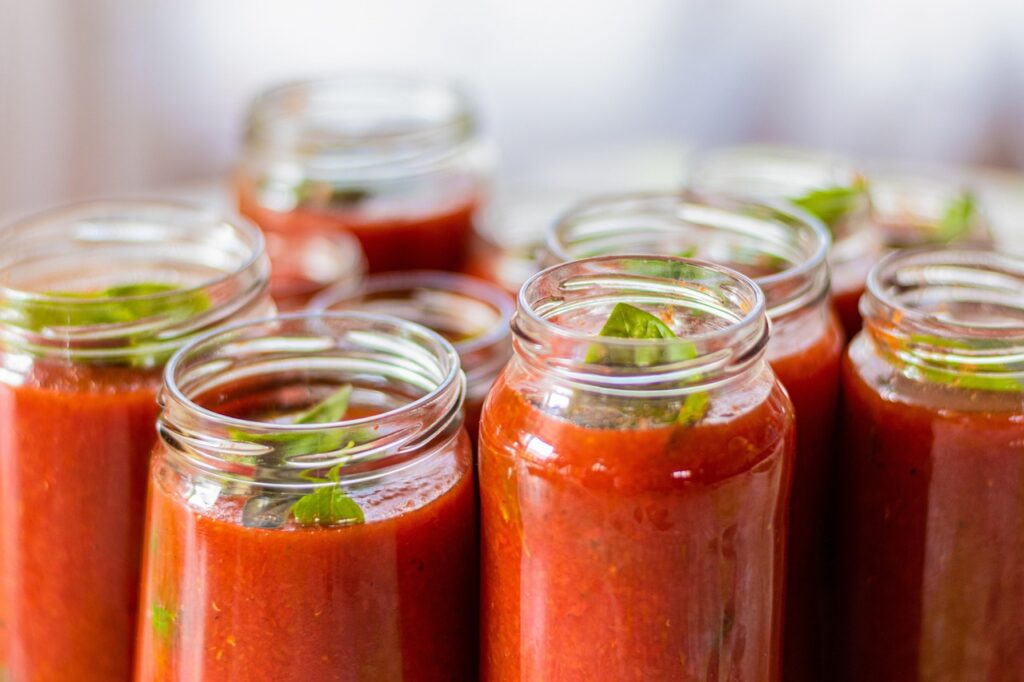
For many consumers, the disappearance of imported ingredients feels abrupt and confusing. A familiar jar of pasta sauce, a specific curry paste, or a specialty grain can vanish from shelves without warning, leaving regular buyers searching for explanations. These items often anchor favorite recipes or family traditions, so their absence carries more than minor inconvenience. In response, shoppers begin comparing labels, testing alternative brands, or adjusting cooking methods to recreate familiar flavors. Some experiment with domestic substitutes that promise similar taste profiles, while others modify recipes entirely to fit what is consistently available in local stores.
Although overall grocery variety remains broad, the composition of that variety is changing. Products once valued for their international origin are increasingly shaped by shipping costs, trade rules, and global logistics constraints beyond the shopper’s view. As certain imports become less reliable, purchasing habits shift in practical ways. Some consumers turn to specialty markets or online retailers willing to absorb higher shipping costs, while others simplify their pantry around dependable staples. The modern pantry remains globally influenced, yet its contents now reflect economic realities as much as culinary curiosity.