9 Pantry Items That Could Be a Hidden Hazards

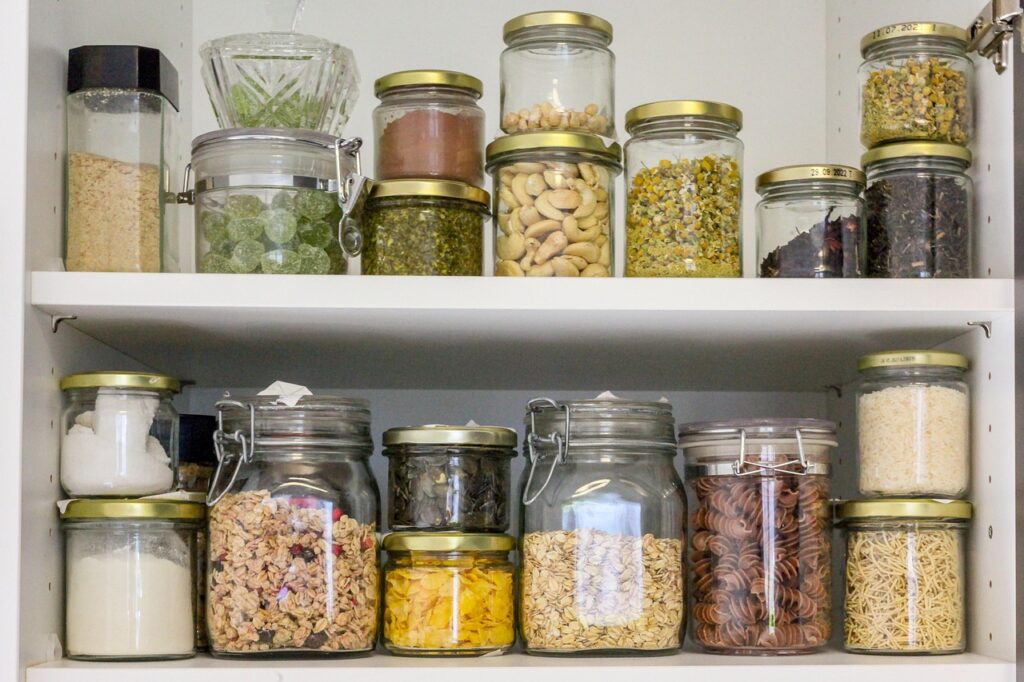
Pantries are meant to store everyday food safely, but certain items can quietly become hazards over time. Improper storage, long shelf life, and proximity to non-food items can lead to spoilage, pest infestations, or chemical exposure. Many risks develop slowly and remain unnoticed until food quality or safety is compromised. Understanding which pantry items require extra care helps prevent contamination, protects household health, and keeps stored foods fresh, usable, and safe to consume.
1. Flour Stored at Room Temperature
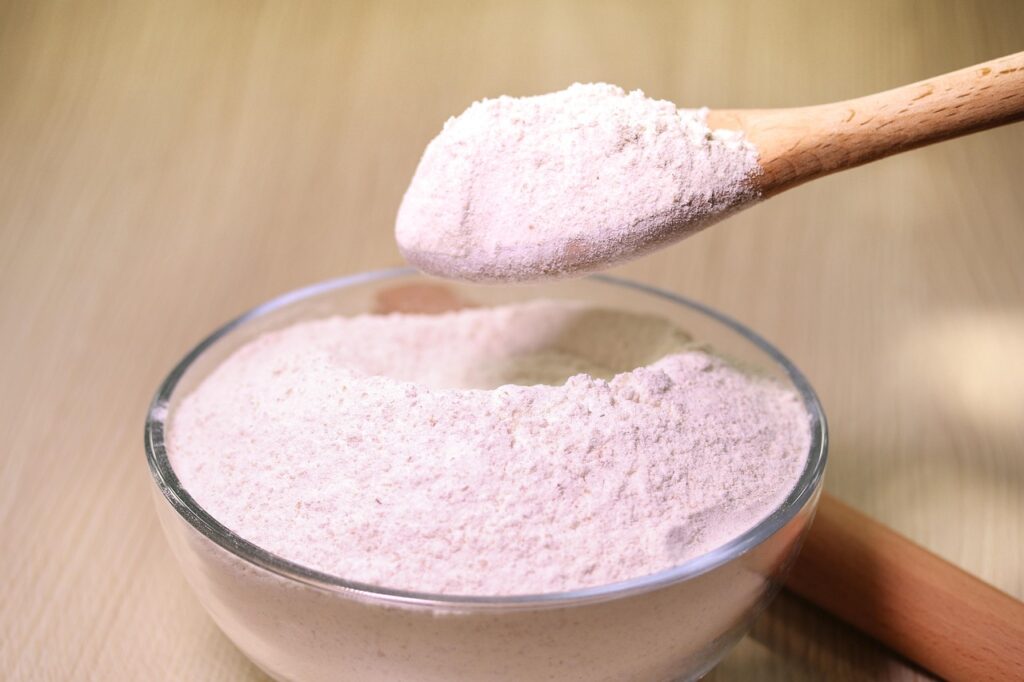
Flour seems harmless, but it can become a hidden pantry hazard when stored loosely or for long periods. Many flours, especially whole wheat, naturally contain tiny insect eggs that can hatch under warm conditions. When flour is kept in paper bags or unsealed containers, pantry moths and beetles can spread quickly to nearby foods. Flour also absorbs moisture and odors easily, which can lead to spoilage or off flavors. Whole-grain flours contain natural oils that can turn rancid over time, making them unsafe and unpleasant to use. Storing flour in airtight containers and cooler conditions reduces pest activity and preserves quality.
2. Rice and Other Dry Grains
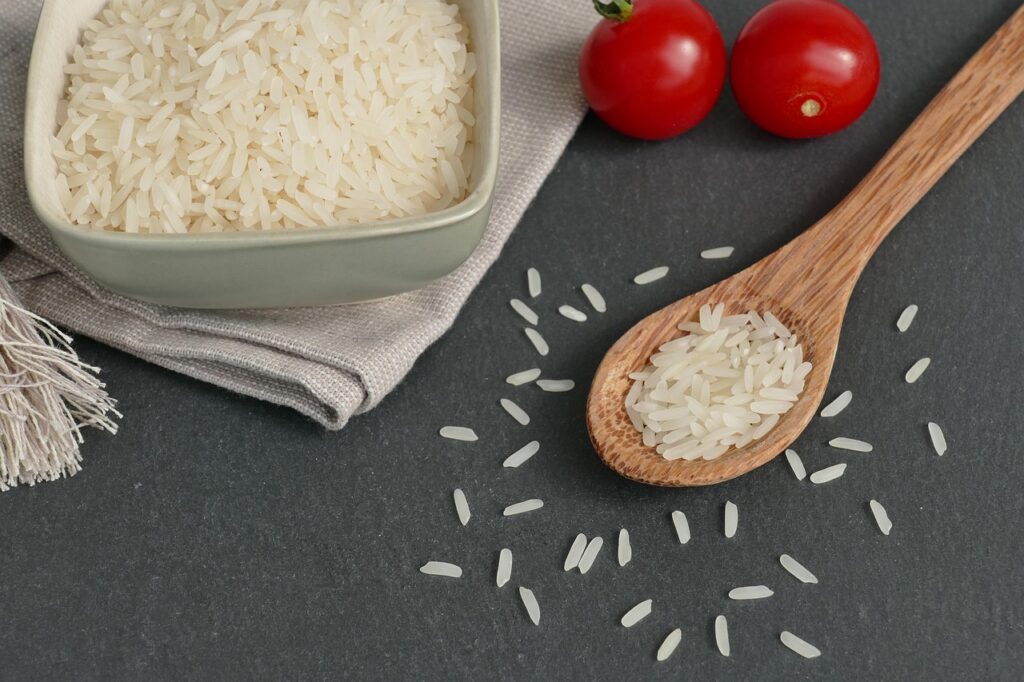
Rice, oats, and other grains are common pantry staples, but improper storage can turn them into contamination risks. Like flour, grains attract pantry pests and can harbor larvae that go unnoticed until infestation occurs. Moisture exposure can also cause mold growth, especially in humid environments. Whole grains are more vulnerable due to their oil content, which can spoil faster. Storing grains in thin plastic or cardboard packaging increases risk. Airtight containers help block pests and moisture while extending shelf life. Rotating stock and avoiding bulk purchases beyond realistic use prevent grains from sitting too long and becoming unsafe.
3. Cooking Oils Stored Too Long
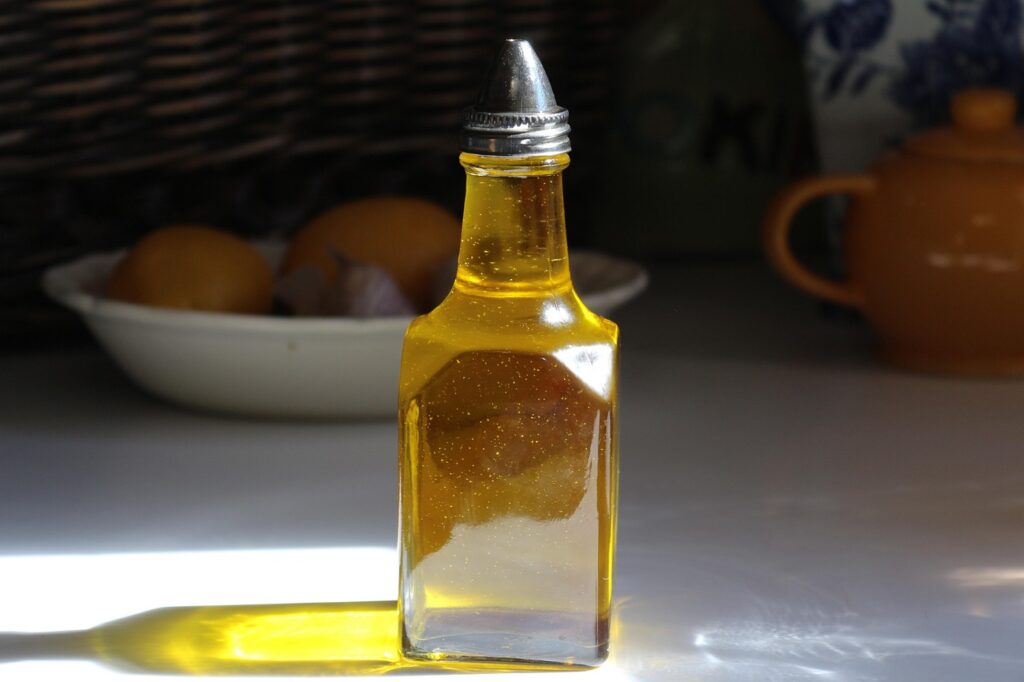
Cooking oils are often overlooked pantry hazards because they spoil quietly rather than visibly. Oils exposed to light, heat, or air undergo oxidation, which leads to rancidity over time. Rancid oils develop unpleasant flavors and odors, but more importantly, they can produce compounds that irritate digestion. Oils high in unsaturated fats, such as olive, avocado, and nut oils, spoil faster than refined oils. Many people keep oils far beyond their ideal shelf life without realizing it. Using smaller bottles, storing them in cool dark spaces, and paying attention to smell changes helps prevent accidental use of degraded oils that compromise health.
4. Cleaning Products Stored Near Food
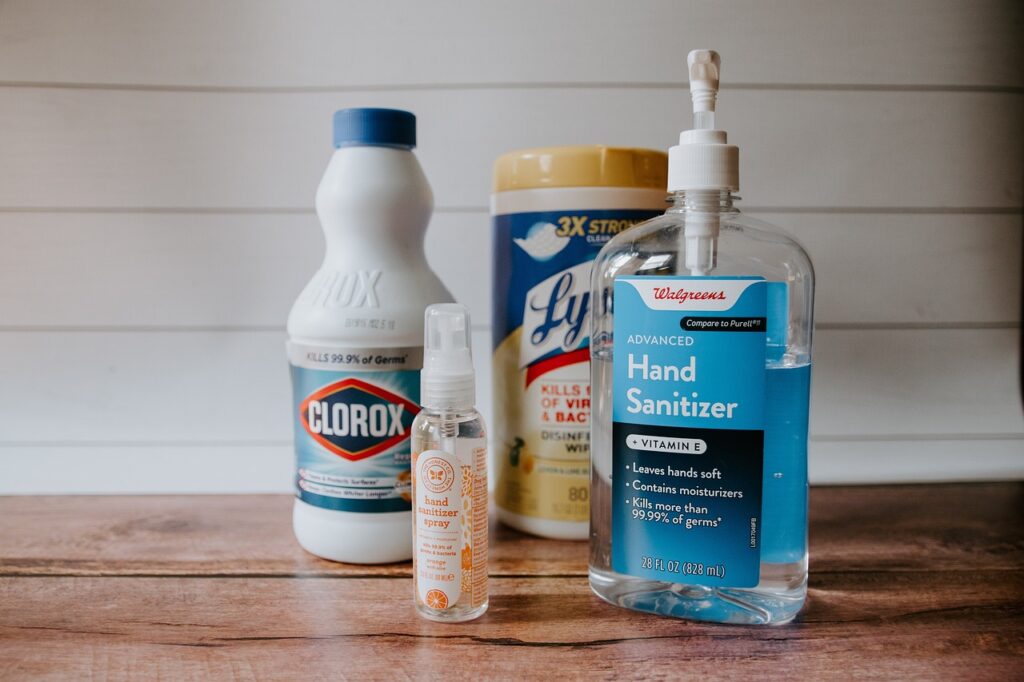
Storing cleaning supplies in the pantry creates serious safety concerns. Chemicals can leak, release fumes, or leave residue that contaminates nearby food packaging. Even sealed products may emit vapors that settle on surfaces or food containers. Accidental spills are especially dangerous when they occur near dry goods that absorb odors easily. There is also a risk of confusion or accidental ingestion, especially in homes with children or pets. Food and chemicals should always be stored separately. Keeping cleaning products in a designated cabinet reduces the chance of contamination and protects overall household safety.
5. Batteries and Non-Food Household Items
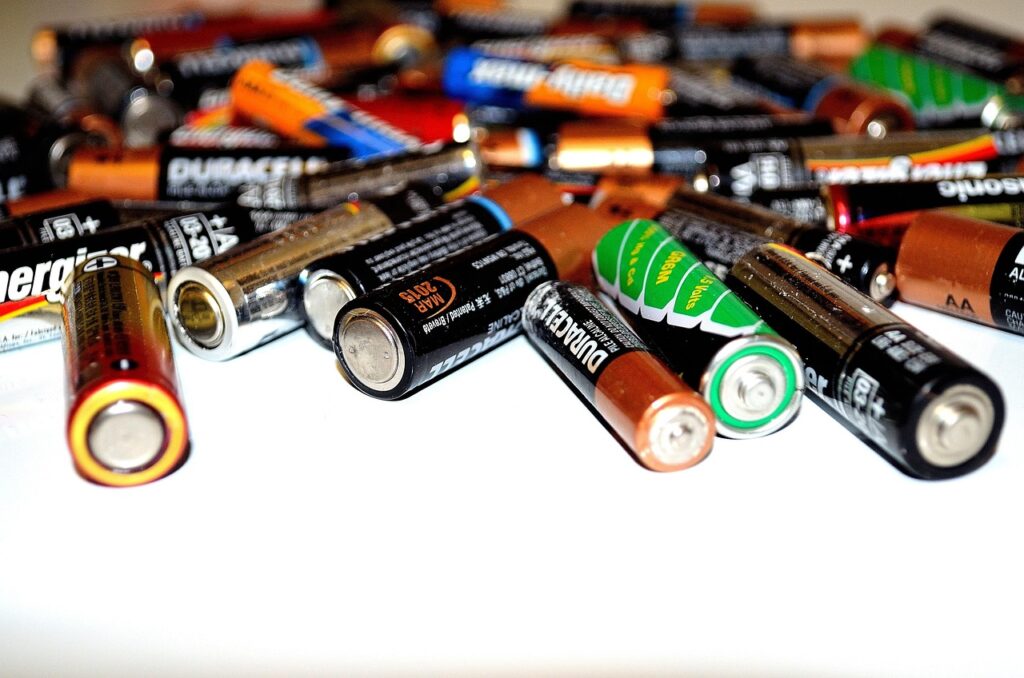
Batteries and small household items do not belong in food storage spaces. Batteries can leak corrosive chemicals that damage packaging and contaminate surfaces. Button batteries pose a severe ingestion risk, particularly for children and pets. Storing non-food items among pantry goods increases the chance of accidental exposure. These items also introduce dirt and residue into an area meant for consumables. A pantry should remain a controlled food-only environment. Relocating batteries and tools to utility drawers or storage bins eliminates unnecessary risks. Temperature changes in pantries can increase the likelihood of battery leakage.
6. Pet Food Stored With Human Food
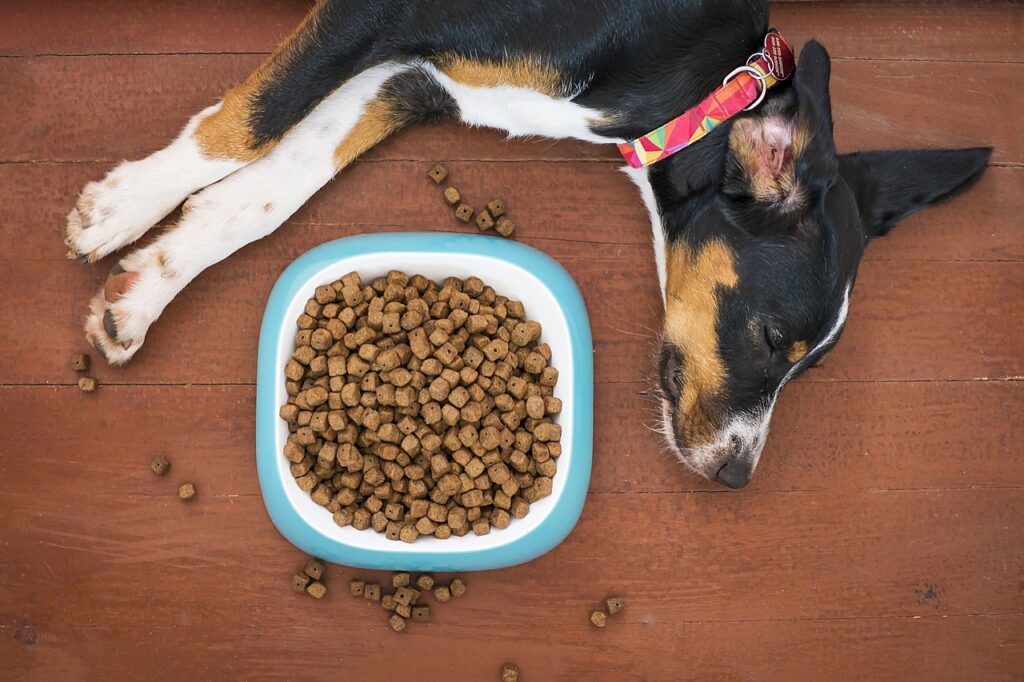
Pet food stored in the pantry can create hygiene and pest problems. The strong scent of pet food attracts insects and rodents more aggressively than many human foods. Oils and crumbs can transfer odors to nearby items, affecting taste and quality. There is also a risk of cross-contamination between pet and human food. Pet food bags are often not airtight, increasing exposure. Using sealed containers and separate storage locations keeps both food types safer. Maintaining clear separation supports better sanitation and pest control.
7. Expired or Forgotten Pantry Items
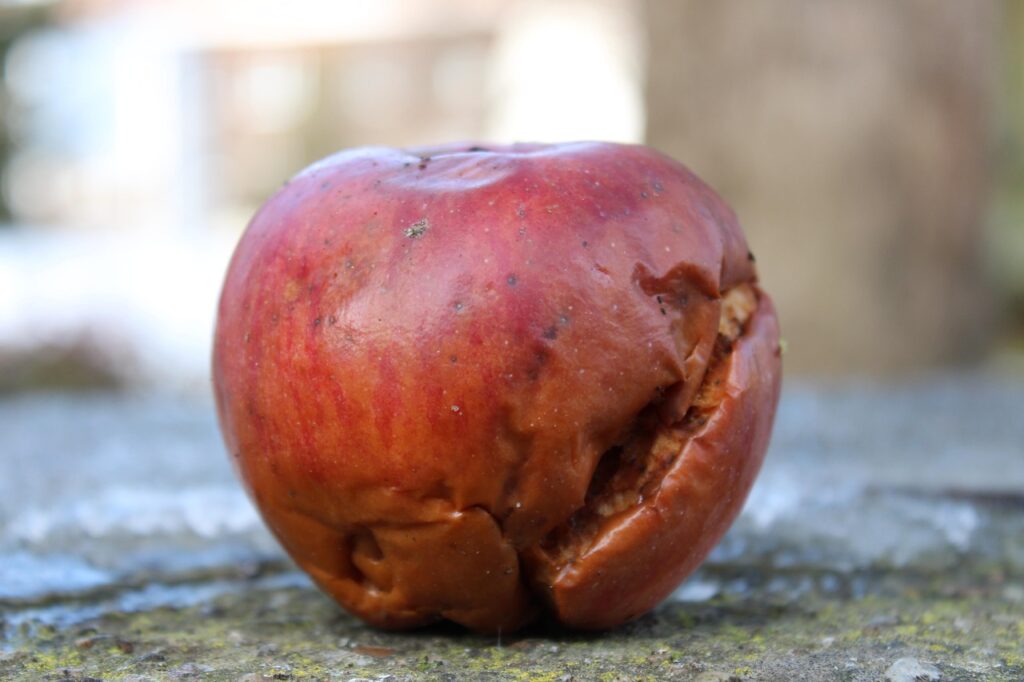
Expired pantry items are more than just stale. Over time, foods lose nutritional value and can develop harmful bacteria or mold. Oils and fats go rancid, producing compounds that cause digestive upset. Spices lose potency but can also harbor moisture if stored improperly. Forgotten cans or jars may rust or swell, indicating spoilage. Regularly reviewing pantry contents prevents accidental consumption of unsafe foods. Clearing out expired items also improves airflow and cleanliness, making the pantry easier to manage and safer overall. Pet food often contains fats that oxidize quickly once opened, increasing odor and spoilage risk.
8. Fresh Produce Stored in the Pantry
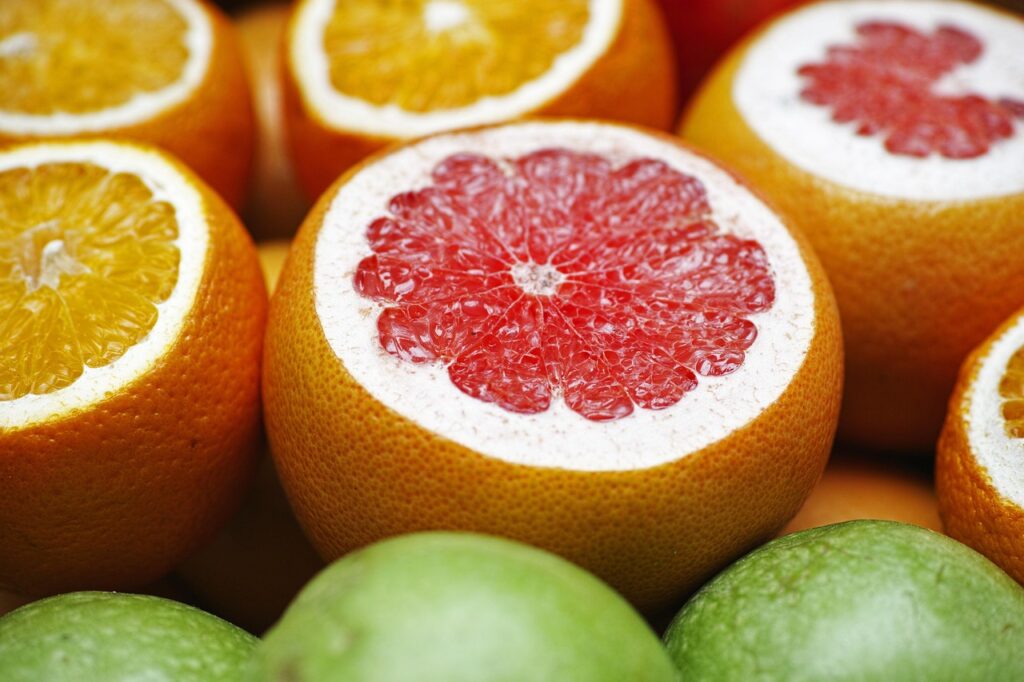
Certain fruits and vegetables spoil quickly at room temperature and should not be kept in the pantry. Fruits like citrus or melons can mold rapidly and spread spores to nearby foods. As produce breaks down, it releases moisture and odors that affect dry goods. Rotting produce also attracts pests. Refrigeration slows spoilage and limits contamination. Understanding which produce belongs in cold storage reduces waste and keeps pantry foods protected from secondary exposure. Labels can fade or fall off, making it harder to track age and safety. Periodic inventory checks reduce waste and prevent accidental use of compromised foods.
9. Whole Grain Flour and Nut-Based Flours
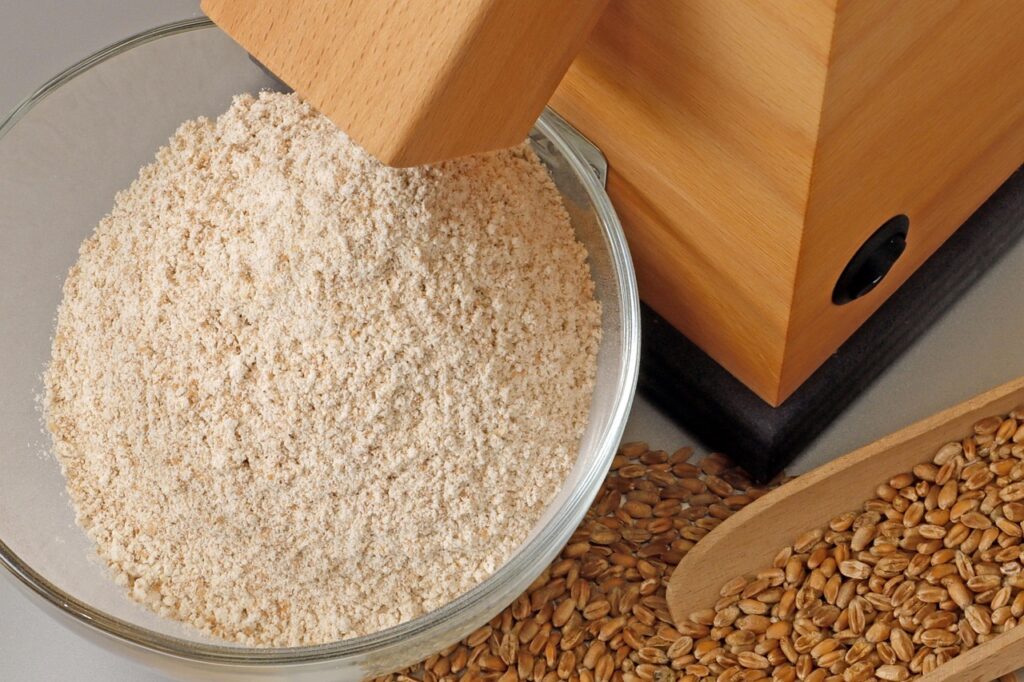
Whole-grain and nut flours present unique pantry hazards due to their high oil content. These oils oxidize quickly, especially in warm conditions, leading to rancidity. Rancid flours develop bitter flavors and can cause stomach discomfort. Unlike refined flour, spoilage is not always visible. These flours also attract pests more readily. Refrigeration or freezing significantly extends shelf life. Using smaller quantities and labeling purchase dates helps ensure these flours remain safe and usable. Freezing these flours halts oxidation and pest activity. Allowing them to return to room temperature before use prevents condensation.