11 Italian Comfort Foods That Deserve More Respect Than Pasta

Italian comfort food is often reduced to pasta, but many of the most satisfying dishes are built on braises, soups, dumplings, fried bites, and slow-roasted meat. These classics rely on time, technique, and smart use of humble ingredients to create depth, texture, and warmth. Crisp crusts contrast creamy centers, broths turn hearty with bread or potatoes, and long cooking transforms tough cuts into tender comfort. Each dish carries a strong regional identity, from Alpine dumplings to Sicilian eggplant and rice croquettes, proving that Italy’s coziest foods deserve attention well beyond noodles
1. Osso Buco
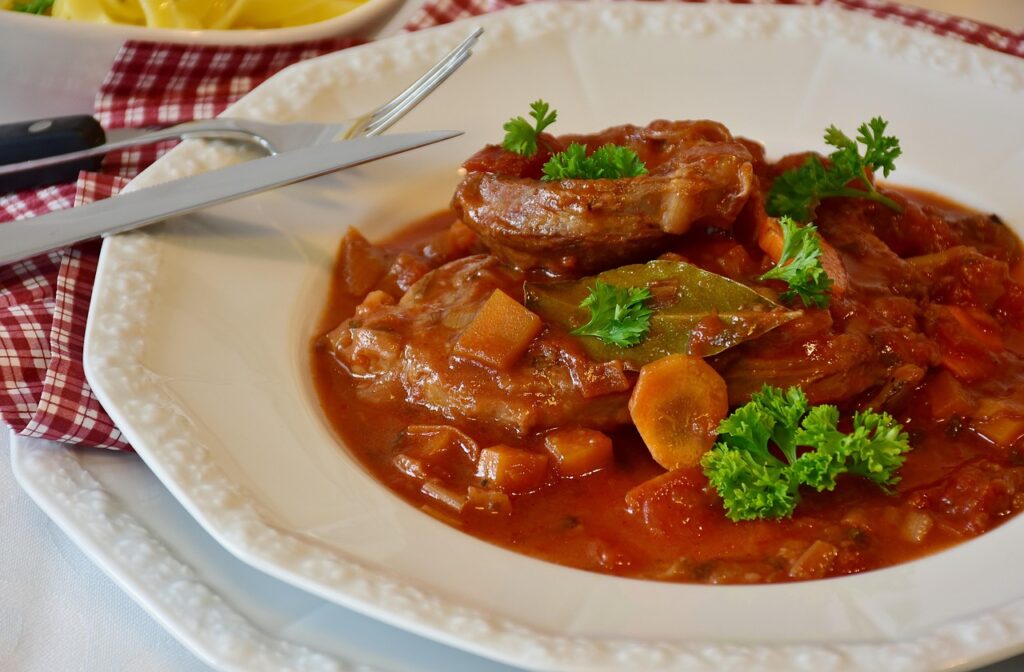
Osso buco earns respect because it turns a tough cut into something luxurious through time and technique. The dish is built around veal shanks, which contain connective tissue that needs slow, gentle braising to break down. The marrow in the center of the bone is a signature detail, adding richness and depth that feels uniquely comforting. Aromatics like onion, carrot, and celery create a savory base, and the braising liquid often includes wine and stock for complexity. Osso buco is traditionally paired with a bright garnish such as gremolata, which adds citrus and herb freshness that balances the richness.
2. Seupa Vapellenentse
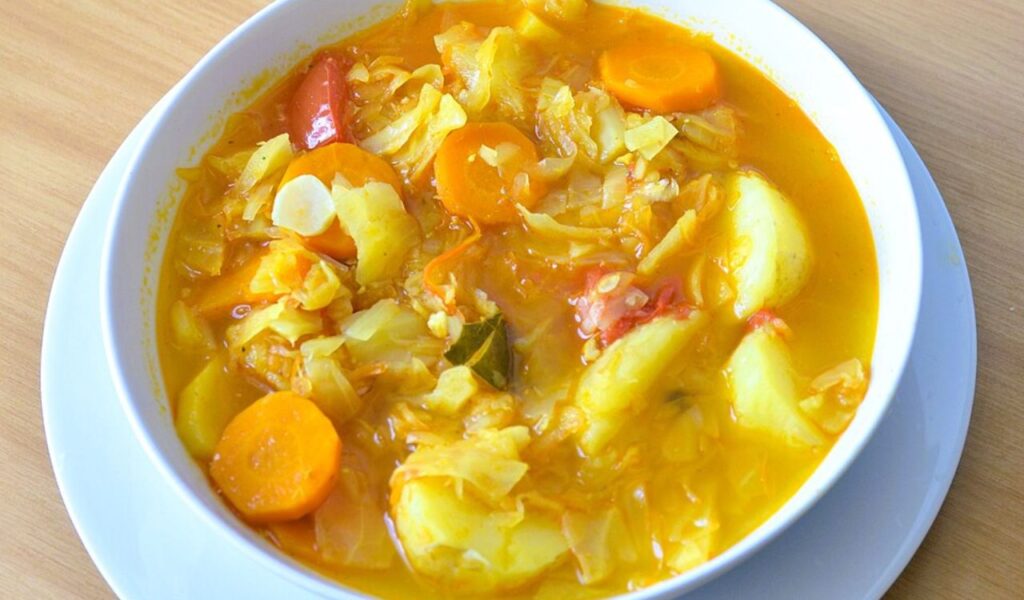
Seupa Vapellenentse deserves more attention because it represents comfort food at its most regional and practical. Originating from the Aosta Valley in the Italian Alps, it is typically built from savoy cabbage, bread, and rich pork fat such as lardo, all layered and simmered until the flavors merge. The cabbage softens and turns sweet, while bread thickens the soup and gives it body without needing cream. This is the kind of dish designed for cold weather, where warmth and calories matter. It is deeply fulfilling, rustic, and comforting, and it shows that Italian cooking is not only pasta and sauce. It is also soups built to sustain.
3. Chicken Marsala
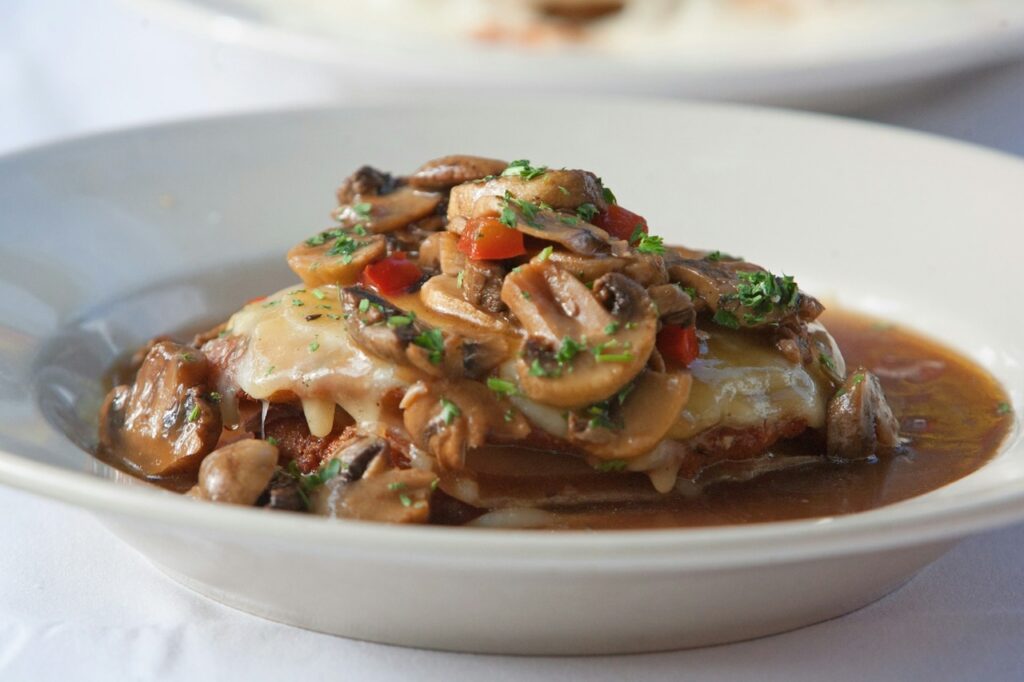
Chicken marsala is comfort food that tastes refined without being complicated. The dish relies on a classic Italian approach of pan-searing protein, then building a sauce in the same pan to capture browned flavor. Marsala wine provides sweetness and depth, while mushrooms add earthiness and an almost meaty aroma. The sauce thickens quickly because it reduces and often includes a small amount of butter or starch, creating a glossy finish that clings to the chicken. Chicken should be cooked just until done to stay juicy, and the sauce should be reduced enough to concentrate flavor without turning syrupy.
4. Zuppa Toscana
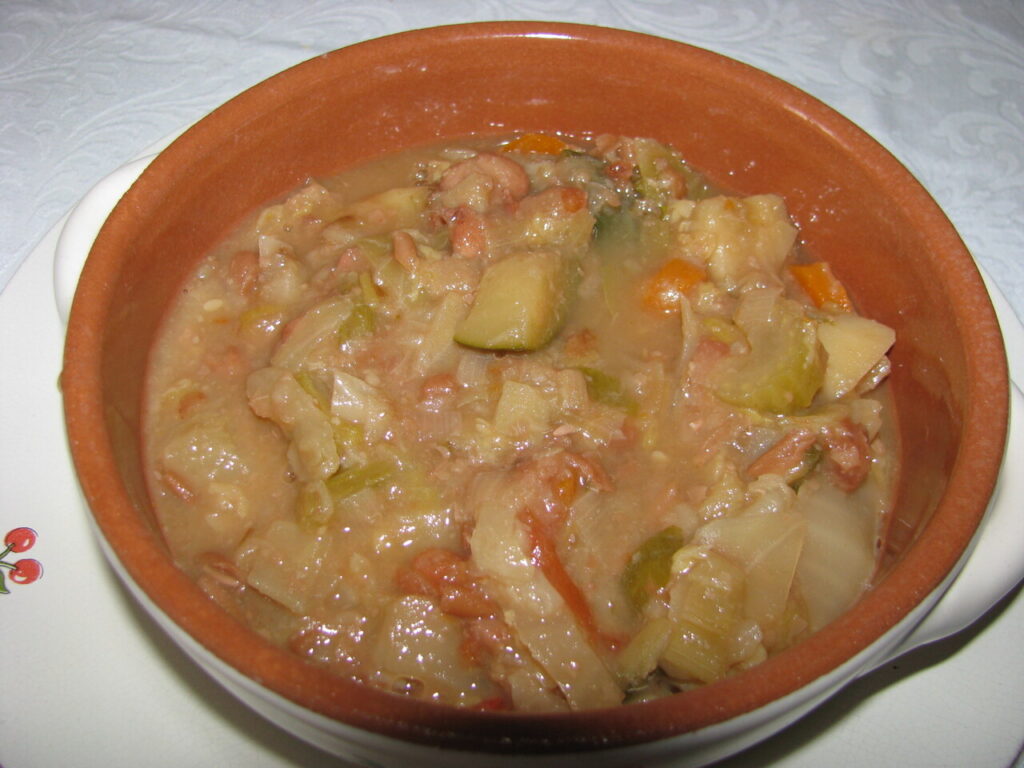
Zuppa toscana deserves respect because it shows how Italian comfort often begins with soup rather than pasta. This style typically combines sausage, potatoes, and greens in a broth that becomes rich and satisfying without being heavy. Sausage brings fat and seasoning, which spreads through the soup and flavors everything else. Greens such as kale bring a slightly bitter freshness that balances the richness and keeps the soup from tasting flat. Aromatics are cooked first to build a base, sausage is browned to add depth, and the broth simmers just long enough for potatoes to soften while keeping greens vibrant.
5. Arancini
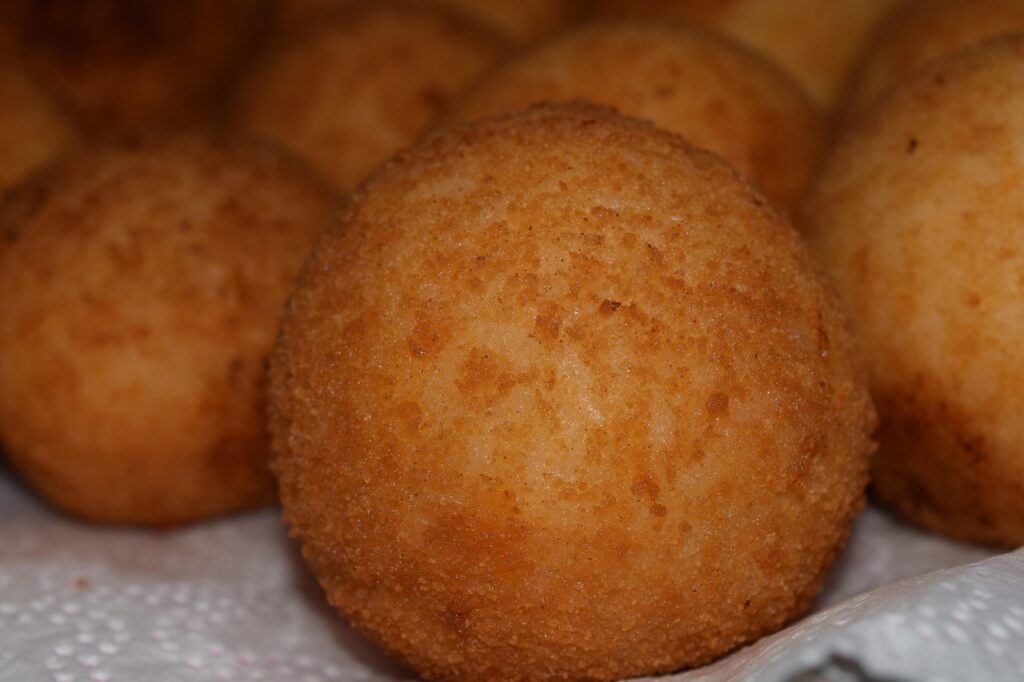
Arancini win people over because they transform leftover rice into something that feels celebratory. These Sicilian fried rice balls combine a creamy interior with a crisp exterior, which is why they feel more exciting than their simple ingredients suggest. The rice is often cooked as a thick, starchy base, sometimes similar to risotto, so it holds together when shaped. A filling like ragù, peas, and mozzarella adds savory depth and a melty center. The coating, usually breadcrumbs, creates the golden crunch that makes the first bite so satisfying. When done well, arancini deliver multiple textures at once: a crisp shell, soft rice, and warm filling.
6. Polenta e Funghi
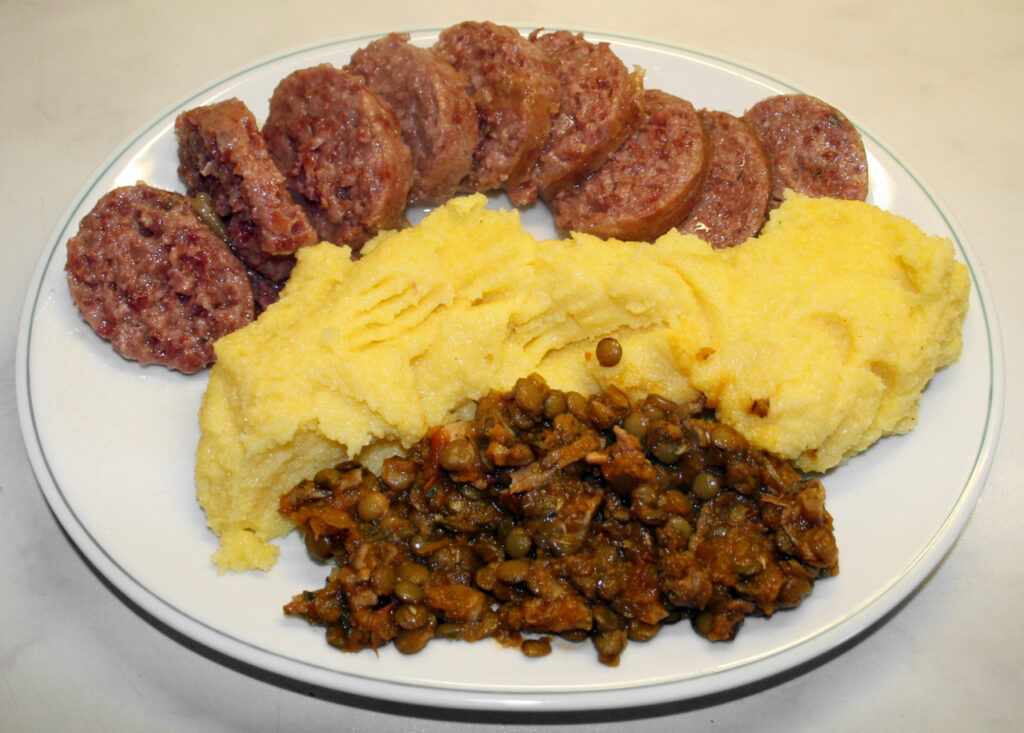
Polenta e funghi is comfort food built on slow cooking and deep flavor, not complexity. Polenta starts as coarse cornmeal, which turns creamy when cooked with enough liquid and time. Stirring helps release starch and create a smooth texture, but the real secret is patience. A properly cooked polenta tastes sweet and warm, with a soft body that feels soothing. Mushrooms provide the contrast. Sautéed mushrooms deliver an earthy aroma and umami, especially when cooked long enough to brown and concentrate. Garlic, herbs, and a little cheese can add richness, but the dish remains simple at its core.
7. Caponata
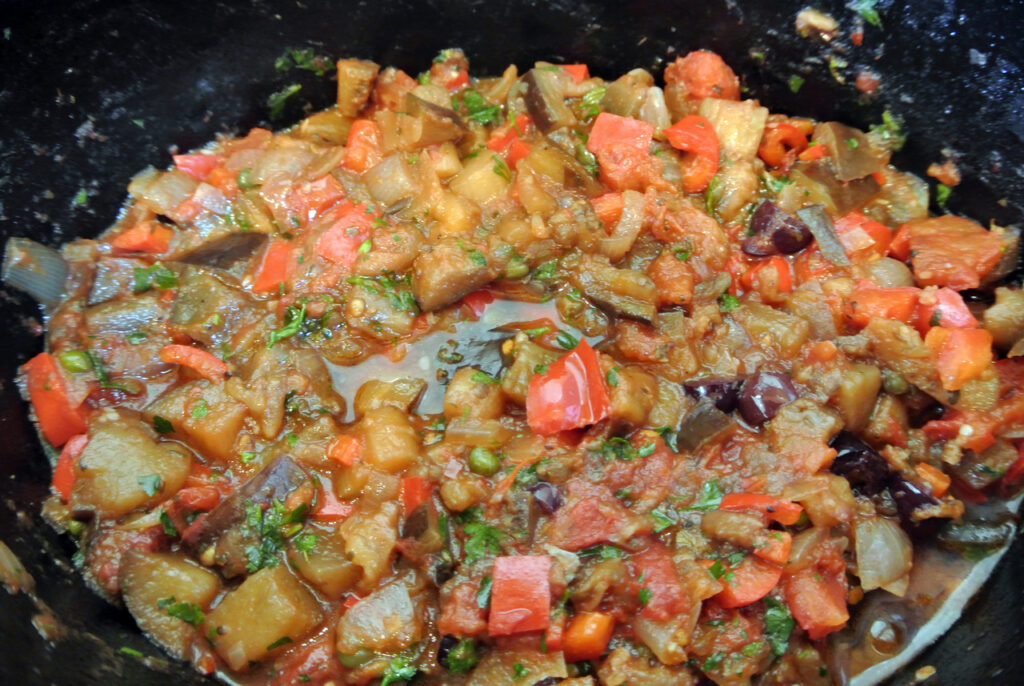
Caponata deserves more attention because it proves comfort food can be both rich and bright. This Sicilian eggplant dish is built around a sweet-sour balance that keeps each bite lively. Eggplant is cooked until tender, absorbing flavors like a sponge. Tomatoes add body, celery adds crunch and freshness, and olives or capers bring salt and depth. The sweet-sour element often comes from vinegar and a touch of sugar, which creates a tangy finish that prevents the dish from feeling heavy. It works as a side, a topping for bread, or a standalone dish. It deserves respect because it is not just a vegetable stew.
8. Supplì
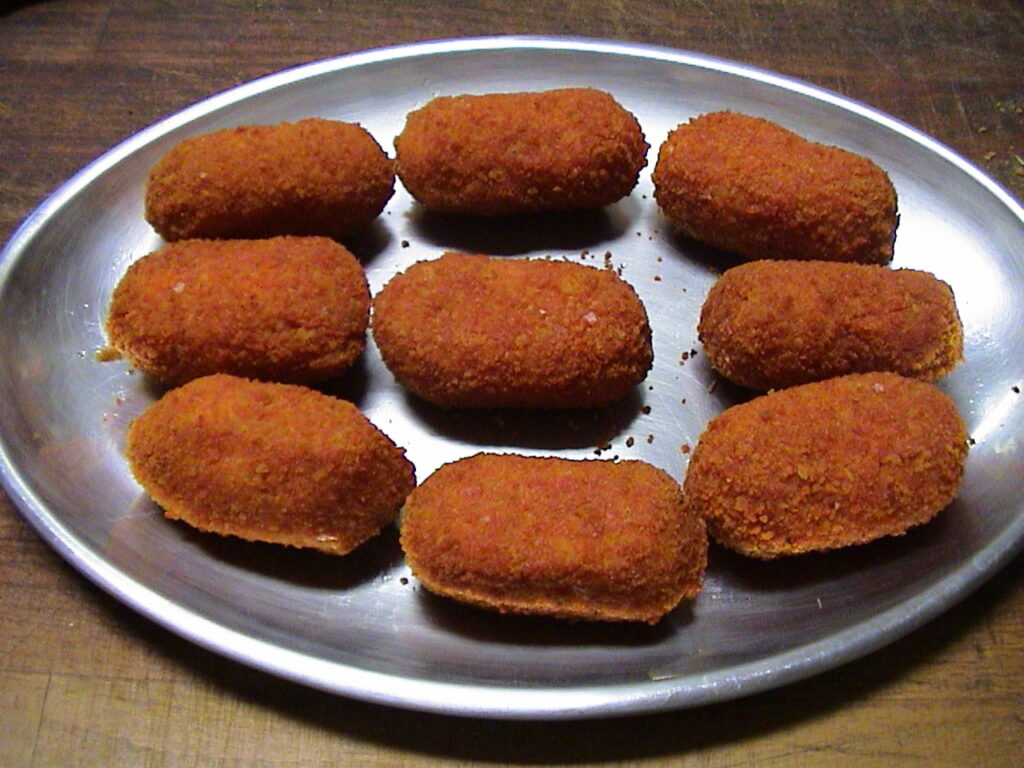
Supplì is Roman comfort food with a simple promise: crunchy outside, soft inside, and melted cheese at the center. They are similar to arancini but often smaller and more focused on tomato-flavored rice and mozzarella. The rice is cooked with sauce, so it becomes sticky enough to shape, which is crucial for structure. A piece of mozzarella is tucked inside, and the croquette is breaded and fried until golden. When bitten, the cheese can stretch, creating the classic satisfying pull that makes the snack memorable. Supplì are comforting because they are warm, salty, and filling, and they feel like street food designed for real hunger.
9. Canederli
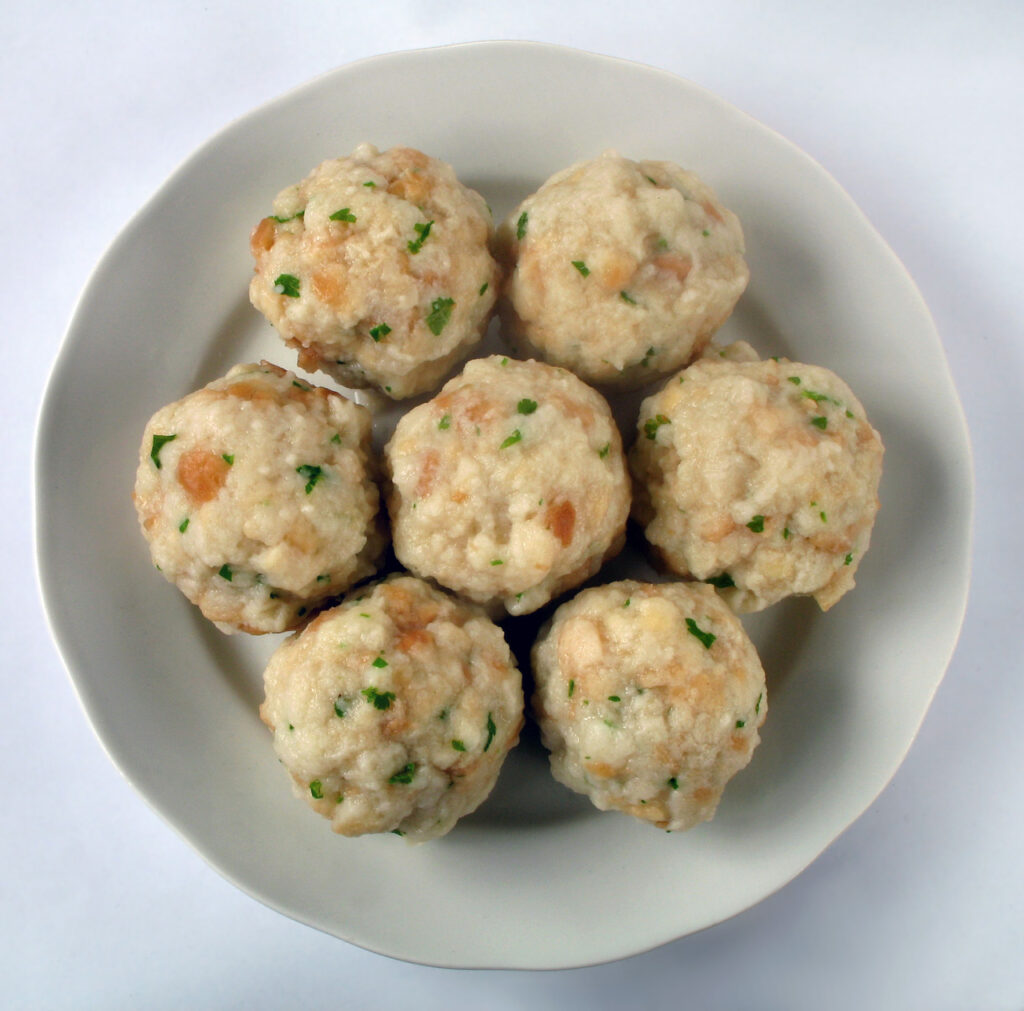
Canederli are proof that Italian comfort food is deeply influenced by regional climates and history. These bread dumplings come from Northern Italy, especially areas near the Alps, where hearty meals were designed to use what was available. Stale bread is soaked and mixed with ingredients like eggs, milk, herbs, and sometimes speck or cheese, then shaped into dumplings. The result is soft but substantial, with a texture that feels warming and gentle. Canederli are often served in broth or with butter and herbs, making them versatile and comforting. The dish is also practical, turning leftovers into a satisfying meal with minimal waste.
10. Porchetta
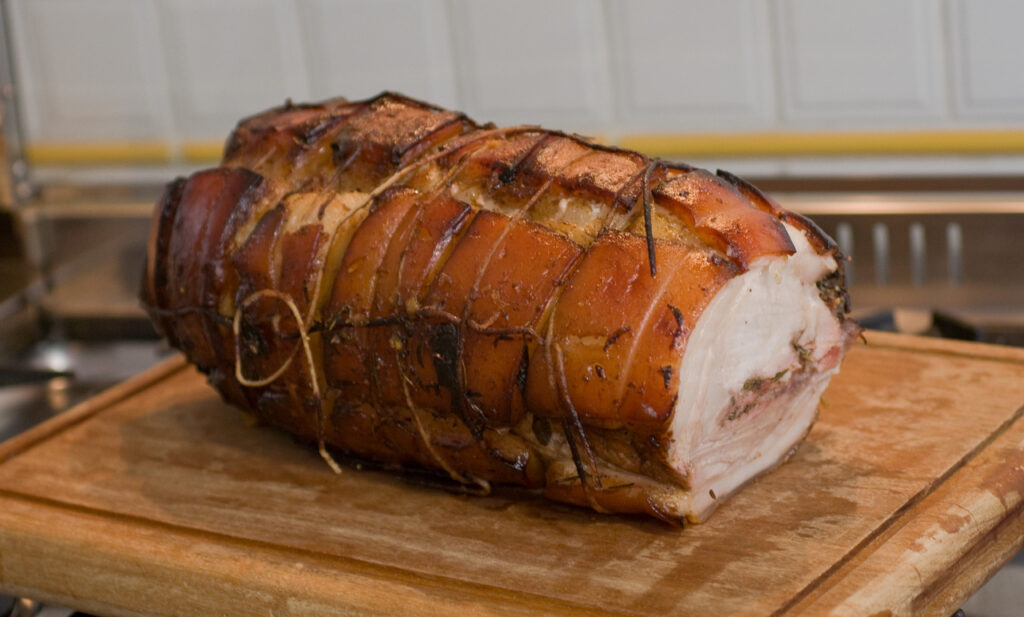
Porchetta deserves respect because it is a celebration of roast pork done with discipline. Traditionally, a whole pig or pork roast is seasoned heavily with herbs, garlic, and salt, then roasted until the skin becomes crisp and the interior stays juicy. The contrast between crackling and tender meat is the main appeal, but the herb seasoning is what makes it distinctly Italian. Fennel, rosemary, and pepper often play a major role, creating an aroma that feels both savory and fresh. Roasting technique matters because the goal is crisp skin without drying the meat. Proper temperature control and resting time help juices redistribute, keeping slices moist.
11. Rafanata
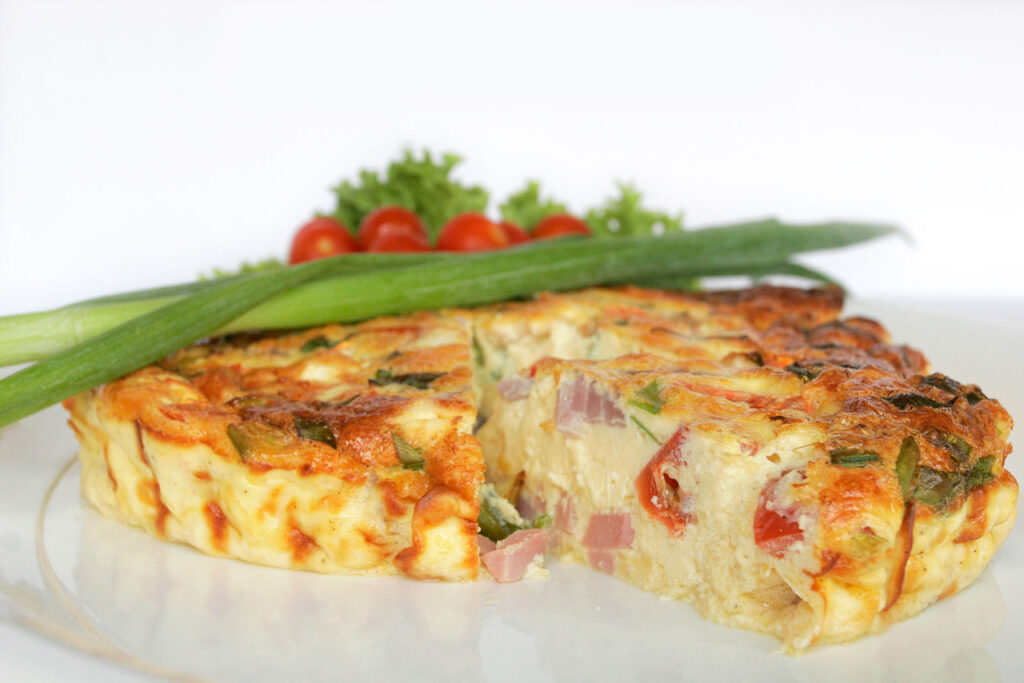
Rafanata is a lesser-known comfort dish that deserves attention because it delivers strong flavor from simple, regional ingredients. Originating from Basilicata, it is often described as a baked mixture of potato, eggs, cheese, and horseradish. The horseradish is the defining element, adding sharpness and heat that cuts through the richness of eggs and cheese. Potatoes provide body, making the dish filling and sturdy, while cheese adds salt and depth. Baked together, it becomes a firm, savory slice that can be eaten warm or at room temperature, which adds to its practicality. The dish reflects a regional style of cooking that values bold flavors and pantry staples.