Restaurant Data Points to a Major Comfort Food Shift Across America


Across the United States, restaurant data is revealing a noticeable shift in what diners are ordering. Instead of chasing experimental flavors or highly complex dishes, many customers are returning to foods that feel familiar and comforting. Classic meals such as burgers, pasta, hearty casseroles, and nostalgic desserts are appearing more frequently in restaurant orders and menu highlights. Economic pressure, emotional comfort, and changing lifestyles are all influencing this trend. As restaurants analyze ordering patterns, the numbers suggest that comfort food is quietly reclaiming a central place in American dining.
The Return of Comfort Food
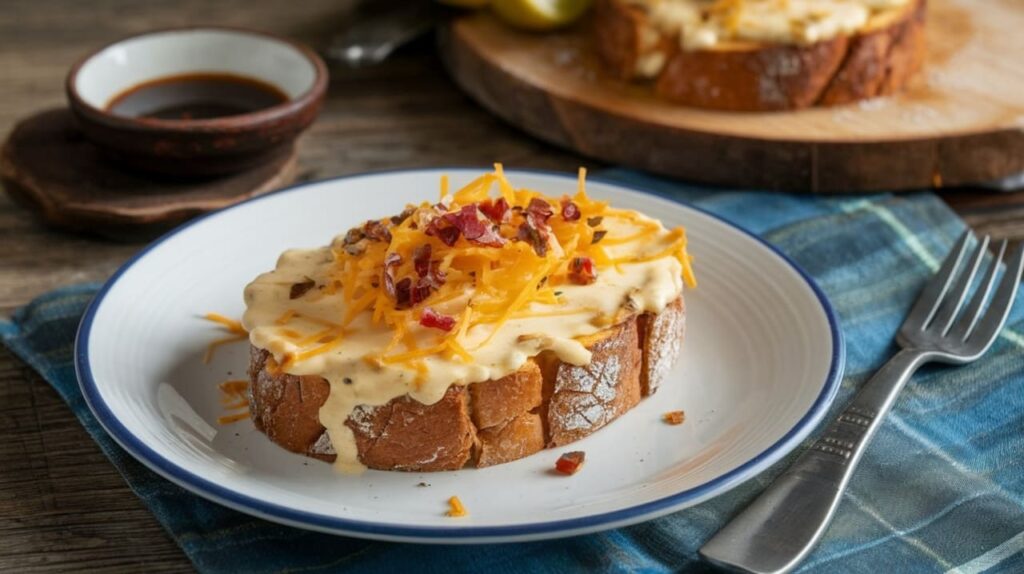
A quiet but noticeable shift is happening on restaurant menus across the United States. Diners are increasingly choosing dishes that feel familiar and satisfying rather than experimental or complex. Meals such as burgers, pasta, fried chicken, and creamy casseroles are appearing more frequently in menu highlights. Restaurant operators often observe that these foods deliver a sense of emotional reward that resonates strongly with today’s diners. These meals are easy to recognize and require little explanation. Customers often feel confident ordering something they already understand. Familiar dishes reduce uncertainty during the dining experience. Many restaurants now treat these classics as dependable menu foundations.
These foods often remind people of home cooking or family gatherings. The emotional connection creates a powerful reason to order them again and again. Restaurant operators have observed that these familiar dishes generate reliable demand even when food trends change. Many establishments now treat comfort items as core menu anchors. The consistency of these dishes provides reassurance to customers seeking a dependable dining experience. Familiar flavors often evoke memories from earlier years. Diners sometimes associate these foods with comfort and relaxation. This emotional link strengthens long-term customer loyalty. Restaurants benefit from offering meals that feel both nostalgic and satisfying.
Another reason for this resurgence is that comfort food feels approachable. Diners do not need to study complicated ingredients or unfamiliar cooking methods before placing an order. A classic grilled cheese or bowl of macaroni immediately communicates what the customer will receive. This simplicity reduces hesitation during ordering. Restaurants benefit because familiar dishes often sell quickly and require fewer explanations from staff. Clear expectations help streamline the dining process. Guests can decide faster when menus feature recognizable items. Servers spend less time describing complicated recipes. This efficiency helps restaurants maintain steady service.
The Economic Influence

Economic conditions play a powerful role in shaping restaurant choices. When food prices and living costs rise, diners often gravitate toward meals that feel both satisfying and affordable. Comfort foods frequently meet this expectation because they rely on familiar ingredients and straightforward preparation. These dishes tend to feel like a good value compared with elaborate or premium menu items. Customers appreciate meals that deliver fullness without a high price tag. Restaurants often highlight these items during periods of economic pressure. Value-driven menus attract a wider audience. Affordability remains a major factor in dining decisions.
Restaurant industry observers note that affordability has become a quiet driver of menu trends. Diners still want to enjoy restaurant meals, but they increasingly pay attention to how much they spend. Comfort foods provide a practical balance between indulgence and cost control. A hearty plate of pasta or a classic sandwich can feel filling without requiring a high price tag. These dishes often rely on widely available ingredients. Simple preparation helps control kitchen expenses. Restaurants can maintain steady pricing for these items. This perception encourages repeat visits from diners seeking predictable value.
Restaurants are responding to this behavior by highlighting value-oriented comfort items on their menus. Many establishments design meal combinations that deliver generous portions at moderate prices. This strategy encourages repeat visits from budget-conscious customers. By emphasizing satisfying dishes rather than expensive ingredients, restaurants maintain steady demand even during uncertain economic periods. Value meals help create predictable revenue streams. Customers often return to restaurants that offer reliable pricing. Consistency builds long-term trust with diners. This approach strengthens customer relationships.
Value-driven dining also encourages restaurants to simplify their menus. Instead of offering dozens of complicated recipes, some kitchens focus on a smaller group of reliable favorites. This approach reduces waste and streamlines kitchen operations. The result is a menu that feels familiar, affordable, and dependable to customers. Simpler menus also improve kitchen efficiency. Staff can prepare dishes more consistently. Restaurants reduce the need for specialized ingredients. This operational efficiency supports profitability. Clear menus also help diners make quicker ordering decisions. Guests often return to places that recreate those comforting flavors.
Nostalgia on the Menu

Nostalgia has become a powerful influence in modern dining culture. Many consumers feel drawn to foods that remind them of childhood meals, family traditions, or regional specialties. Restaurants have recognized this emotional connection and increasingly incorporate nostalgic dishes into their menus. The goal is to evoke comforting memories while still delivering a high-quality dining experience. Familiar meals often create a sense of emotional warmth. Diners may associate these foods with positive life moments. This emotional link strengthens the appeal of traditional recipes. Restaurants benefit from the strong memories these meals create.
Classic recipes such as meatloaf, pot roast, chicken pot pie, and baked pasta are appearing more often in restaurant kitchens. These meals carry strong cultural associations and often feel timeless to diners. The familiarity of these dishes provides a sense of stability during periods of rapid social and economic change. Many diners find reassurance in meals they recognize. Familiar dishes often reduce the stress of choosing something new. Restaurants use these items to connect with customers emotionally. Nostalgia can become a powerful marketing tool. Traditional recipes also help restaurants highlight regional culinary heritage.
Chefs frequently reinterpret these classics with subtle updates. For example, a traditional dish may feature improved ingredients or refined cooking techniques. This approach allows restaurants to celebrate nostalgia while maintaining modern culinary standards. The balance between tradition and quality helps attract both older diners and younger audiences curious about classic flavors. Updated versions often include better presentation. Chefs may experiment with textures or sauces. The core recipe remains recognizable to diners. This combination preserves tradition while adding freshness. Restaurants often promote these dishes as modern classics.
Nostalgia also plays a role in restaurant branding. Many establishments design interiors and menus that evoke the warmth of home cooking. Cozy lighting, simple plating, and comforting aromas contribute to the overall experience. Together, these elements create an atmosphere where familiar food feels even more appealing. Restaurants often use warm colors and rustic décor. These visual details reinforce the nostalgic theme. Guests feel relaxed in these welcoming environments. The overall experience enhances the appeal of comfort food. Atmosphere, therefore, becomes part of the comfort food experience.
Elevated Comfort Food
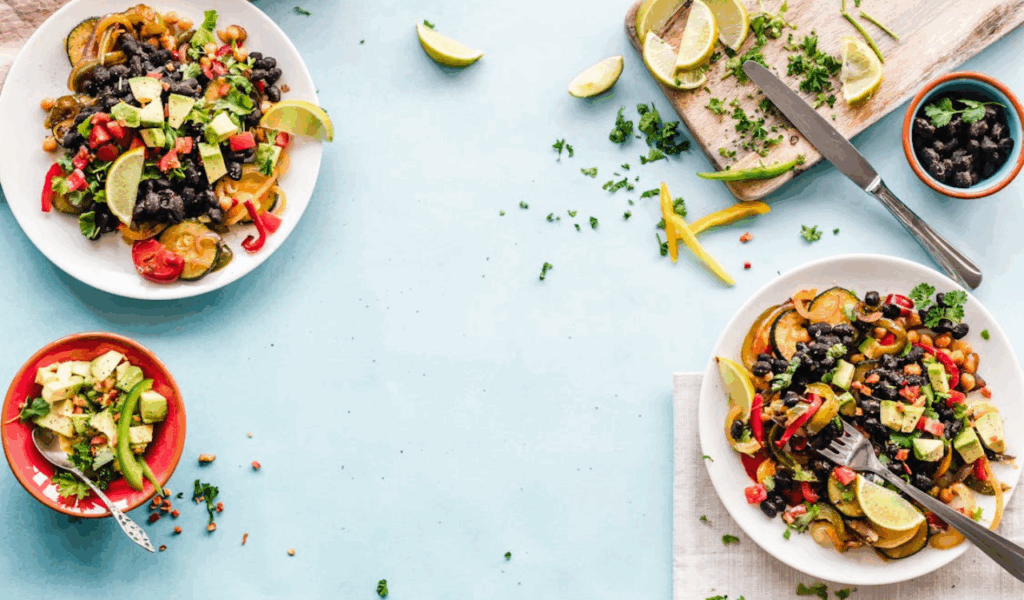
While traditional comfort foods remain popular, chefs are also reinventing these dishes with modern touches. Restaurants increasingly present classic meals with upgraded ingredients, creative presentation, or unexpected flavor combinations. This trend allows chefs to keep familiar dishes exciting without losing their comforting appeal. Diners enjoy recognizing the dish while discovering new details. Updated recipes create curiosity without alienating customers. This approach balances creativity with familiarity. Restaurants use these ideas to stand out in competitive markets. Small culinary upgrades often make traditional dishes feel special.
For instance, a simple burger may feature artisanal bread, specialty cheeses, or house-made sauces. Macaroni and cheese might appear with smoked meats or gourmet toppings. These changes maintain the recognizable structure of the dish while adding new layers of flavor. The result feels both nostalgic and innovative at the same time. Restaurants often highlight these upgrades in menu descriptions. Customers feel they are receiving a premium version of a familiar dish. Small improvements can significantly elevate the dining experience. These innovations help maintain interest in classic foods. Many chefs view this as a creative playground.
Elevated comfort food also allows restaurants to differentiate themselves in competitive markets. Many diners enjoy familiar dishes but still want something unique when dining out. By introducing small creative twists, chefs create a sense of novelty without risking unfamiliar ingredients that could discourage customers. This strategy allows restaurants to experiment carefully. Customers appreciate subtle surprises within known dishes. Balanced innovation helps maintain customer trust. Restaurants can refresh menus without abandoning tradition. These small changes keep regular customers curious.
This approach also reflects broader culinary trends that blend tradition with experimentation. Restaurants increasingly look for ways to connect with diners emotionally while still showcasing culinary creativity. Elevated comfort food achieves this balance effectively. It delivers familiarity while offering the excitement of something slightly new. Chefs often test these ideas through seasonal menus. Successful dishes may become permanent offerings. Innovation remains controlled and thoughtful. This balance keeps comfort food relevant in modern dining. Restaurants continue refining these dishes year after year.
The Restaurant Data Signal
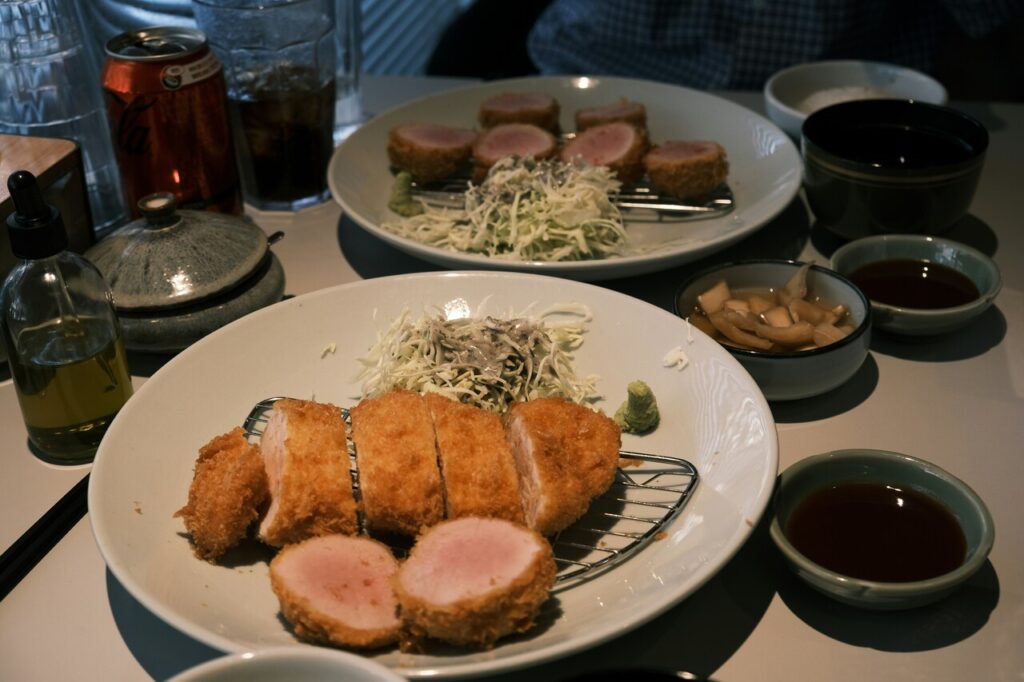
Restaurant industry data often reveals shifts in consumer preferences long before they become widely recognized. Menu analytics platforms track millions of orders across different regions. These systems analyze which dishes sell consistently and which ones fade from popularity. Recent data suggests that traditional comfort foods are performing strongly across many restaurant categories. Operators monitor these patterns carefully. Reliable dishes quickly stand out in sales reports. Restaurants rely on this information when planning menu updates. Data-driven decisions help reduce risk in menu development.
Operators monitor these patterns closely when planning menu updates. If certain dishes repeatedly outperform others, they receive more attention in menu design and marketing. Comfort foods frequently rank among the most reliable sellers. Their consistent demand provides restaurants with a dependable revenue base. Many establishments highlight these dishes prominently on menus. Data also helps identify which items deserve promotional focus. Popular dishes often appear in advertisements. Restaurants use these insights to guide pricing strategies.
Data also helps restaurants understand regional differences. Some comfort foods perform better in specific cities or cultural communities. For example, Southern-style dishes may dominate menus in certain regions while pasta or soups remain popular elsewhere. By studying these patterns, restaurants adjust their offerings to match local preferences. Regional dining habits strongly influence menu planning. Restaurants often adapt recipes slightly to match local tastes. Data analysis helps identify these differences quickly. This flexibility improves customer satisfaction. It also helps restaurants build stronger connections with local diners.
Technology has therefore become an important tool in shaping modern menus. Digital ordering systems and sales analytics provide detailed insights into customer behavior. These insights allow restaurants to adapt quickly to emerging trends. Comfort foods often stand out in these analyses because of their broad and consistent appeal. Restaurants increasingly rely on data dashboards for daily insights. Managers review ordering patterns regularly. This information helps guide long-term menu strategies. Technology, therefore, plays a growing role in restaurant planning. Data-driven decisions help reduce uncertainty in menu development.