10 Foods That Can Put You in a Better Mood


Mood is shaped by more than mindset alone. What you eat plays a quiet but powerful role in how your brain regulates emotion, stress, and energy. Nutrients such as omega-3 fats, B vitamins, magnesium, antioxidants, and probiotics support neurotransmitter balance and reduce inflammation linked to low mood. While no food works instantly, consistent choices can strengthen emotional resilience over time. These foods do not promise happiness, but they help create the conditions your brain needs to feel more balanced, focused, and emotionally steady day to day.
1. Fatty Fish

Few foods support emotional health as consistently as fatty fish. Salmon, sardines, and mackerel are rich in omega-3 fatty acids, which play a structural role in brain cells and help regulate communication between neurons. Low omega-3 intake has been repeatedly linked with higher rates of low mood and emotional instability. These fats also reduce inflammation, which is increasingly associated with mood disorders. Fatty fish provides vitamin D as well, a nutrient tied to serotonin activity and seasonal mood changes. This is not about a quick emotional boost, but about building resilience through nutrition.
2. Dark Chocolate

Dark chocolate earns its mood-boosting reputation through a mix of chemistry and sensory experience. Cocoa contains flavonoids that improve blood flow to the brain and support cognitive function. It also stimulates the release of endorphins and serotonin, chemicals linked to pleasure and emotional balance. The magnesium content further supports nerve function and stress regulation. Unlike sugary sweets that cause sharp blood sugar spikes, dark chocolate with high cocoa content offers a gentler effect when eaten in moderation. The comfort people associate with chocolate is not imagined, but rooted in how it interacts with brain chemistry.
3. Fermented Foods

Fermented foods influence mood through the gut, not the brain directly. Yogurt, kefir, kimchi, and similar foods introduce beneficial bacteria that help maintain a healthy gut microbiome. The gut produces a large portion of the body’s serotonin, making its health closely tied to emotional regulation. Poor gut balance has been linked to anxiety and low mood. Fermented foods also reduce inflammation and improve nutrient absorption, both of which affect mental clarity and emotional steadiness. The effects are gradual and cumulative rather than immediate. Consistent intake supports a calmer baseline mood and better stress response.
4. Bananas

Bananas are often overlooked as a mood food because they are so common, but their nutrient profile explains their impact. They contain vitamin B6, which is essential for converting tryptophan into serotonin. Bananas also provide natural carbohydrates that help regulate blood sugar, preventing the dips that often trigger irritability or fatigue. Their potassium content supports nerve signaling and muscle function, which can influence physical tension linked to stress. Easy digestion makes them suitable even during emotional lows when appetite is reduced. Bananas support mood quietly by keeping the body stable and fueled.
5. Berries

Berries contribute to a better mood through their high antioxidant content. Blueberries, strawberries, and raspberries are rich in polyphenols that reduce oxidative stress in the brain. Oxidative stress has been associated with cognitive fatigue and depressive symptoms. Berries also support healthy blood flow, which improves oxygen and nutrient delivery to brain tissue. Their natural sweetness satisfies cravings without causing sharp sugar spikes. Over time, diets rich in berries are linked to better cognitive performance and emotional regulation. They do not create excitement, but they help protect the brain from wear that affects mood.
6. Nuts and Seeds

Nuts and seeds support emotional health through a combination of healthy fats, minerals, and amino acids. Walnuts and chia seeds provide omega-3 fats, while pumpkin and sunflower seeds offer magnesium and zinc. Magnesium plays a role in calming the nervous system and reducing stress-related muscle tension. Tryptophan, found in seeds, supports serotonin production. These foods also stabilize blood sugar when eaten with meals or snacks. Their slow digestion helps maintain energy levels and prevent mood swings driven by hunger. Consistent intake contributes to steadier emotional balance rather than dramatic changes.
7. Oats
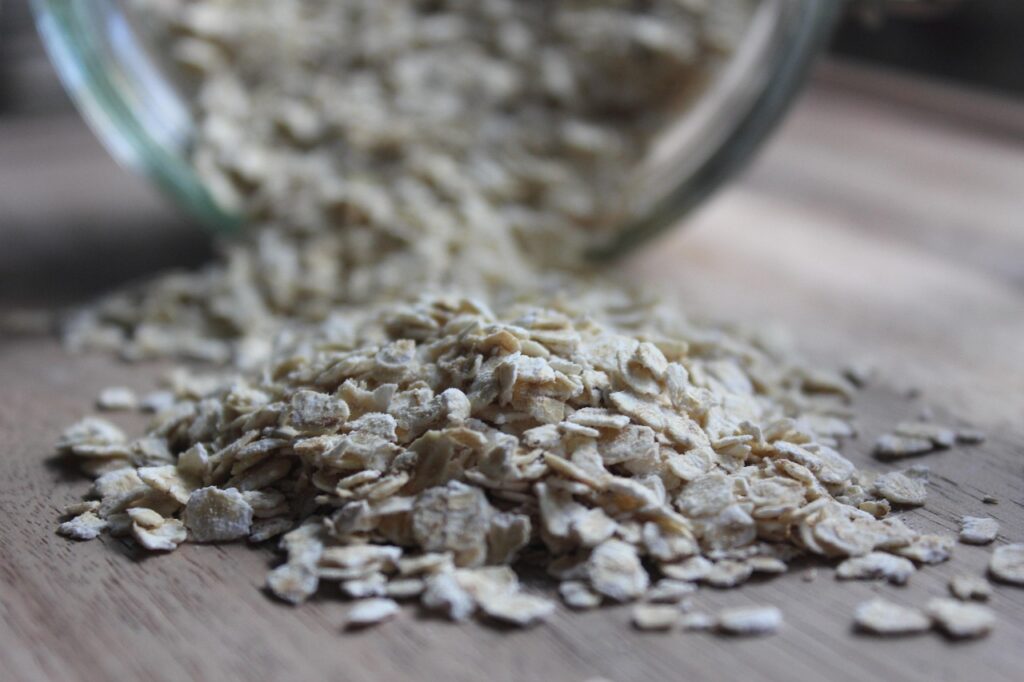
Oats support mood by providing slow, steady energy. As a complex carbohydrate, oats help increase serotonin availability by allowing tryptophan to enter the brain more easily. Their high fiber content stabilizes blood sugar, reducing irritability and fatigue. Oats also contain iron and B vitamins that support oxygen transport and nerve function. Unlike refined grains, oats do not trigger rapid energy crashes. This makes them especially helpful during stressful periods when emotional regulation is harder. Oats work best as a foundation food, supporting mood through consistency rather than intensity.
8. Leafy Greens

Leafy greens contribute to emotional health by supplying folate, magnesium, and antioxidants. Folate is essential for neurotransmitter production, and low levels have been linked to depressive symptoms. Magnesium helps regulate stress hormones and supports sleep quality, which strongly affects mood. Greens also reduce inflammation and support overall brain health. Their nutrient density means small servings deliver meaningful benefits. Regular intake supports mental clarity and emotional steadiness rather than short-term mood changes. Leafy greens strengthen the systems that keep mood regulated over time.
9. Avocados
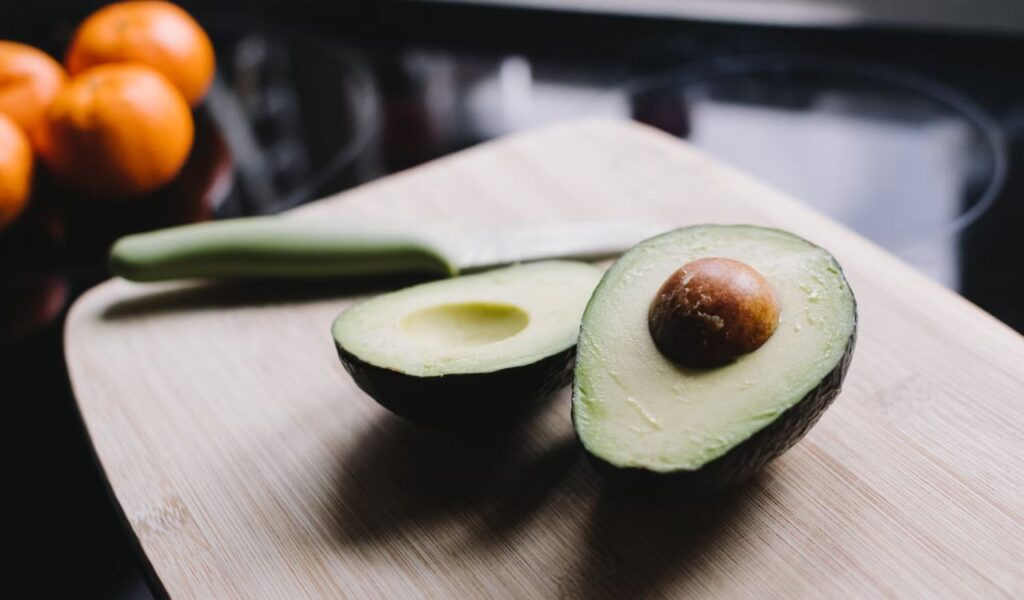
Avocados support mood through their healthy fats and micronutrients. They contain monounsaturated fats that support brain cell membranes and improve nutrient absorption. Avocados also provide B vitamins and tyrosine, an amino acid involved in dopamine production. Stable dopamine levels help with motivation and emotional balance. The fat content slows digestion, preventing blood sugar swings that affect mood. Avocados do not stimulate emotions directly, but they support the brain’s ability to regulate them. Their role is structural and sustaining rather than stimulating. This makes them especially helpful as part of consistent daily meals.
10. Coffee

Coffee affects mood primarily through its influence on alertness and dopamine activity. Moderate caffeine intake can improve focus, motivation, and perceived energy levels. This often translates to improved mood, especially during fatigue. Coffee also contains antioxidants that support brain health. However, the benefit depends on timing and amount. Excessive intake can increase anxiety and disrupt sleep, which harms mood. When consumed thoughtfully, coffee acts as a mood enhancer by reducing mental sluggishness rather than creating happiness. Its effects are short term and work best alongside adequate nutrition and rest.