What Really Separates Good Mashed Potatoes from Great Ones

Choosing the Right Potato for Texture and Flavor
Great mashed potatoes begin long before potatoes hit water. The type of potato you choose sets the foundation for texture and taste. High-starch potatoes like Russets can produce light, fluffy results, but they also demand careful handling; their high starch can turn gummy or gluey if overworked. Medium-starch varieties like Yukon Golds are often the preferred choice for chefs because they strike a balance between creaminess and stability, delivering rich, buttery flavor with fewer texture pitfalls. Yukon Golds have enough water and moderate starch, so they absorb butter and cream beautifully without turning mealy or dry.
While waxy potatoes such as fingerlings, new potatoes, or red potatoes can be wonderful in roasted or salad applications, they resist breaking down smoothly when mashed, leaving unpleasant chunks or pieces rather than a unified purée. Some cooks blend varieties to combine the fluff of a Russet with the creaminess of a Gold, but consistency matters; mixing too many different types in one batch can lead to uneven textures. In short, choose your potato not on availability, but on the style of mashed potatoes you want: fluffy, creamy, rustic, or elegant. Understanding these fundamental differences is what sets a good mash apart from a truly memorable one.
Preparing Potatoes Like a Pro
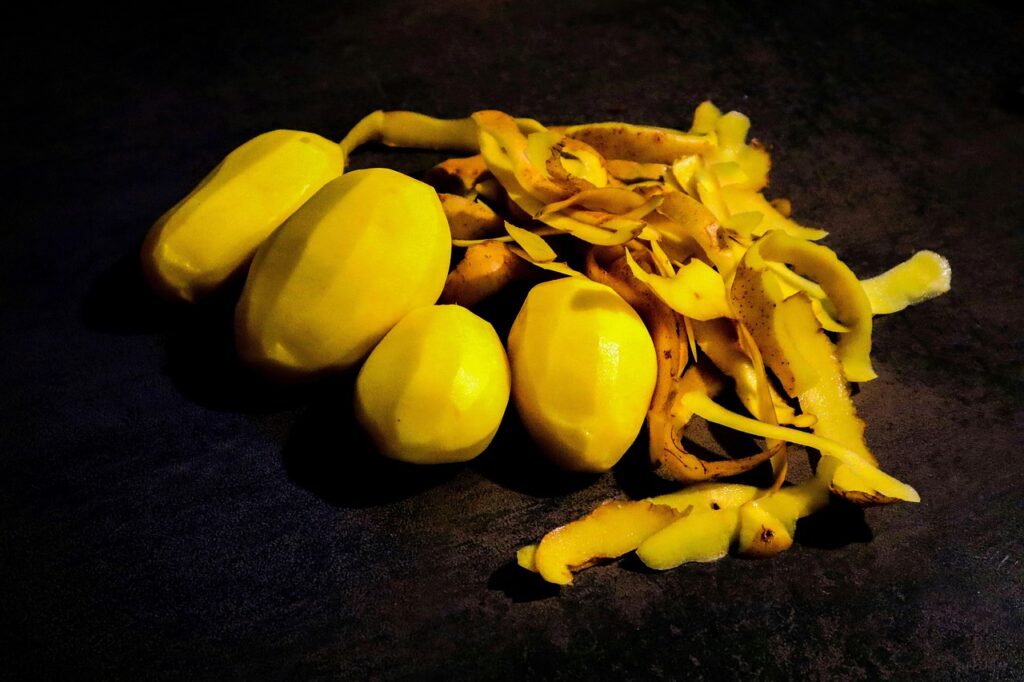
Getting potatoes ready for mashing is deceptively important. A simple yet crucial step is to start them in cold, well-salted water so they heat evenly from the outside in. If you add potatoes to already boiling water, the exterior softens too quickly while the center remains firm, leading to uneven doneness that can cause lumps in your finished mash. Cutting potatoes into uniform pieces also ensures they cook at the same rate, which makes the texture more predictable and smoother when mashed. This step reduces the need for aggressive mashing later. Even cooking protects the final texture. Uniformity here saves effort later.
Peeling, or choosing not to peel, depends on desired texture and appearance. Leaving skins on can add rustic character, subtle flavor depth, and nutrients, but it can also change the texture. Peeling often yields a more classic, silky mash. Whether you peel or not, make sure to wash them thoroughly so no dirt remains; potatoes can carry soil deep in the crevices, and any grit left on will affect both texture and taste. Clean prep keeps flavors pure. It also prevents unpleasant mouthfeel. Attention at this stage sets expectations. Small oversights are noticeable in the final dish. Taking time here avoids distractions later.
Cooking Techniques That Matter
How potatoes are cooked impacts every bite of your mash. Bringing potatoes to a boil slowly from cold water ensures even cooking throughout each piece, avoiding interiors that are underdone while the outsides fall apart. Simmering rather than a rapid rolling boil prevents the potatoes from breaking up too early, which can lead to waterlogged spuds that struggle to absorb rich dairy and butter later. Seasoning the water generously is another pro tip; potatoes absorb what they cook in, so salty water results in more flavorful potatoes from the inside out. This internal seasoning cannot be fixed later. It defines the final taste.
Overcooking or undercooking also derails results: undercooked potatoes mash into lumpy, crunchy fragments while overcooked ones fall apart, becoming mushy and gluey. A properly cooked potato should yield easily to a fork yet still maintain enough structure to hold added liquids without dissolving. Some chefs even recommend alternative methods, like baking or steaming, to reduce excess moisture and intensify flavor before mashing. These techniques tighten the texture and create a drier potato that absorbs butter, cream, and seasoning more consistently. Less water means more control. Flavor becomes more concentrated.
Mashing Tools and Methods
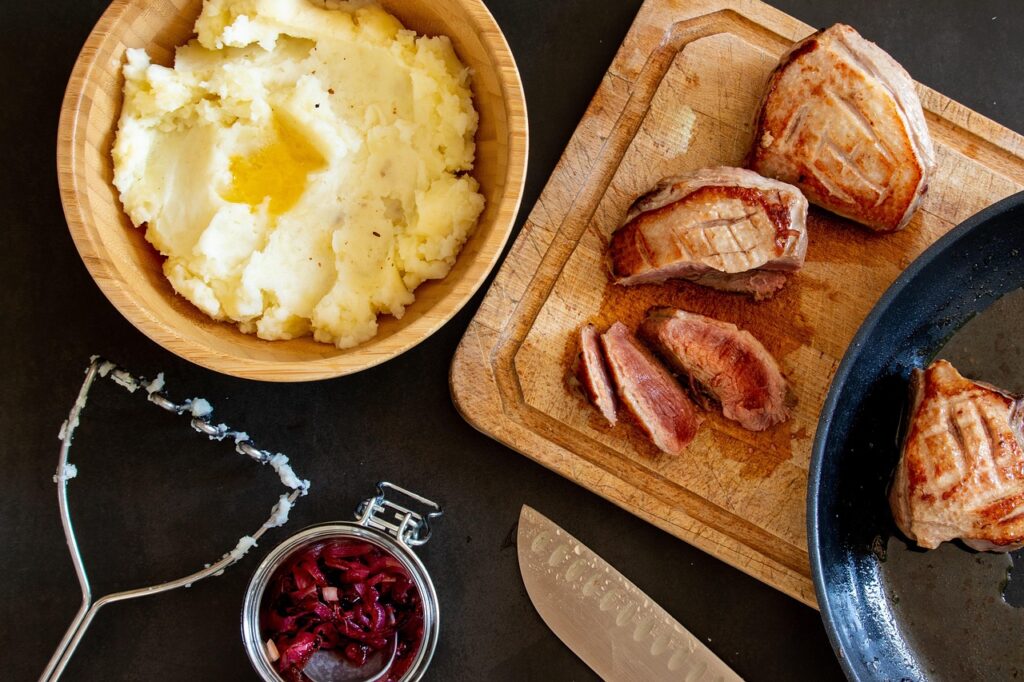
The tool you use to mash your potatoes can make a dramatic difference in the final texture. Classic mashers, food mills, and potato ricers all break down cooked potatoes without overworking the starch, preserving a light, fluffy texture. A ricer, in particular, forces potatoes through small holes, creating uniform strands that result in consistent silkiness once butter and cream are added. This method also helps avoid the gluey, elastic texture that happens when too much starch is released. Texture stays soft and airy. Each bite feels balanced. Consistency improves with minimal effort. The tool does the work for you.
In contrast, big appliances like blenders or food processors should be avoided because they rapidly overwork starch granules, turning the potatoes sticky, rubbery, or mucilaginous. Even heavy whipping with an electric mixer can go too far unless done gently and with attention. For a rustic mash with intentional texture, a hand masher or fork can be best. The goal is to control how much the potato cells break open, as this influences whether your mash remains light and airy or turns into a pasty mass. Restraint is key here. Less action often produces better results. Texture is fragile at this stage. Overworking is difficult to undo.
Seasoning and Creaminess Essentials
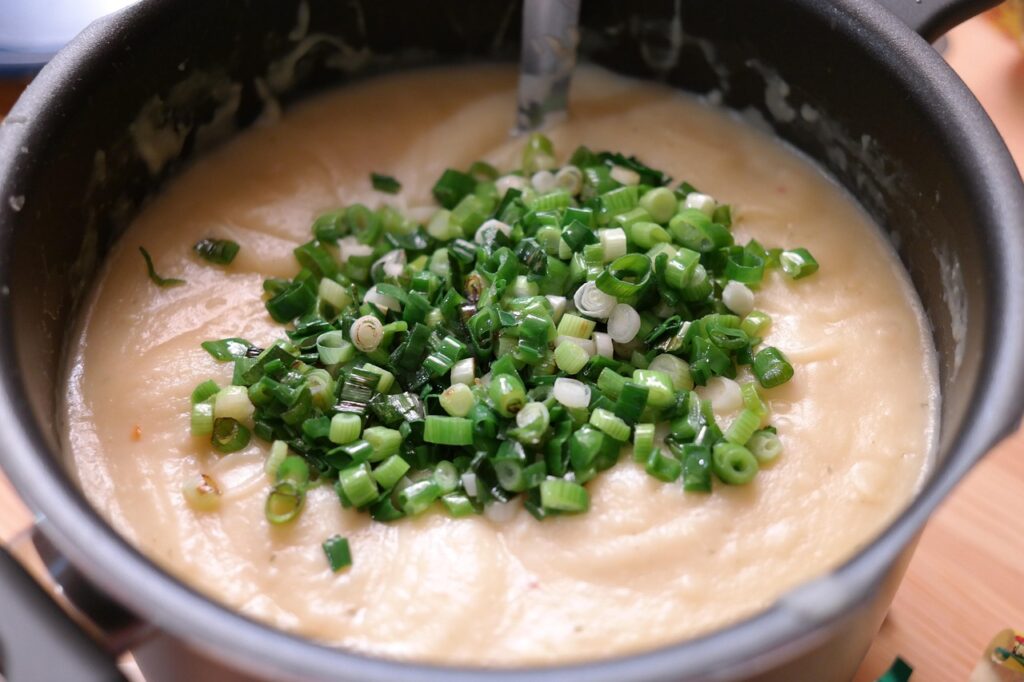
Mashed potatoes are a celebration of comfort, and seasoning plays a central role. Salt is essential, not only sprinkled on at the end but added to the cooking water so it penetrates the potatoes deeply. Just as you would when cooking pasta, proper seasoning during boiling builds foundational flavor from within. Once potatoes are cooked and drained, warming butter and dairy before adding helps them incorporate smoothly, preventing temperature shocks that lead to clumping or cool spots in the mash. Warm ingredients blend effortlessly. They maintain a cohesive texture. Cold dairy disrupts consistency. Warmth keeps everything unified.
Dairy choices, from milk to heavy cream to cultured creams like sour cream or crème fraîche, impact both texture and flavor. Higher-fat liquids yield richer and silkier potatoes, but too much can make them heavy or greasy. Aim for warmth and balance: warm dairy blends more thoroughly and avoids cooling down your potatoes as you work. Adding fresh herbs, cracked pepper, or roasted garlic can elevate mashed potatoes from simple to sophisticated without sacrificing that comforting base. Subtle additions go a long way. The goal is enhancement, not distraction. Flavor should support the potato. It should never overpower it.
Advanced Tips for Extraordinary Potatoes
If you want to push past good and into truly memorable mashed potatoes, subtle adjustments throughout the process matter. One technique chefs use is allowing cooked potatoes to sit off the heat briefly so excess steam escapes. This minor step reduces free moisture and yields a fluffier mash that isn’t diluted by trapped water. Removing as much excess water before mashing improves texture and absorption of fat and seasoning. This step is often overlooked. Yet it makes a visible difference. Dryer potatoes absorb flavor better. The texture becomes noticeably lighter. The mash feels richer without added ingredients.
Another professional tip is to warm your dairy and infuse it with flavors such as garlic, herbs, or spices before adding it to the mash. This builds layers of taste that transform an otherwise straightforward side dish. Some cooks also mix in small amounts of alternative ingredients like roasted garlic, Parmesan, or even cream cheese to vary richness and flavor. These enhancements give you control over final texture and taste, making your mashed potatoes a signature component of any meal rather than just a standard accompaniment. Thoughtful tweaks elevate familiarity. They keep the dish exciting.
Avoiding Common Mistakes
Another common misstep is under-seasoning. Potatoes need more salt than many people expect, and seasoning them only after mashing means only the surface carries flavor. Salt during boiling, cream warming, and incremental seasoning at each step build depth rather than a flat, dull taste. Choosing the wrong tool, such as a food processor or overly aggressive mixer, almost guarantees texture problems, so stick with time-tested kitchen implements designed for delicate mashing. Proper tools support good technique. Consistency comes from restraint, not speed. Seasoning early creates cohesion throughout the mash.
Another common misstep is under-seasoning. Potatoes need more salt than many people expect, and seasoning them only after mashing means only the surface carries flavor. Salt during boiling, cream warming, and incremental seasoning at each step build depth rather than a flat, dull taste. Choosing the wrong tool, such as a food processor or overly aggressive mixer, almost guarantees texture problems, so stick with time-tested kitchen implements designed for delicate mashing.
Make-Ahead and Reheating Strategies
Another common misstep is under-seasoning. Potatoes need more salt than many people expect, and seasoning them only after mashing means only the surface carries flavor. Salt during boiling, cream warming, and incremental seasoning at each step build depth rather than a flat, dull taste. Choosing the wrong tool, such as a food processor or overly aggressive mixer, almost guarantees texture problems, so stick with time-tested kitchen implements designed for delicate mashing. Proper tools support good technique. Consistency comes from restraint, not speed. Seasoning early creates cohesion throughout the mash.
Another common misstep is under-seasoning. Potatoes need more salt than many people expect, and seasoning them only after mashing means only the surface carries flavor. Salt during boiling, cream warming, and incremental seasoning at each step build depth rather than a flat, dull taste. Choosing the wrong tool, such as a food processor or overly aggressive mixer, almost guarantees texture problems, so stick with time-tested kitchen implements designed for delicate mashing. Proper tools support good technique. Consistency comes from restraint, not speed. Seasoning early creates cohesion throughout the mash.
Serving Suggestions and Pairings
Another common misstep is under-seasoning. Potatoes need more salt than many people expect, and seasoning them only after mashing means only the surface carries flavor. Salt during boiling, cream warming, and incremental seasoning at each step build depth rather than a flat, dull taste. Choosing the wrong tool, such as a food processor or overly aggressive mixer, almost guarantees texture problems, so stick with time-tested kitchen implements designed for delicate mashing. Proper tools support good technique. Consistency comes from restraint, not speed. Seasoning early creates cohesion throughout the mash.
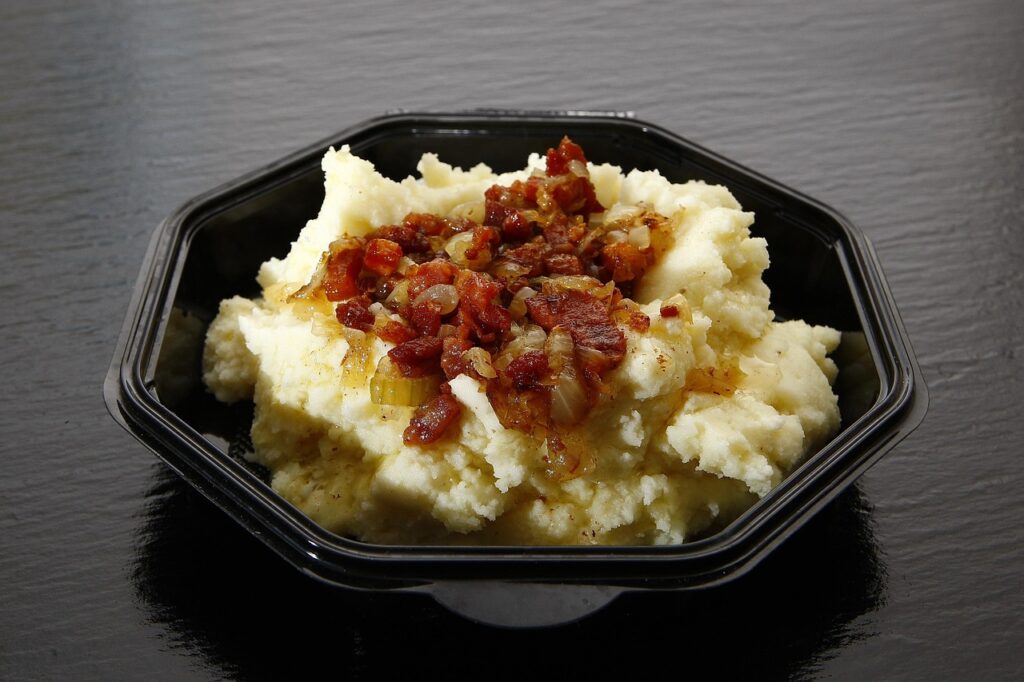
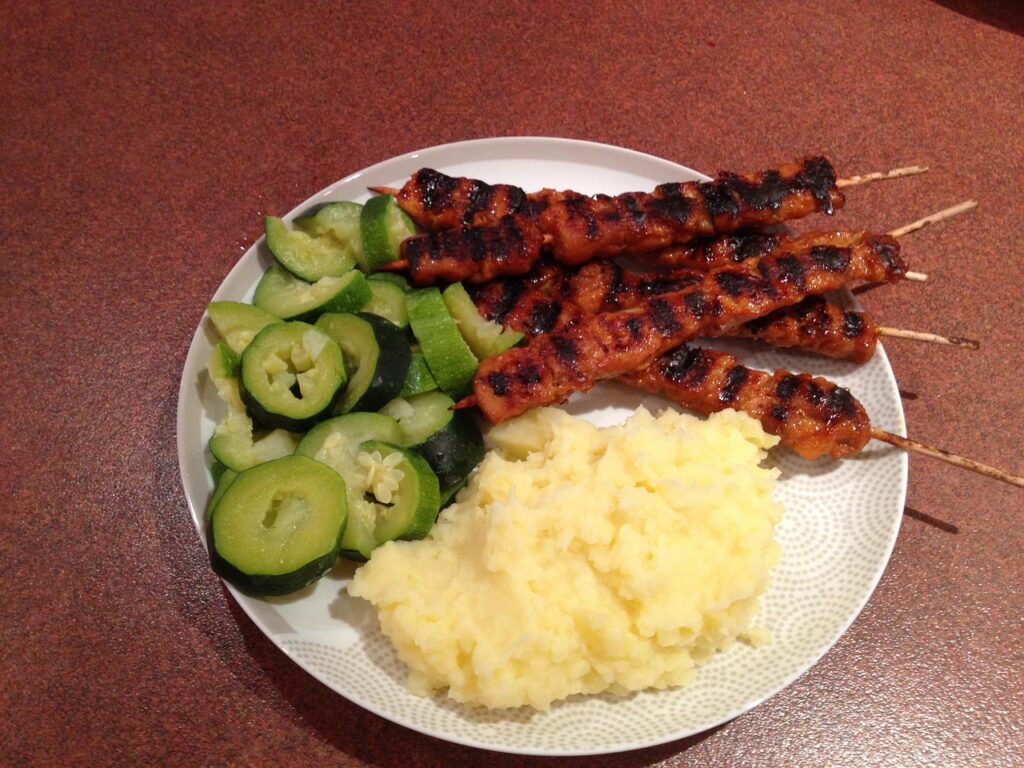
For special occasions or holiday tables, mashed potatoes can be served alongside roasted garlic, browned butter, or subtly infused oils to add depth. Creating small wells of gravy or topping with a pat of butter just before serving adds warmth and aromatic richness. These finishing touches make mashed potatoes not just a side dish, but a memorable complement to any meal. Attention to detail shows care. It turns comfort food into something special. Final touches signal intention. They elevate familiarity into refinement. Thoughtful presentation invites guests to linger. Small flourishes leave a lasting impression.
References
- Classic Easy Mashed Potatoes- The Organic Kitchen
- Classed Mashed Potatoes- Canadian Food House