11 Fruits That Are Banned in Other Countries

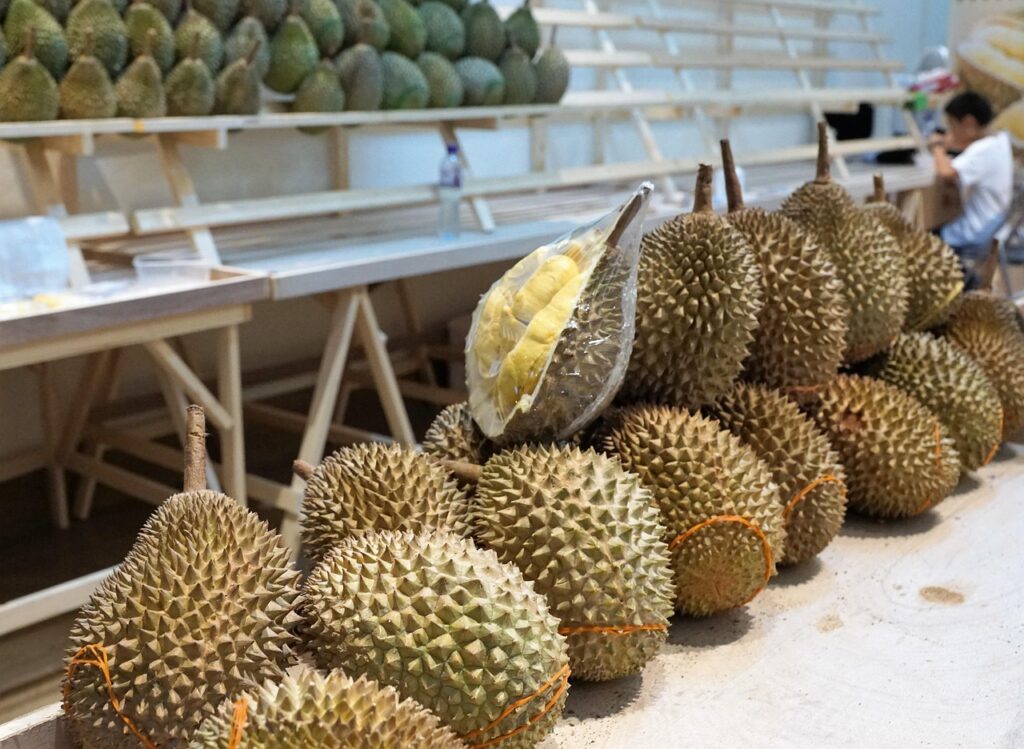
Fruit bans often sound alarming, but they rarely mean a fruit is dangerous to eat. In most cases, restrictions exist to protect agriculture, ecosystems, or public spaces rather than consumer health. Pests, chemical treatments, transport risks, and even strong odors can trigger bans or limitations in certain countries. What is common in one region may be tightly controlled in another due to environmental vulnerability or regulatory standards. These banned fruits show how food rules are shaped as much by prevention and policy as by nutrition or taste.
1. Durian
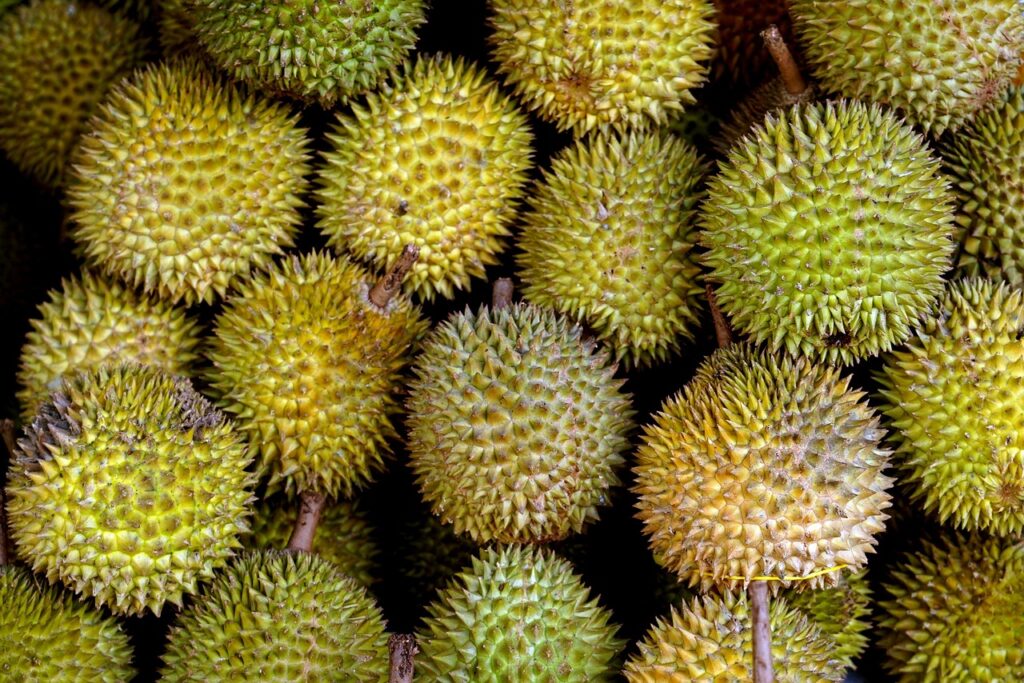
Durian is one of the most controversial fruits in the world, not because it is unsafe to eat, but because of its overpowering smell. In several countries and cities, durian is banned from public transport, hotels, and enclosed public spaces due to the intensity of its odor. The scent is often compared to sulfur or spoiled food, which can linger long after the fruit is removed. These restrictions are not about health risks but about public comfort and hygiene standards. In some regions, enforcement is strict, with fines for carrying durian into prohibited areas. The fruit itself remains legal to sell and consume privately.
2. Apple
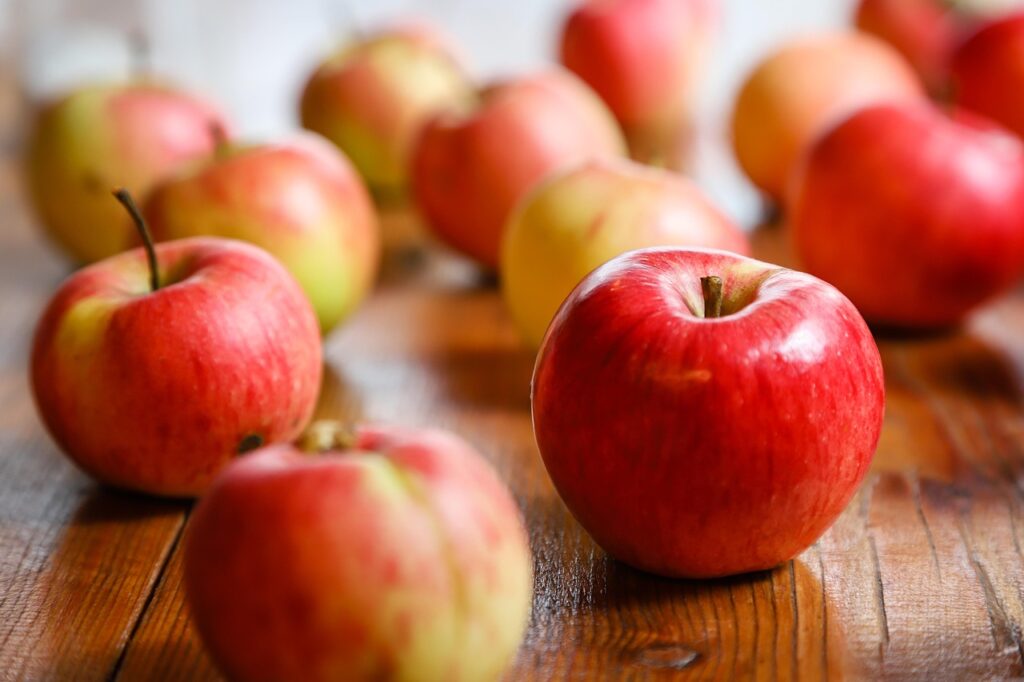
Apples are widely consumed, but not all apples are treated the same across countries. Some nations restrict or ban apples that use chemical coatings or preservatives not approved under their food safety regulations. These coatings are often applied to extend shelf life and improve appearance during long transport. While considered safe in some markets, other countries take a more cautious approach, especially regarding long-term exposure and environmental impact. Apples that do not meet these standards may be barred from import rather than from consumption entirely. The issue is less about the fruit itself and more about how it is processed.
3. Fresh Passion Fruit
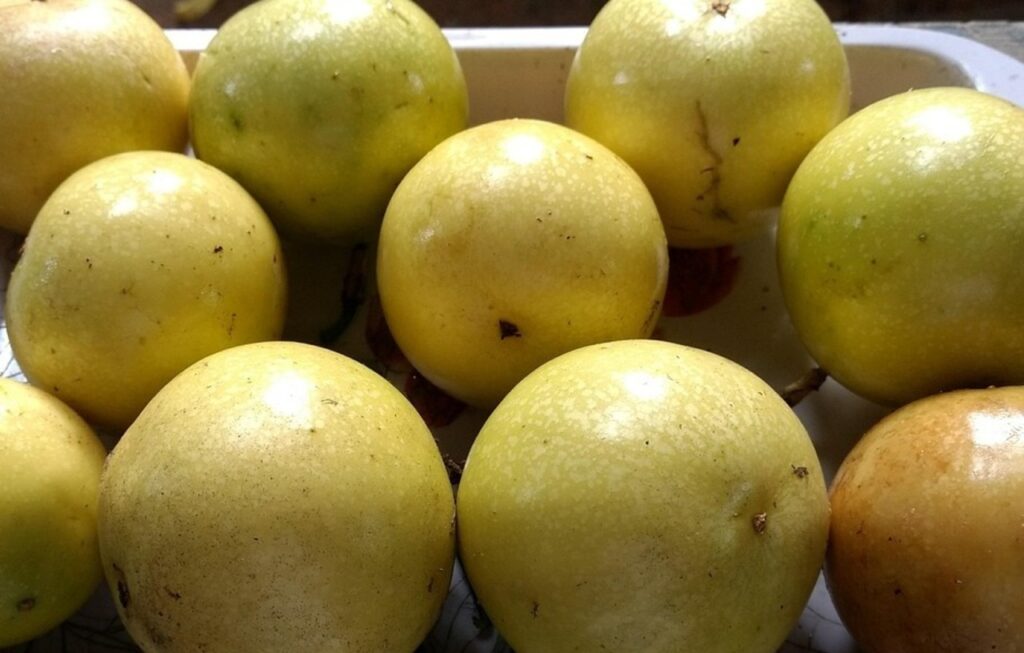
Fresh passion fruit faces import bans or heavy restrictions in certain countries due to biosecurity concerns. The fruit can carry insects or larvae that pose a risk to local agriculture if introduced. Even when the fruit appears clean, microscopic pests may still be present. As a result, some countries only allow passion fruit in processed forms such as pulp or juice. These measures are designed to protect domestic crops rather than restrict consumer choice. The ban reflects the difficulty of balancing global food trade with ecosystem protection. Passion fruit itself is safe to eat, but its journey across borders is tightly controlled.
4. Pequi
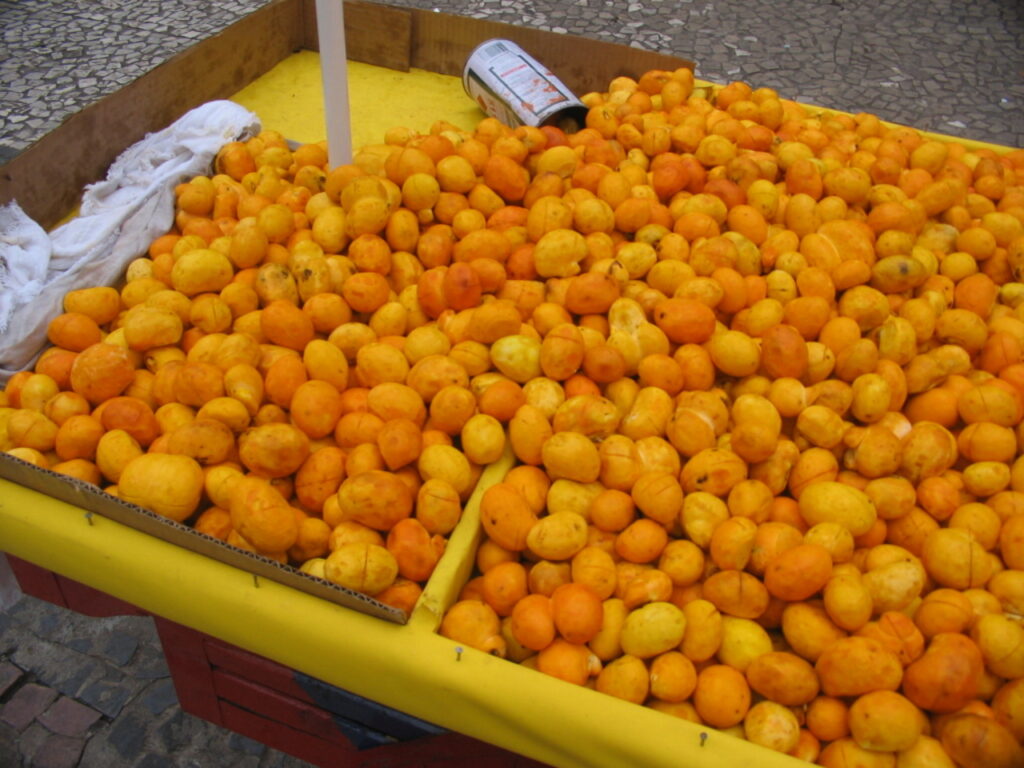
Pequi is a traditional fruit in parts of South America, valued for its rich flavor and cultural importance. However, it is restricted in some countries due to both agricultural and safety concerns. The fruit contains hard internal spines that can cause injury if eaten incorrectly. Improper handling or unfamiliar preparation methods increase the risk of choking or mouth injuries. In addition, pequi can carry pests that threaten local crops. These factors combine to make regulators cautious about allowing widespread imports. The ban is rooted in risk prevention rather than a judgment on the fruit’s quality or nutritional value.
5. Pink Guava
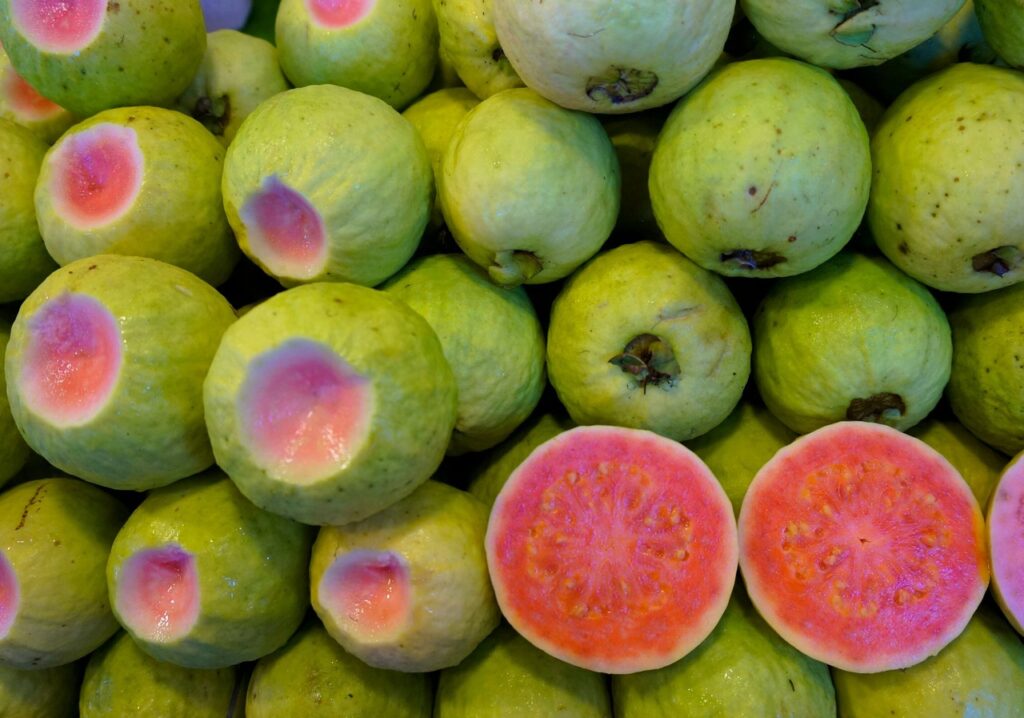
Pink guava is banned or restricted in several regions because it can host fruit flies and other agricultural pests. These insects can devastate local fruit industries if introduced into new environments. Even small infestations pose serious economic risks. As a result, pink guava is often prohibited from being transported across borders or into certain states. The fruit itself is nutritious and widely eaten where it is grown locally. The restrictions focus entirely on protecting local agriculture. This is a common theme in produce bans, where prevention outweighs access. Strict controls reduce the chance of irreversible damage.
6. White Guava
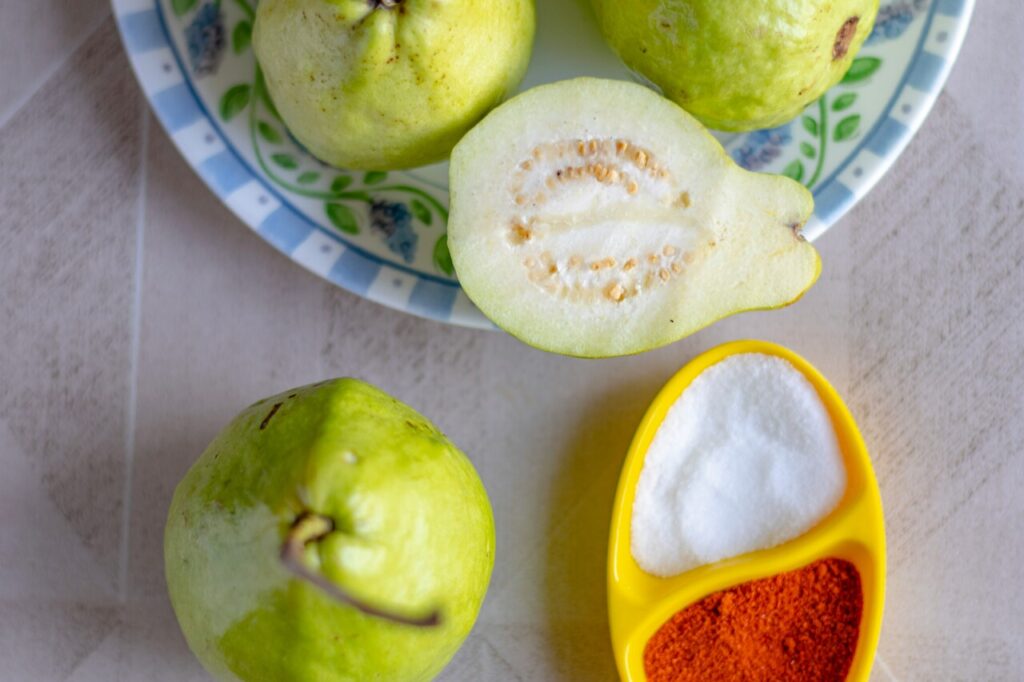
White guava faces similar restrictions to its pink counterpart for the same reasons. The fruit is a known host for invasive pests that are difficult to control once established. Countries with strict agricultural protections often ban white guava imports outright. These measures aim to prevent long-term damage rather than respond after an outbreak occurs. While white guava is harmless to eat, its ability to transport insects makes it a high risk import. The ban underscores how even common fruits can become restricted when environmental stakes are high. Preventive policy is considered more effective than reactive cleanup. Once pests spread, containment becomes extremely costly.
7. Sugar Apple
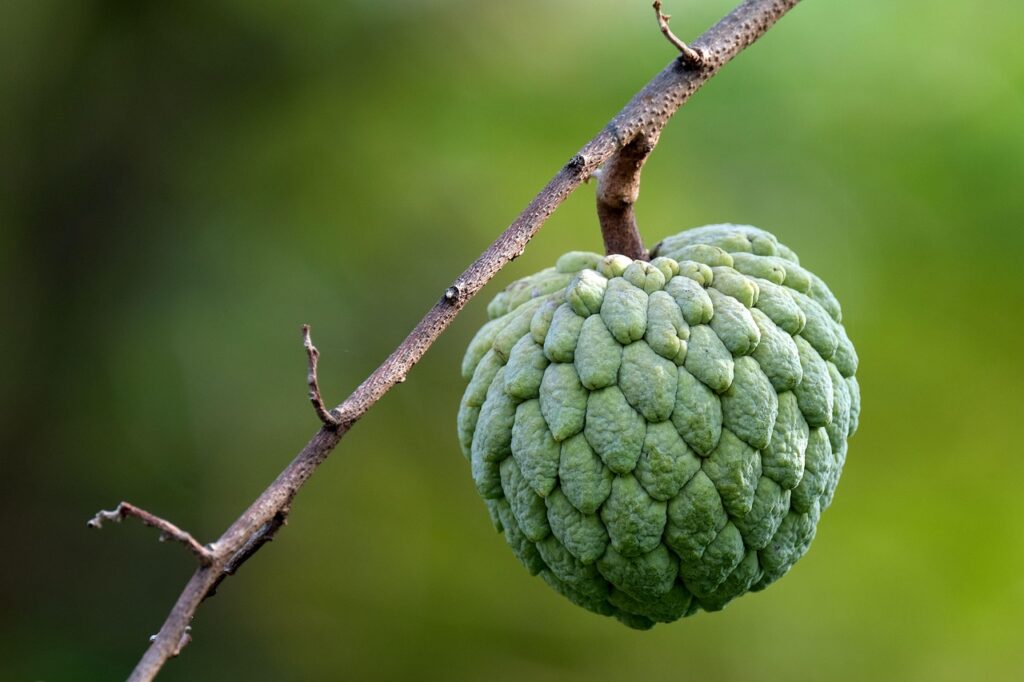
Sugar apple, also known as sweetsop, is restricted in some regions due to concerns about pest transmission. The fruit’s soft skin and sweet flesh make it attractive to insects that can spread quickly. Once introduced, these pests can threaten entire fruit-growing regions. Because detection is difficult, regulators often choose prevention through import bans. Sugar apple remains popular and legal where grown locally. The restrictions highlight how delicate agricultural ecosystems are and how cautious authorities must be when approving new imports. Local cultivation avoids many of these risks. Cross-border movement increases exposure dramatically.
8. June Plum
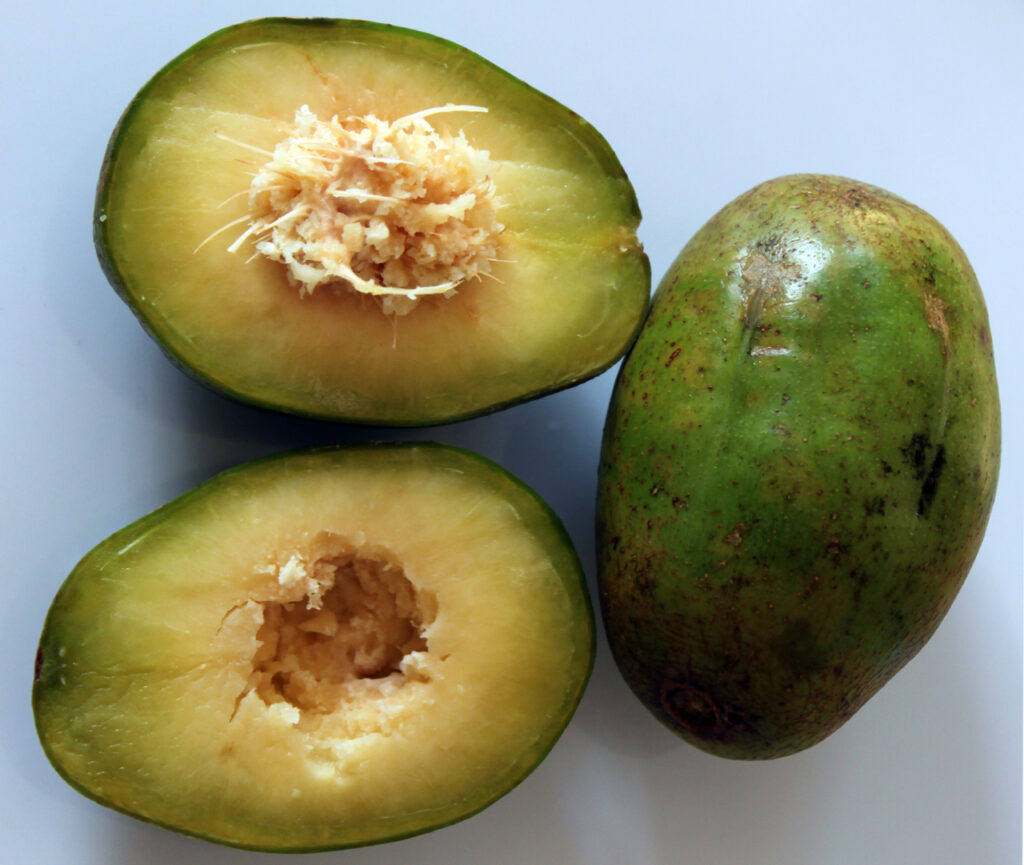
June plum is a tropical fruit enjoyed fresh or in savory preparations, but it is restricted in several areas due to pest risks. The fruit can carry insects that target citrus and other commercial crops. These pests may not be visible during inspection, increasing the likelihood of accidental introduction. To avoid this risk, some regions ban the fruit entirely rather than rely on screening alone. The decision is driven by long-term agricultural protection. June plum itself is safe to eat, but its movement is closely monitored or prohibited. Risk management prioritizes prevention over trade convenience.
9. Starfruit
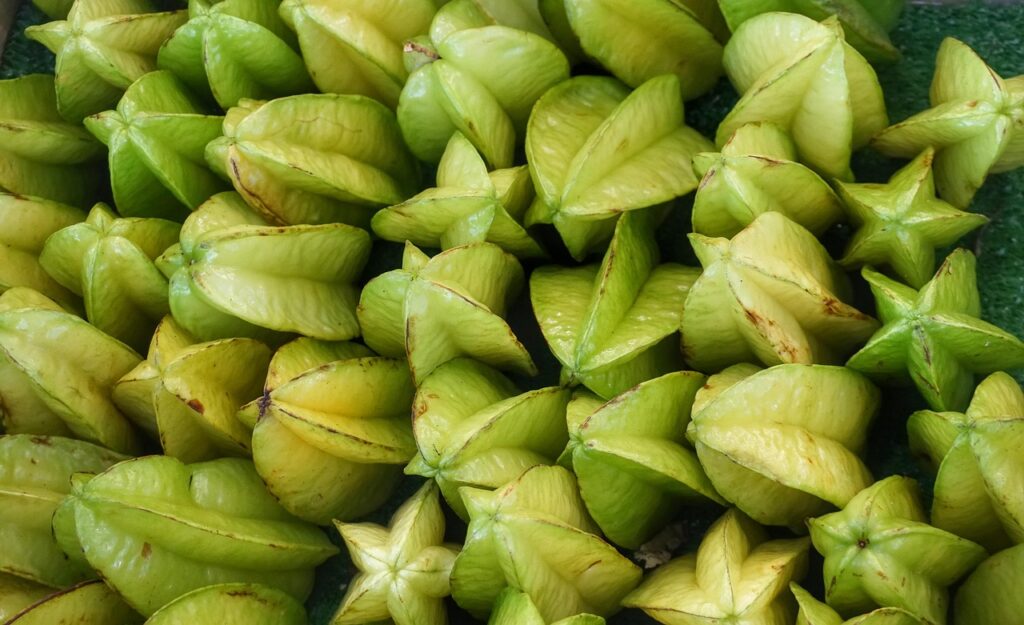
Starfruit is banned or restricted in some regions primarily for agricultural reasons, though health concerns also exist for certain populations. The fruit can host pests that threaten local farms, making it risky to import fresh fruit. Additionally, starfruit contains compounds that can be harmful to people with kidney disease, which has led to added caution in some markets. While this does not affect most consumers, regulators consider worst-case scenarios. The combination of pest risk and health considerations has led to tighter controls. Starfruit remains widely consumed where regulations allow. Dual concerns strengthen the case for oversight. Regulatory bodies often err on the side of caution.
10. Pomelo
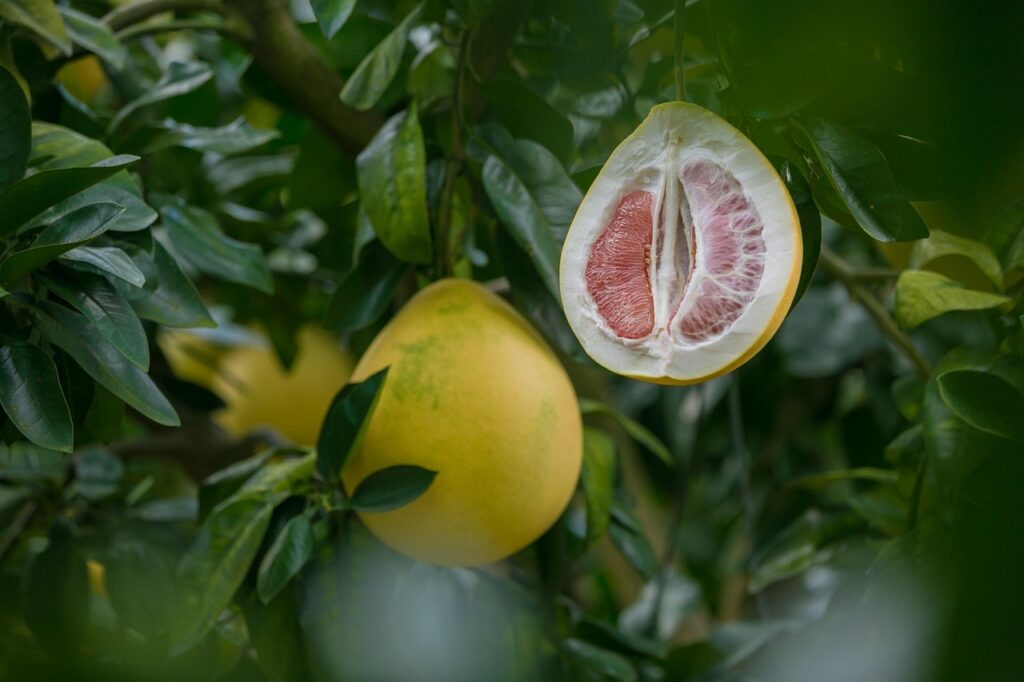
Pomelo is one of the largest citrus fruits and faces restrictions similar to other citrus varieties. Citrus fruits are closely regulated because they can carry diseases that spread rapidly and are difficult to eradicate. Pomelo imports may be banned or limited unless strict certification standards are met. These rules aim to protect domestic citrus industries from devastating outbreaks. The fruit itself is nutritious and safe to eat. Its restricted status reflects how vulnerable citrus crops are to imported diseases. Citrus losses can impact entire farming economies. Prevention safeguards long-term production stability.
11. Mangoes
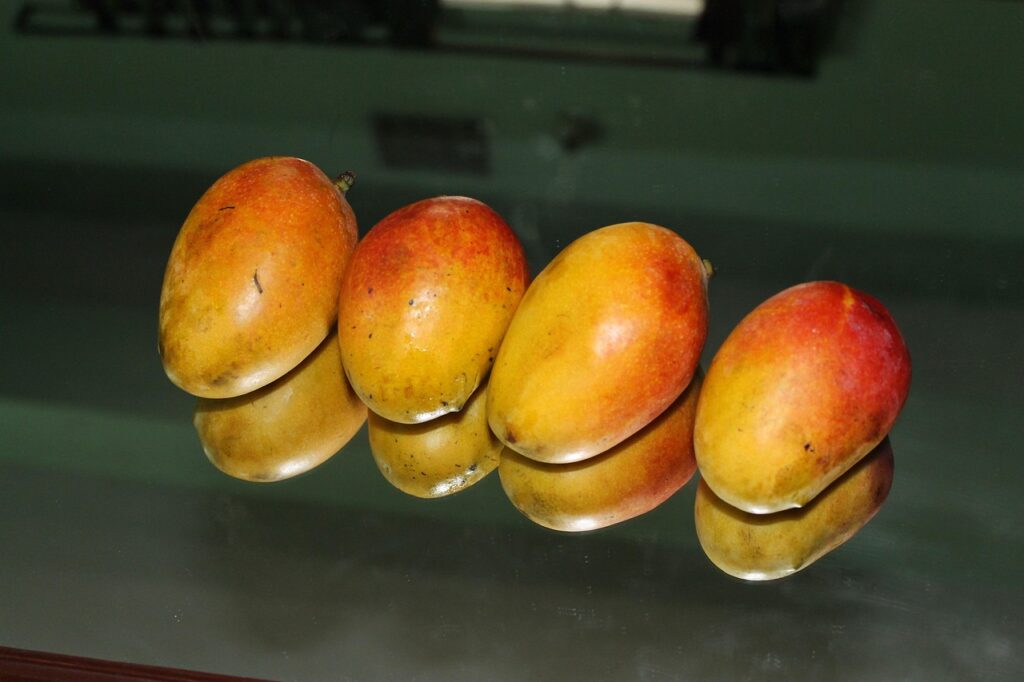
Mangoes are not universally banned, but those from specific regions face import restrictions in several countries. The concern centers on fruit flies and other pests that commonly infest mango crops. Without proper treatment or certification, mangoes may be denied entry. These bans are often temporary and tied to outbreak patterns rather than permanent prohibitions. Mangoes that meet safety standards are usually allowed. This selective approach shows how bans can be targeted rather than absolute, adapting to changing agricultural conditions. Monitoring allows regulations to evolve with risk levels. Trade resumes once threats are reduced.