How 80s TV Dinners Shaped the Quick Family Meals We Make Today

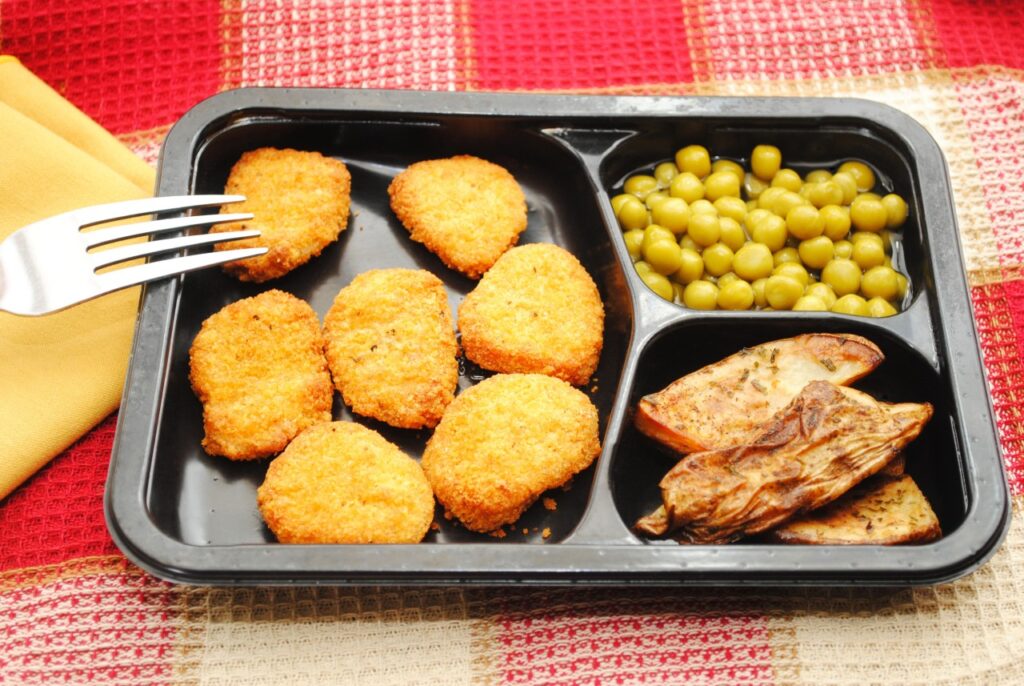
The 1980s didn’t just change what families watched at night, it quietly transformed how dinner fit into daily life. As more households balanced longer work hours, school activities, and commutes, the idea of cooking from scratch every evening became harder to maintain. TV dinners stepped into that gap with perfect timing. They offered predictability in an era that felt increasingly rushed, giving families a way to eat together without the stress of planning, shopping, or cleaning multiple dishes. The freezer became a planning tool, not a last resort. These meals reshaped expectations by proving that dinner could still feel complete even when time was short.
What began as a simple frozen shortcut slowly rewired family routines in lasting ways. Eating no longer had to revolve around the dining table or a set schedule, and meals adapted to television time, homework, and evening fatigue. TV dinners normalized flexibility, allowing each family member to eat comfortably without slowing the household down. Even as foil trays faded, the mindset stayed. The influence of those early frozen meals lives on, shaping modern family dinners that value time just as much as taste, and comfort just as much as tradition. Today’s grab-and-heat options echo that same desire to keep families fed without adding pressure to already full evenings.
The Golden Age of the TV Dinner
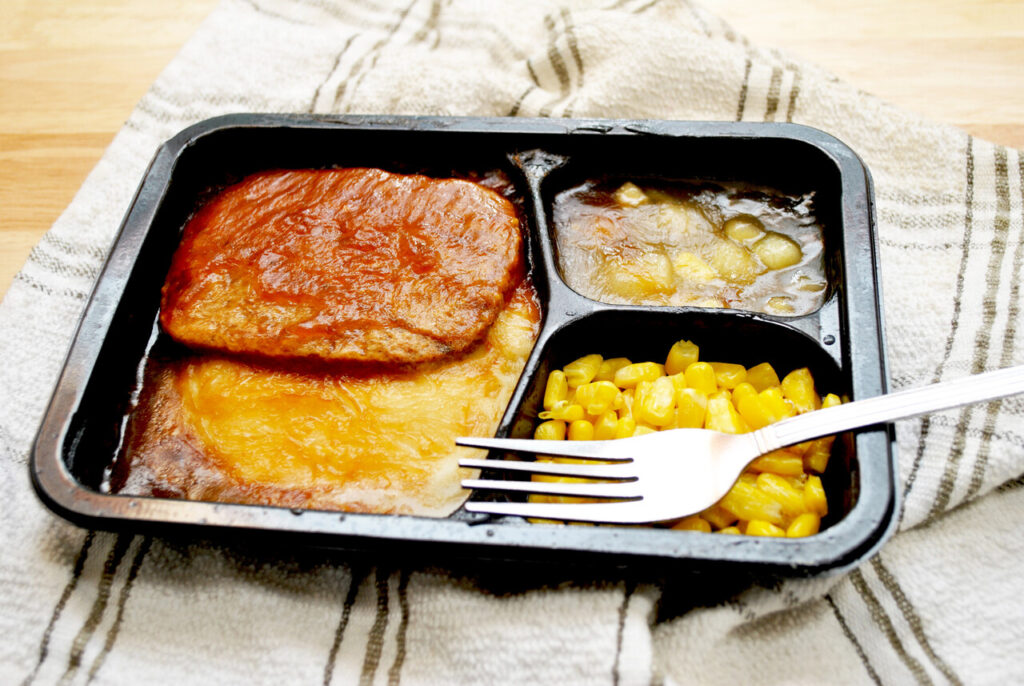
The 1980s didn’t invent the TV dinner, but they perfected its role in everyday life by turning it into a dependable solution rather than a novelty. Frozen meals filled supermarket freezers with options that felt complete and intentional, offering meat, vegetables, and dessert neatly separated into sections. Advances in freezing methods helped foods retain texture and flavor, making these meals more appealing than earlier versions. For families balancing school schedules, longer workdays, and growing after-school commitments, that consistency mattered. Dinner could happen on time without planning or hovering over a stove.
Just as important, TV dinners aligned with a growing trust in packaged food during the decade. Nutrition labels emphasized protein, vegetables, and portion control, reassuring parents that convenience did not mean carelessness. These meals became a regular part of weekly routines rather than a last-minute backup. They reduced decision fatigue and allowed families to eat together even when schedules didn’t align. In many households, choosing a TV dinner wasn’t about avoiding cooking but about protecting limited evening time. That mindset helped redefine what a successful family meal looked like, proving that warmth and reliability could matter just as much as preparation from scratch.
When Television Defined Family Mealtime
The 1980s quietly redefined where and how families shared dinner, shifting the center of the meal from the dining table to the living room. As televisions became larger and more central to the home, eating while watching shows turned into an accepted routine rather than a rare treat. TV dinners were built for this exact moment, with compartment trays that stayed stable on laps and portions that required minimal effort to eat. Meals no longer revolved around serving, waiting, or coordinating schedules. Instead, dinner adjusted to programming blocks and evening fatigue, making food feel like part of the entertainment flow.
This change quietly reshaped family interaction around food. Conversation during dinner became lighter and less structured, often pausing as attention shifted to the screen. Sitting together in the same room mattered more than formal rules or table manners. Parents and children shared space, reactions, and routines, even if focus drifted. Over time, this normalized a more flexible idea of togetherness, where presence didn’t require full attention at all times. That mindset directly influences modern habits, from eating while streaming to multitasking meals, proving that connection and convenience can coexist at the table.
Convenience Takes Over the Kitchen
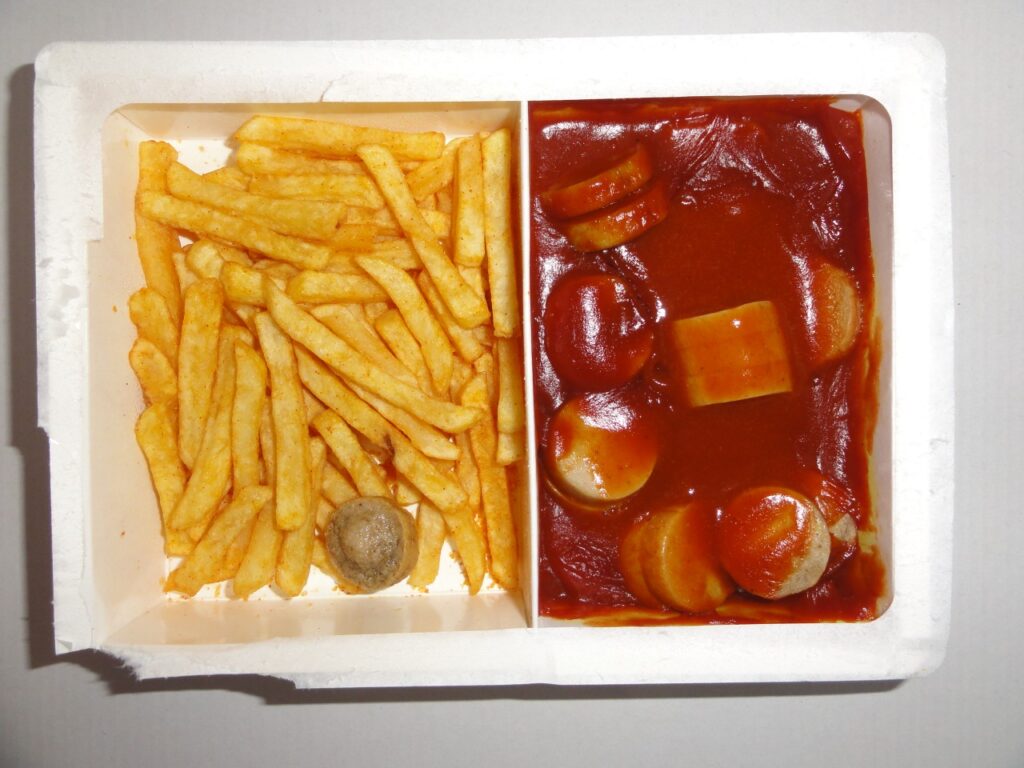
The rise of TV dinners closely followed deeper changes inside American households, especially during the 1980s, when daily routines became tighter and less predictable. As more families relied on dual incomes, the time once reserved for prepping, cooking, and cleaning dinner steadily disappeared. Long recipes stopped fitting into evenings shaped by commutes, homework, and exhaustion. The microwave quickly became the most important appliance in the kitchen, shrinking meal preparation from an hour to just minutes. TV dinners were designed for this new reality, delivering hot, portioned food without planning, knife work, or piles of dishes.
This shift didn’t remove home cooking from family life, but it fundamentally changed how meals were judged. Food no longer had to be handmade to feel valid or comforting. Convenience itself became a marker of success, signaling efficiency and balance rather than neglect. Families began valuing meals that were reliable, filling, and stress-free over those that required time they didn’t have. That change in mindset stuck. Modern frozen dinners, skillet meals, and pre-portioned meal kits reflect the same priorities shaped decades ago. They promise speed without chaos and satisfaction without sacrifice, proving the influence of TV dinners still quietly guides how kitchens operate today.
Marketing That Sold a Lifestyle
TV dinner marketing in the 1980s rarely focused on taste alone. Instead, it sold relief at the end of a long day. Commercials painted scenes of calm kitchens, relaxed parents, and children happily eating without complaints. The message was clear and powerful: this meal solved problems. Packaging reinforced that promise through bright photos, familiar comfort foods, and neatly divided trays that looked organized and balanced at a glance. Even when nutrition varied, the visual cues suggested thoughtfulness and care. Buying a TV dinner wasn’t framed as cutting corners, but as making a smart choice that protected time and reduced stress for the entire household.
Brands also became highly strategic about who they were speaking to and how. Family-sized portions were marketed as practical solutions for parents, while colorful boxes, desserts, and fun shapes were designed to catch children’s attention. This dual targeting helped TV dinners feel like a win for everyone involved. More importantly, it changed how food was advertised altogether. Meals were no longer sold purely on ingredients or preparation, but on lifestyle benefits like ease, predictability, and emotional comfort. That approach still dominates today, where convenience foods promise control over busy schedules, proving the marketing playbook from the TV dinner era never truly disappeared.
The Lasting Impact on Modern Meals
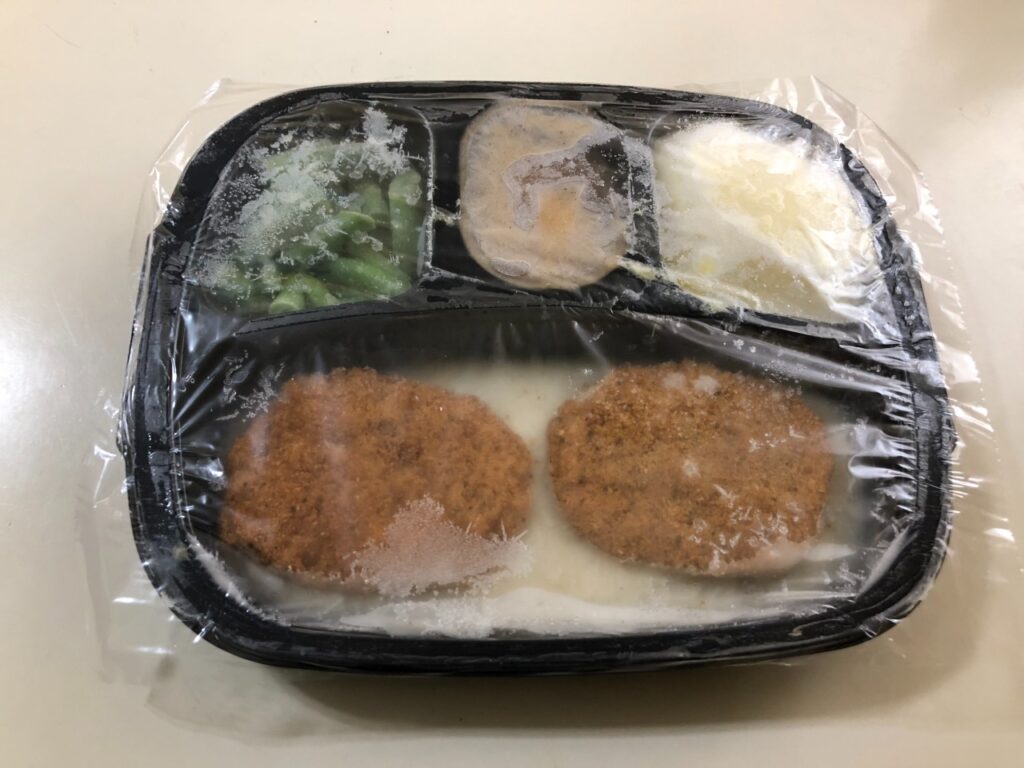
Modern family meals still carry the DNA of the TV dinner era, even when the packaging and presentation look more polished. Heat-and-eat bowls, frozen pasta trays, prepared grocery meals, and subscription meal kits all rely on the same promise that made TV dinners successful decades ago: dinner without disruption. These options minimize prep, reduce cleanup, and deliver predictable results on busy nights. While ingredients may now sound fresher or more global, the goal remains unchanged. Families want meals that fit around packed schedules, not meals that demand attention. What looks like innovation today is often a refined version of habits formed long ago.
Just as influential was the mindset TV dinners introduced around what makes a meal meaningful. They challenged the idea that dinner needed ceremony, shared dishes, or lengthy preparation to count. Instead, they normalized flexibility, individual portions, and eating on personal schedules while still feeling fed and included. Modern households operate with that same logic, prioritizing convenience while still seeking comfort and familiarity. The TV dinner quietly reset standards around effort and value, shaping how families define success in the kitchen and proving its influence never truly faded from everyday eating routines.