12 Stewart Hacks True Hoarders Secretly Love


Clutter is rarely just about mess. It grows from comfort, habit, and the quiet reassurance of having what you might need someday. That is why harsh decluttering rules often fail. They ignore emotion and push people to act before they feel ready. The approach associated with Martha Stewart works because it does the opposite. It focuses on structure, visibility, and simple systems that restore control without forcing people to give things up. These ideas make order feel safe and achievable, not stressful or judgmental. When belongings are easy to see, store, and return, clutter stops spreading, and daily life feels calmer.
1. Categorize Before You Purge
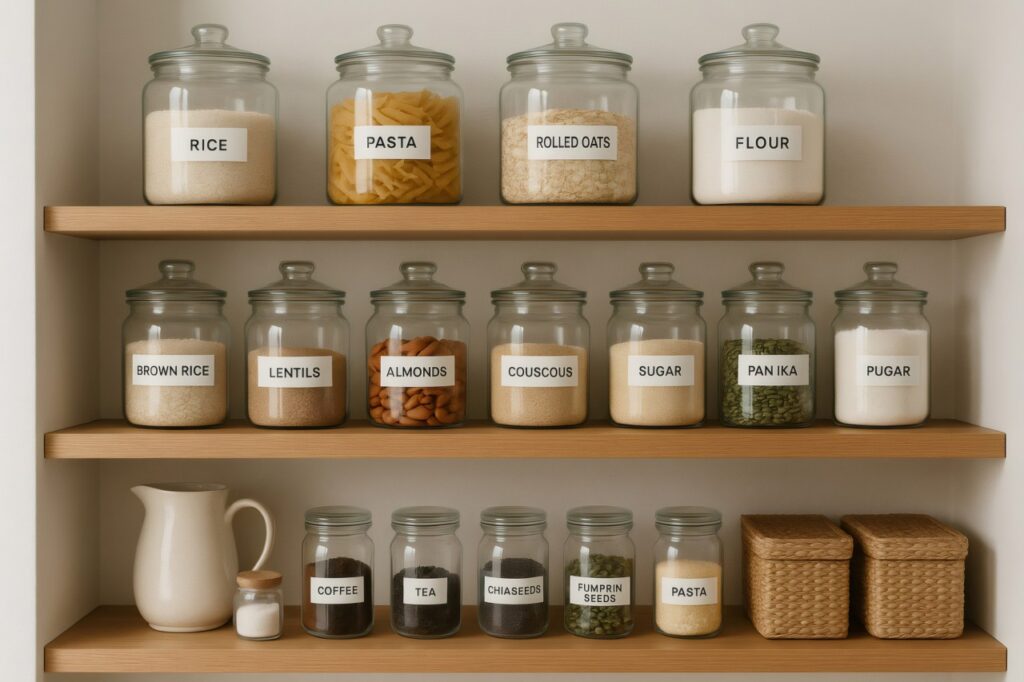
The biggest mistake people make when trying to declutter is starting with disposal instead of understanding what they own. Categorizing first creates psychological safety, which is critical for people who struggle with letting go. When similar items are grouped together, patterns emerge naturally. You see duplicates, expired items, and things that no longer match your habits without anyone telling you to get rid of them. This method reduces decision fatigue and panic, two major reasons clutter builds back up. Research on decision-making shows people make better choices when options are clearly defined rather than scattered.
2. Clear Containers Are Non-Negotiable

Clear containers eliminate one of the biggest drivers of clutter: forgetting what you already own. When items are hidden, the brain treats them as absent, which leads to repeat purchases and unnecessary stockpiling. Transparent storage creates instant visual inventory, reducing both waste and anxiety. Studies on consumer behavior show that visibility increases perceived control and reduces impulse buying. Clear bins also encourage better maintenance because mess is immediately noticeable. For hoarders, this matters because it replaces shame with information. Instead of guessing what is inside a box, you know exactly what you have and how much space it occupies.
3. Label Like a Librarian

Labels are not decorative accents. They are behavioral boundaries. When an item has a clearly labeled home, it becomes harder to justify placing it elsewhere. This reduces the slow spread of clutter across rooms. Labeling also externalizes memory, meaning you no longer rely on mental tracking to know where things belong. Cognitive research shows external cues reduce stress and improve follow-through on habits. For hoarders, labels reduce emotional attachment by shifting focus from the item to the system. A labeled container defines limits without confrontation. It quietly enforces order while preserving autonomy.
4. Decant Everything

Excess packaging wastes space and distorts how much you actually own. Boxes, blisters, and bulky branding add volume without adding value. Decanting removes that illusion. When items are transferred into standardized containers, quantity becomes obvious and storage becomes more efficient. This technique is backed by space optimization studies that show uniform shapes maximize usable area. For hoarders, decanting offers a compromise between keeping items and reducing clutter. You are not discarding anything, yet your space immediately feels lighter and more controlled. Decanting also protects items better by reducing exposure to air, moisture, and damage.
5. Drawer Dividers for Control
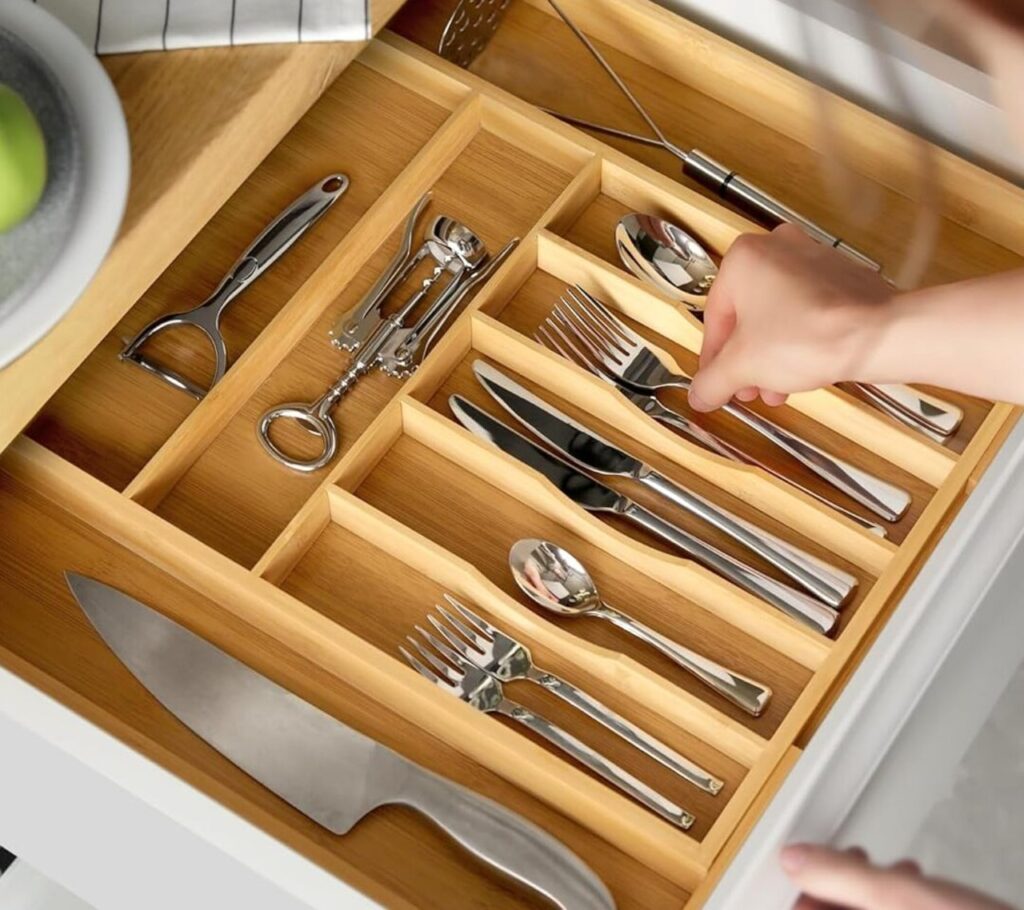
Small items cause disproportionate chaos because they migrate easily and multiply unnoticed. Drawer dividers stop this by assigning strict physical boundaries. Once a compartment is full, no more items can fit without effort. This creates a natural stopping point that discourages accumulation. Research in environmental psychology shows physical limits are more effective than verbal rules. Dividers also speed up daily routines because everything is visible and reachable. For people prone to hoarding, this reduces the urge to keep extras “just in case.” Control replaces clutter, and order feels earned rather than imposed.
6. Vertical Storage Is a Cheat Code

Most homes underuse vertical space, focusing instead on floors and horizontal surfaces. Vertical storage takes advantage of walls, doors, and cabinet sides that often sit empty. This expands capacity without increasing clutter density. From a design standpoint, vertical organization improves airflow and visibility, which reduces forgotten items. For hoarders, vertical storage feels like gaining space instead of losing possessions. Pegboards, wall rails, and over-door systems keep items accessible while preventing pile-ups. Studies on spatial organization show vertical layouts reduce perceived crowding.
7. The One Open Bin Rule

Unlimited storage invites unlimited accumulation. The one open bin rule introduces a clear, non-negotiable limit that feels fair. Each category gets one overflow bin, and no more. When it fills up, a decision must be made. This method works because it delays judgment until space is physically exhausted, reducing emotional resistance. Behavioral research shows that delayed decisions are easier than immediate ones. Hoarders respond well to this rule because it preserves choice while preventing runaway growth. The bin acts as a buffer, absorbing excess without letting it spread. Over time, many people find the bin empties itself naturally as priorities shift.
8. Seasonal Rotation Storage
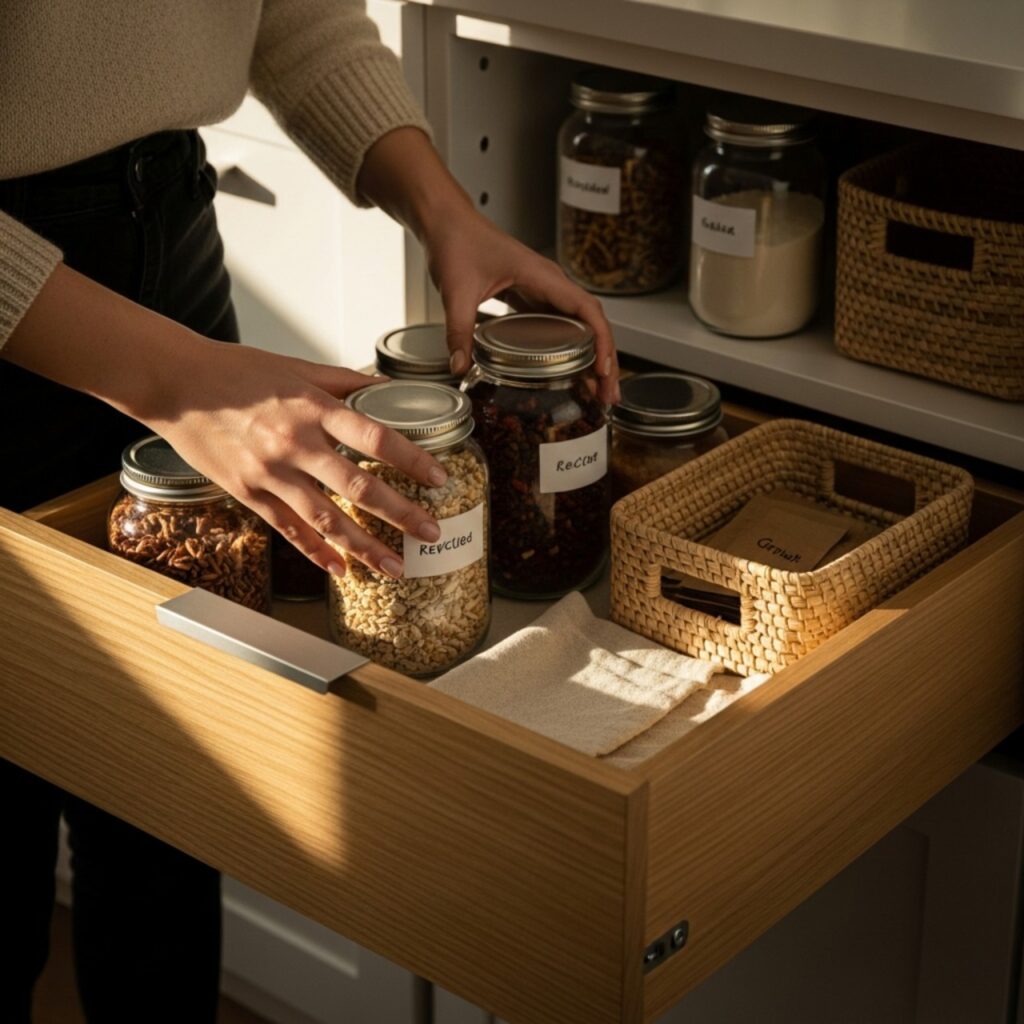
Out-of-season items create constant visual noise and inflate perceived clutter. Rotating storage removes these triggers entirely. When winter coats or holiday décor are out of sight, they are out of mind. This reduces emotional attachment and impulsive saving. Storage studies show people are more satisfied with spaces that reflect current use rather than total ownership. Seasonal rotation also protects items from unnecessary wear. For hoarders, this strategy offers relief without loss. Items are not gone, just resting. The living space becomes more functional and easier to maintain, which reduces stress and the urge to accumulate for comfort.
9. Matching Containers Create Mental Calm

Uniform containers reduce visual complexity, which directly lowers cognitive load. The brain processes matching shapes and colors more easily than mixed ones. Research in visual perception confirms that uniformity signals order, even when quantity is high. For hoarders, this matters because it reframes abundance as intentional. Matching containers make collections look curated instead of chaotic. They also stack better, improving space efficiency. When storage looks calm, people feel less defensive about what they own. This makes future organizing decisions easier and less emotional, turning maintenance into a habit rather than a battle.
10. Inventory Lists on the Inside of Doors

People often overbuy because they cannot remember what they already have. An inventory list solves this by making information instantly accessible. Placing it inside a cabinet or closet door ensures it is seen at the moment decisions are made. Cognitive offloading through lists is proven to reduce anxiety and improve accuracy. For hoarders, this technique protects possessions by preventing unnecessary duplication. It also builds trust in the system, which is essential for long-term change. Over time, lists become shorter and more accurate, reinforcing control without relying on memory or guesswork.
11. Vacuum-Sealing Rarely Used Items

Bulky items create the illusion of excess even when they are rarely used. Vacuum sealing reduces volume dramatically while preserving condition. This method is widely used in archival storage because it protects against moisture, dust, and pests. For hoarders, vacuum sealing offers emotional reassurance. Items are safe, intact, and contained. The space savings are immediate and measurable, which reinforces the behavior. Reduced volume also makes storage areas easier to manage, lowering stress. When items take up less room, they feel less overwhelming, making the idea of keeping them feel reasonable rather than excessive.
12. Making Storage Look Like Décor
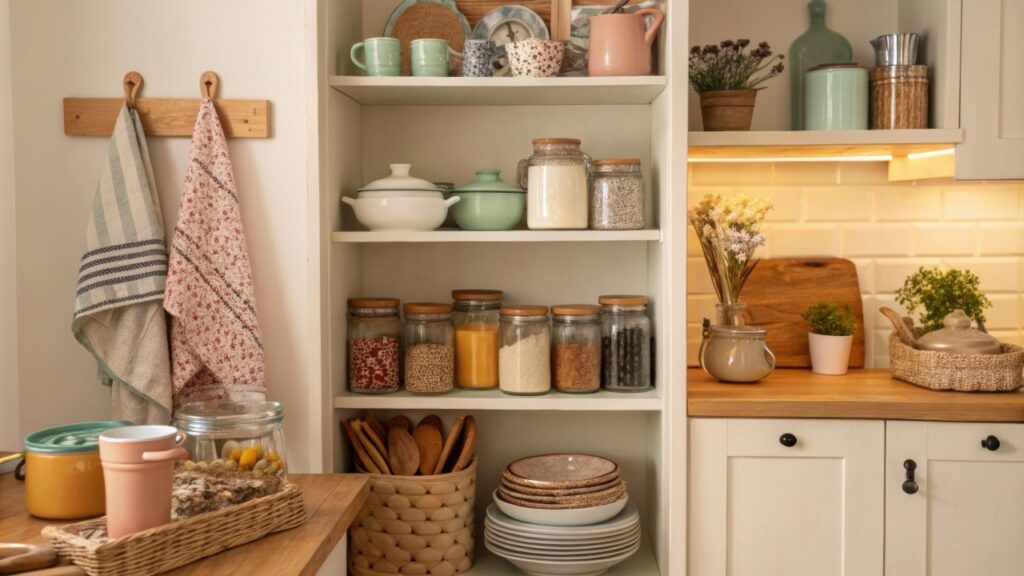
When storage looks institutional, people avoid interacting with it. Decorative storage removes that barrier. Baskets, jars, and boxes that blend with the room encourage regular use and maintenance. Design research shows people care for attractive environments more consistently. For hoarders, this reduces shame and avoidance. Storage that looks intentional reframes possession as curation. It also prevents clutter from spreading because items naturally return to places that feel pleasing. When storage belongs visually, it stops feeling like a temporary fix and starts functioning as part of everyday life.