11 Chinese Dinner Recipes That Easily Take Center Stage

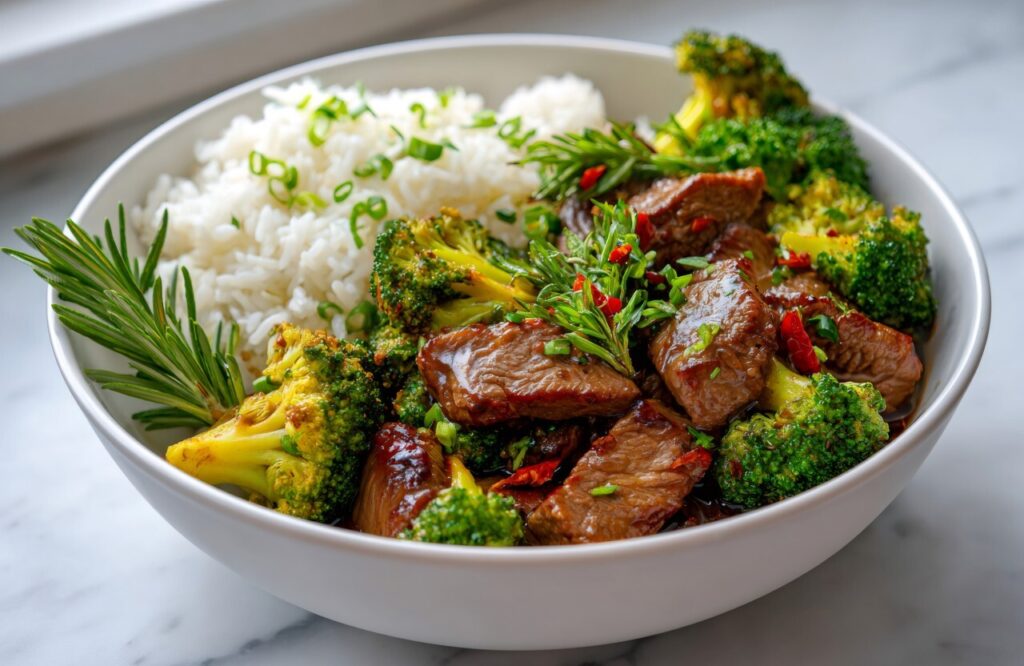
Some dinners quietly support the meal, while others take control of the table the moment they arrive. Chinese cuisine excels at creating dishes that do exactly that. Through bold sauces, precise heat, layered textures, and careful balance, these recipes turn simple ingredients into center-stage experiences. Whether it is the crackle of crisp skin, the aroma of chili and garlic hitting hot oil, or the comfort of noodles coated in rich sauce, these dishes command attention without needing excess. They are designed to be shared, remembered, and talked about long after the plates are cleared. These recipes do not just accompany dinner. They define it.
1. Kung Pao Chicken
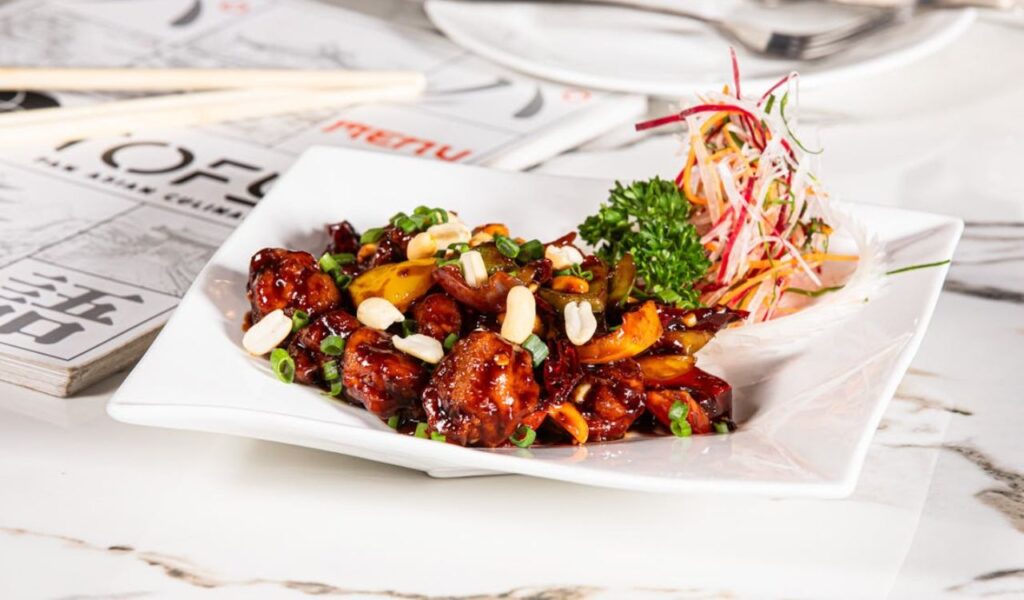
Kung Pao Chicken earns its place at the center of the table by balancing intensity with control. The dish relies on quick cooking over high heat, which keeps the chicken tender while allowing the sauce to cling tightly to each piece. Dried chilies bring heat, but it is meant to be aromatic rather than overwhelming. Peanuts add crunch and richness, breaking up the softness of the meat. The sauce itself balances salty, slightly sweet, and tangy notes, often built from soy sauce, sugar, and a touch of vinegar. Properly made, it never feels greasy or heavy. What makes Kung Pao Chicken stand out is the contrast.
2. Mapo Tofu
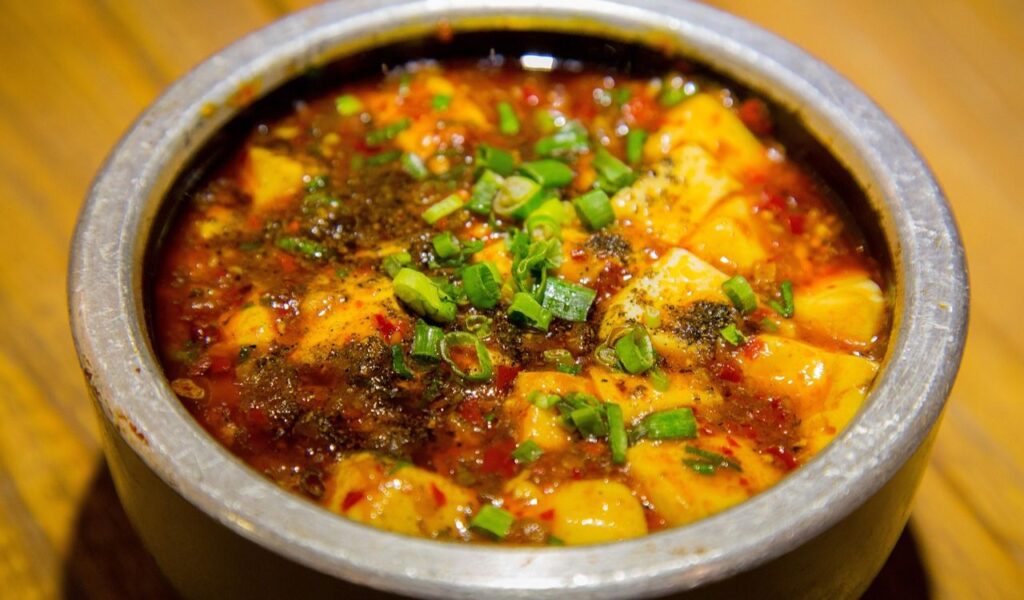
Mapo Tofu proves that a dish does not need meat as its main structure to feel powerful. Soft tofu absorbs sauce easily, turning into a carrier for intense flavor rather than fading into the background. The sauce is built on fermented bean paste, chili oil, and aromatics, creating depth that lingers. The signature numbing heat comes from Sichuan peppercorns, which add sensation as much as flavor. Ground meat contributes savoriness without dominating the dish. The texture contrast between silky tofu and robust sauce is deliberate. Mapo Tofu feels comforting and assertive at the same time. It takes center stage because it delivers complexity, warmth, and richness in every spoonful.
3. Peking Duck
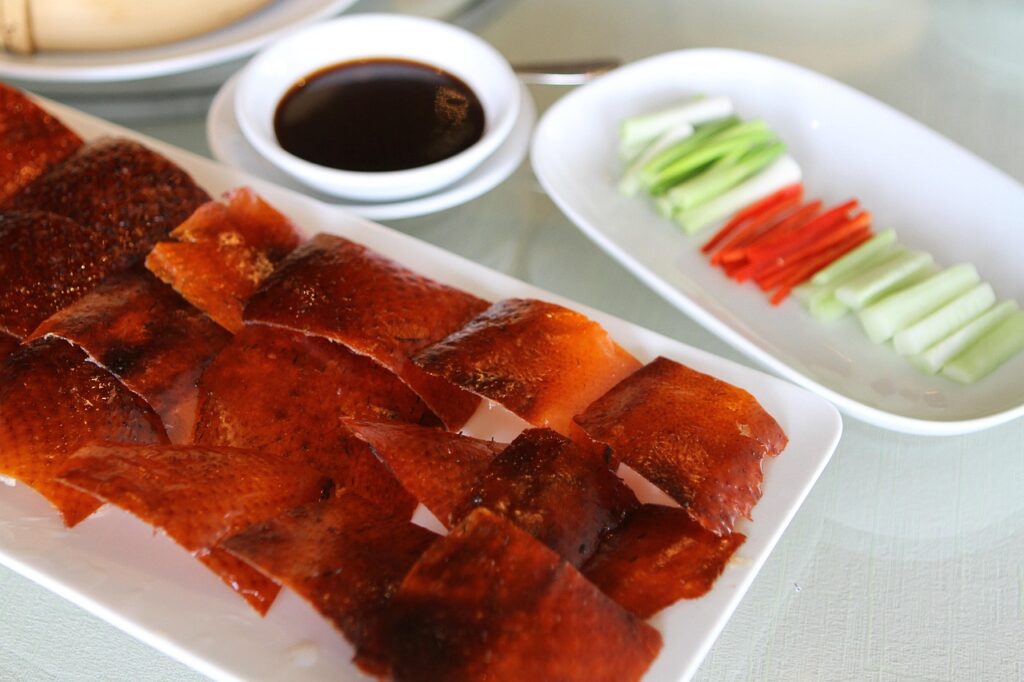
Peking Duck is not just a dish but a performance. The duck is prepared with careful attention to skin rendering, which requires air drying and controlled roasting. The goal is skin that shatters lightly while the meat remains juicy. Serving the duck with thin pancakes, scallions, and sauce allows diners to build each bite themselves. This interactive element makes the meal feel special and ceremonial. The flavor is clean and rich rather than heavy, relying on technique instead of seasoning. Peking Duck commands the table because it is both visually striking and deeply satisfying. It turns dinner into an event rather than just a meal.
4. Beef and Broccoli
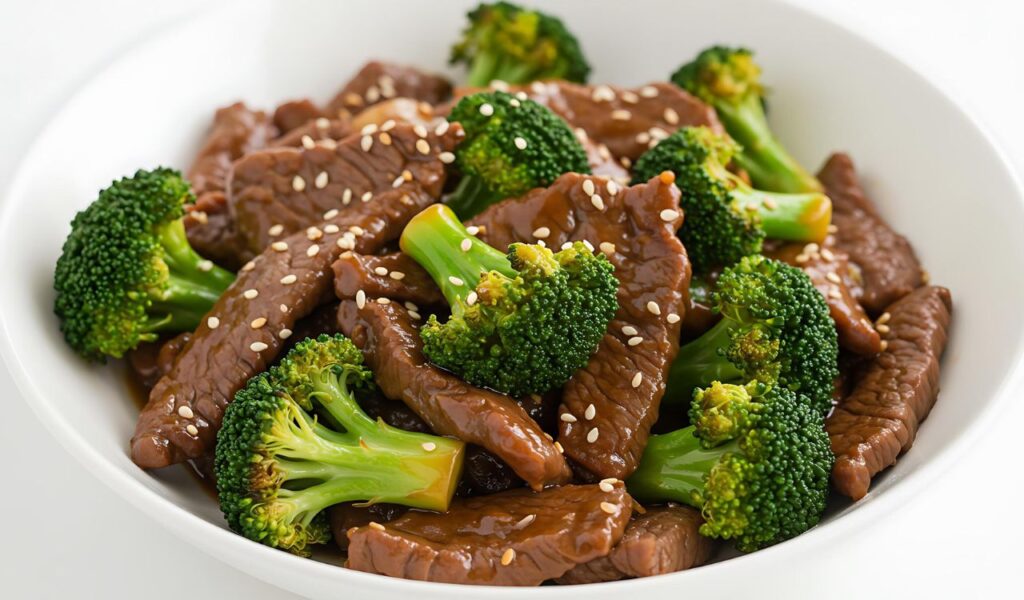
Beef and Broccoli takes simple ingredients and elevates them through technique. Thinly sliced beef is cooked quickly to stay tender, while broccoli is kept crisp to preserve freshness. The sauce is glossy and savory, coating without drowning the ingredients. Timing is critical. Overcooking ruins texture, while proper heat locks in moisture. The appeal of this dish lies in its clarity. Each component tastes like itself, but better. Beef and Broccoli takes center stage because it feels complete without being complicated. It satisfies through balance and familiarity, making it a reliable main dish that never feels secondary.
5. Sweet and Sour Pork
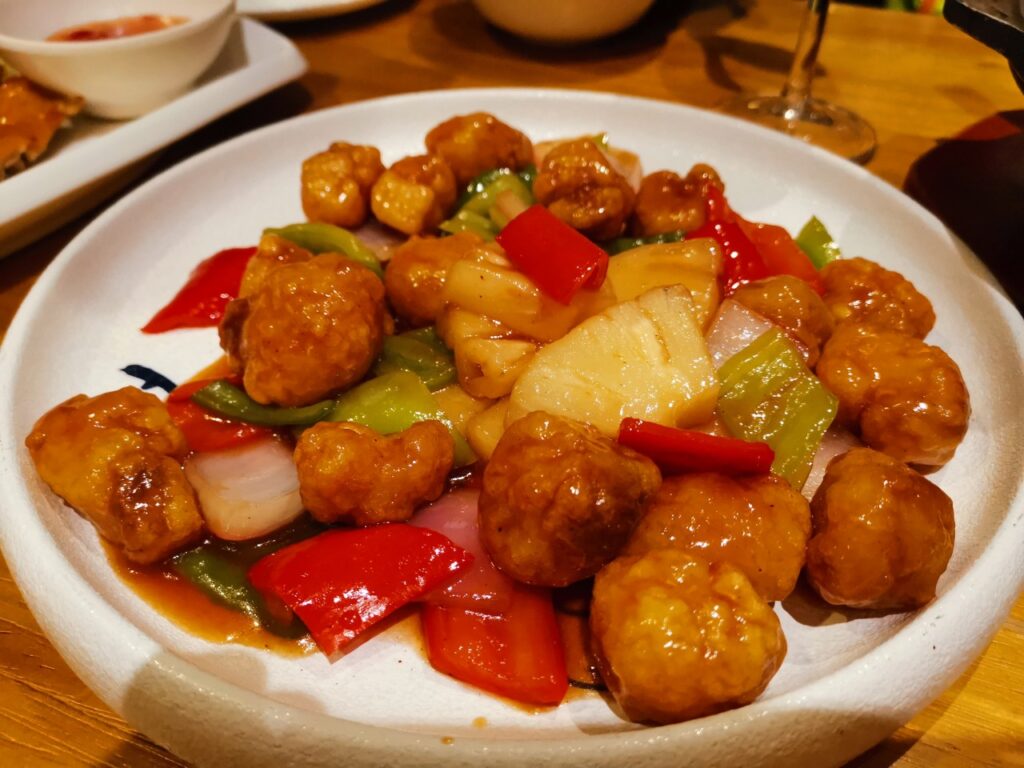
Sweet and Sour Pork stands out through contrast and color. Crispy pork pieces are fried until the exterior is firm enough to hold sauce without becoming soggy. The sauce balances sugar and vinegar to create brightness that cuts through richness. Vegetables add crunch and freshness, preventing heaviness. This dish succeeds when the sauce is bold but controlled. Too much sweetness flattens flavor, while too much acidity overwhelms. Properly made, Sweet and Sour Pork feels playful yet substantial. It draws attention because every bite delivers crunch, tang, and warmth in equal measure. The crisp coating also helps the pork stay textured even after being sauced.
6. Dan Dan Noodles
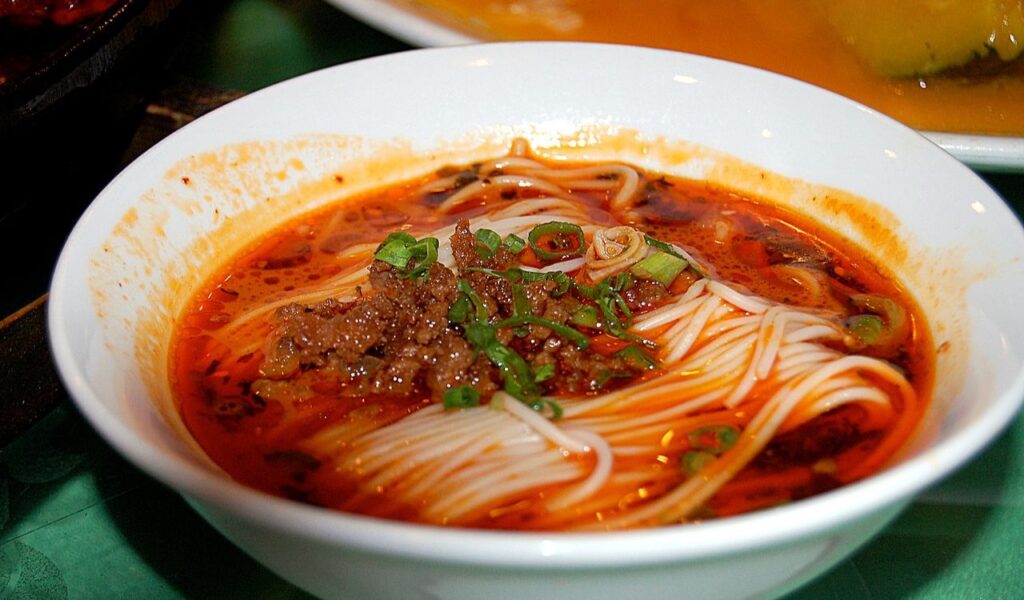
Dan Dan Noodles are built to demand attention. The sauce combines chili oil, sesame, and fermented elements to create depth that clings to the noodles. Ground meat adds savoriness, while preserved vegetables contribute texture and salt. Noodles provide structure and chew, making the dish filling without heaviness. Mixing is essential, as the sauce settles at the bottom until combined. Once mixed, every strand carries flavor. Dan Dan Noodles take center stage because they are unapologetically bold. They are warming, rich, and deeply satisfying, making them impossible to ignore at the table. The heat builds gradually, keeping the dish exciting from start to finish.
7. Char Siu
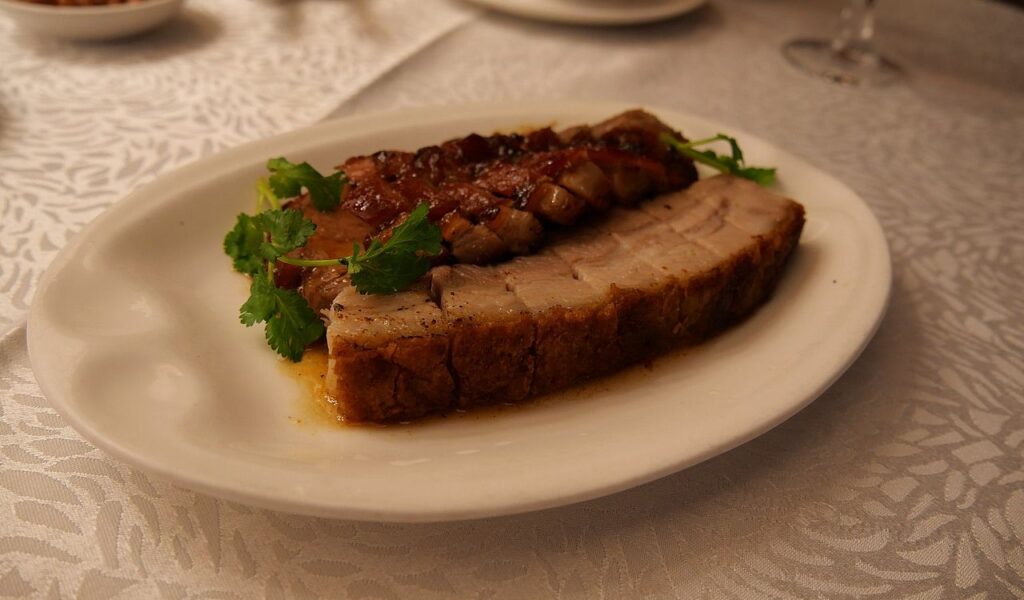
Char Siu commands attention through aroma alone. Pork is marinated with sugar, soy, and fermented elements, then roasted until caramelized. The exterior becomes sticky and glossy, while the interior stays tender. The sweetness is intentional, balanced by savory depth. Proper roasting develops color and flavor without drying the meat. Char Siu works as both a main dish and a focal point alongside rice or vegetables. It stands out because it combines simplicity with indulgence. Each slice delivers sweetness, salt, and richness in controlled harmony. The caramelized edges add a slight bitterness that keeps the sweetness in check. This contrast makes the dish satisfying without feeling cloying.
8. Hot Pot
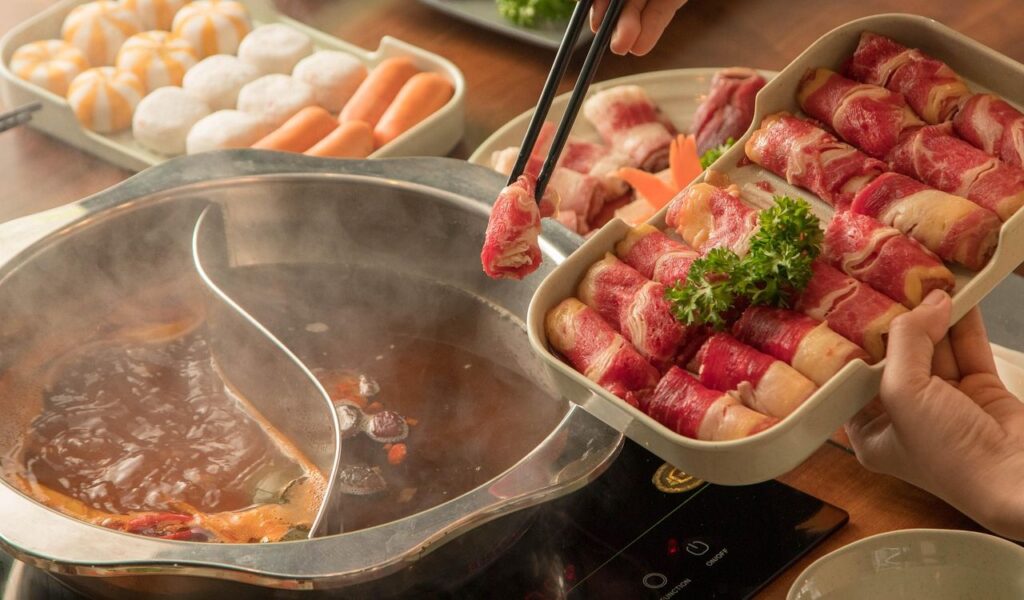
Hot Pot turns dinner into a shared experience. A simmering broth sits at the center of the table, inviting diners to cook meats, vegetables, and noodles themselves. The broth builds flavor as ingredients are added, deepening over time. This interactive style makes the meal dynamic and social. Ingredients remain fresh because they are cooked moments before eating. Hot Pot takes center stage because it engages everyone. It is not just about flavor, but about participation. The meal unfolds gradually, creating warmth, connection, and satisfaction. Different dipping sauces allow each person to customize their bites. The slow pace makes the meal feel both indulgent and relaxed.
9. General Tso’s Chicken
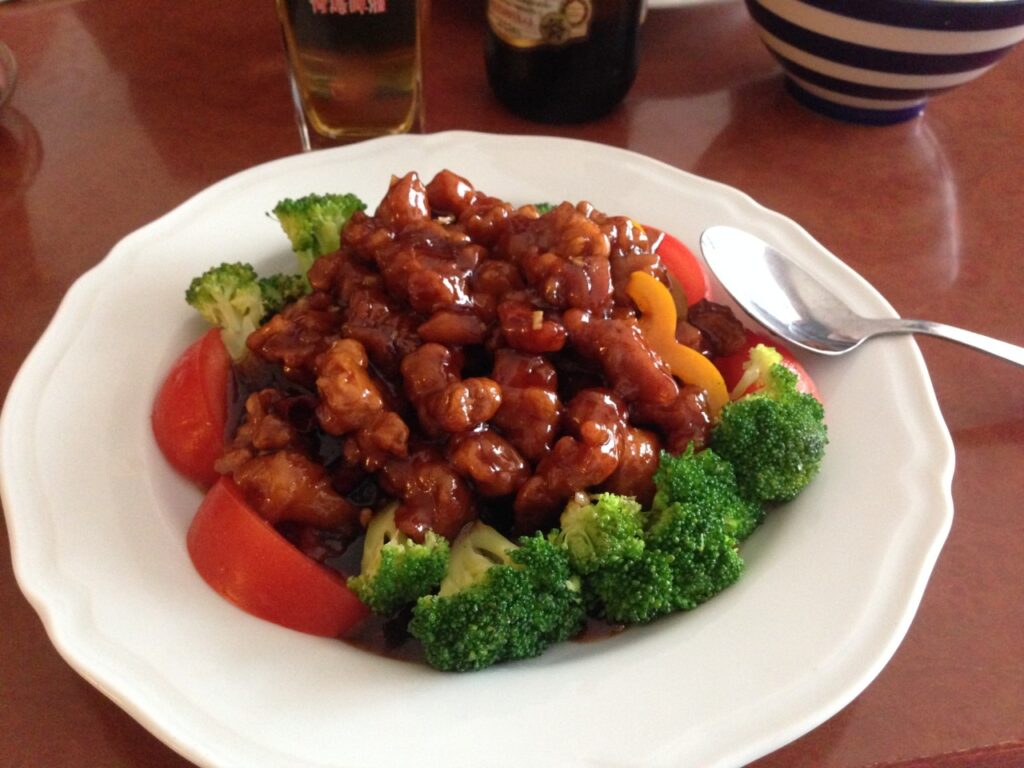
General Tso’s Chicken delivers impact through texture and sauce. Chicken is fried until crisp, then coated in a thick glaze that balances sweetness, heat, and acidity. The key is timing. Sauce must cling without softening the crust completely. Aromatics like garlic and ginger add depth, preventing the dish from tasting one-note. This dish takes center stage because it is immediately satisfying. It is bold, comforting, and designed to please. When done well, it feels indulgent without becoming sloppy or overwhelming. The glossy coating enhances aroma as much as flavor. Served fresh, the contrast between crisp and sticky is what makes it memorable.
10. Twice-Cooked Pork
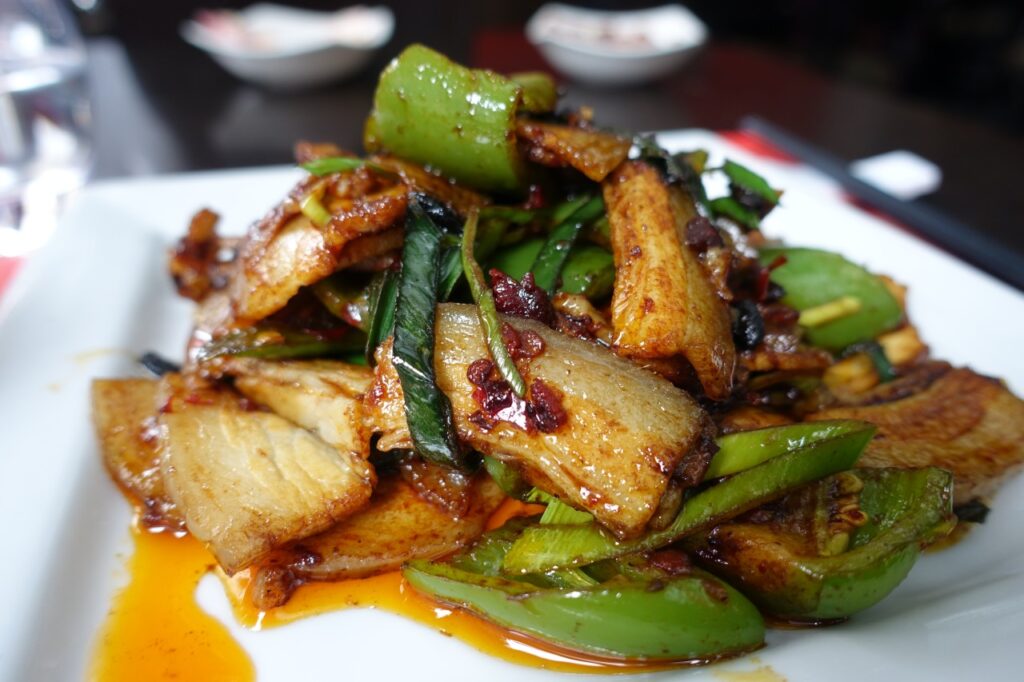
Twice-Cooked Pork earns its name through technique. Pork belly is first simmered to render fat and soften texture, then sliced and stir-fried with aromatics and sauces. This two-step process creates layers of flavor and texture. The meat becomes tender yet structured, while the sauce adds richness without excess. Vegetables cut through fat, keeping the dish balanced. Twice-Cooked Pork commands attention because it transforms a humble cut into something celebratory. It feels rich, intentional, and deeply satisfying. The rendering process prevents greasiness while preserving flavor. Each bite delivers depth without feeling heavy on the palate.
11. Steamed Whole Fish with Ginger and Scallions
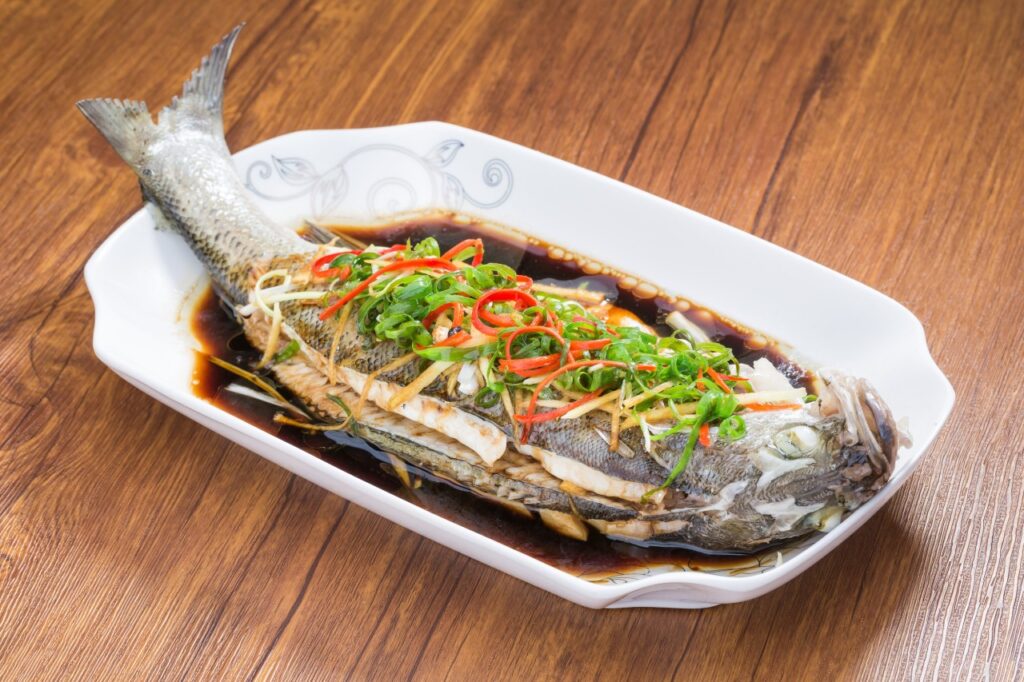
Steamed whole fish represents restraint and confidence. Steaming preserves moisture and highlights the natural sweetness of the fish. Ginger and scallions add aroma without masking flavor. Hot oil poured over the top releases fragrance and ties the dish together. There is no heavy sauce to hide mistakes. Freshness and timing matter most. This dish takes center stage because it shows respect for ingredients. It feels elegant, clean, and complete, proving that simplicity can be powerful when executed with care. The presentation also signals celebration and abundance. When done well, the flavor feels pure and quietly impressive.